The ‘Dreams’ Skateboard Clip Had No Single Royalty Pot
A song fragment can sell ads, lift a creator and move product without producing one clean payment for its musician. The money follows ownership and contracts, not virality.
August 19, 2026 · 8 min read
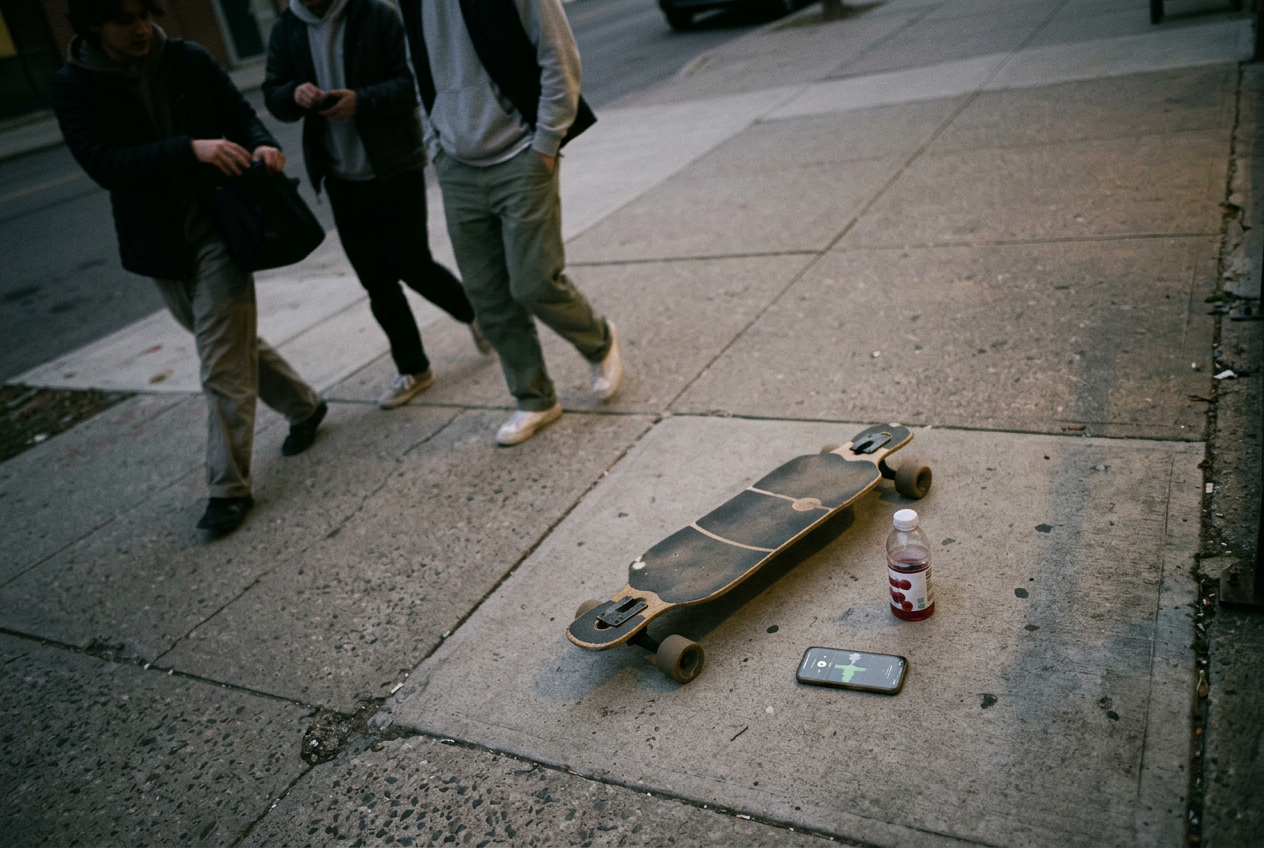
In 2020, Nathan Apodaca filmed himself riding a longboard, drinking cranberry juice from the bottle and lip-syncing to Fleetwood Mac’s “Dreams.” The clip was casual enough to look ownerless. It was not. The opening drums and Stevie Nicks vocal arrived with a composition, a master recording, publishing interests, label rights, platform licenses and decades of contracts attached.
Apodaca’s post traveled. Other users copied it. Fleetwood Mac members joined the format. Ocean Spray entered the story and gave Apodaca a truck.
“Dreams” returned to the charts as streams and sales climbed, according to Billboard’s coverage at the time.
This looked like one event. Financially, it was several unrelated events sharing a cranberry juice bottle.
TikTok benefited from attention inside its app. Ocean Spray received a burst of voluntary advertising before spending anything to participate. Apodaca gained an audience and opportunities outside the original post. The recording’s owners could collect under TikTok’s music agreements and from listening that moved to services such as Spotify or Apple Music.
The song’s publishing side had its own claims.
None of those parties drew from one viral-sound account. There is no account.
One song contains at least two assets
The “Dreams” clip carried two copyrights. The composition covers the written song, including its melody and lyrics. The master covers Fleetwood Mac’s particular recorded performance.
Stevie Nicks wrote “Dreams,” while the band’s recording was released through Warner. That does not mean a TikTok play placed matching coins into Nicks’s pocket and the band’s pockets. Rights can be assigned, sold or administered, while label and publishing contracts determine how money is accounted for after it reaches a rights holder.
For an unsigned musician, the structure is smaller but not cleaner. The artist may own both copyrights, then authorize a distributor to deliver the recording to platforms and collect master revenue. A publisher or publishing administrator may register the composition and chase money from collecting societies. If the artist signed a traditional record deal, the label may own the master or hold an exclusive license, collect first and credit the artist’s royalty account later.
“Later” matters. So does “credit.” A royalty statement can show revenue without producing cash if the artist remains unrecouped, meaning the label is still recovering contractually chargeable costs from the artist’s share. The platform paid.
The label received money. The musician still got no check.
That is the first trick hidden by the phrase “the song made money.” Songs do not have bank accounts. Companies and people have claims.
The license ends at the platform border
When Apodaca selected “Dreams” from TikTok’s music tools, he was using the recording inside a licensed platform environment. TikTok negotiates agreements with labels, publishers and other rights representatives so ordinary users can place covered music in eligible posts without clearing every clip individually.
Those agreements are private, and the public rarely sees the rate attached to one view or one creation. The 2024 dispute between Universal Music Group and TikTok made the machinery briefly visible: when negotiations failed, Universal-controlled recordings disappeared or were muted, then returned after the companies announced a new deal. A sound can feel native to the app until a contract expires.
The money under a platform license may depend on terms such as usage, video creation, views or a negotiated minimum. It is not necessarily a familiar per-stream rate, and it does not have to resemble what Spotify pays for an on-demand listen. TikTok can sell advertising across the attention generated by its feed while paying music rights holders through a separately negotiated contract.
The ad beside the experience and the royalty for the sound are not twins. They may never meet.
Move the longboard clip to Instagram Reels and a different set of licenses applies. Upload it to YouTube and YouTube may identify the recording through Content ID, its automated copyright-matching system, then let a claimant monetize, track or block the video. Put the same edit in a paid brand campaign and the ordinary user license may no longer cover it at all.
Platforms maintain commercial music rules because personal posting and advertising are different uses. A brand that wants a known song in an ad may need a synchronization license for the composition and a master-use license for the recording. “Synchronization” means pairing music with moving images. The platform’s consumer-facing sound button is not a transferable permission slip for a sneaker campaign.
The clip looks identical. The legal use is not.
Creators and musicians are paid for different things
Apodaca did not own “Dreams.” Fleetwood Mac did not make his skateboard video. That separation allowed both the creator economy and the music business to claim value from the same cultural object without sharing one payment system.
A video creator can earn through a platform program, sponsorship, merchandise, licensing or appearances. Those payments reward the video, audience or commercial relationship. They are not music royalties. If Ocean Spray pays a creator to make another post, the musician does not receive a negotiated percentage merely because a song helped produce the creator’s fame.
The reverse also holds. If viewers leave TikTok and stream “Dreams,” the creator receives no automatic cut of the recording or publishing revenue. Their edit, dance, joke or face may have supplied the conversion mechanism, but copyright ownership usually decides where the streaming money goes.
The platform sits above both sides. It can monetize aggregate attention through advertising, commerce and data while treating creator compensation and music licensing as separate expenses, each governed by its own eligibility rules and bargaining power. A major label can threaten to remove a catalog. One underground producer whose hook has been detached from its original upload has less leverage.
This is why “everyone won” is lazy accounting. Ocean Spray could value the exposure. TikTok could value retention. Apodaca could turn recognition into work.
Rights holders could receive licensed revenue and a streaming lift. Whether each Fleetwood Mac performer personally collected, and how much, depended on contracts the public could not inspect.
The cranberry juice stayed in one bottle. The money did not.
Distribution adds another gate
An independent musician usually reaches TikTok, Spotify and other services through a distributor, the company that delivers recordings and metadata to platforms and collects master-side revenue. Some distributors charge a subscription. Others take a percentage. Certain deals add fees, reserve balances or separate terms for social-video monetization.
Metadata is the identifying information attached to a release, including artist, songwriter and recording codes. Bad metadata can turn a viral fragment into unmatched money, delayed statements or a dispute between near-identical uploads. A sped-up version posted under a generic sound title may circulate faster than the official recording, especially when users copy audio from another video rather than choosing the track from a platform’s library.
Recognition systems can reconnect some uses to the owner. They can also misidentify recordings, split activity across versions or hand the claim to an intermediary that registered first. Musicians then spend time proving ownership while the clip keeps generating value for accounts that need no proof to sell an ad against the feed.
Composition money follows another route. In the United States, performing rights organizations license and collect certain public-performance royalties for songwriters and publishers. The Mechanical Licensing Collective administers blanket mechanical royalties from eligible US interactive streaming services, where a mechanical royalty covers reproduction and distribution of the composition. SoundExchange handles specified noninteractive digital performances of recordings, not ordinary TikTok uses or on-demand Spotify plays.
That paragraph is the payment system. It is also the problem. A musician can upload one file and trigger several collection paths, none of which guarantees that registrations, ownership shares and account details match before the sound peaks.
Virality favors the party already connected
A major catalog song such as “Dreams” enters a viral moment with established ownership records, label infrastructure and publishing administration. Its rights holders are equipped to identify uses and negotiate at scale. The chart return gave the event a measurable afterlife outside TikTok.
An underground track can experience the same visible heat with weaker plumbing. The artist may control the master but have no publishing administrator. The distributor may collect from one platform but not a copied user sound. The song may appear in thousands of clips while its official audio page shows only a fraction of them.
A brand may approach the video creator rather than the musician because the creator is legible, reachable and already selling access to an audience.
Exposure can still help. Listeners may search for the full song, buy tickets or follow the artist. Those actions have to occur, however, and each carries its own deductions. A million passive encounters with a hook are not equivalent to a million paid streams, much less a million sales.
Treating them as interchangeable lets every better-capitalized participant describe attention as the artist’s compensation.
Return to the “Dreams” clip. The longboard made the video recognizable. The cranberry juice made it brand-friendly. The song made the feeling work.
Each element created value, but only the parties with a contract, an ownership claim or something else to sell could invoice anyone.
The musician’s problem is not that no money exists. It is that the money appears in separate rooms, and the door to each room requires different paperwork.
Questions people ask
Does
TikTok pay musicians every time their song is used?
Not through one universal per-use rate visible to artists. TikTok licenses music through agreements with labels, publishers, distributors and rights organizations; those parties then account to musicians under their own contracts. A use may contribute to a negotiated payment without producing an identifiable royalty for that individual post.
Does a creator owe the musician part of a sponsorship?
Usually not merely because the creator first used the song through a platform’s licensed library. A sponsored reuse may require separate music clearance, especially for a brand account or paid advertisement, but the resulting fee goes through the relevant rights holders rather than becoming an automatic percentage of the creator’s sponsorship.
Why can a viral sound produce little streaming income?
Short-form views are not on-demand audio streams. Many viewers hear only a fragment, never search for the track and never leave the platform. Any licensed platform revenue must also travel through rights holders, distributors and contracts before it reaches the musician, assuming the use was correctly identified.
Can an independent musician collect everything without a label?
Owning the master removes one claimant, but it does not merge the pipelines. The musician still needs distribution, accurate metadata, composition registrations and coverage for relevant social-video uses. Each service has separate terms, and copied or altered sounds can still detach the viral activity from the official recording.
One update a day
Today's story, in your inbox
One story each morning — no hype, no filler, no algorithm deciding for you.