Power
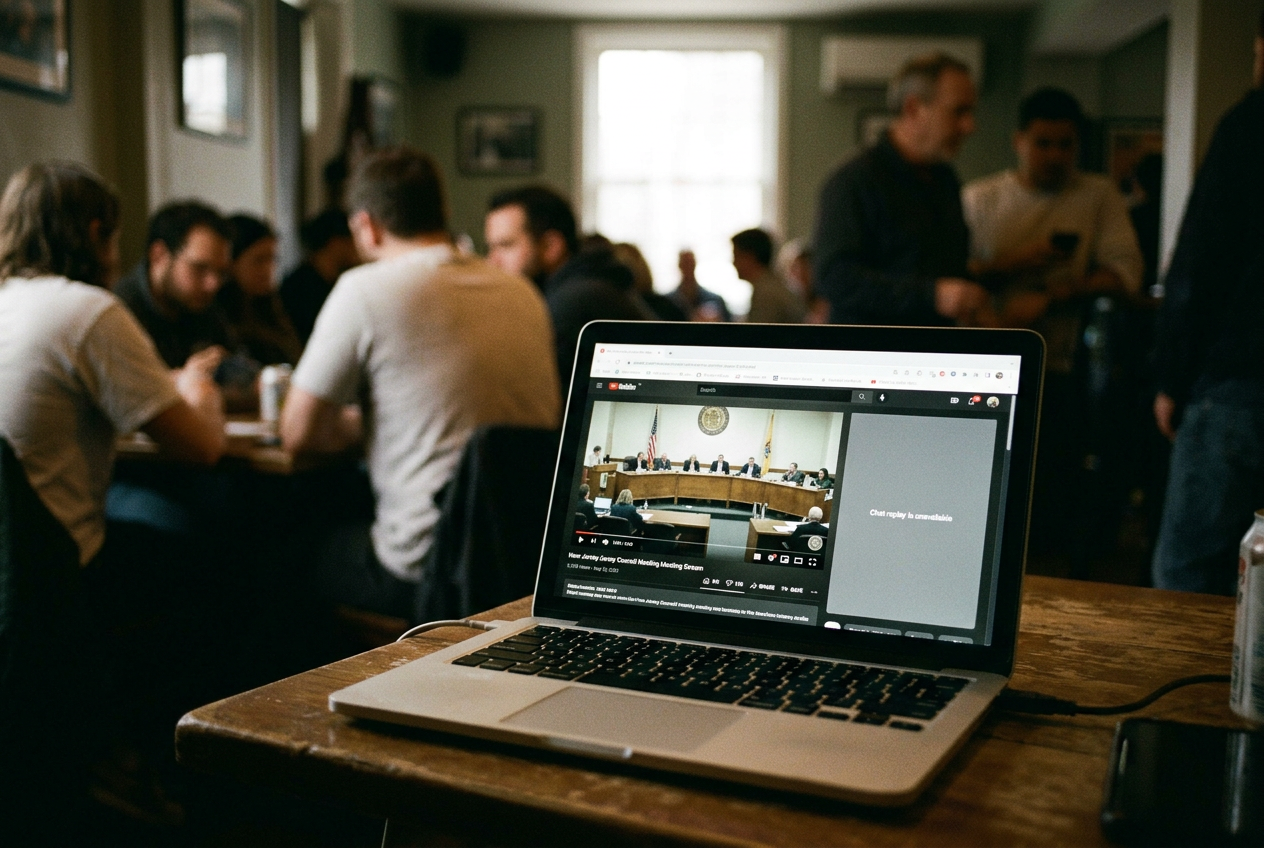
New Jersey towns archive meeting video while leaving livestream comments inside Facebook, YouTube, or Zoom. The result is a public record with the public edited out.
Simone Achebe · 8 min read

Power
LinkedIn lets users stop future AI training, but its own documentation says the switch cannot reverse training already completed. Rejecting the wider contract means closing the account.
Lena Vasquez · 7 min read
Power
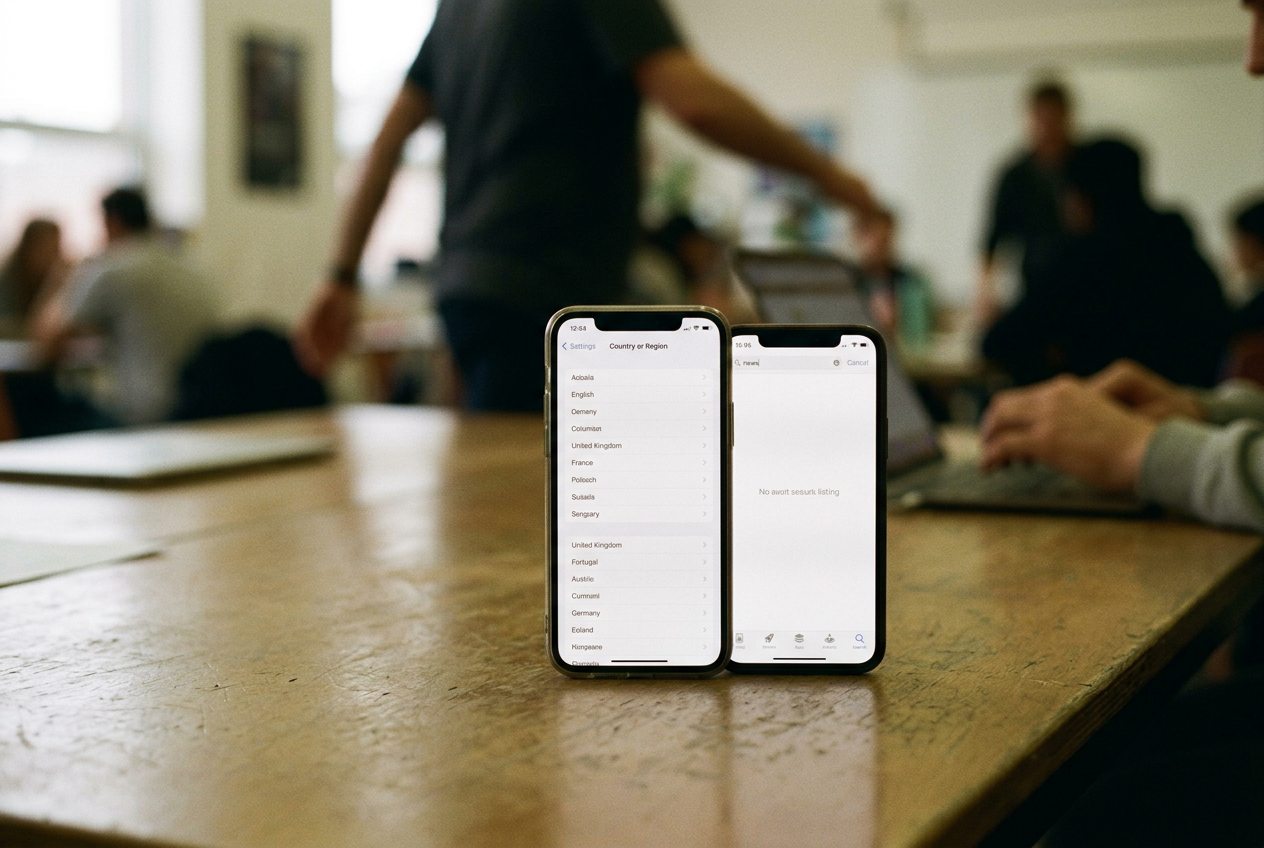
Apple does not need to erase a news app everywhere. It can remove the listing for one national storefront, turning government pressure into an account setting that travels with you.
Lena Vasquez · 8 min read

Power
New Jersey safety apps bundle useful alerts with tracking tools whose permissions do not expire. The emergency ends. The channel into your phone can remain.
Kurt Halloran · 8 min read

Power
Municipal posts may vanish from Instagram or Facebook while surviving in a vendor’s private archive. The gap between those two interfaces now shapes what New Jersey residents can inspect.
Simone Achebe · 8 min read

Power
Italy’s Piracy Shield briefly caught a Google Drive domain. The mistake exposes the bargain inside dynamic blocking: rights holders nominate targets, providers execute, and lawful publishers inherit the appeal.
Kurt Halloran · 8 min read

Power
State laws are built to identify a deceptive election message and its publisher. Feeds turn that message into unlabeled reposts, reaction clips and memes with no stable publisher left to sue.
Lena Vasquez · 8 min read
Power
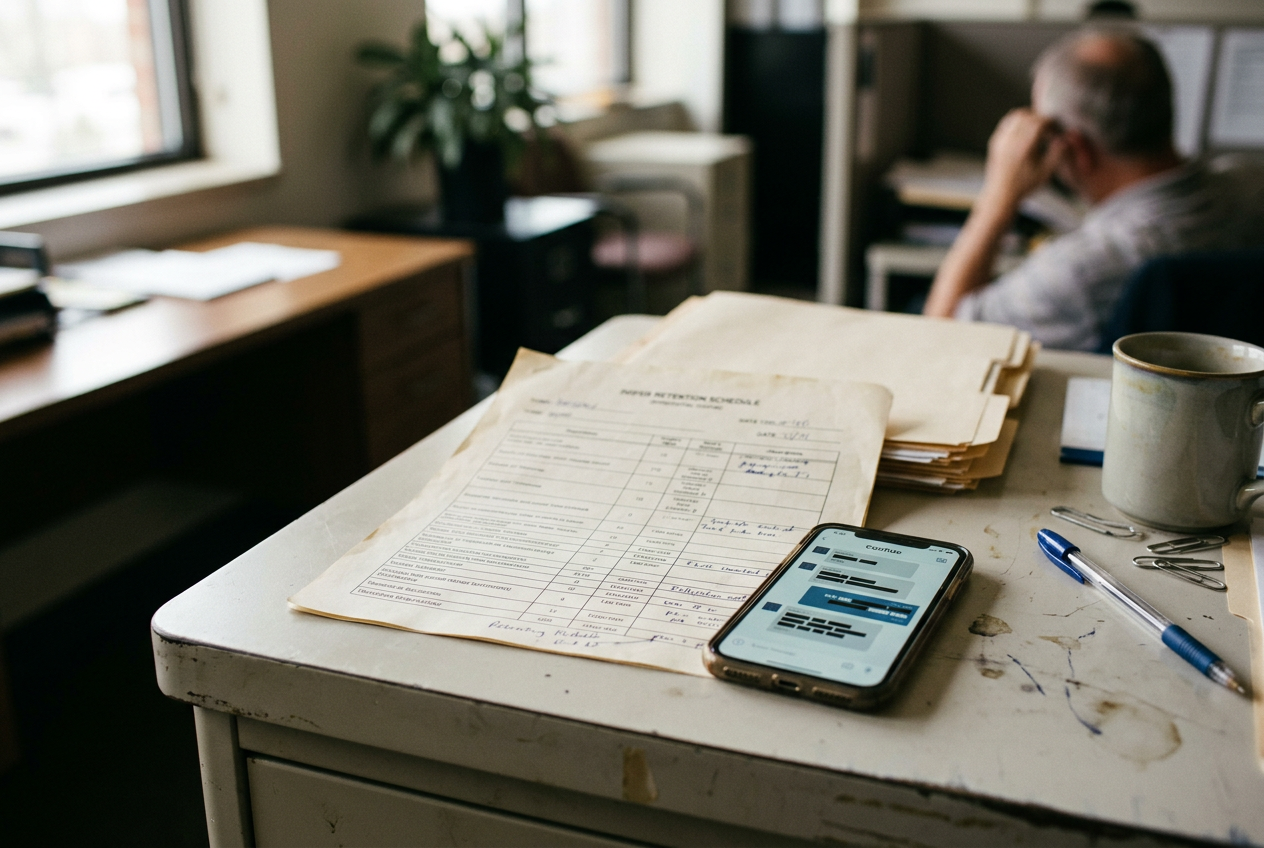
Missouri officials’ use of Confide exposed the real gap in public-records law: a government message can disappear long before anyone knows to request it.
Lena Vasquez · 9 min read

Power
Meta, TikTok and YouTube all publish moderation totals. Their definitions of removals, appeals and automation describe different systems, leaving the most useful error rates out of view.
Lena Vasquez · 8 min read

Power
Public trackers turn campus demonstrations into structured records of places, groups and arrests. The danger begins when those records leave the map and meet other datasets.
Simone Achebe · 8 min read

Power
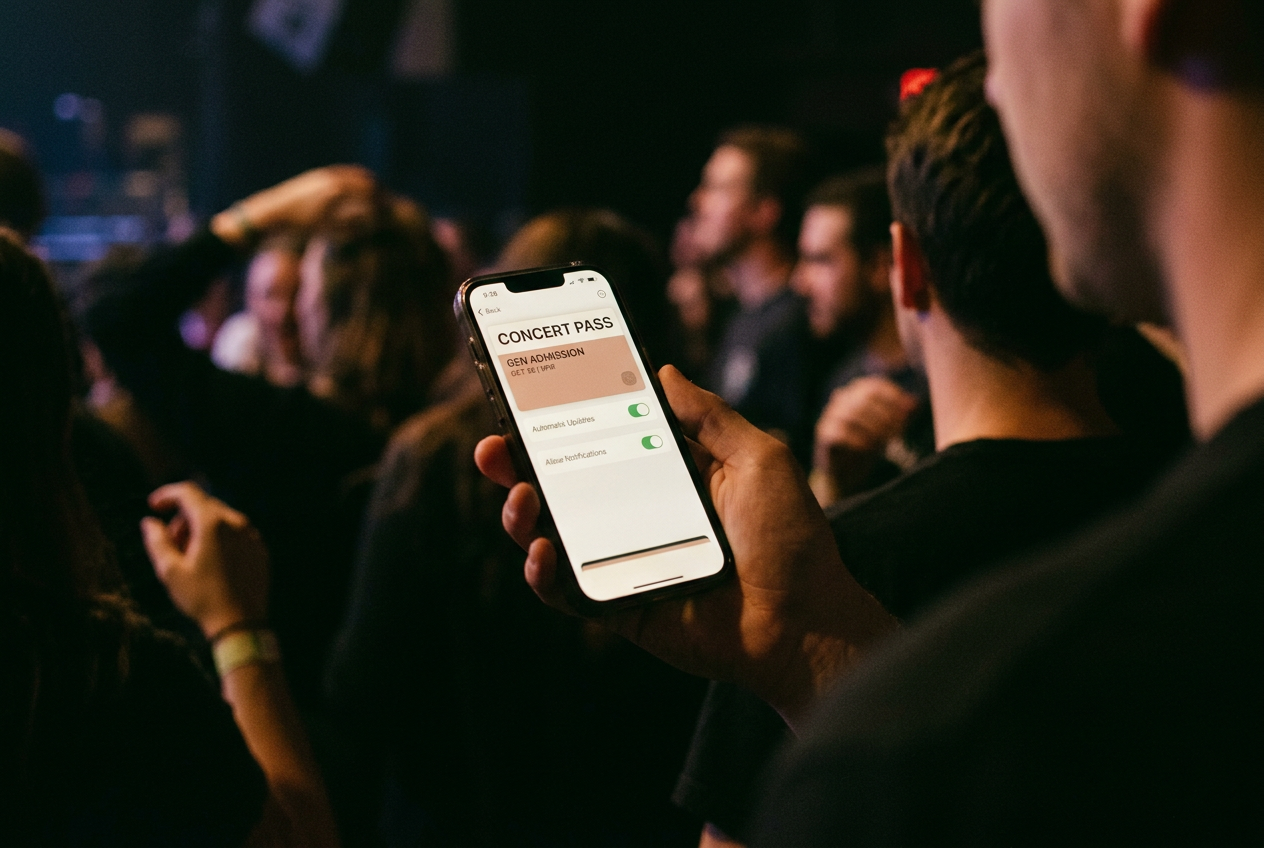
Ticketmaster’s moving barcode blocks copied screenshots by binding entry to a live account. The same machinery can record who presented a ticket, when, where and whether the gate refused it.
Simone Achebe · 7 min read

Power
School purchasing systems can suppress a title through metadata, search filters and approved catalogs. By the time a board sees a challenge, the book may already be functionally gone.
Simone Achebe · 8 min read

Power
TikTok, Meta, YouTube, X and Twitch all document account appeals. Their forms offer uneven evidence tools, vague review promises and almost no independent escalation.
Simone Achebe · 8 min read
Power
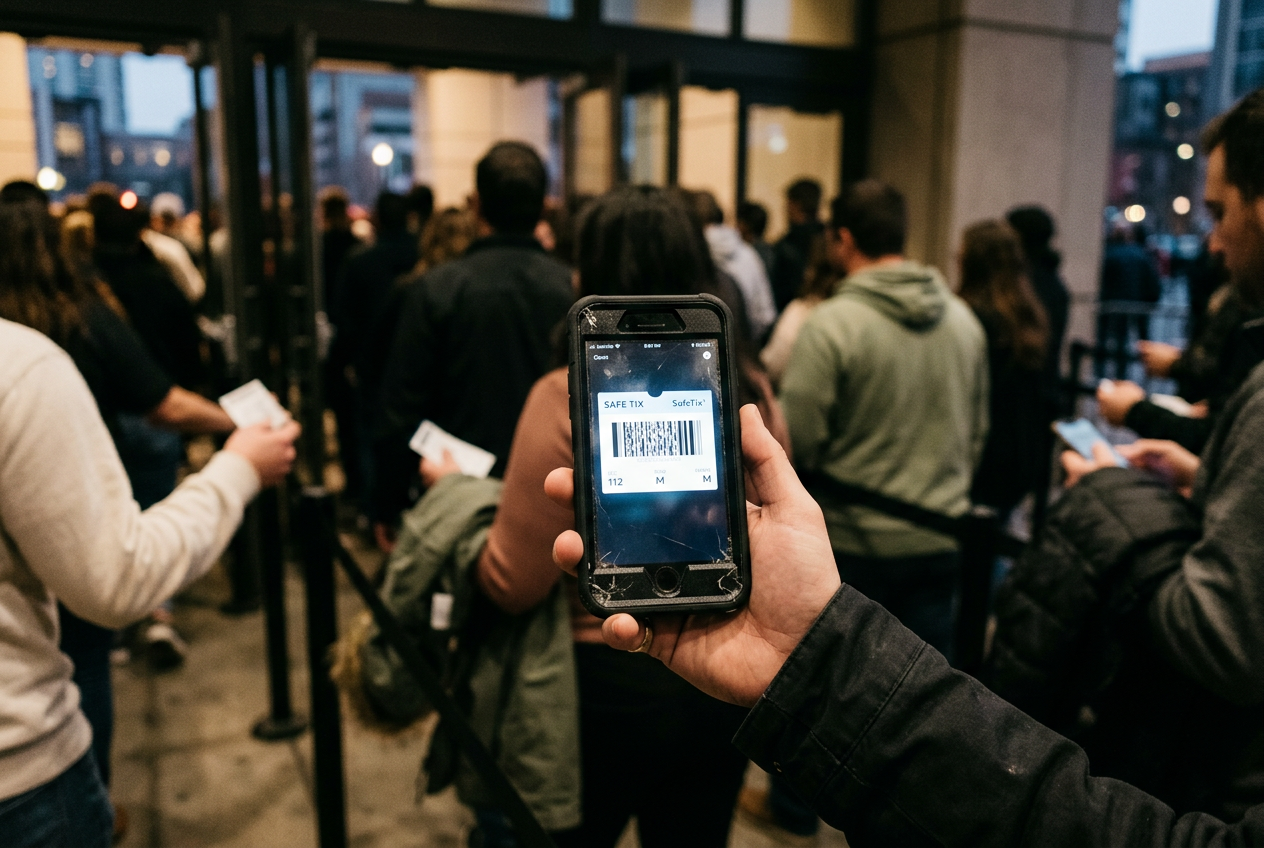
A changing barcode blocks copied tickets. It also lets ticketing companies and event organizers control lending, transfer and resale long after your card clears.
Kurt Halloran · 8 min read

Power
TikTok, X, Instagram, Reddit and YouTube treat access, deletion and data retention as separate systems. The ban closes your door. It does not empty their filing cabinet.
Kurt Halloran · 8 min read

Power
LinkedIn offers a switch for future AI training, not a rewind. Across major platforms, the notice often arrives after collection, and continued use does the work of an Accept button.
Lena Vasquez · 8 min read

Power
New Jersey records portals reduce filing friction, then place your identity, request text and correspondence in one vendor-run account. Email can leave a cleaner trail when the agency permits it.
Lena Vasquez · 8 min read
Power
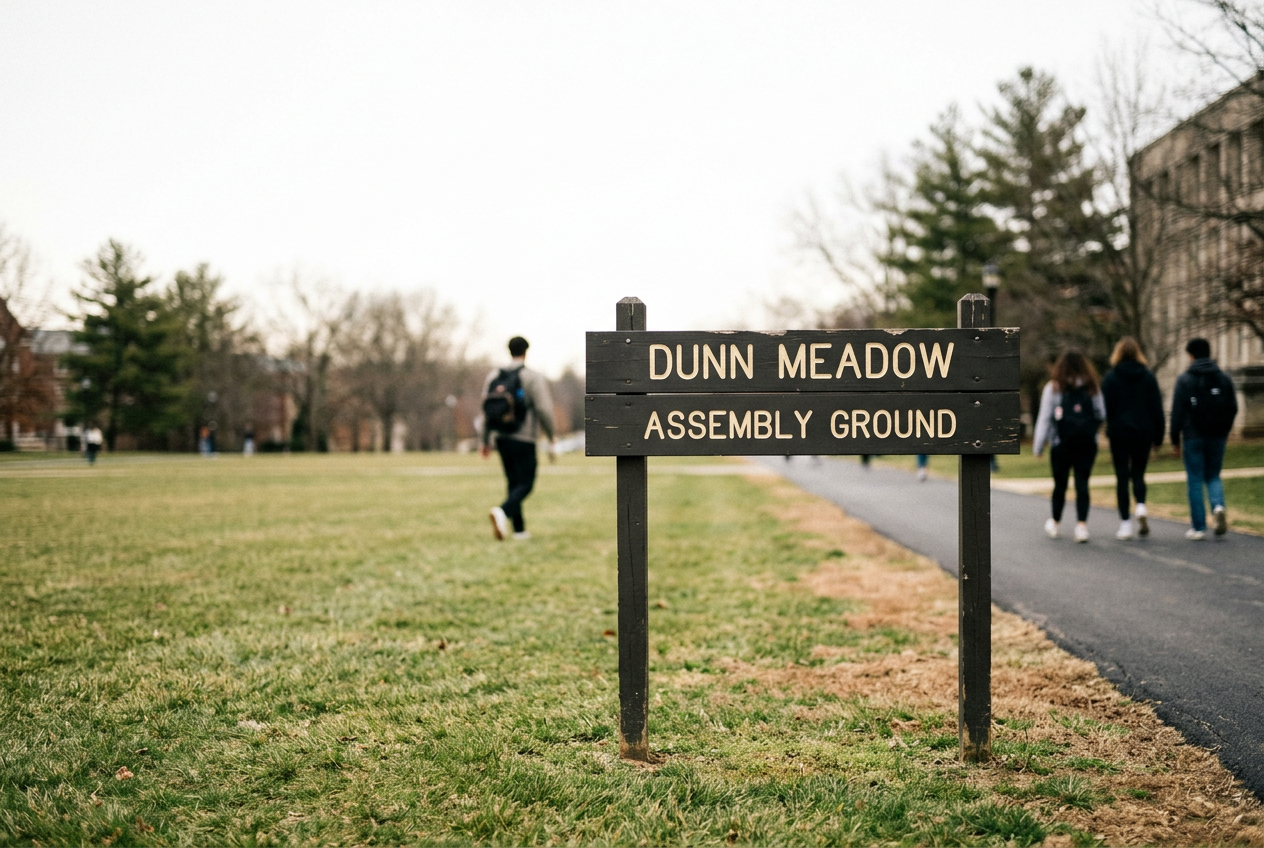
At Indiana University, a lawn long associated with public assembly became the test case for a quieter form of control: keep the speech, regulate its location, timing and audience.
Kurt Halloran · 8 min read

Power
New Jersey agencies operate under one public-records law but route people through different forms, databases and PDFs. The interface can narrow access before a records custodian reads the request.
Lena Vasquez · 8 min read

Power
Instagram, TikTok, YouTube, and X offer appeals on terms they control. Their own documentation shows why a second decision is not the same thing as due process.
Simone Achebe · 7 min read

Power
Booking photos leave government custody, become search-engine bait and return as a removal bill. Paying usually erases one commercial page, not the public record or its copies.
Kurt Halloran · 8 min read

Power
Google, Meta, TikTok and X publish neat government-request totals. Their incompatible categories leave out the leverage that often decides whether a post disappears worldwide or only at home.
Lena Vasquez · 8 min read

Power
Once public video is copied, deleting the stream does not recall it. Investigators can search old footage by faces, clothing, words, places and time.
Lena Vasquez · 8 min read

Power
Platform transparency totals collapse court orders, police notices and agency referrals into deceptively tidy numbers. The labels tell you who contacted the company, not how much legal force they had.
Lena Vasquez · 7 min read

Power
One disputed film clip can redirect a video essay’s revenue, trigger an appeal judged by the claimant and put the channel at risk. The legal merits arrive last.
Kurt Halloran · 8 min read

Power
A conduct rule can keep threats and spam off a city page. Selectively hiding criticism does something else: it lets the government manufacture the appearance of consent.
Kurt Halloran · 7 min read
Power
Instagram, TikTok, YouTube and X all offer routes to appeal moderation decisions. The useful difference is whether they identify the charge, accept evidence and promise that a person will look.
Simone Achebe · 8 min read

Power
Retail facial recognition turns a similarity score into a private ruling at the entrance. Most store policies disclose data collection without explaining how a mistaken flag gets cleared.
Lena Vasquez · 8 min read

Power
Meta, TikTok, YouTube and X invite users to appeal, then withhold the record needed to argue. The result is due process compressed into a text box.
Simone Achebe · 7 min read

Power
Municipalities can preserve posts, comments and direct messages while leaving residents with no usable archive. New Jersey’s records system rewards custody, not retrieval.
Simone Achebe · 8 min read

Power
Age and location rules can make platforms demand stronger proof from everyone. They cannot guarantee less access, especially when a free VPN can move a device across a border in seconds.
Kurt Halloran · 8 min read

Power
New Jersey colleges regulate protest through geography first: where sound carries, where tents touch grass and which doors require an ID. Discipline comes later.
Kurt Halloran · 7 min read

Power
TikTok, Meta, X and Google all describe ways to retrieve account data. Their appeal systems can still move slower than deletion, leaving your posts and business records exposed.
Lena Vasquez · 8 min read
Power
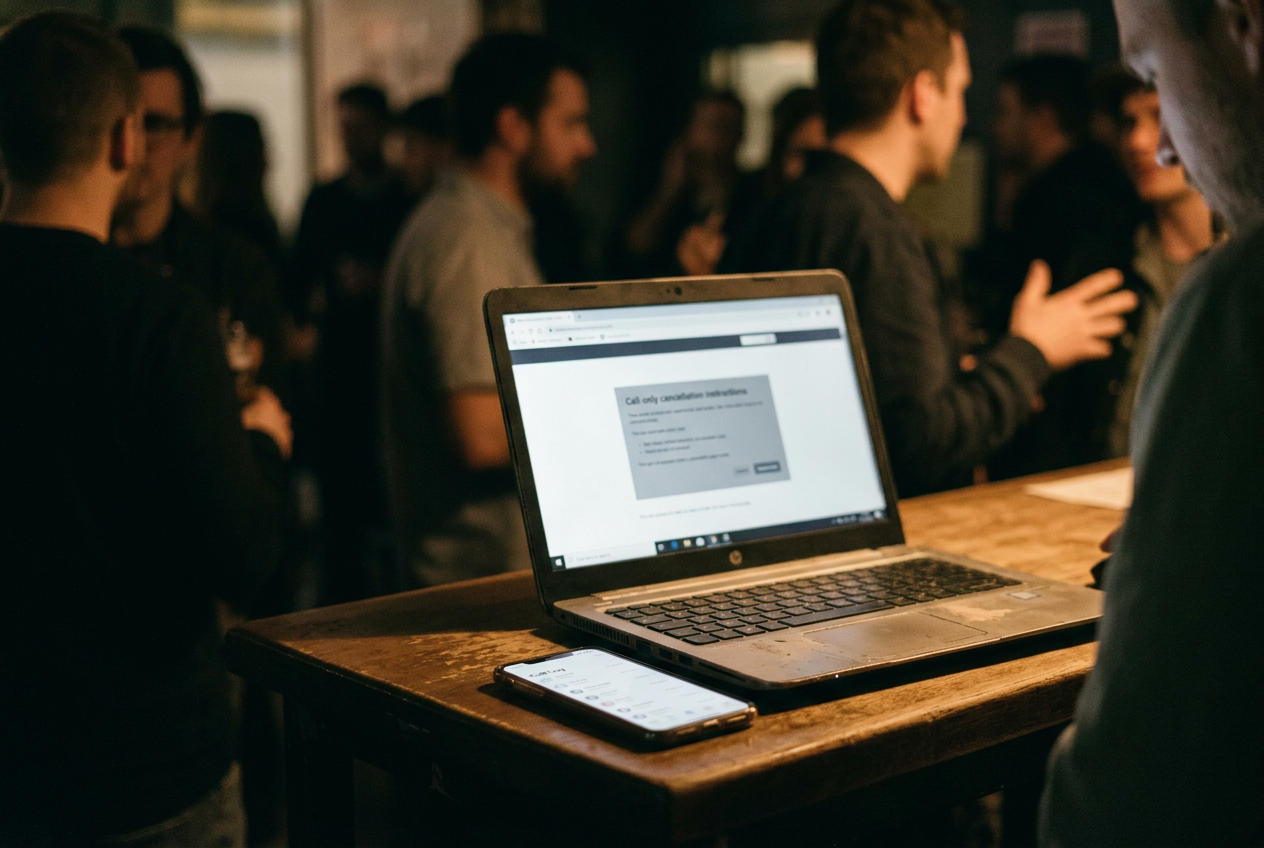
The FTC’s national click-to-cancel rule is gone, but federal and state laws still limit subscription traps. Here is how to test the path without mistaking inconvenience for illegality.
Lena Vasquez · 8 min read
Power
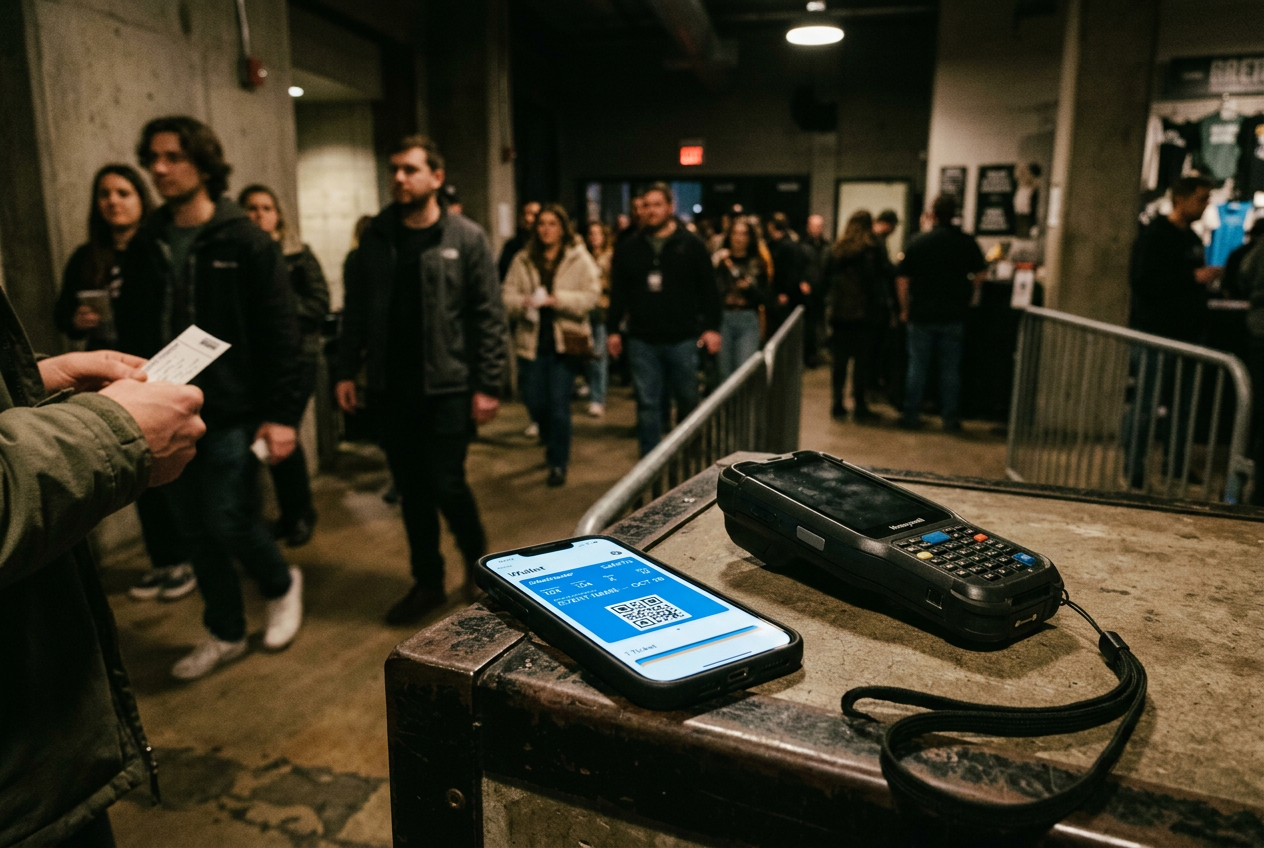
A mobile-only ticket ties the right to enter a venue to an account, a device and a trail of updates. Fraud prevention explains part of that system. It does not explain all the data it can produce.
Lena Vasquez · 8 min read

Power
YouTube, Meta and TikTok publish real enforcement numbers inside categories they control. The trick is knowing what each report leaves outside the denominator.
Kurt Halloran · 7 min read

Power
A retention policy controls the police copy, not every copy made while it was public. Getting an arrest image out of search means following it through each publisher and index.
Lena Vasquez · 7 min read
Power
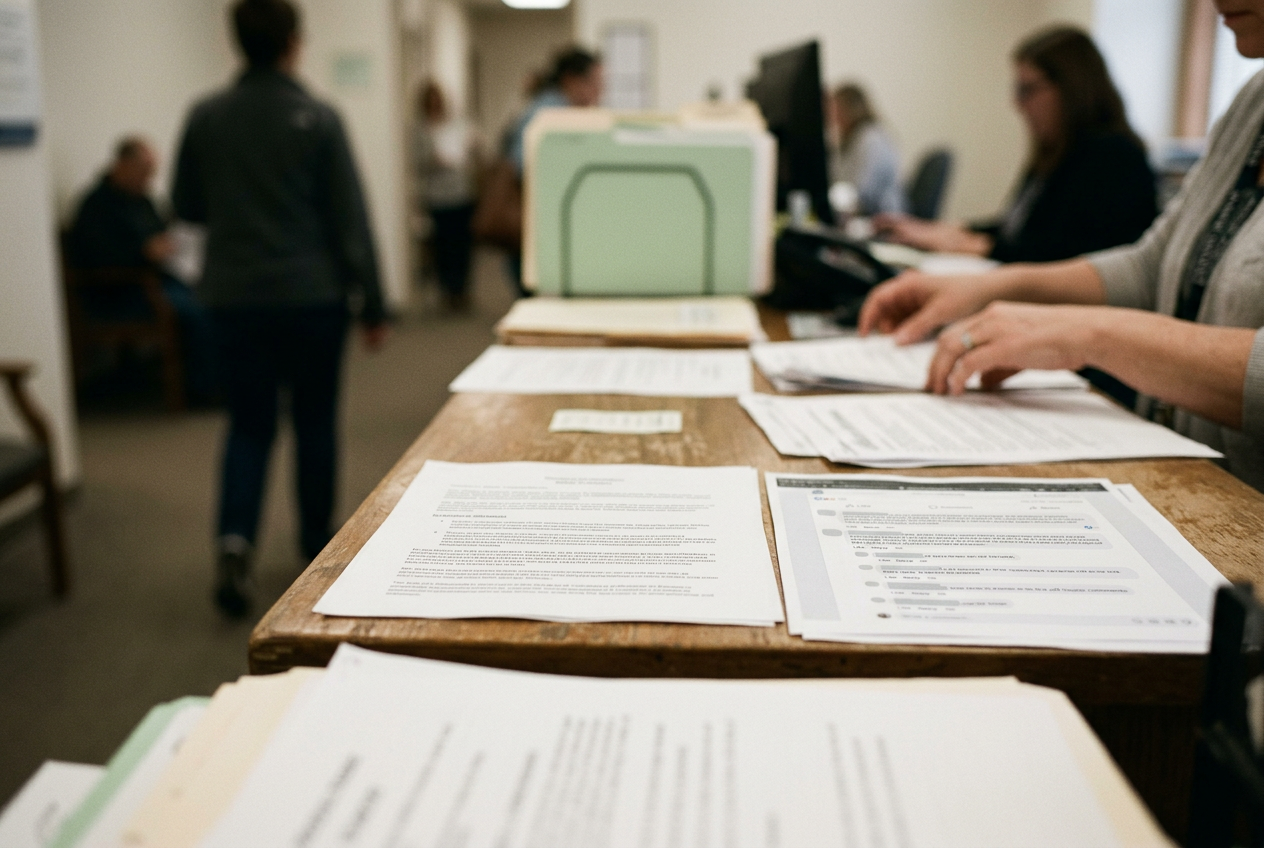
Municipal comment policies promise orderly Facebook pages. Their real test is whether officials apply the rules to praise and criticism with the same enthusiasm.
Kurt Halloran · 8 min read
Feeds
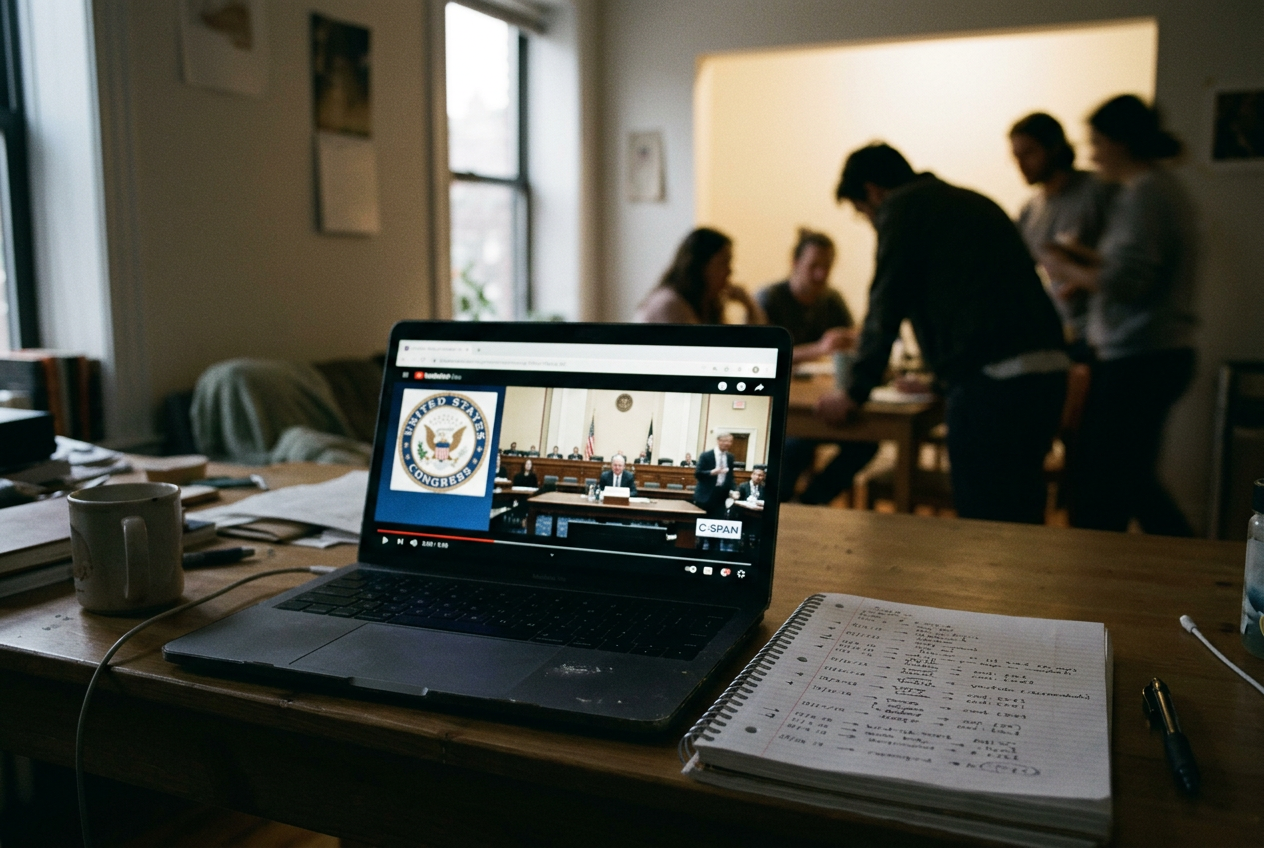
YouTube can turn a few controlled watches into an ideological profile. Clean accounts and matched histories reveal what the platform adds to the politics you supplied.
Reuben Adeyemi · 8 min read