Feeds
Shared block lists protect fandom users at platform speed. They also turn a volunteer maintainer’s judgment into moderation infrastructure, often without evidence, review or appeal.
Cass Ito · 8 min read
Power
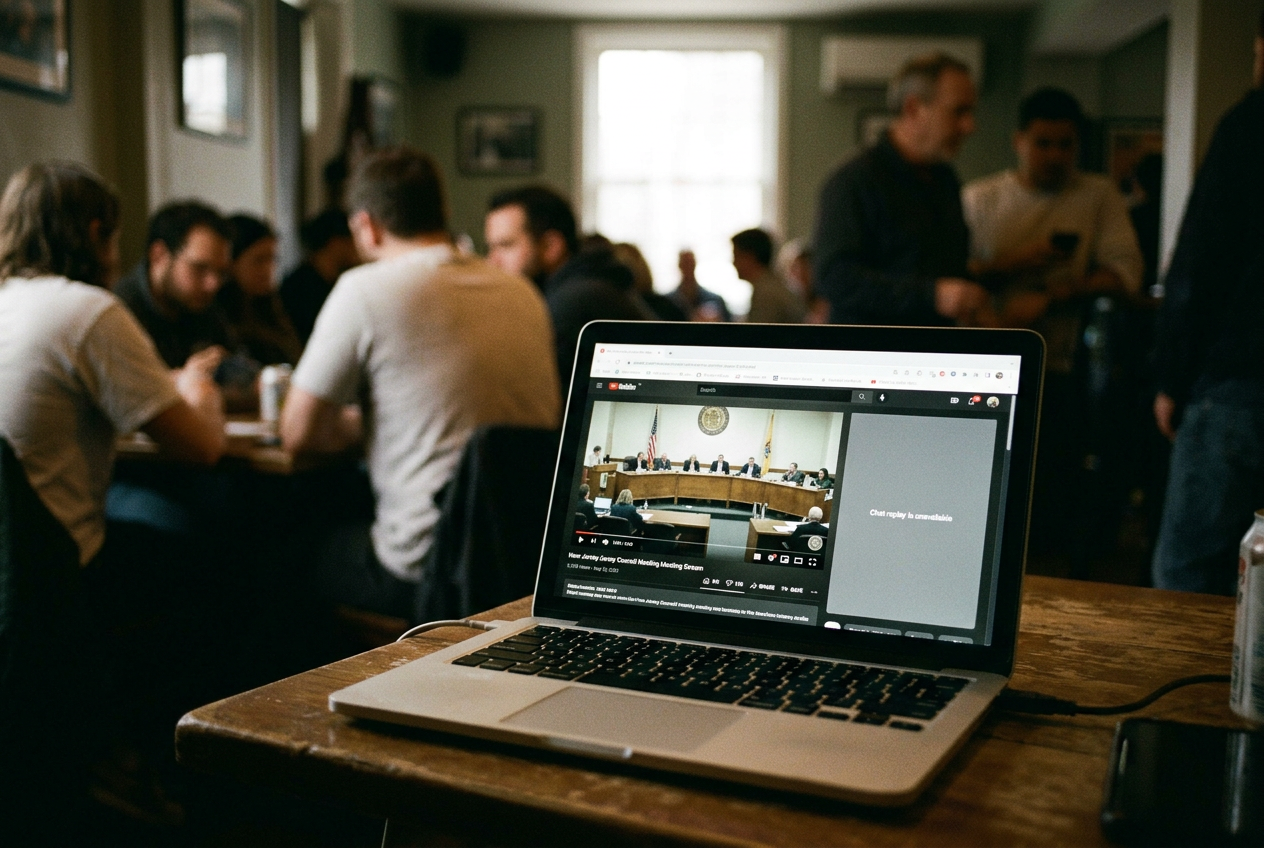
New Jersey towns archive meeting video while leaving livestream comments inside Facebook, YouTube, or Zoom. The result is a public record with the public edited out.
Simone Achebe · 8 min read

Feeds
Instagram makes pinned, highlighted, and ranked comments look more alike than they are. That ambiguity lets one reply recaption a viral post.
Reuben Adeyemi · 7 min read

Power
Apple does not need to erase a news app everywhere. It can remove the listing for one national storefront, turning government pressure into an account setting that travels with you.
Lena Vasquez · 8 min read

Scene
Promoters hide addresses to protect underground rooms from harassment and police attention. The same system quietly gives a few accounts control over who gets through the door.
Frankie Doyle · 8 min read

Power
Italy’s Piracy Shield briefly caught a Google Drive domain. The mistake exposes the bargain inside dynamic blocking: rights holders nominate targets, providers execute, and lawful publishers inherit the appeal.
Kurt Halloran · 8 min read

Power
State laws are built to identify a deceptive election message and its publisher. Feeds turn that message into unlabeled reposts, reaction clips and memes with no stable publisher left to sue.
Lena Vasquez · 8 min read
Power
Meta, TikTok and YouTube all publish moderation totals. Their definitions of removals, appeals and automation describe different systems, leaving the most useful error rates out of view.
Lena Vasquez · 8 min read

Feeds
Creator filters do more than remove abuse. They can quietly hold criticism while leaving the person who wrote it staring at a normal-looking comment.
Cass Ito · 8 min read

Feeds
YouTube asks creators to flag realistic synthetic media, then keeps the standard disclosure away from the surfaces where most viewing decisions happen.
Priya Nandakumar · 7 min read

Power
School purchasing systems can suppress a title through metadata, search filters and approved catalogs. By the time a board sees a challenge, the book may already be functionally gone.
Simone Achebe · 8 min read
Feeds
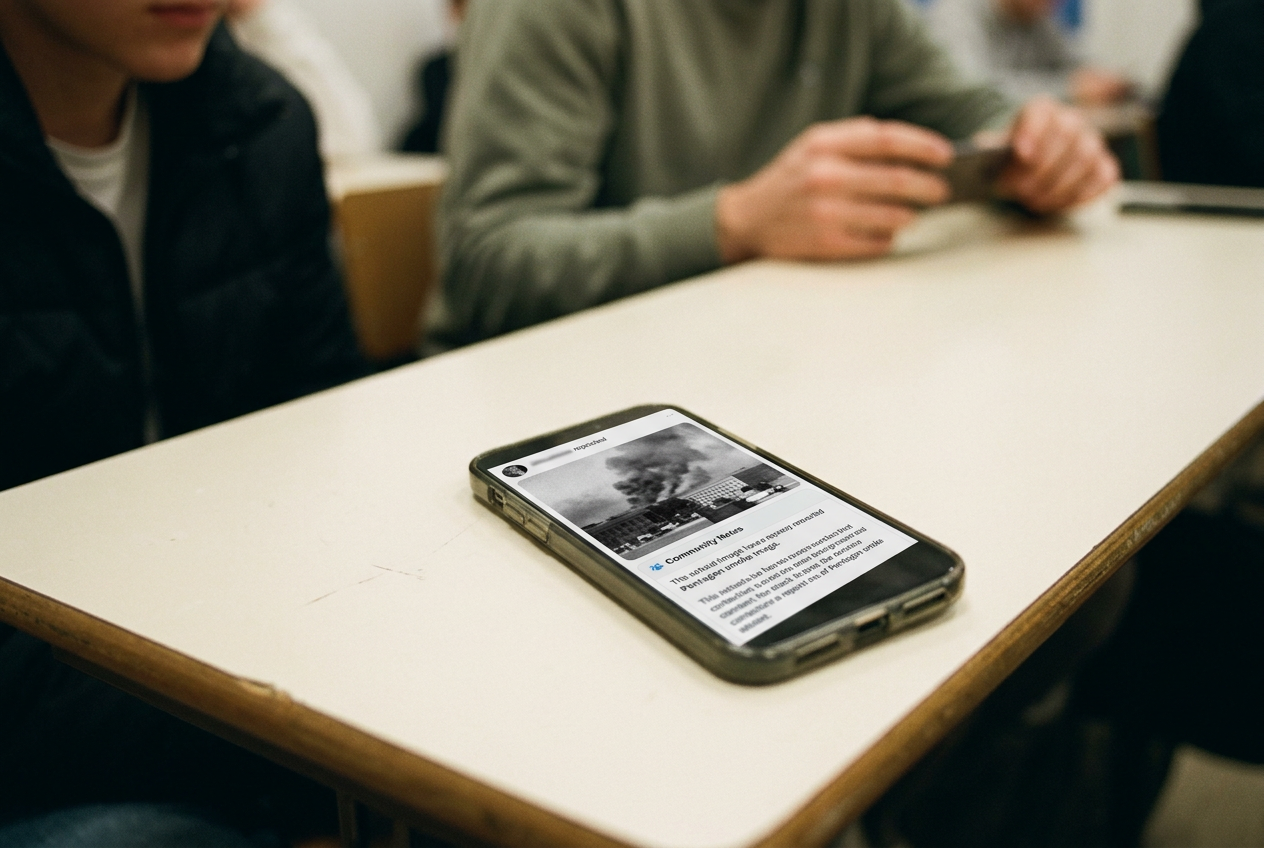
Community Notes can reach consensus and still lose the correction race. The fake Pentagon explosion showed how timing, ranking and copied posts split a claim from its fact-check.
Reuben Adeyemi · 8 min read

Power
TikTok, Meta, YouTube, X and Twitch all document account appeals. Their forms offer uneven evidence tools, vague review promises and almost no independent escalation.
Simone Achebe · 8 min read
Power
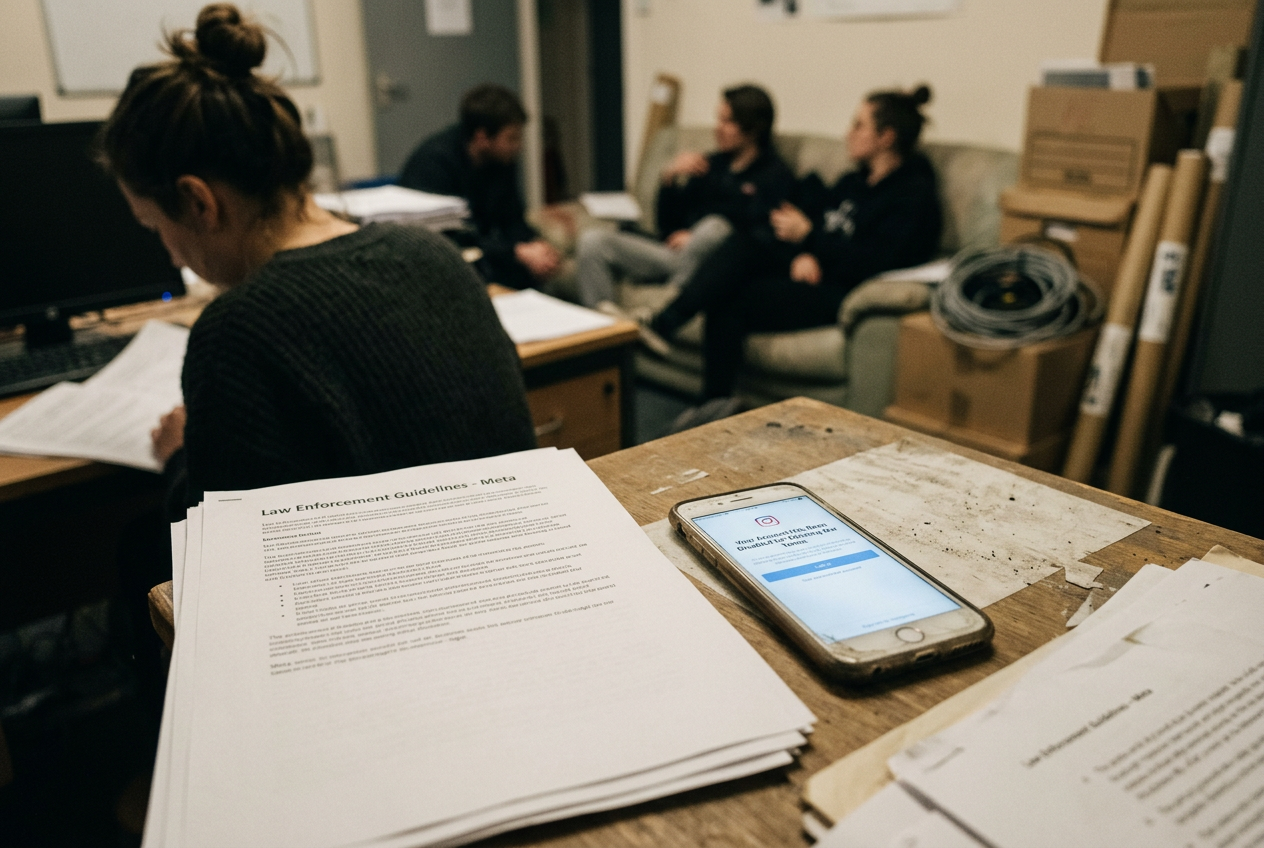
Instagram can remove an account from public view while preserving its records for legal requests. The disabled-account notice tells you almost nothing about where the data remains.
Lena Vasquez · 8 min read

Power
TikTok, X, Instagram, Reddit and YouTube treat access, deletion and data retention as separate systems. The ban closes your door. It does not empty their filing cabinet.
Kurt Halloran · 8 min read

Money
Community jobs bundle moderation, member support, event production and crisis response into one vague role. The title stays casual because the business benefits from casual labor.
Theo Marchetti · 7 min read
Power
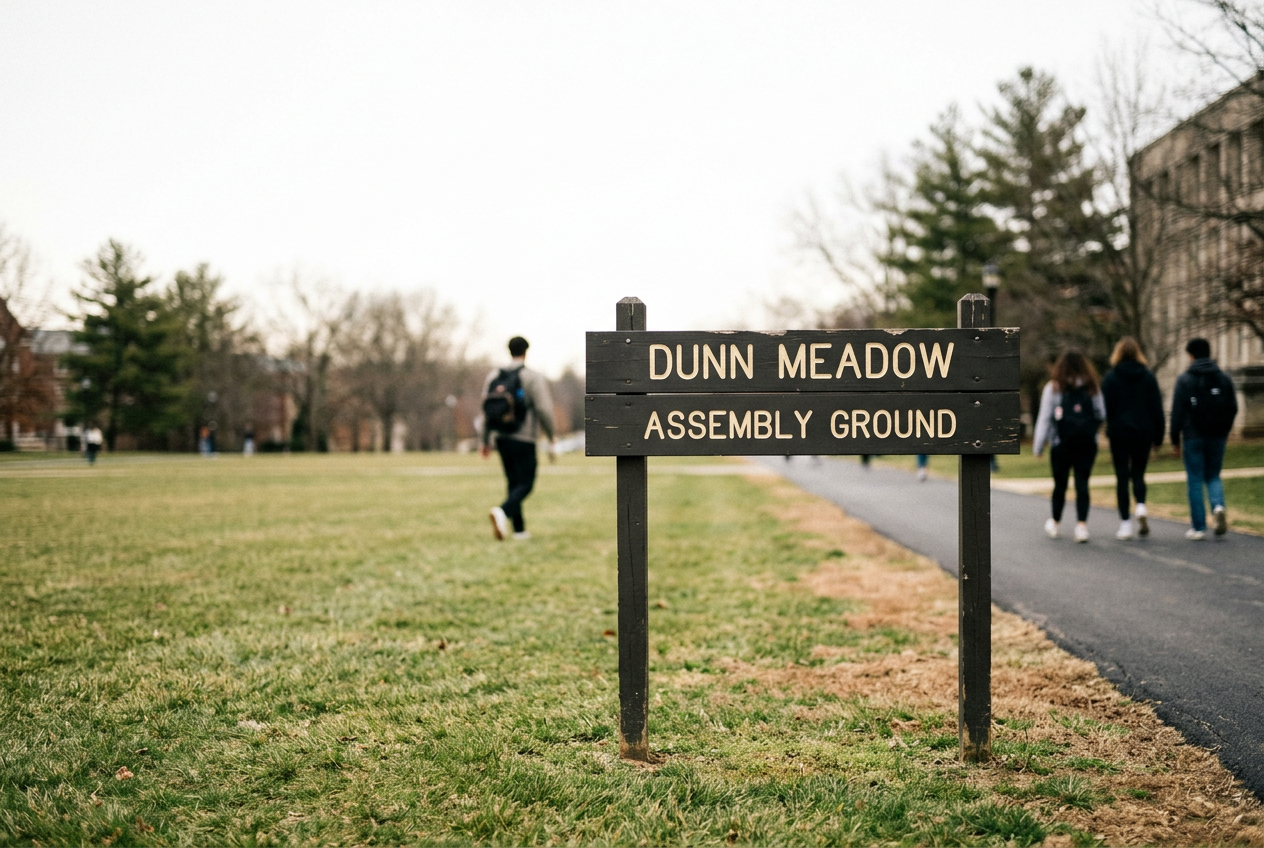
At Indiana University, a lawn long associated with public assembly became the test case for a quieter form of control: keep the speech, regulate its location, timing and audience.
Kurt Halloran · 8 min read

Power
Marketplace moderation can stop new sales while payment controls hold money from completed orders. For sellers living bill to bill, an appeal is also an involuntary loan to the platform.
Simone Achebe · 7 min read

Feeds
YouTube can identify realistic synthetic media on its own watch page. Move the same footage into an embed, excerpt, or repost, and that context becomes much easier to lose.
Priya Nandakumar · 7 min read

Power
Instagram, TikTok, YouTube, and X offer appeals on terms they control. Their own documentation shows why a second decision is not the same thing as due process.
Simone Achebe · 7 min read

Power
Google, Meta, TikTok and X publish neat government-request totals. Their incompatible categories leave out the leverage that often decides whether a post disappears worldwide or only at home.
Lena Vasquez · 8 min read

Feeds
Storefronts, weather and repost history can test where a viral clip came from. The useful work ends before a stranger’s home address begins.
Reuben Adeyemi · 8 min read

Feeds
Blocking is an account-level permission, not a disappearance spell. Here is what major platforms remove, what survives and how to close the routes they leave behind.
Priya Nandakumar · 8 min read

Power
Etsy, YouTube and TikTok let suspended users appeal, but their clocks protect the platform first. A reversal cannot restore orders, reach or relevance lost in the queue.
Kurt Halloran · 7 min read

Power
Platform transparency totals collapse court orders, police notices and agency referrals into deceptively tidy numbers. The labels tell you who contacted the company, not how much legal force they had.
Lena Vasquez · 7 min read
Power
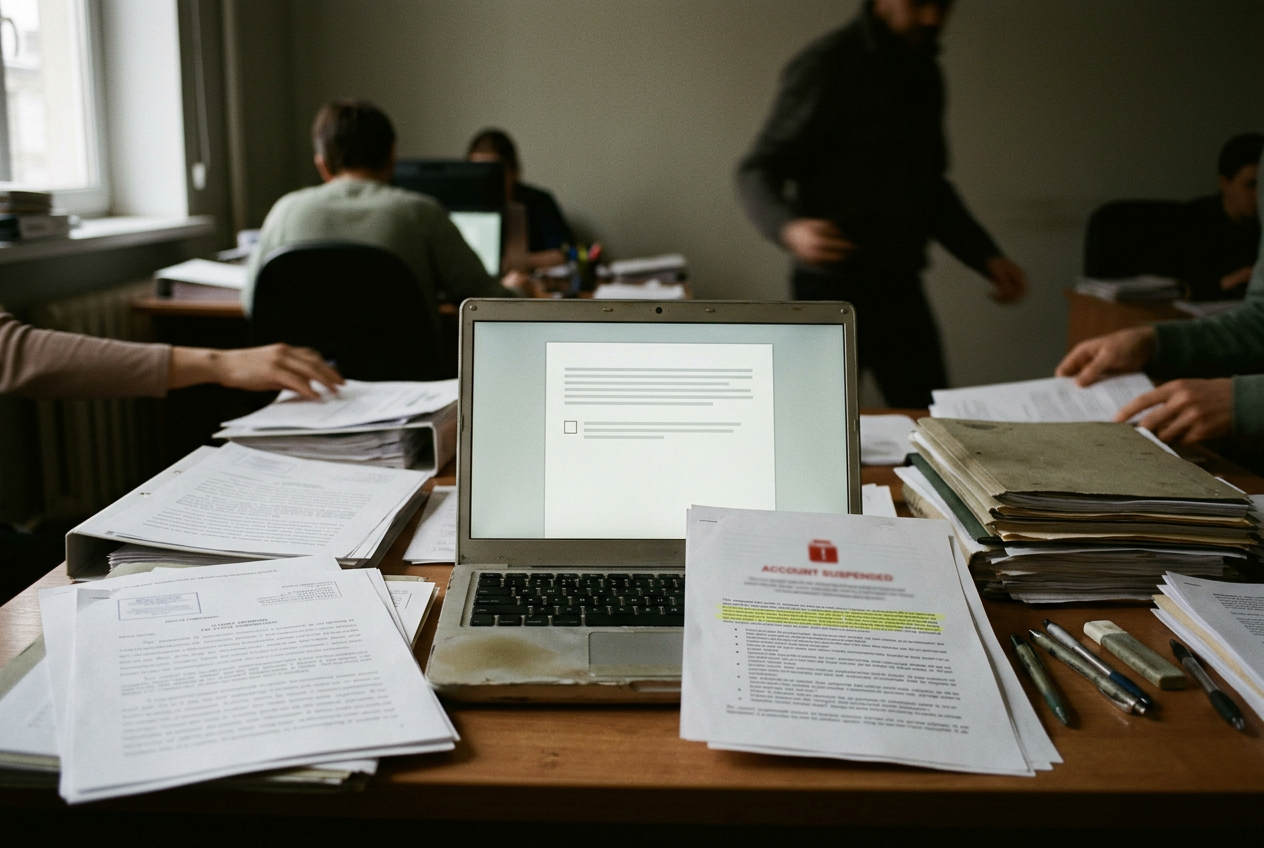
The failed prosecution of Lori Drew shows the route from a platform checkbox to a criminal courtroom, and the limit courts placed on turning private rules into public law.
Lena Vasquez · 8 min read

Power
One disputed film clip can redirect a video essay’s revenue, trigger an appeal judged by the claimant and put the channel at risk. The legal merits arrive last.
Kurt Halloran · 8 min read

Power
A conduct rule can keep threats and spam off a city page. Selectively hiding criticism does something else: it lets the government manufacture the appearance of consent.
Kurt Halloran · 7 min read

Power
Instagram, TikTok, YouTube and X all offer routes to appeal moderation decisions. The useful difference is whether they identify the charge, accept evidence and promise that a person will look.
Simone Achebe · 8 min read

Power
Meta, TikTok, YouTube and X invite users to appeal, then withhold the record needed to argue. The result is due process compressed into a text box.
Simone Achebe · 7 min read

Feeds
TikTok’s viewer filters can reduce a subject without removing it. A controlled test reveals which video signals may trigger the filter and why spelling tricks are only part of the leak.
Reuben Adeyemi · 8 min read
Feeds
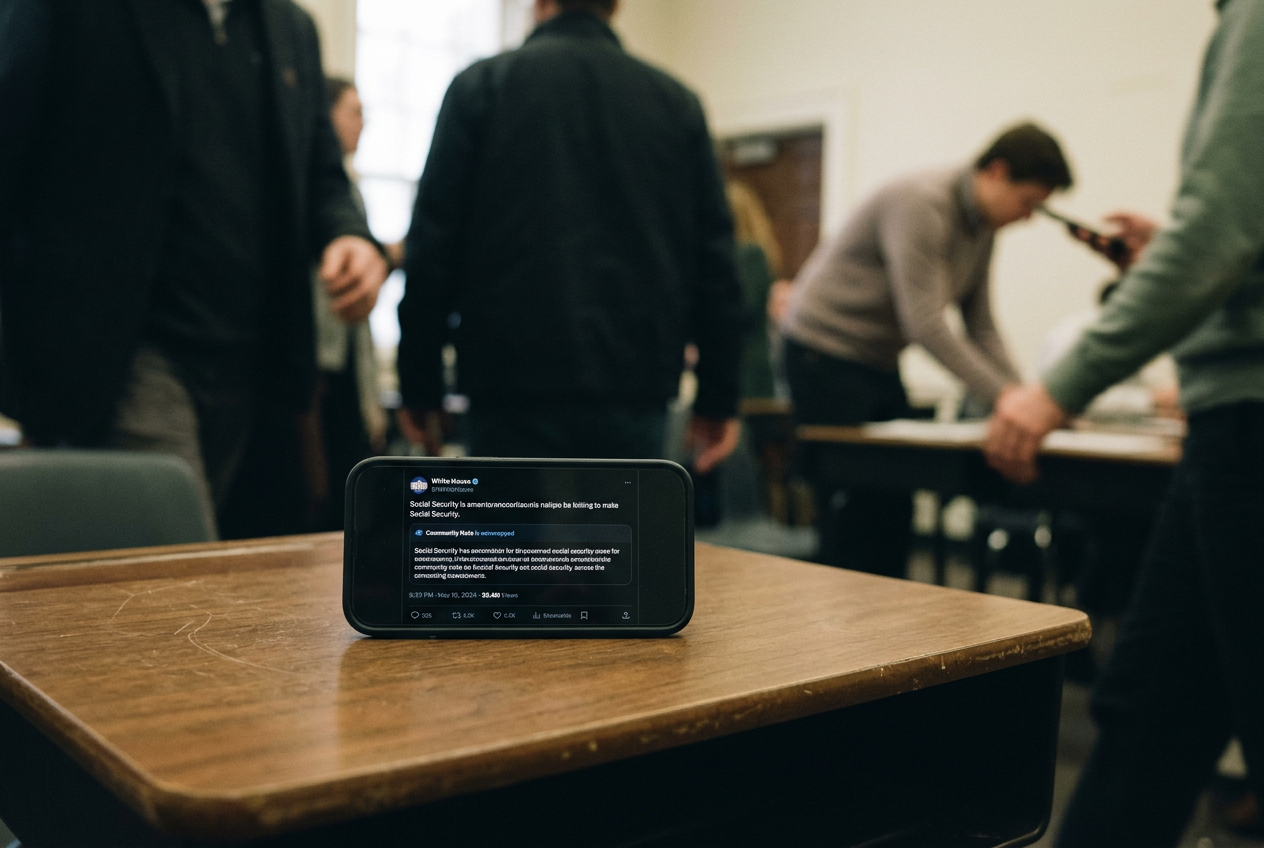
Crowd-sourced context can correct a post without catching its copies. By the time consensus arrives, the feed has often turned one claim into screenshots, clips and reaction videos.
Cass Ito · 8 min read

Feeds
X can append context to a false post. It cannot make that context follow screenshots, copied captions, or the recommendation burst that already delivered the claim.
Priya Nandakumar · 7 min read
Power
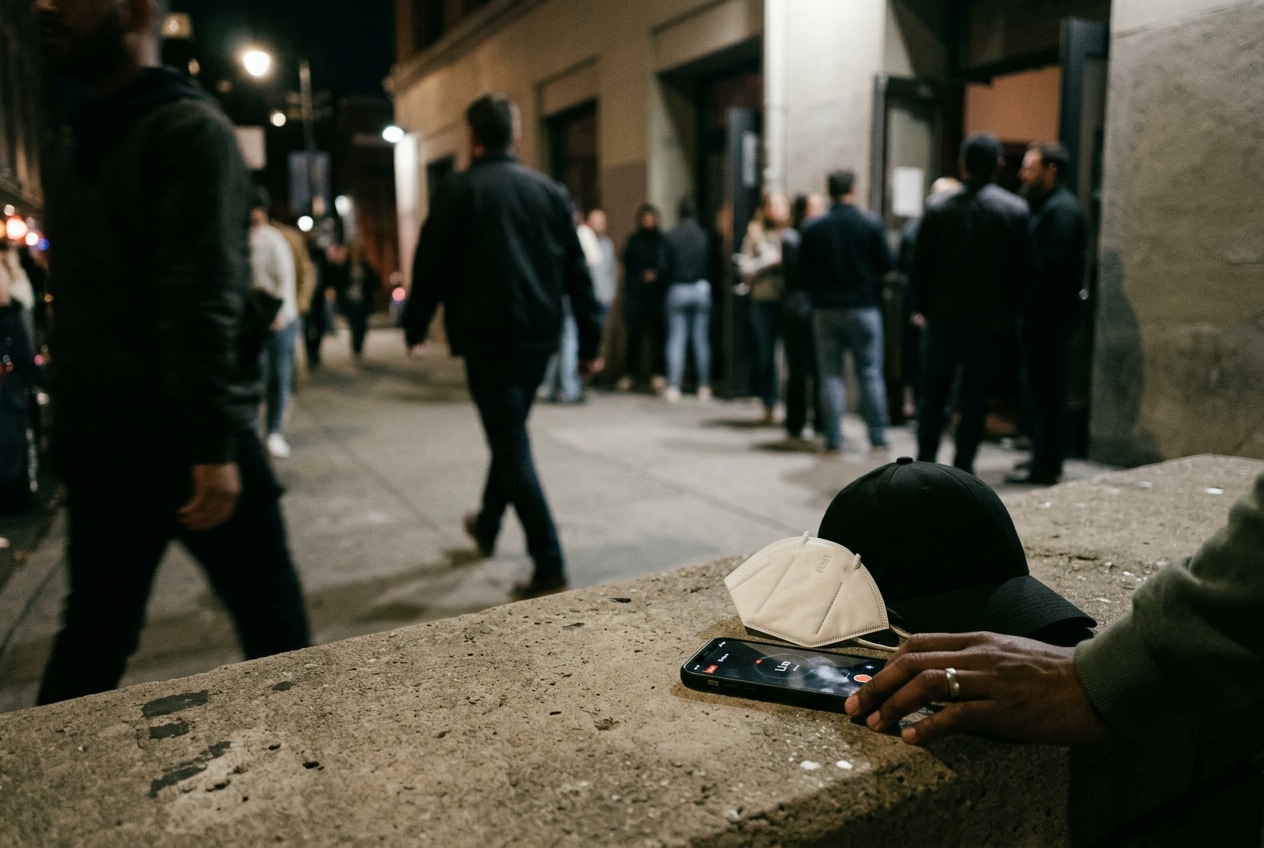
Live video can document misconduct while handing faces, movements and permanent copies to police or harassers. Most platform privacy tools arrive after exposure.
Simone Achebe · 7 min read
Power
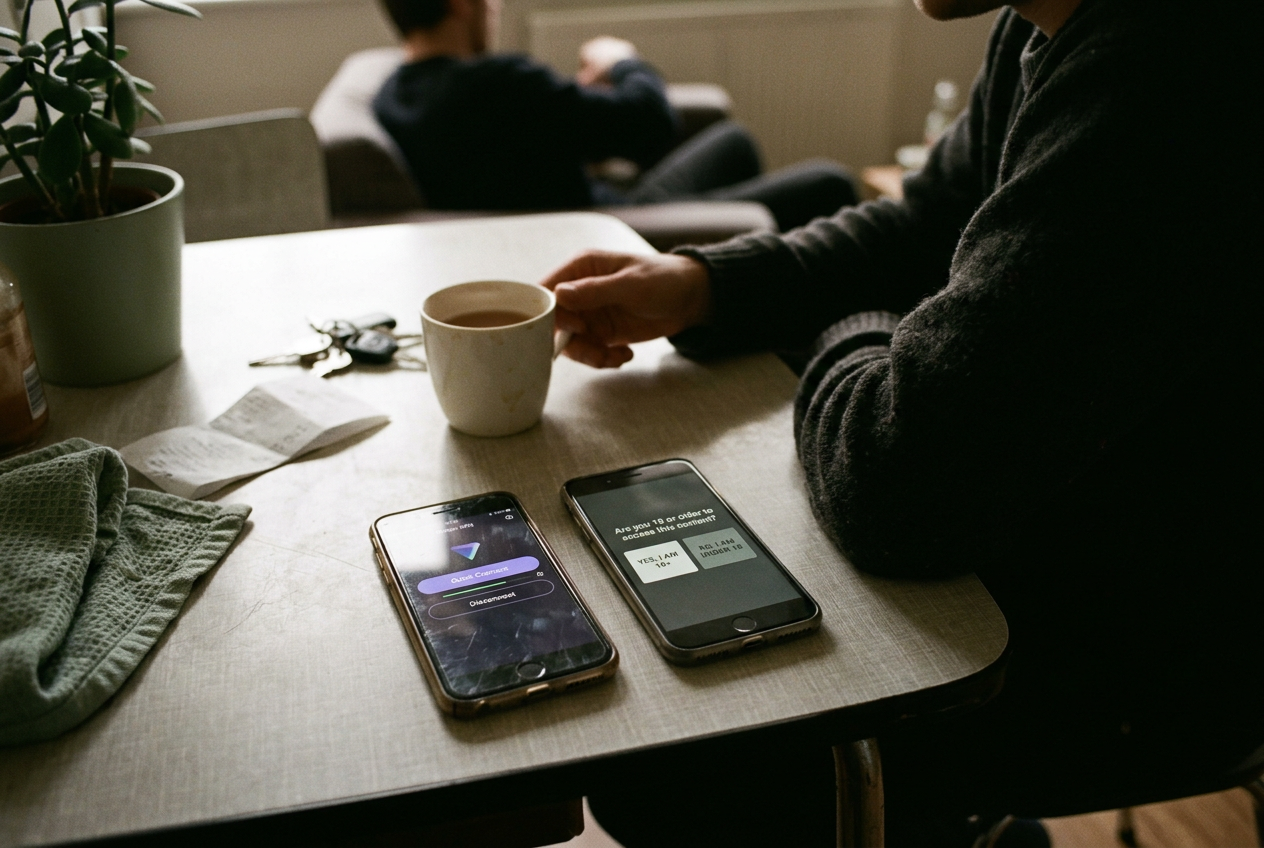
Age and location rules can make platforms demand stronger proof from everyone. They cannot guarantee less access, especially when a free VPN can move a device across a border in seconds.
Kurt Halloran · 8 min read

Power
New Jersey colleges regulate protest through geography first: where sound carries, where tents touch grass and which doors require an ID. Discipline comes later.
Kurt Halloran · 7 min read

Power
TikTok, Meta, X and Google all describe ways to retrieve account data. Their appeal systems can still move slower than deletion, leaving your posts and business records exposed.
Lena Vasquez · 8 min read

Power
YouTube, Meta and TikTok publish real enforcement numbers inside categories they control. The trick is knowing what each report leaves outside the denominator.
Kurt Halloran · 7 min read

Power
Municipal comment policies promise orderly Facebook pages. Their real test is whether officials apply the rules to praise and criticism with the same enthusiasm.
Kurt Halloran · 8 min read