Power
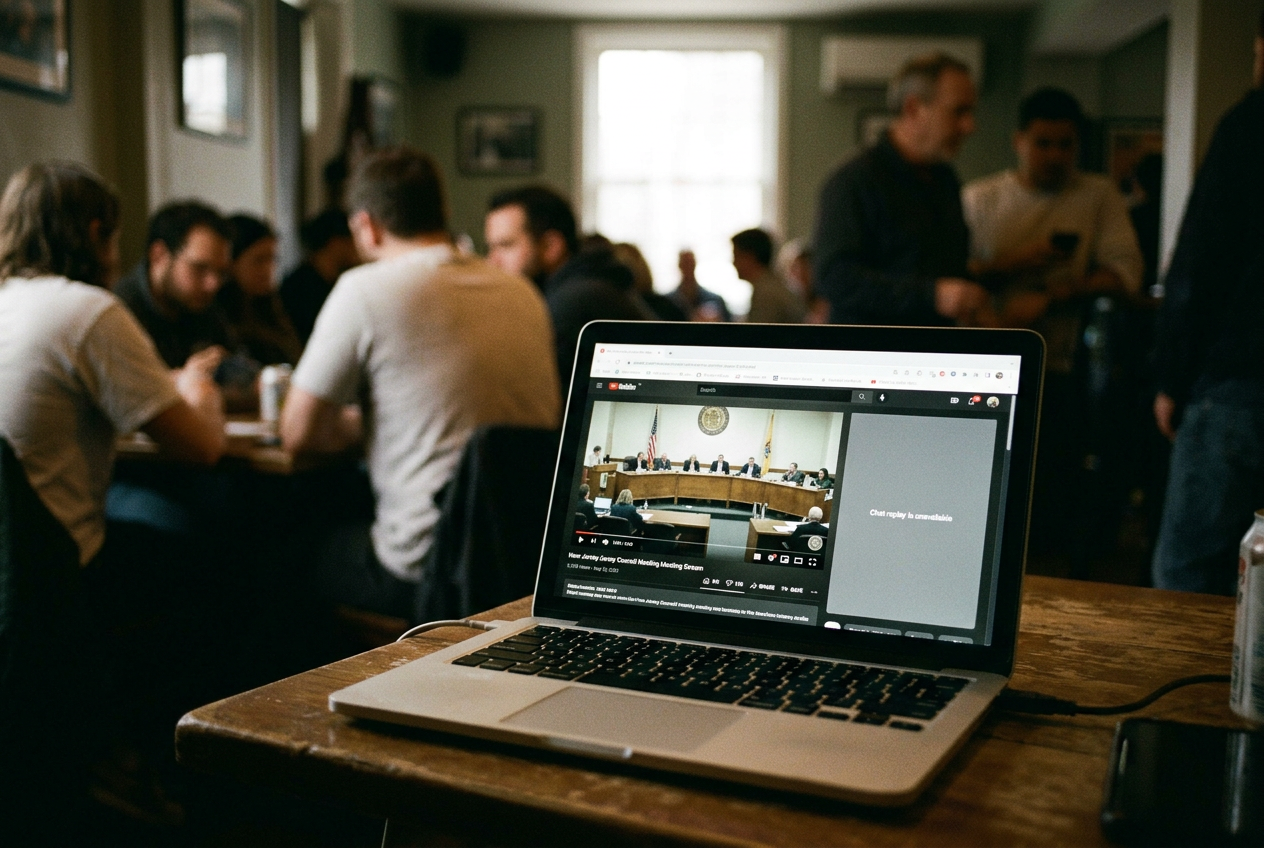
New Jersey towns archive meeting video while leaving livestream comments inside Facebook, YouTube, or Zoom. The result is a public record with the public edited out.
Simone Achebe · 8 min read

Power
LinkedIn lets users stop future AI training, but its own documentation says the switch cannot reverse training already completed. Rejecting the wider contract means closing the account.
Lena Vasquez · 7 min read
Power
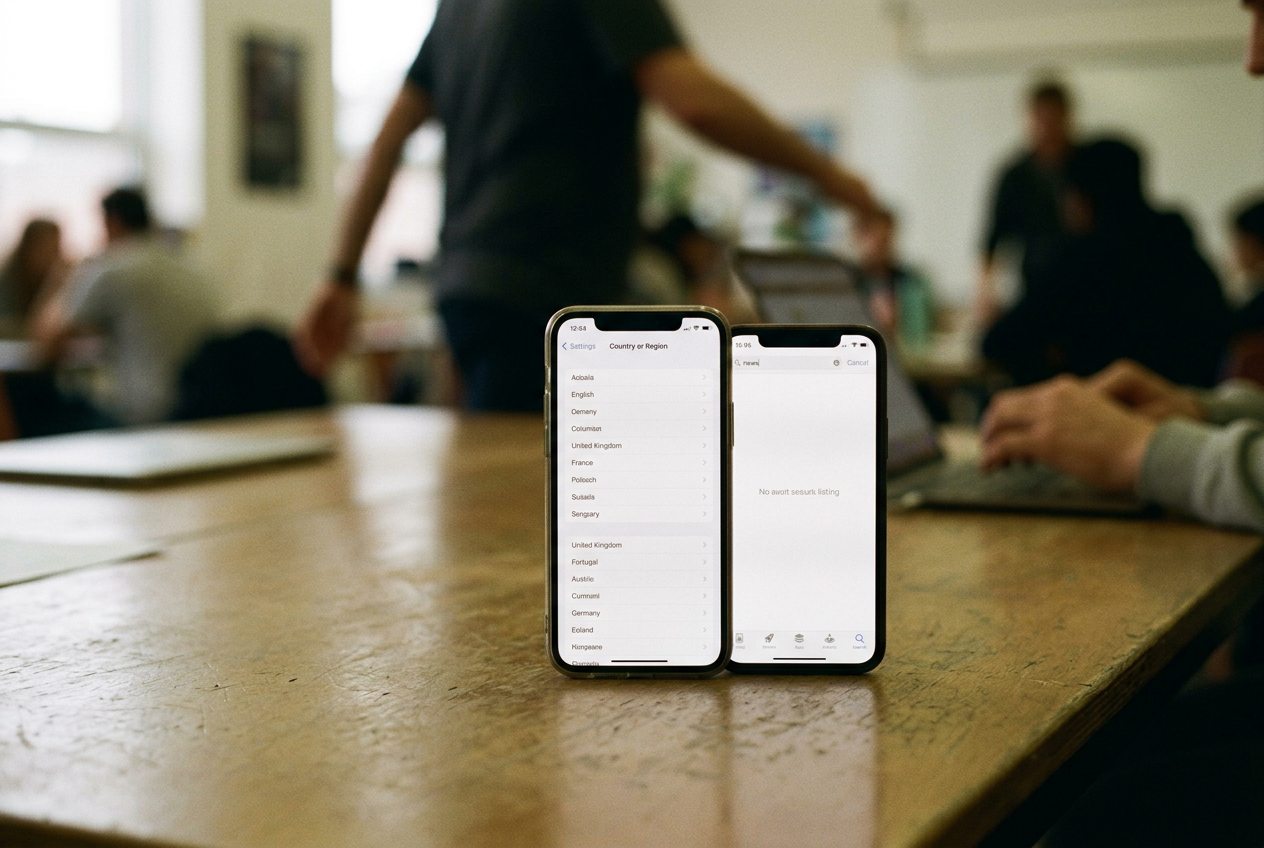
Apple does not need to erase a news app everywhere. It can remove the listing for one national storefront, turning government pressure into an account setting that travels with you.
Lena Vasquez · 8 min read

Power
New Jersey safety apps bundle useful alerts with tracking tools whose permissions do not expire. The emergency ends. The channel into your phone can remain.
Kurt Halloran · 8 min read
Power
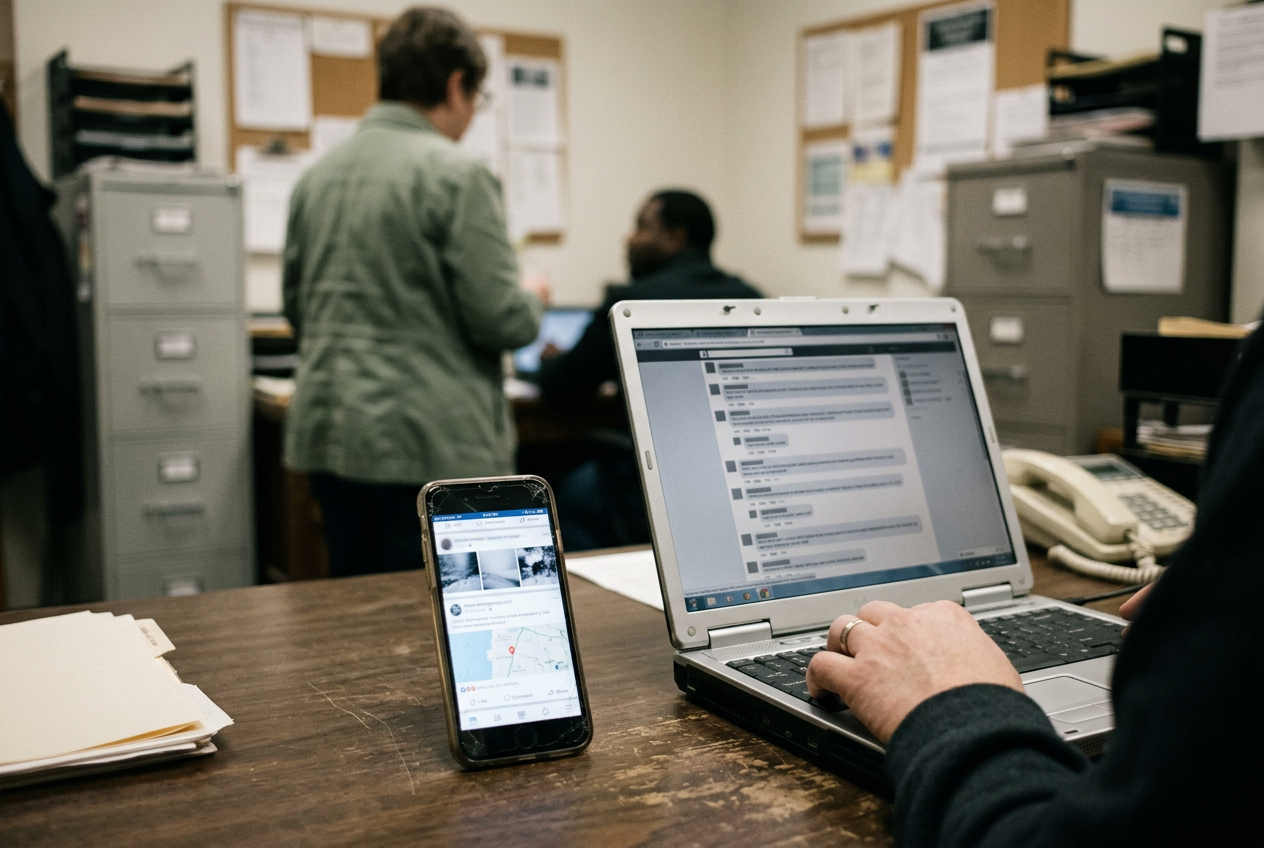
Municipal posts may vanish from Instagram or Facebook while surviving in a vendor’s private archive. The gap between those two interfaces now shapes what New Jersey residents can inspect.
Simone Achebe · 8 min read
Power
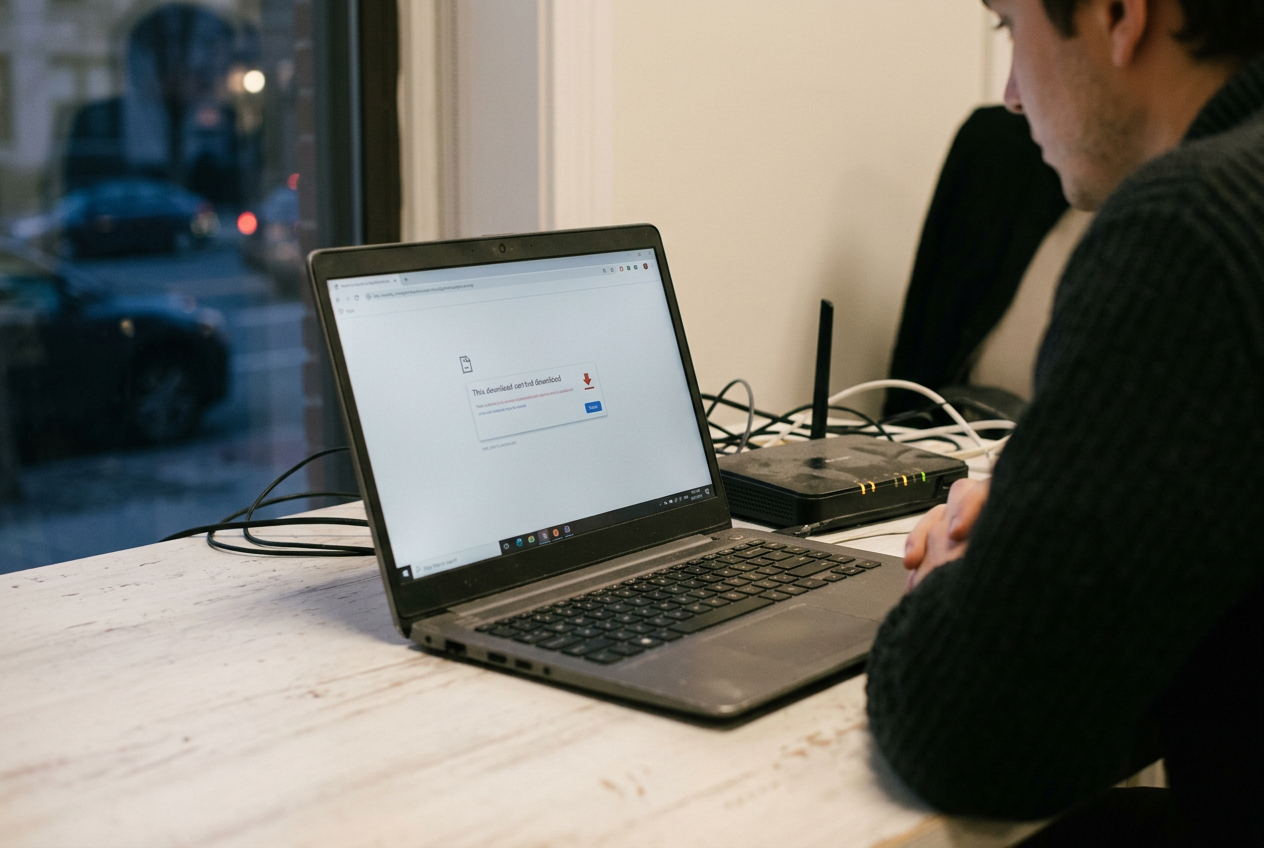
Italy’s Piracy Shield briefly caught a Google Drive domain. The mistake exposes the bargain inside dynamic blocking: rights holders nominate targets, providers execute, and lawful publishers inherit the appeal.
Kurt Halloran · 8 min read

Power
State laws are built to identify a deceptive election message and its publisher. Feeds turn that message into unlabeled reposts, reaction clips and memes with no stable publisher left to sue.
Lena Vasquez · 8 min read
Power
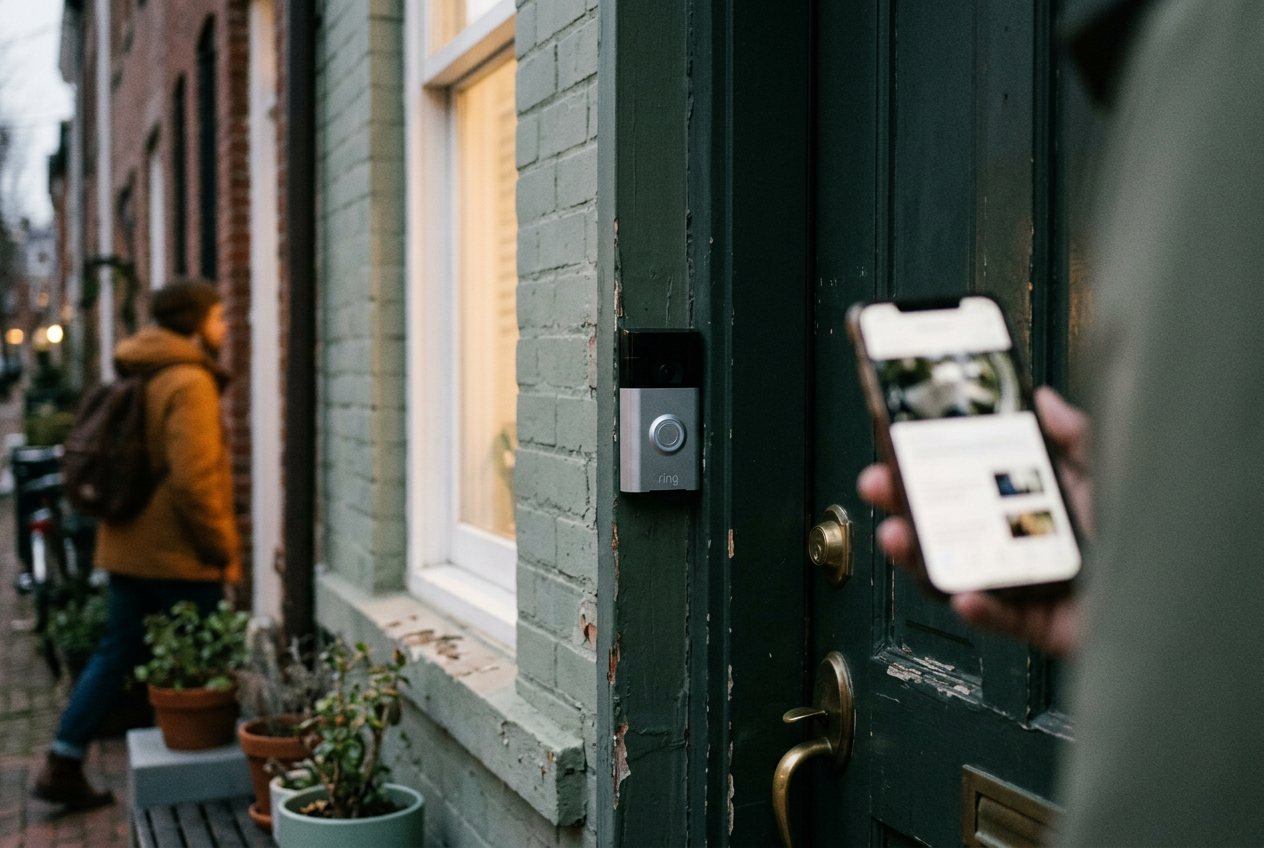
The Request for Assistance button is gone. Police can still obtain Ring footage from willing owners, public posts, warrants and narrowly defined emergency disclosures.
Lena Vasquez · 8 min read
Power
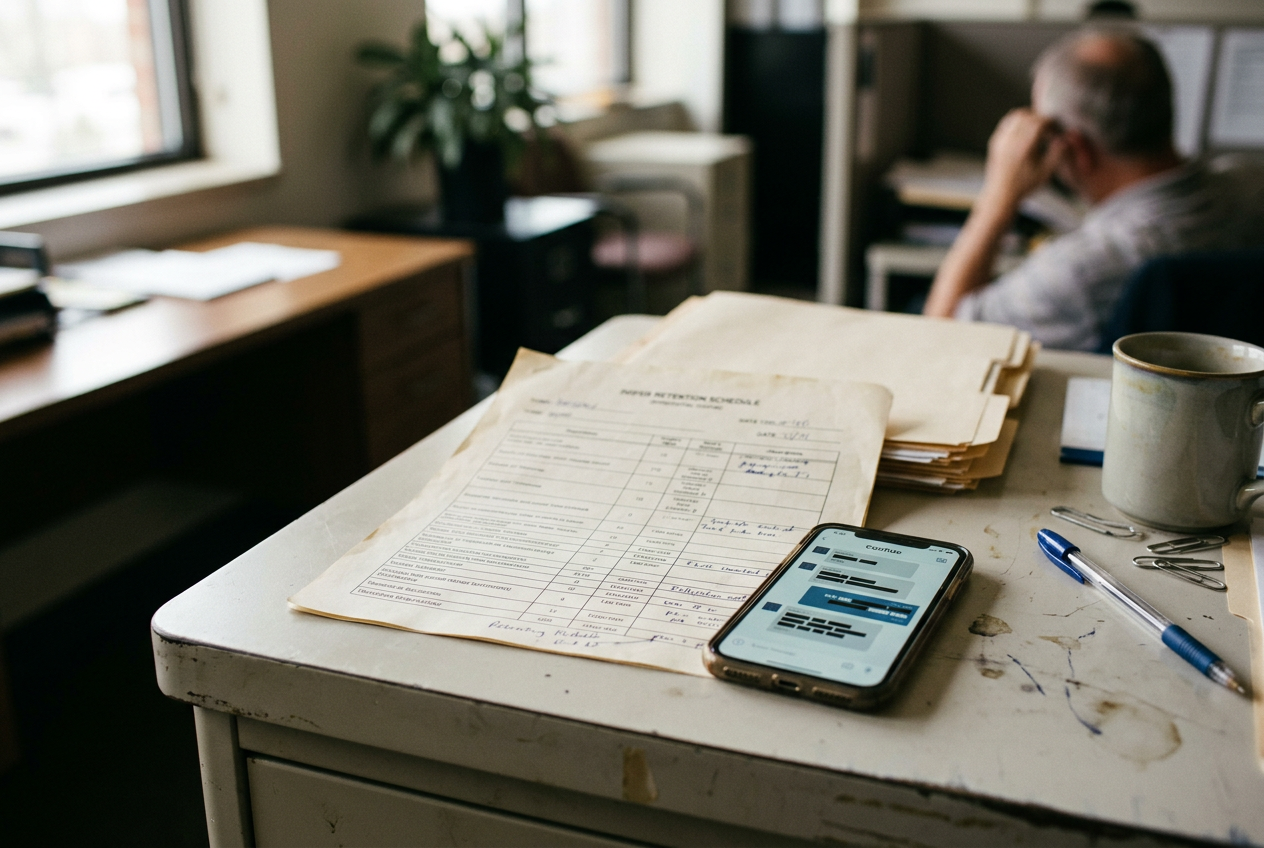
Missouri officials’ use of Confide exposed the real gap in public-records law: a government message can disappear long before anyone knows to request it.
Lena Vasquez · 9 min read

Power
Meta, TikTok and YouTube all publish moderation totals. Their definitions of removals, appeals and automation describe different systems, leaving the most useful error rates out of view.
Lena Vasquez · 8 min read

Power
Public trackers turn campus demonstrations into structured records of places, groups and arrests. The danger begins when those records leave the map and meet other datasets.
Simone Achebe · 8 min read

Power
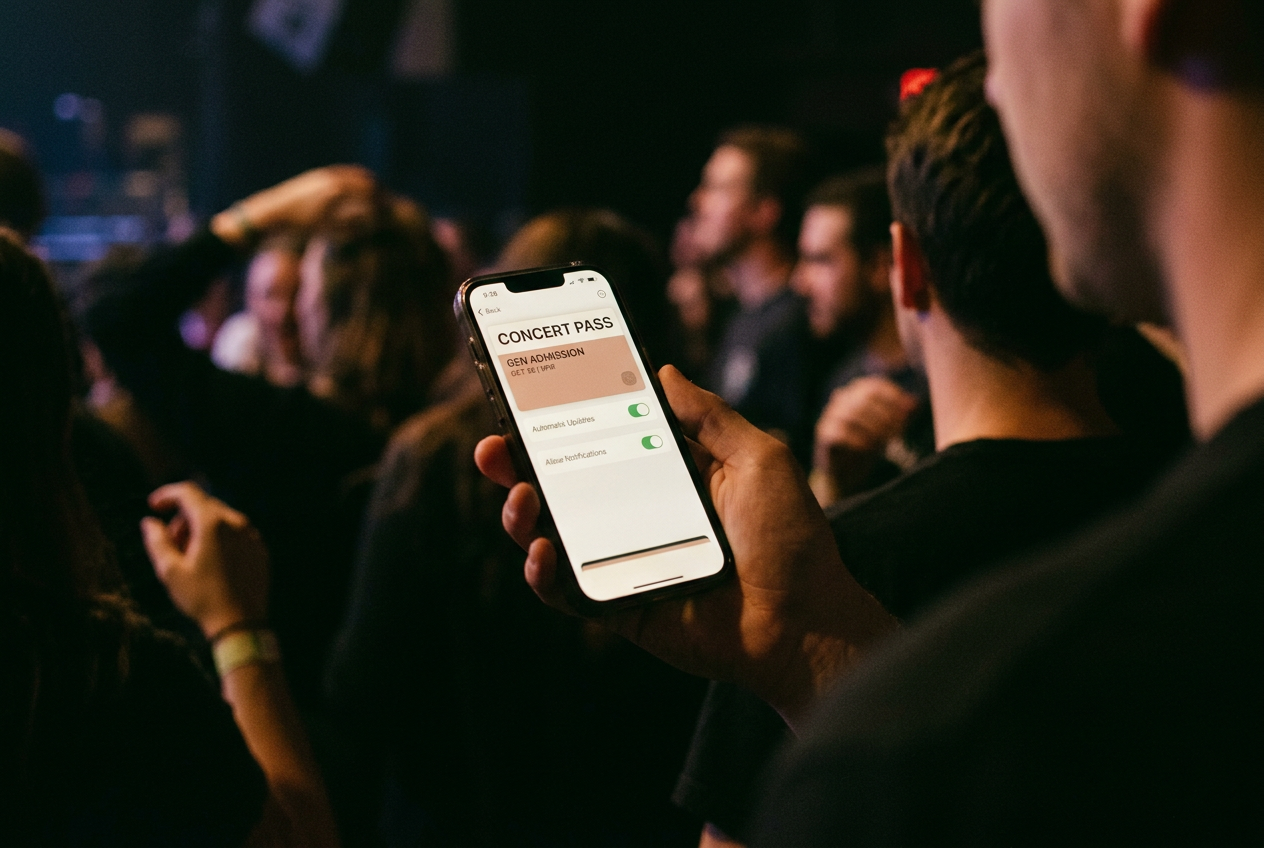
Ticketmaster’s moving barcode blocks copied screenshots by binding entry to a live account. The same machinery can record who presented a ticket, when, where and whether the gate refused it.
Simone Achebe · 7 min read

Power
School purchasing systems can suppress a title through metadata, search filters and approved catalogs. By the time a board sees a challenge, the book may already be functionally gone.
Simone Achebe · 8 min read

Power
TikTok, Meta, YouTube, X and Twitch all document account appeals. Their forms offer uneven evidence tools, vague review promises and almost no independent escalation.
Simone Achebe · 8 min read
Power
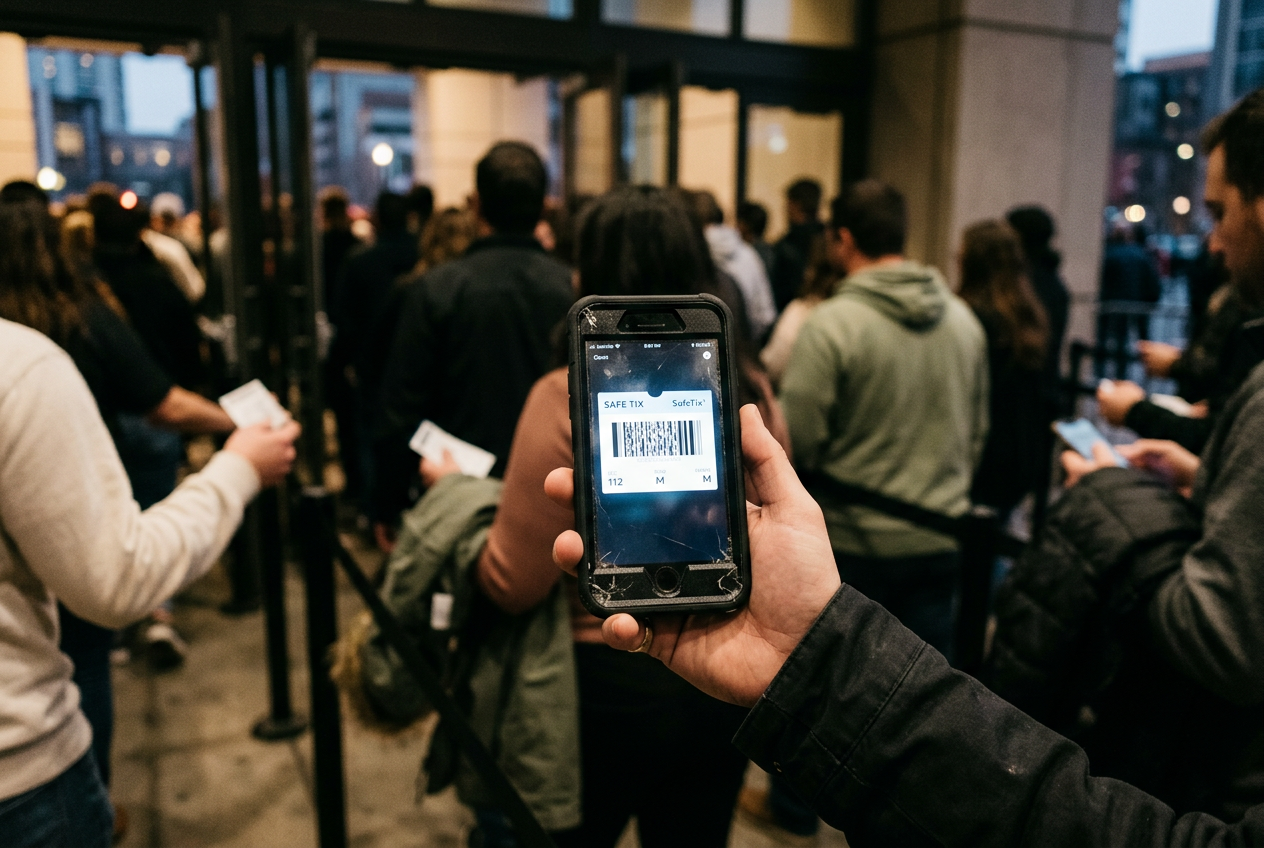
A changing barcode blocks copied tickets. It also lets ticketing companies and event organizers control lending, transfer and resale long after your card clears.
Kurt Halloran · 8 min read

Power
Remote hearings opened courtrooms to anyone with a browser. They also gave clipping accounts a supply of defendants whose worst minutes can be searched, reposted and monetized for years.
Lena Vasquez · 8 min read
Power
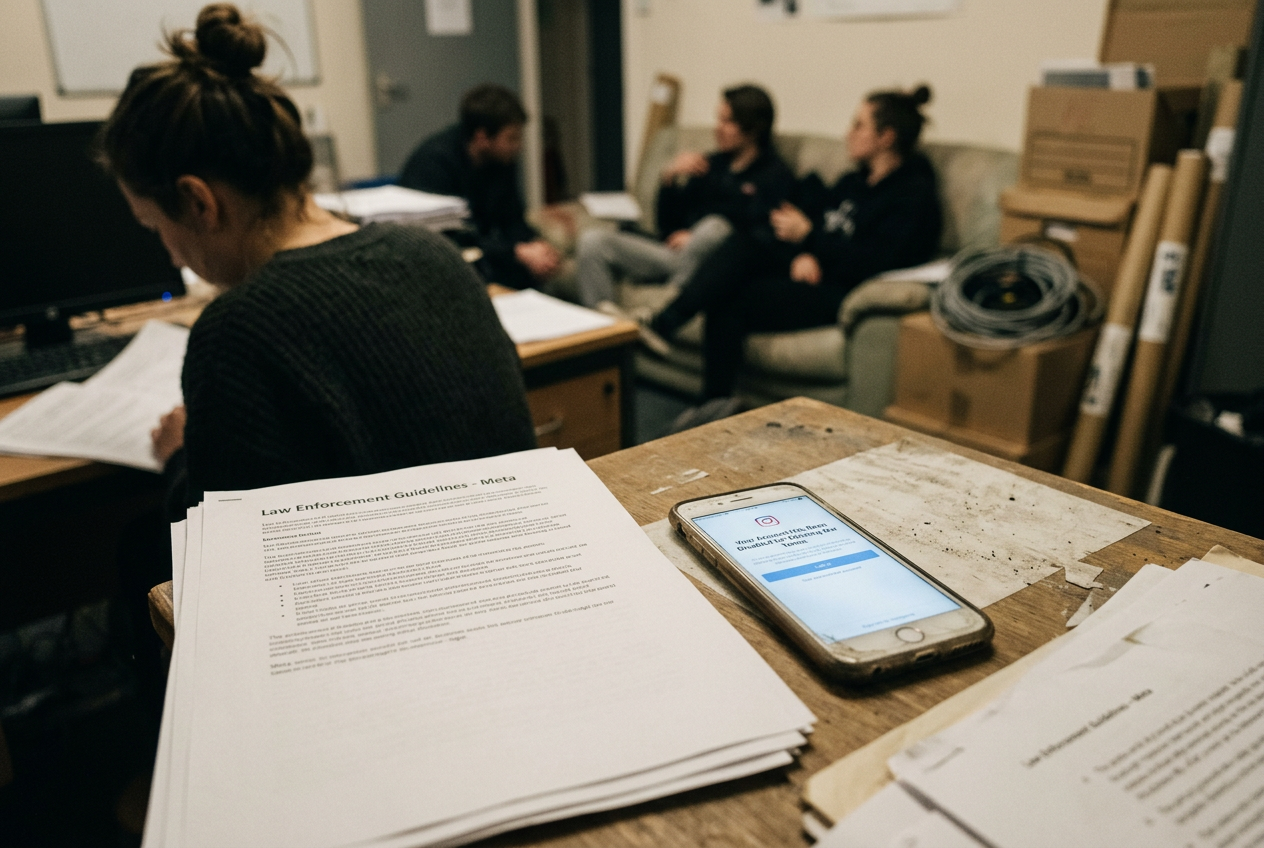
Instagram can remove an account from public view while preserving its records for legal requests. The disabled-account notice tells you almost nothing about where the data remains.
Lena Vasquez · 8 min read

Power
TikTok, X, Instagram, Reddit and YouTube treat access, deletion and data retention as separate systems. The ban closes your door. It does not empty their filing cabinet.
Kurt Halloran · 8 min read

Power
LinkedIn offers a switch for future AI training, not a rewind. Across major platforms, the notice often arrives after collection, and continued use does the work of an Accept button.
Lena Vasquez · 8 min read

Power
New Jersey records portals reduce filing friction, then place your identity, request text and correspondence in one vendor-run account. Email can leave a cleaner trail when the agency permits it.
Lena Vasquez · 8 min read
Power
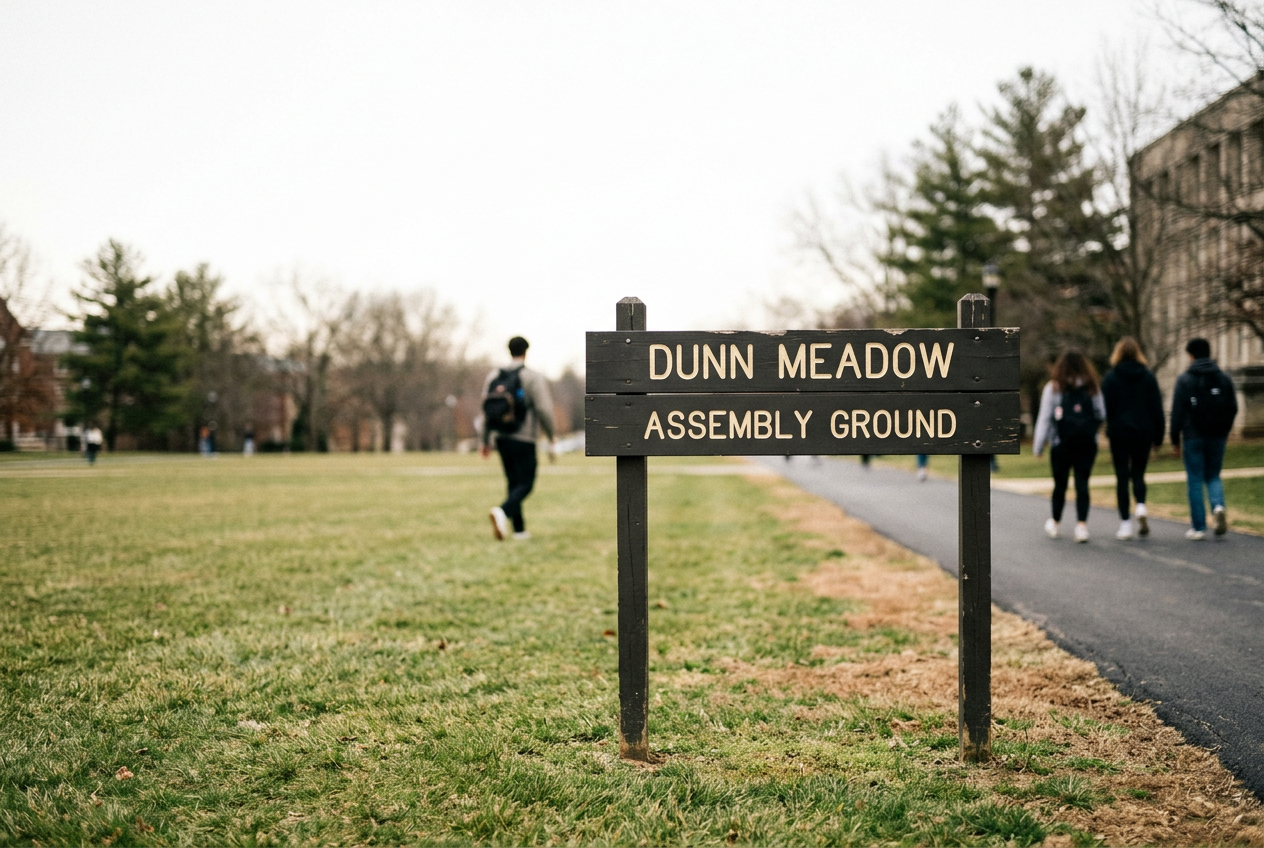
At Indiana University, a lawn long associated with public assembly became the test case for a quieter form of control: keep the speech, regulate its location, timing and audience.
Kurt Halloran · 8 min read

Power
Marketplace moderation can stop new sales while payment controls hold money from completed orders. For sellers living bill to bill, an appeal is also an involuntary loan to the platform.
Simone Achebe · 7 min read

Power
The Teixeira leak case shows the pipeline: preserve the account, compel platform records, then prove who was typing. The weak point is often not obtaining a chat but attaching a person to it.
Kurt Halloran · 7 min read
Power
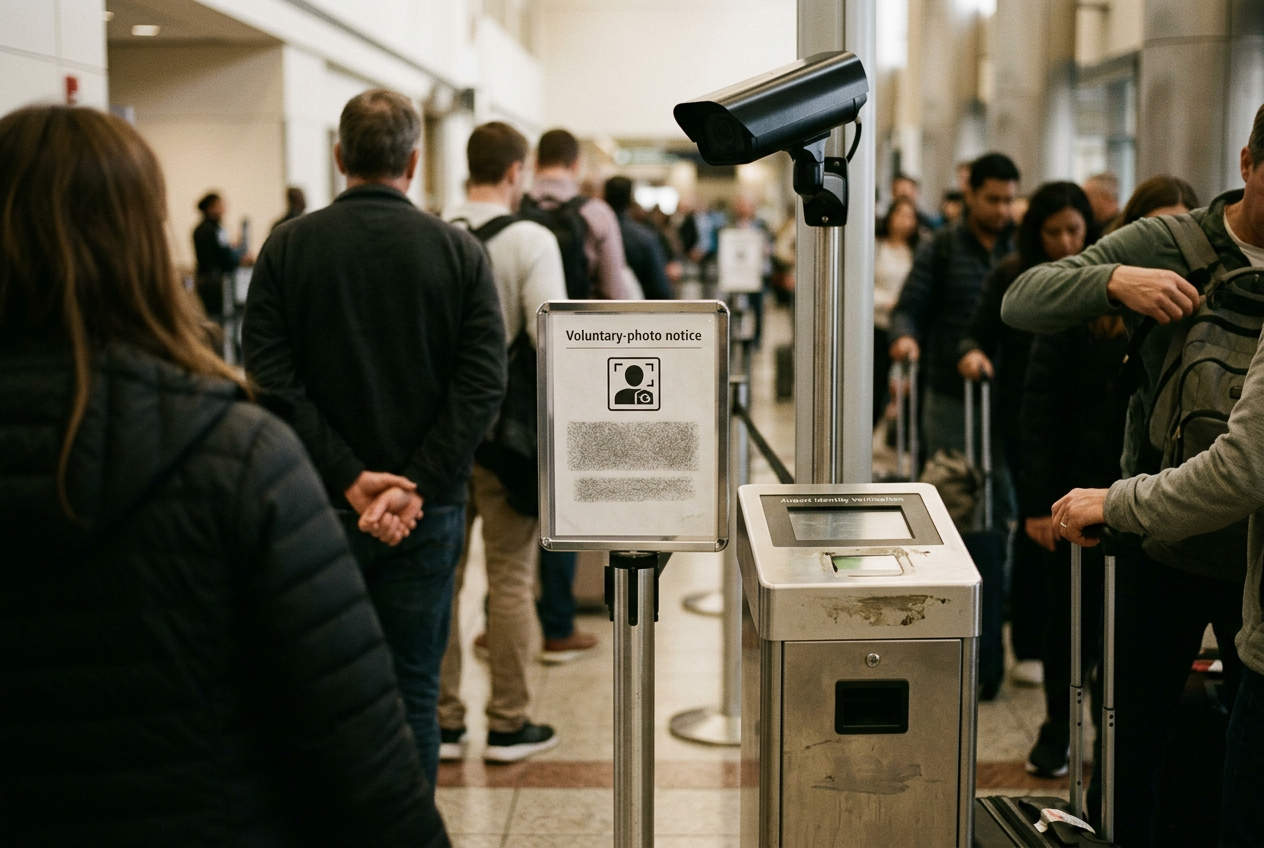
A voluntary face scan is not a meaningful choice if the notice appears after a passenger reaches the camera. The real test is whether “Photo capture is voluntary” can be found in time.
Simone Achebe · 7 min read

Power
New Jersey agencies operate under one public-records law but route people through different forms, databases and PDFs. The interface can narrow access before a records custodian reads the request.
Lena Vasquez · 8 min read
Power
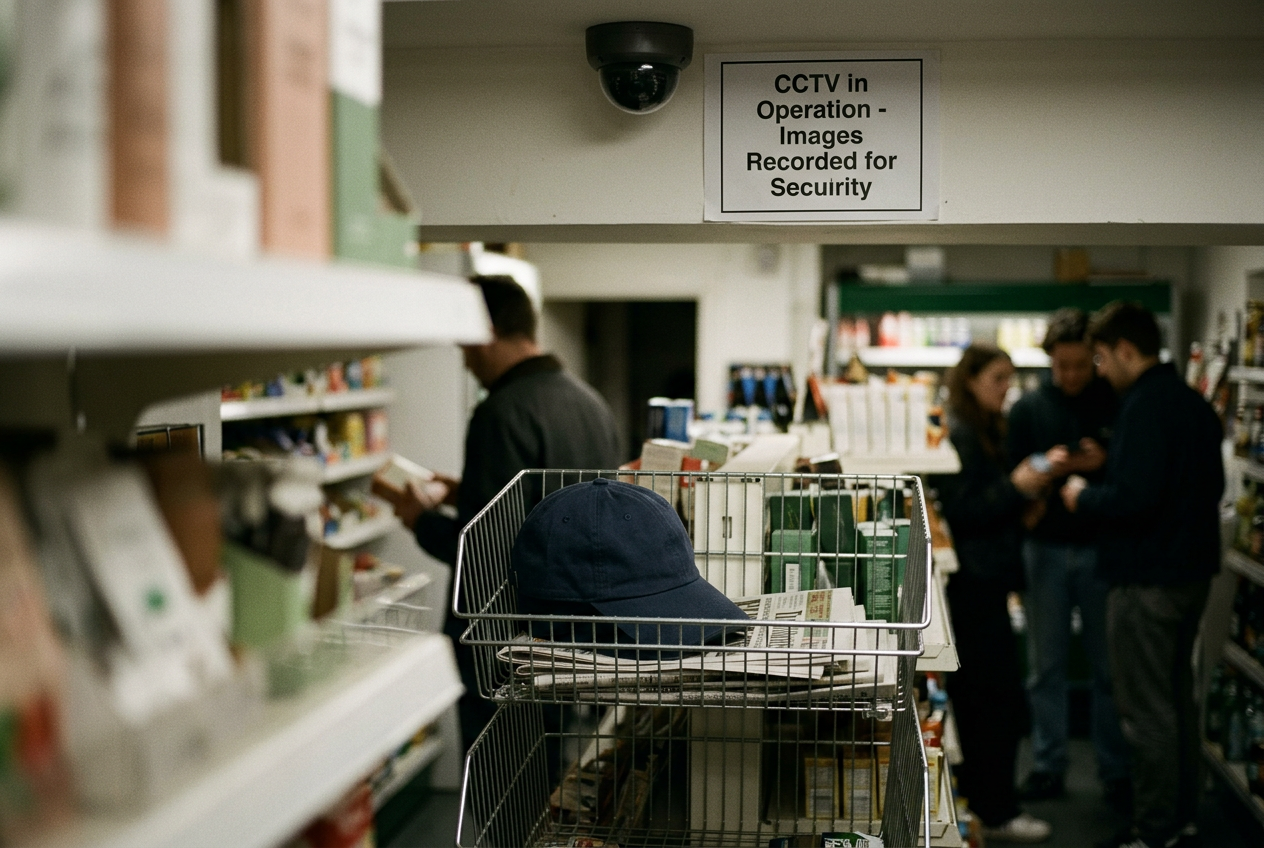
Retailers publicly describe cameras that count shoppers, monitor checkouts and compare faces with watch lists. Those are different systems, and the usual CCTV sign rarely tells you which one is operating.
Simone Achebe · 8 min read

Power
Instagram, TikTok, YouTube, and X offer appeals on terms they control. Their own documentation shows why a second decision is not the same thing as due process.
Simone Achebe · 7 min read
Power
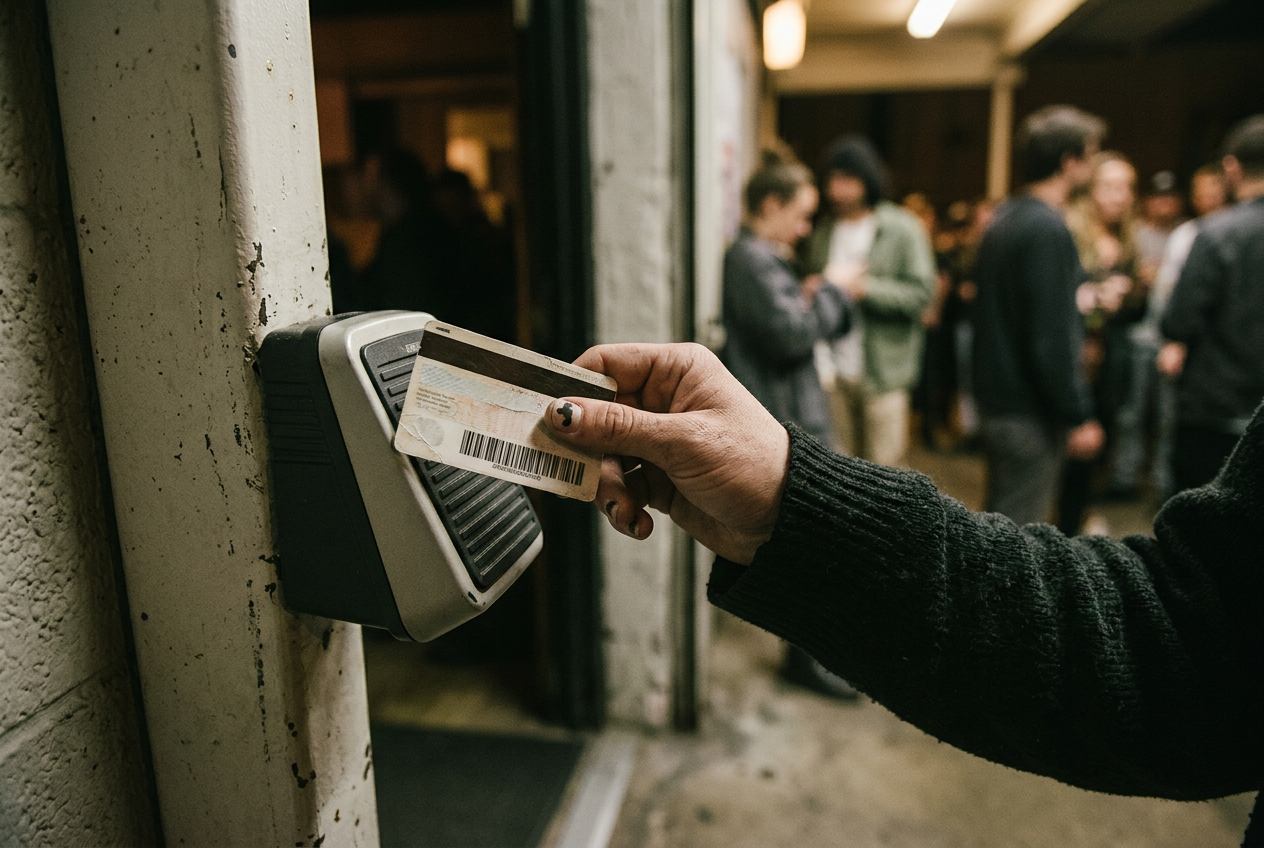
The same machine that confirms your age can create a searchable record of where you went, when you arrived, and whether another venue banned you.
Kurt Halloran · 8 min read

Power
Booking photos leave government custody, become search-engine bait and return as a removal bill. Paying usually erases one commercial page, not the public record or its copies.
Kurt Halloran · 8 min read

Power
Google, Meta, TikTok and X publish neat government-request totals. Their incompatible categories leave out the leverage that often decides whether a post disappears worldwide or only at home.
Lena Vasquez · 8 min read

Power
Once public video is copied, deleting the stream does not recall it. Investigators can search old footage by faces, clothing, words, places and time.
Lena Vasquez · 8 min read

Power
Etsy, YouTube and TikTok let suspended users appeal, but their clocks protect the platform first. A reversal cannot restore orders, reach or relevance lost in the queue.
Kurt Halloran · 7 min read
Power
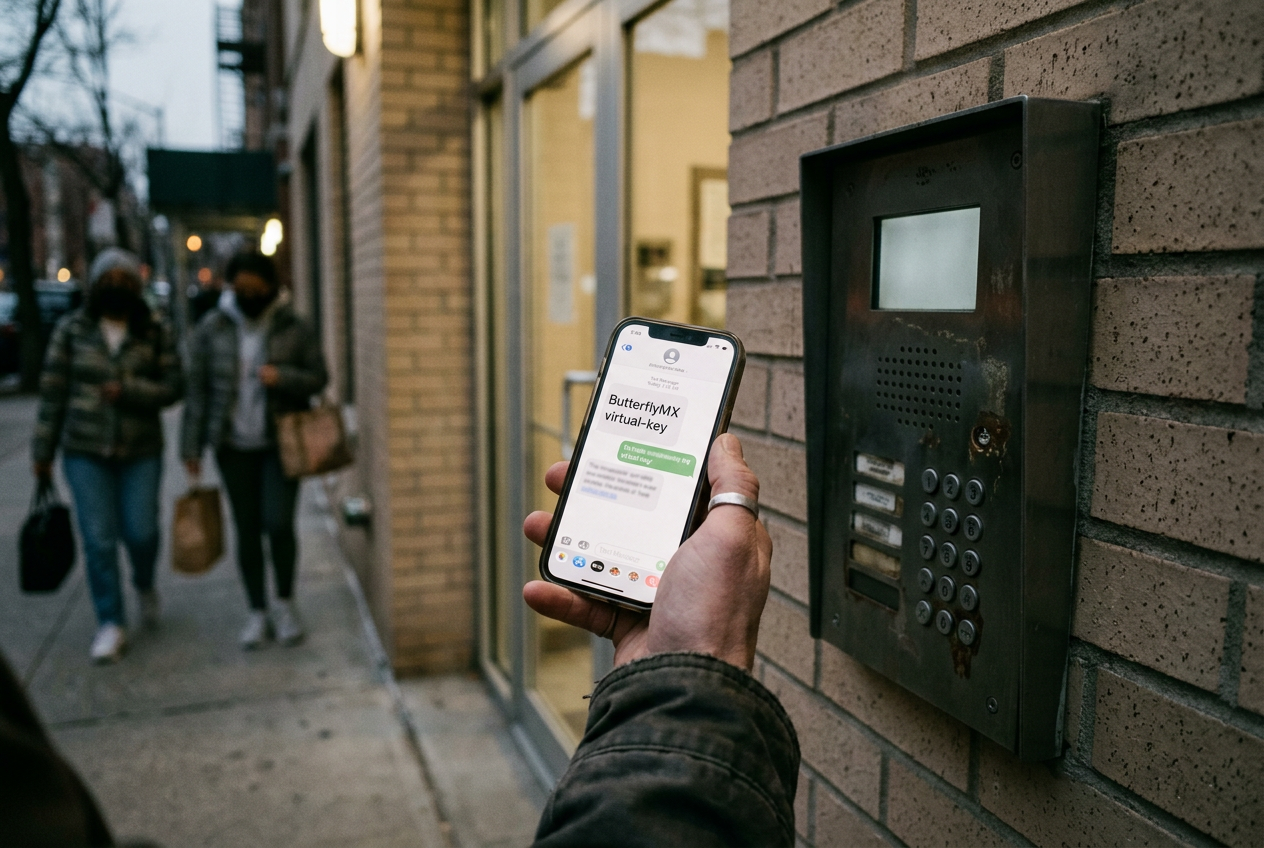
A ButterflyMX guest link looks like a temporary key. Behind it sits an access system that can connect tenants, visitors, door events and property management.
Simone Achebe · 8 min read
Power
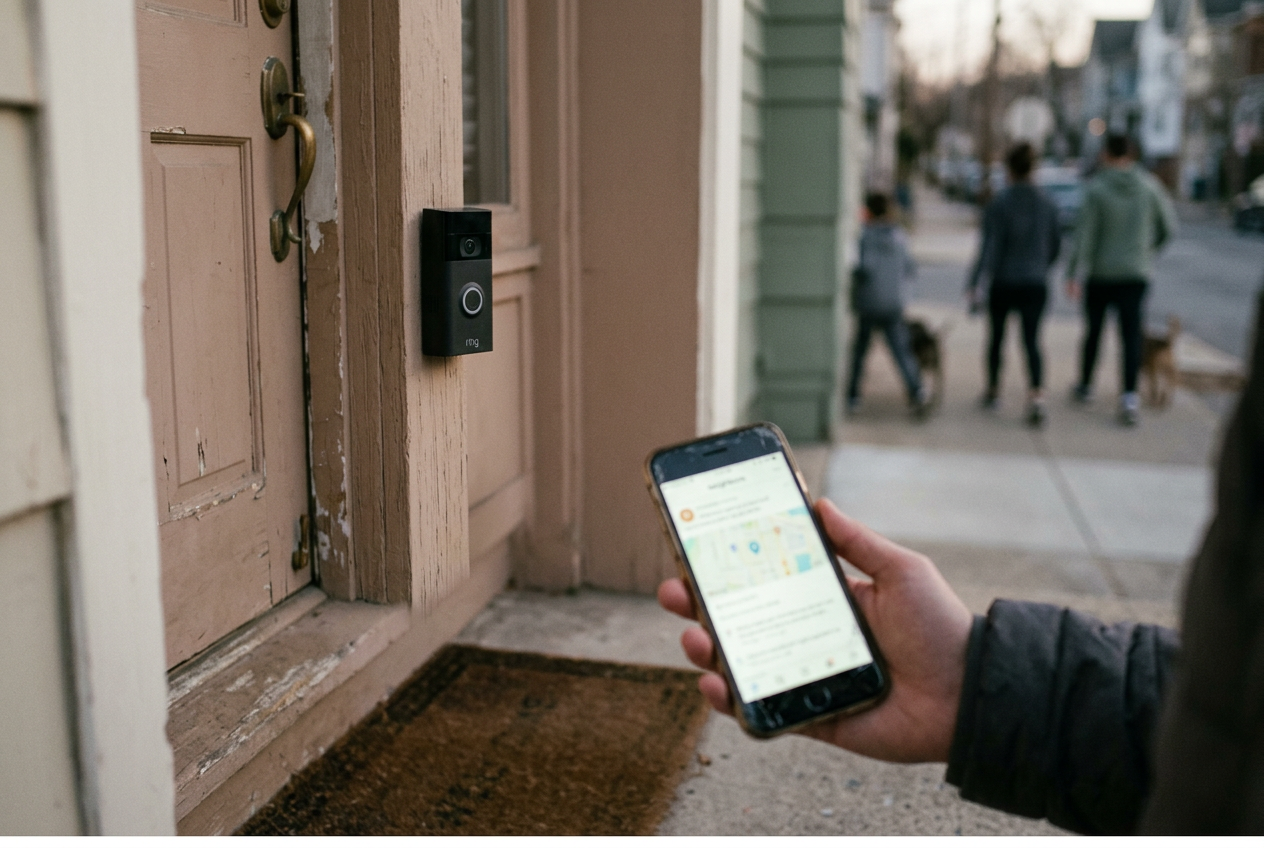
The Neighbors app no longer gives police a broadcast tool for soliciting recordings. Consent, warrants and emergency disclosures remain available.
Kurt Halloran · 8 min read

Power
Fabric’s 2016 closure shows how a venue license can become a fast administrative weapon. Noise, police reports and incidents need not produce a conviction to threaten the room.
Simone Achebe · 8 min read

Power
Platform transparency totals collapse court orders, police notices and agency referrals into deceptively tidy numbers. The labels tell you who contacted the company, not how much legal force they had.
Lena Vasquez · 7 min read
Power
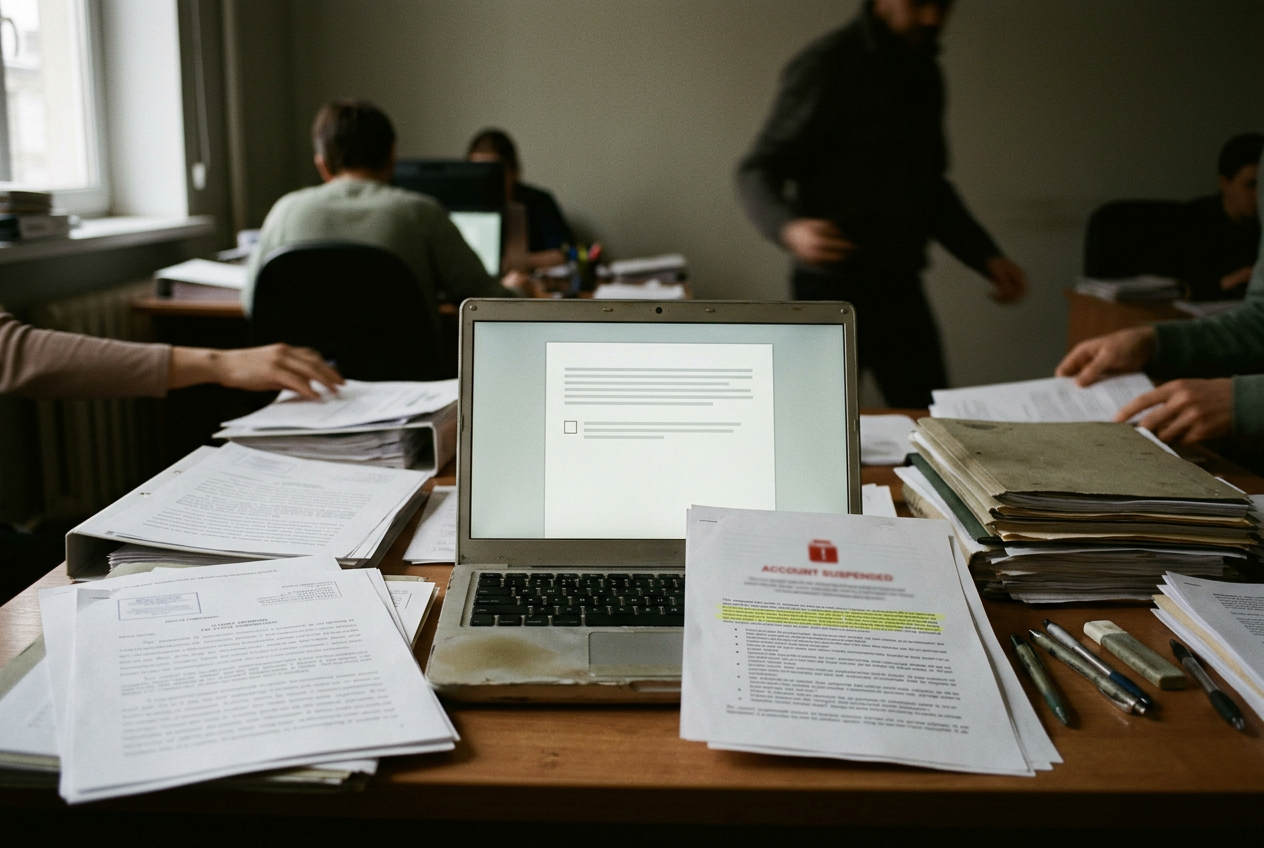
The failed prosecution of Lori Drew shows the route from a platform checkbox to a criminal courtroom, and the limit courts placed on turning private rules into public law.
Lena Vasquez · 8 min read

Power
One disputed film clip can redirect a video essay’s revenue, trigger an appeal judged by the claimant and put the channel at risk. The legal merits arrive last.
Kurt Halloran · 8 min read

Power
A conduct rule can keep threats and spam off a city page. Selectively hiding criticism does something else: it lets the government manufacture the appearance of consent.
Kurt Halloran · 7 min read