A Book Can Vanish From School Before Anyone Bans It
School purchasing systems can suppress a title through metadata, search filters and approved catalogs. By the time a board sees a challenge, the book may already be functionally gone.
August 26, 2026 · 8 min read

Take a paperback copy of Maia Kobabe’s graphic memoir Gender Queer. Its back cover carries a barcode tied to an ISBN, the identifier used to distinguish one edition of a book from another. In a normal bookstore, that barcode helps the register find a price. In a school purchasing system, it can lead to much more: subject headings, age ranges, reading levels, professional reviews, content notes and whatever restrictions a district has attached to those fields.
The book has become a standard exhibit in American removal campaigns. It has been challenged in districts across the country, named in litigation and placed on state or district removal lists. Those visible fights matter. They also conceal a quieter route to the same result.
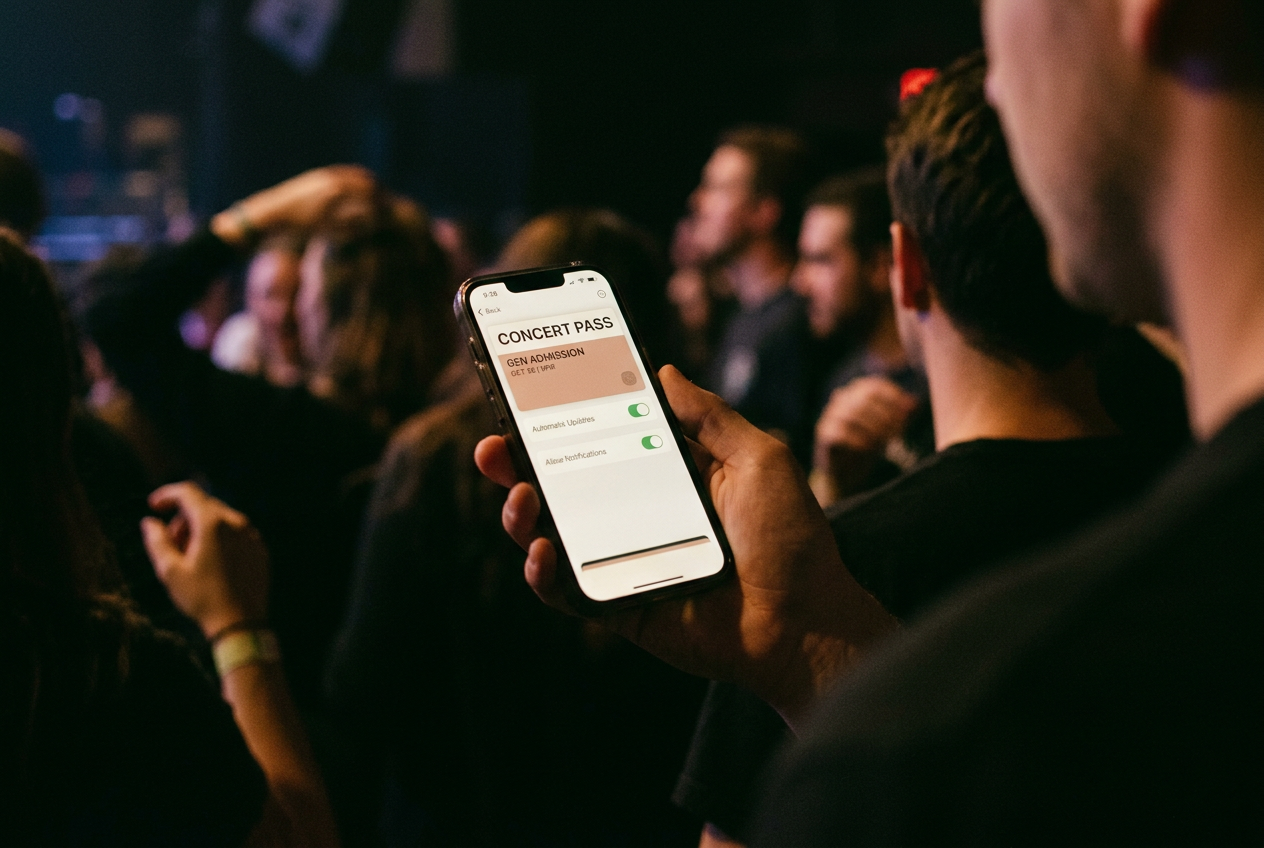
A librarian can type the title into an educational bookseller’s catalog and get no useful result. The record may be excluded from the district’s approved collection, suppressed by an age filter, unavailable under the account’s purchasing rules or absent because the vendor decided that carrying it creates too much compliance risk. The interface does not have to say banned. It may say unavailable, restricted or nothing at all.
That blank search result is an institutional decision with no recognizable author.
The ban starts upstream
School libraries rarely buy books by walking into a shop and carrying a stack to the counter. Districts contract with educational vendors that combine bookselling, cataloging, processing and software. Follett and Mackin are prominent operators in this market; publishers and wholesalers supply them with descriptive data, while vendors add reviews, classifications and tools for managing a collection.
The first layer is metadata, information attached to a title so that machines can classify and move it. Publishers commonly distribute metadata through ONIX, a publishing-industry format that carries details such as contributor, subject, edition and intended audience. Libraries also use MARC records, standardized catalog files that let a title appear correctly in a library system. These records are administrative infrastructure.
They are also policy surfaces.
A field marked adult can place a book outside an elementary buyer’s search. A subject code associated with sexuality can trigger additional review under a district rule. A missing grade range may keep a title out of a preapproved collection, even when the omission reflects incomplete data rather than a judgment about suitability. None of these outcomes requires a principal to reject the book.
The software applies the rule already written into the account.
Return to the barcode on Gender Queer. It does not contain a verdict. The system surrounding it assembles one from data supplied by several parties, then combines that data with local settings that the person searching may never see. A librarian is presented with the output, not the chain of choices that produced it.
This is why the word inventory is misleading. The software does not merely count what sits on a shelf. It governs what can be discovered, ordered, cataloged and replaced. A title that cannot clear those stages does not need to be confiscated later.
Texas tried to formalize the handoff
Texas made this arrangement unusually plain with the 2023 law known as the READER Act. Parts of the law required booksellers supplying public schools to rate books for sexual content, including books they had previously sold. The state would then use those ratings to regulate school purchases.
Independent bookstores and publishing groups sued. In litigation commonly referred to as BookPeople v. Wong, the plaintiffs argued that the law forced private sellers to make subjective legal judgments at substantial cost while exposing them to state consequences if officials disliked the result. A federal appeals court kept the vendor-rating provisions blocked in 2024.
The court fight prevented one explicit version of outsourced censorship. It did not remove the commercial architecture that made the proposal plausible. Texas lawmakers could assign the work to vendors because vendors already maintain the title records, recommendation systems and purchasing gates through which school books pass.
The incentive is obvious. A public board must give notice, hear objections and leave records. A vendor can change a field. A district can alter an account profile.
An administrator can limit purchasing to a curated catalog. Each move looks operational rather than ideological, which is useful to institutions that want the result of a ban without another crowded meeting being entered into the minutes.
Vendors face a different pressure. School contracts are valuable and compliance is expensive. When state rules are vague, the safer commercial choice is often to classify broadly, stock cautiously or require extra approval, particularly for titles already circulating on challenge lists. The company does not need to oppose a book.
It needs to avoid losing the customer or absorbing the cost of defending every contested record.
The result is prior restraint by procurement workflow, though no single database field carries the whole responsibility.
A no-result page has no minutes
Public book challenges generate artifacts. Someone submits a form. A committee reviews the title. A board may vote.
Journalists can request the paperwork, and a parent can identify who acted.
Software exclusion is harder to inspect. The school may treat account settings as routine administration. The vendor may regard its enriched metadata, ranking logic or customer configuration as proprietary. A title-level audit may require comparing publisher data, vendor records, district rules and the permissions attached to one user account.
Most families will never know that comparison is necessary.
This opacity changes who can contest the decision. If the physical copy of Gender Queer is removed from a shelf, the absence is visible. If its barcode never becomes an order because the title failed to appear in an approved search, there may be no local record showing that anyone considered it. A librarian cannot appeal a decision the interface describes as a search result.
PEN America’s reporting on school book bans has documented the growing use of administrative removals, where books are pulled or restricted outside a completed challenge process. Reporting by education and technology outlets has also shown districts leaning on spreadsheets, vendor tools and automated searches to review large catalogs under new state mandates. The method varies. The administrative advantage does not: scale the restriction while diffusing authorship.
Centralization makes the effect larger. A single metadata correction can improve thousands of catalog records. A single restrictive classification can travel just as efficiently, especially when districts reuse vendor-provided age bands or buy from lists assembled for compliance. The machine is not independently censoring a book.
It is allowing one cautious judgment to propagate without requiring each institution to defend it.
Smaller publishers and books outside established review channels are especially exposed. A major release may arrive with extensive metadata, several professional reviews and staff available to dispute an error. A small-press title can reach the same system with thinner records. Under a rule that treats missing approval as a reason to exclude, missing data becomes adverse data.
The bookstore has become a policy contractor
A private bookstore chooses what to stock. A school vendor operating inside public procurement performs a different function, even if the same sale appears at the end. Its catalog can become the practical boundary of a student’s library, while its classifications help determine which books a public employee is permitted to consider.
That boundary deserves the scrutiny applied to other forms of content moderation. A platform moderates speech when it writes a rule, converts the rule into labels and enforcement tools, then decides how much explanation a user receives. Educational purchasing systems can follow the same pattern. The difference is that the user is a public-school librarian and the affected audience is made up of students.
Calling the system neutral does not survive contact with the settings page. Someone selected the approved catalog. Someone chose which age field controls eligibility. Someone decided whether a missing rating blocks an order or sends it for review.
The software makes those choices repeatable. It does not make them apolitical.
Nor does every restriction amount to a book ban. Schools make age-based collection decisions, work within budgets and decline far more books than they buy. The relevant distinction is accountability. Selection names the criteria and leaves room for professional judgment.
Covert exclusion hides the criterion inside a commercial system, then presents the outcome as if the book were never available.
A better system would preserve the reason whenever a title is hidden or blocked, show which organization supplied the controlling metadata and allow librarians to request a local override. Districts could publish exclusion logs without releasing student records or confidential purchasing details. Vendors could separate search visibility from purchase eligibility, so a restricted title still appears with the applicable rule rather than dissolving into a no-result page.
Those changes cost staff time and expose decisions to argument. That is the point. Public institutions are supposed to carry the cost of explaining how they exercise power.
The barcode on Gender Queer remains ordinary. The consequential object is the record behind it: a set of fields that can move the book toward a school shelf, into a review queue or out of sight before anyone has to call the outcome a ban.
Questions people ask
Can inventory software really ban a school book?
Software can create a functional ban when district settings hide a title, block its purchase or limit librarians to an approved catalog. The program does not make the underlying policy, but it can enforce that policy at every search and prevent a book from reaching the formal review stage.
Who decides the age rating attached to a book?
Publishers, review services and educational vendors may all supply audience information, while districts decide which fields control purchasing. The problem arises when a buyer cannot see who created the rating, what evidence supported it or whether local staff can override it.
Why would a bookseller restrict titles before a district asks?
Educational vendors depend on district contracts and must comply with changing state rules. If a disputed title creates legal review, administrative work or a risk to the contract, conservative classification can become the cheaper choice, even without an explicit request to suppress that particular book.
What would make these systems accountable?
A blocked title should remain visible with a reason code, the source of the controlling metadata and a documented appeal route. Districts should also disclose their approved-catalog rules and preserve logs showing when titles were excluded, so a missing search result can be traced to a decision.
One update a day
Today's story, in your inbox
One story each morning — no hype, no filler, no algorithm deciding for you.