Scene
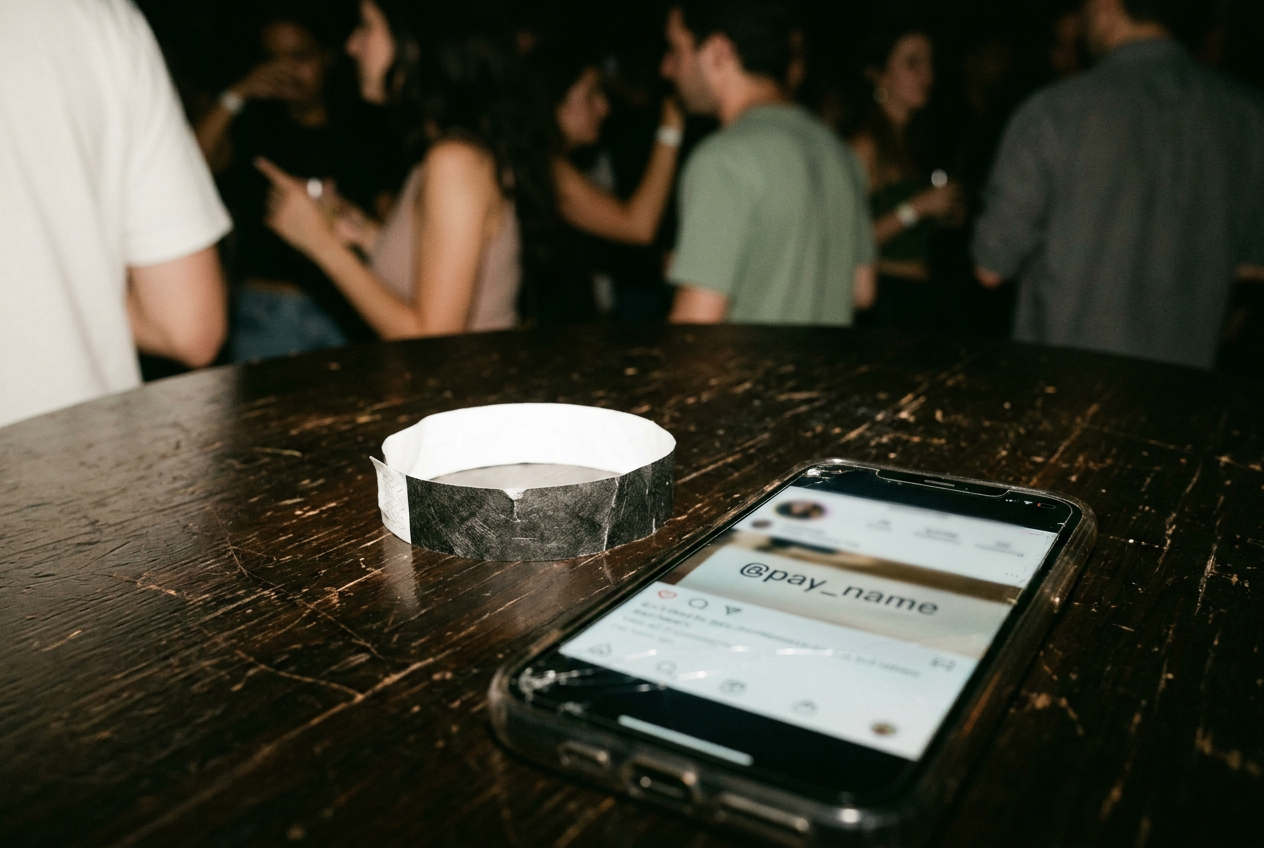
Copied flyers and lookalike promoter accounts turn the post-club scramble into a cash grab. The defense is tracing the address, not demanding that underground parties behave like corporations.
Frankie Doyle · 8 min read
Scene
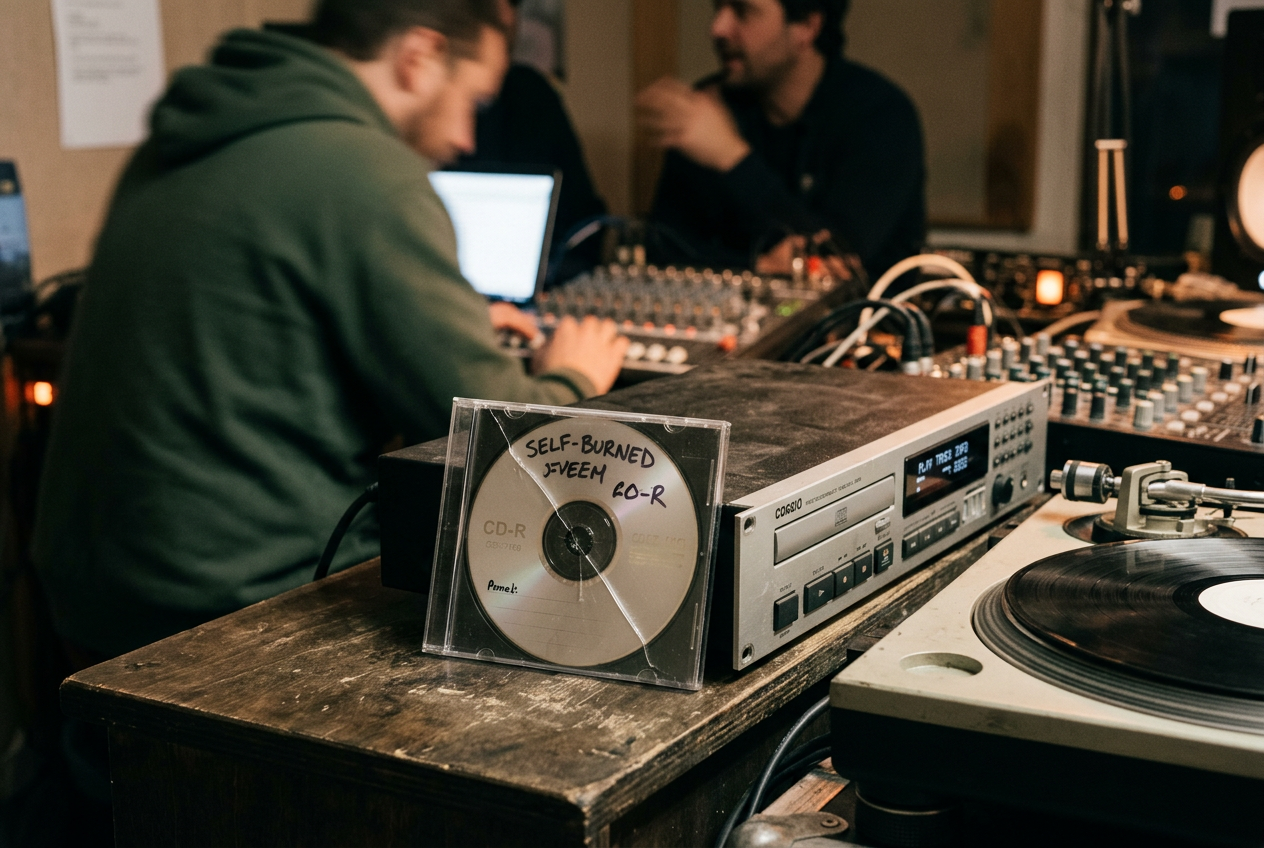
A live set assembled from vinyl, artist files and streaming catalogs shows that platform absence is rarely random. Community radio survives by keeping other routes open.
Frankie Doyle · 8 min read
Scene
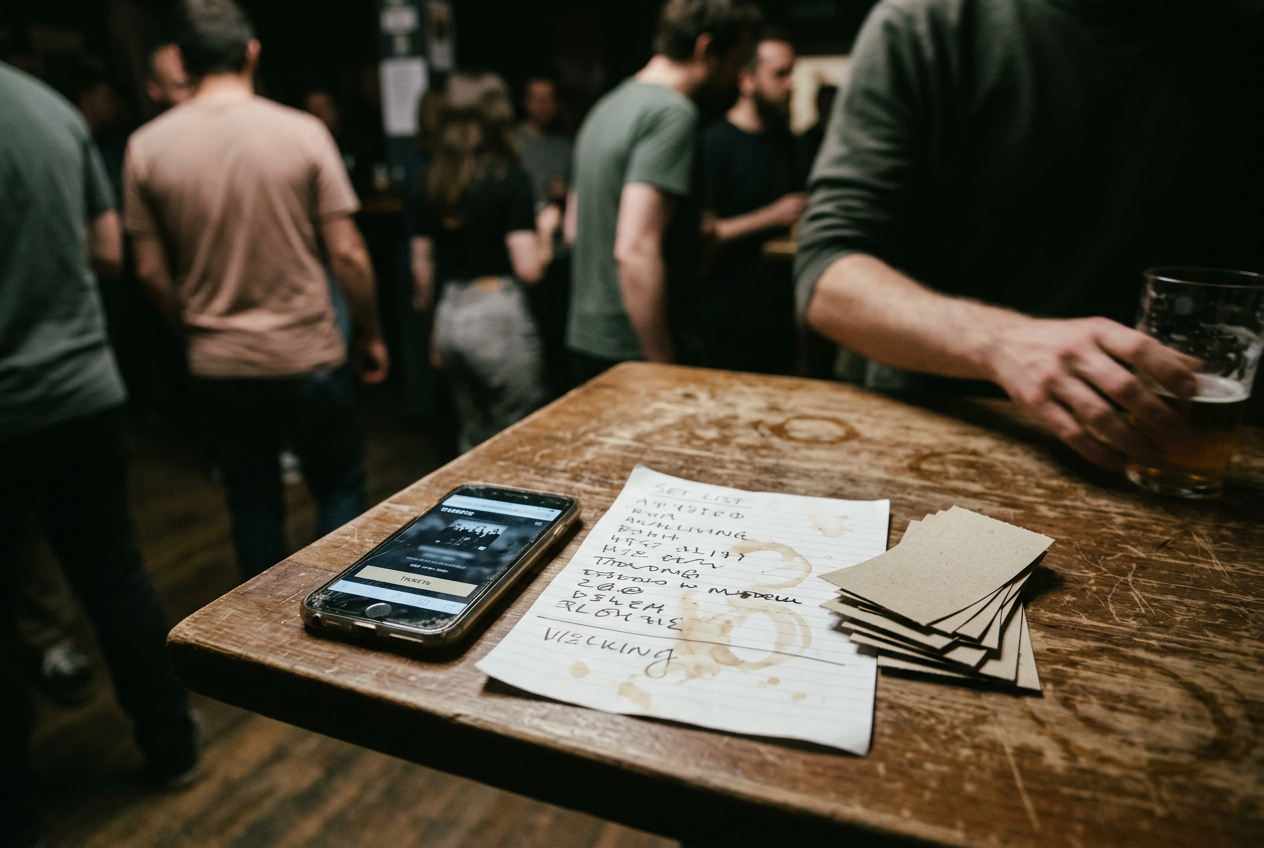
Tracked links and presale quotas turn a half-empty room from the promoter’s problem into the artist’s failure, while the hours spent filling it remain unpaid.
Omar Diallo · 8 min read
Scene
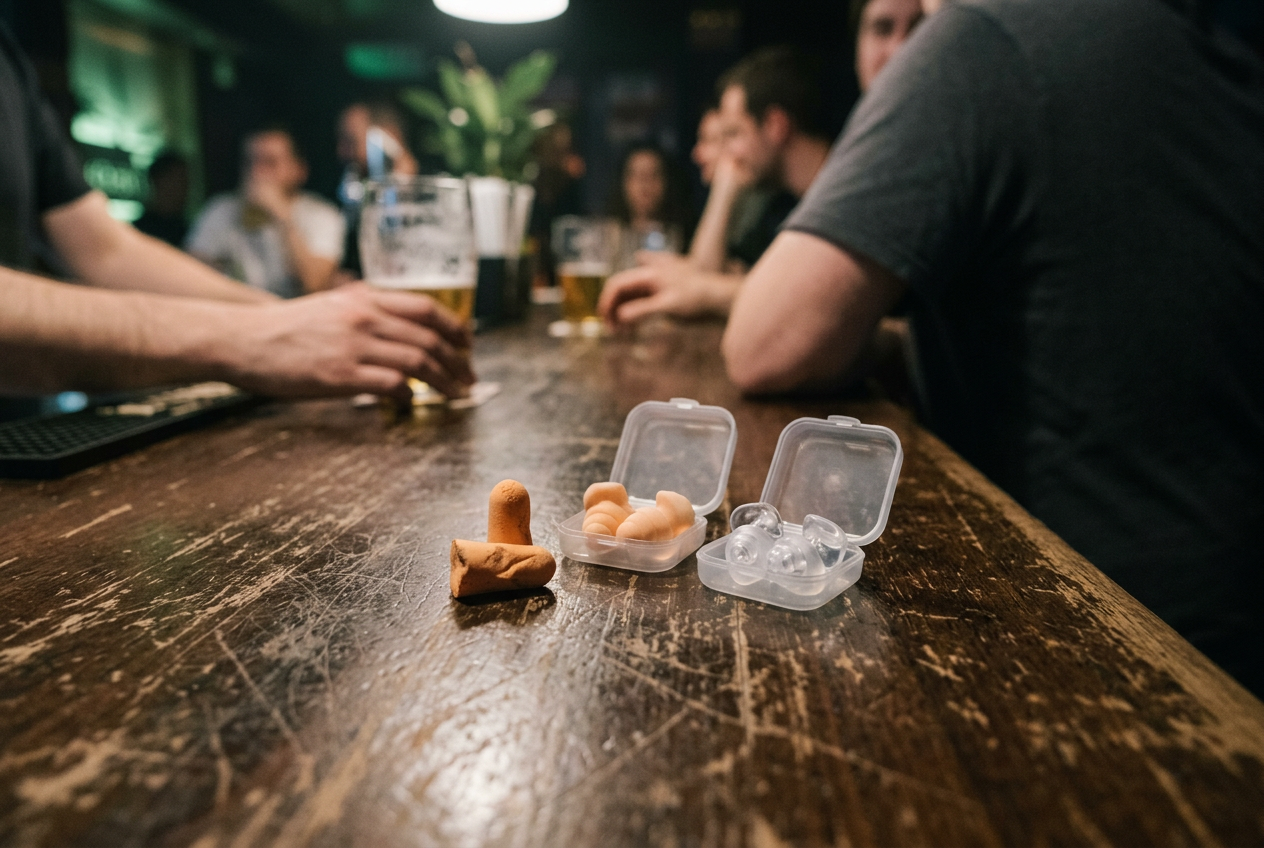
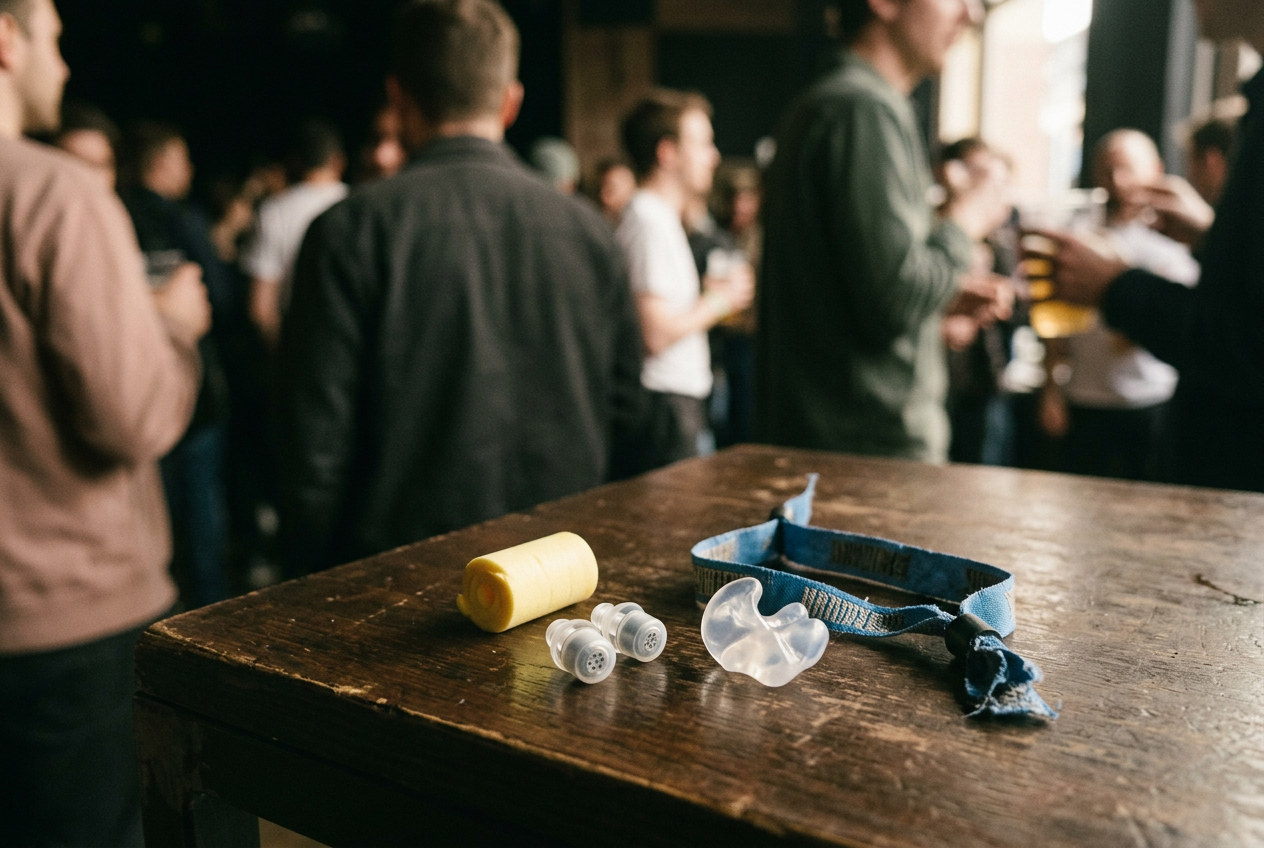
Foam blocked the most, custom musician plugs fit best, and universal filtered plugs were easiest to leave alone. In a club, protected minutes matter more than theoretical performance.
Bex Nakamura · 8 min read
Scene
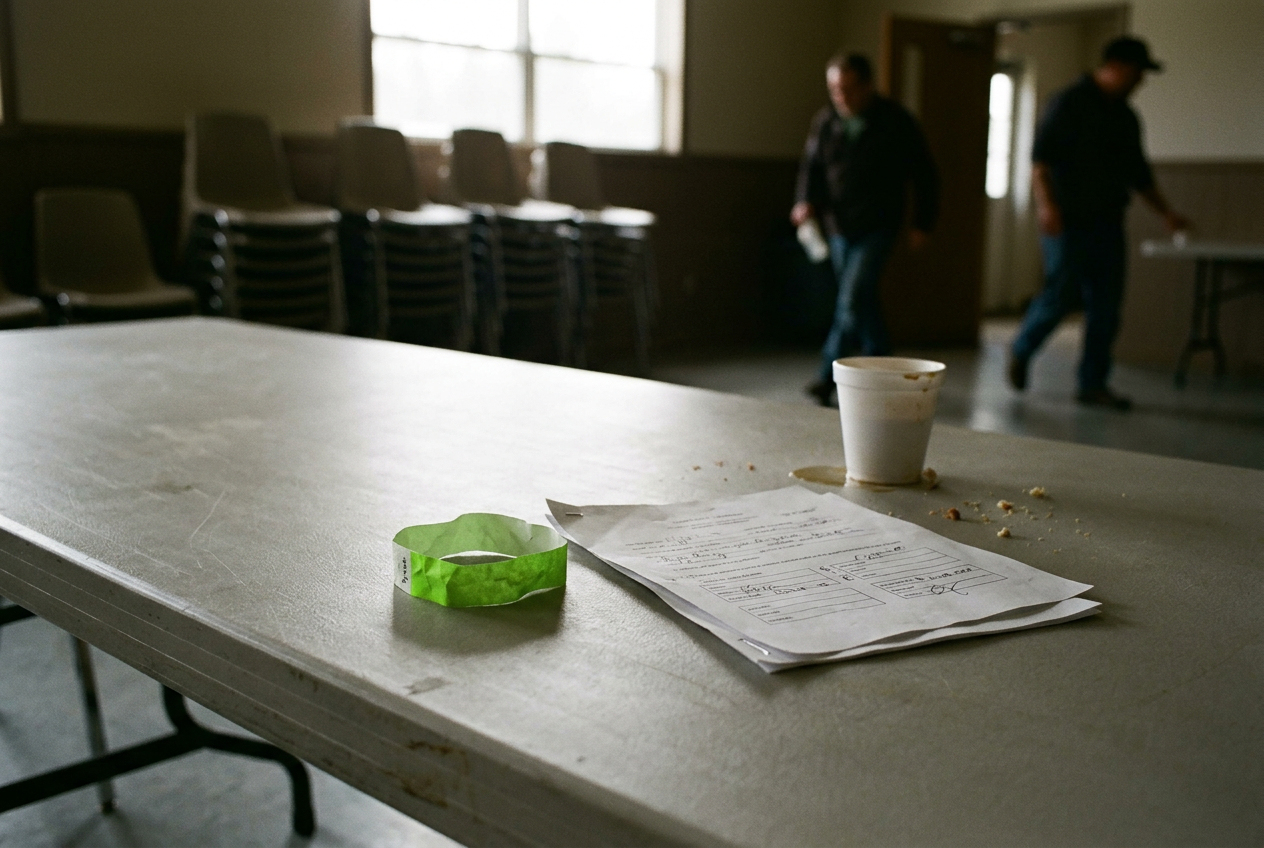
After the last dinner plate leaves, promoters turn suburban halls into temporary clubs. The rental contract decides who can gather, how late they play and where the money goes.
Omar Diallo · 7 min read
Scene
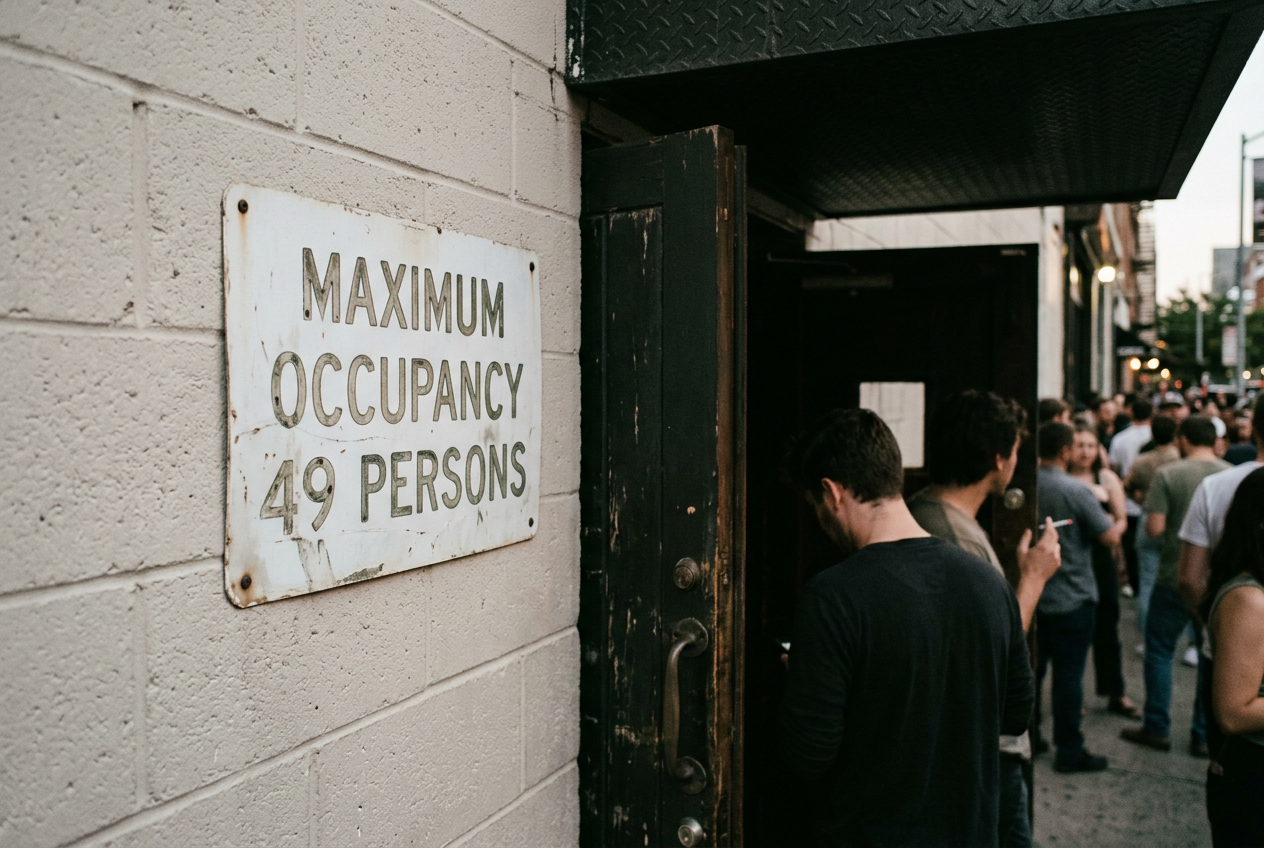
The number beside the exit is more than a safety limit. It sets the ticket ceiling, bar target, bathroom pressure and practical size of every artist who enters the room.
Frankie Doyle · 8 min read
Scene
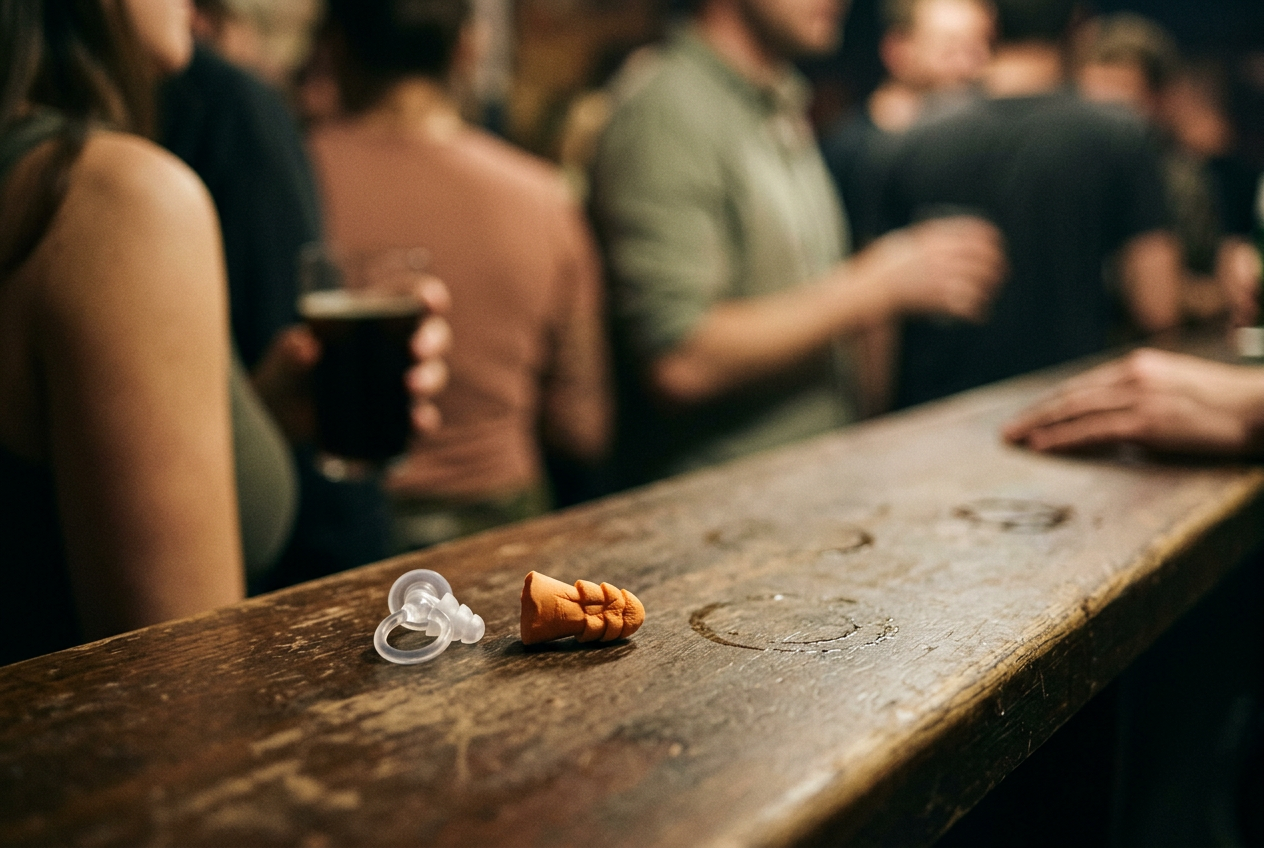
Reusable musician plugs kept speech and bass legible across the club. The orange foam plug sounded worse, but at the rail its deeper seal mattered more.
Bex Nakamura · 8 min read
Scene
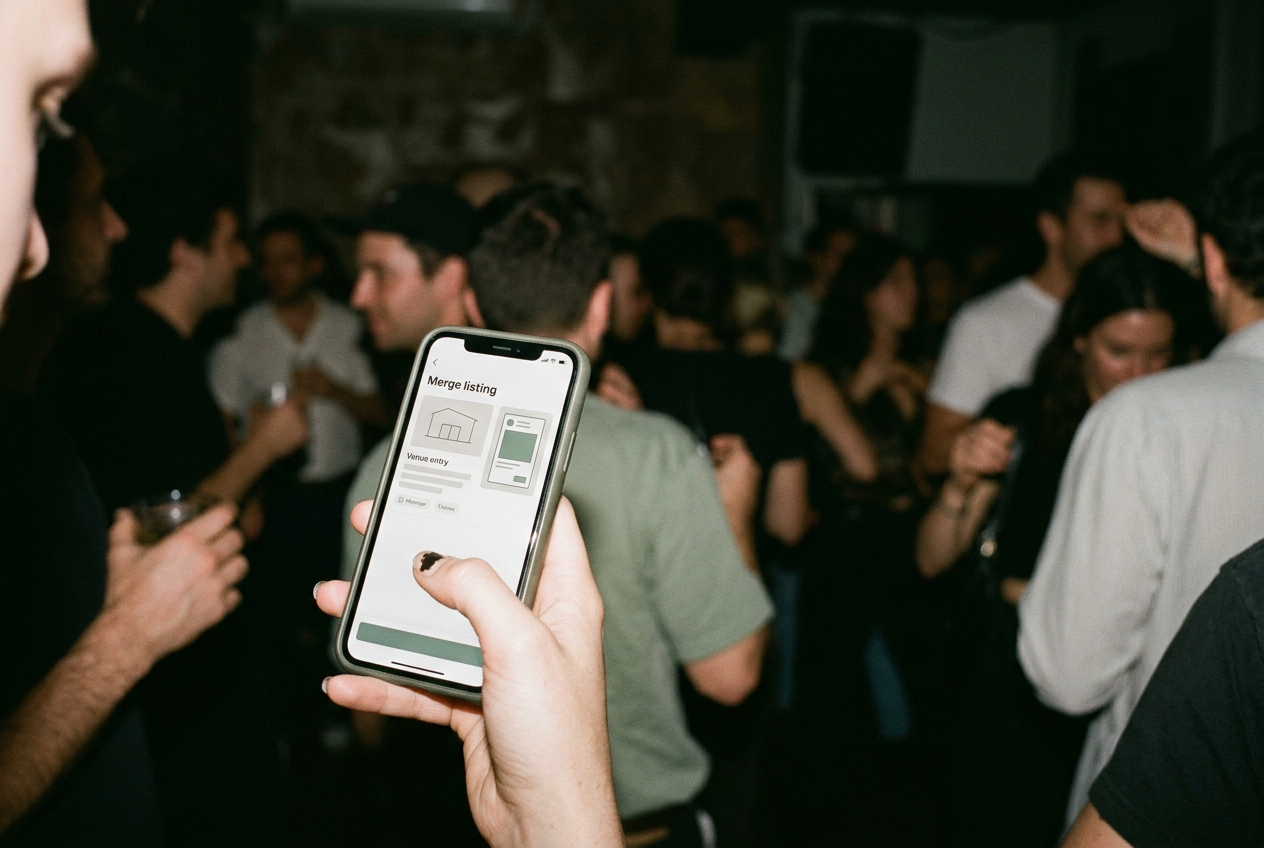
Image-only details and private location drops can keep a party away from search engines and unwanted attention. They also turn access into a favor controlled by a few phones.
Omar Diallo · 8 min read
Scene
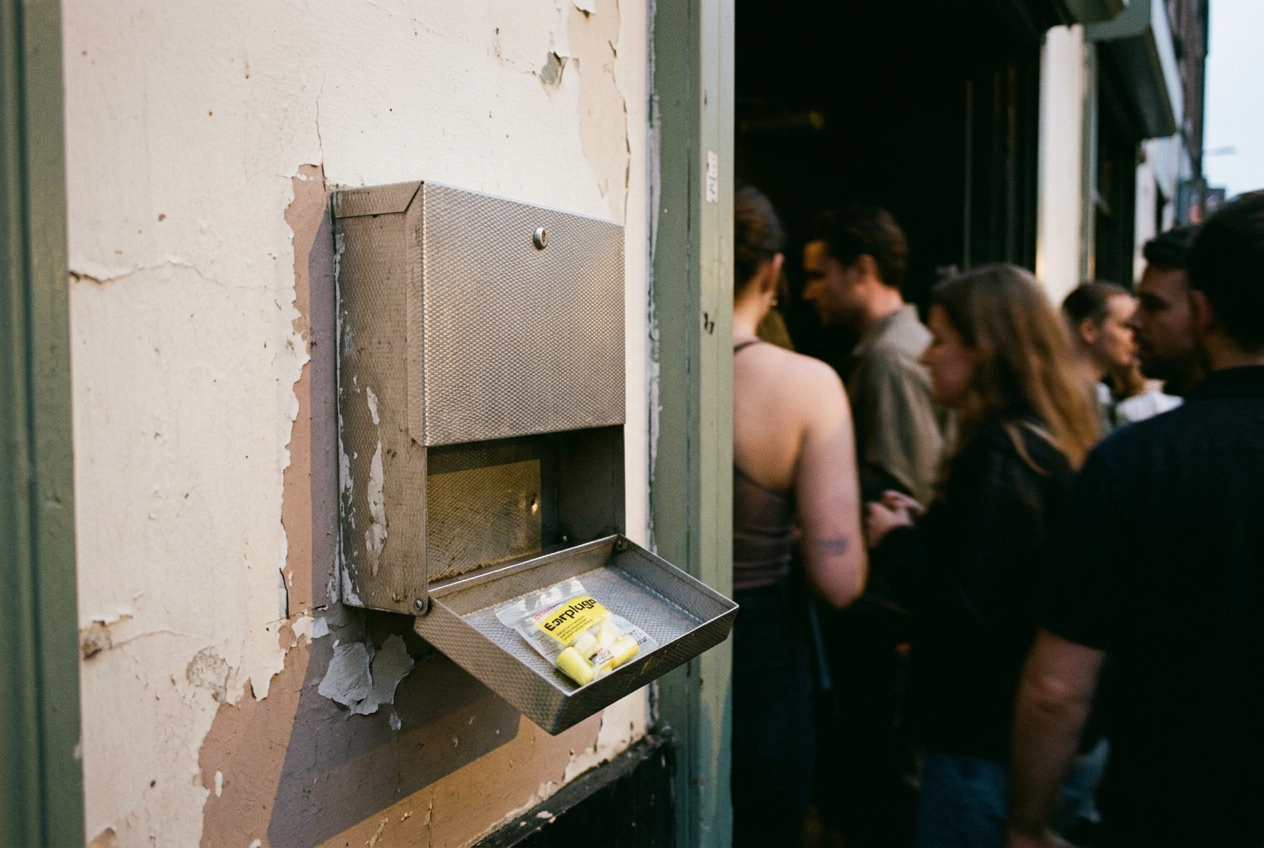
A yellow foam earplug in a visible dispenser says more than a venue’s safety page. Placement, price and staff knowledge decide whether hearing protection exists in practice.
Frankie Doyle · 7 min read
Scene
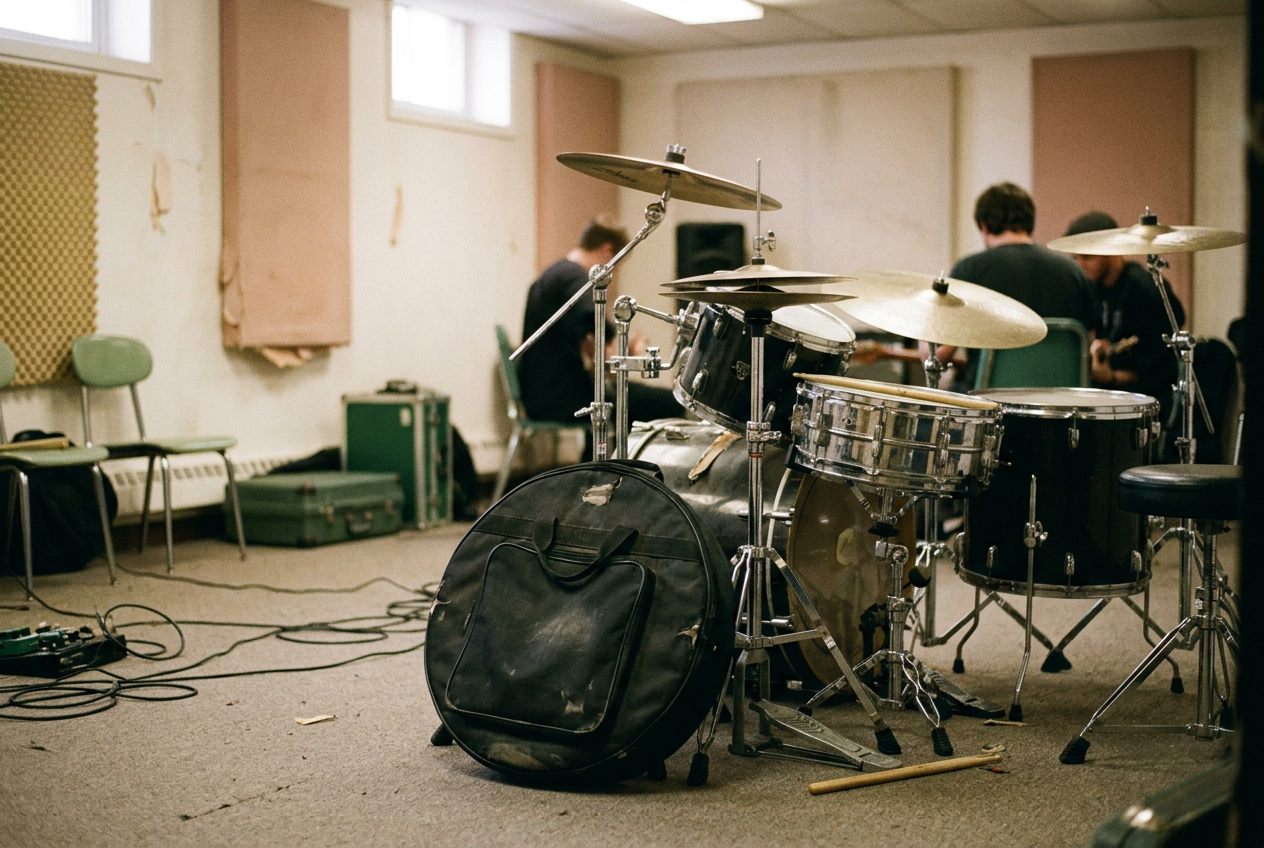
Hourly studios sell more than privacy. Their clocks, house amps, load-in rules and distance from transit determine which New Jersey bands rehearse enough to become convincing.
Omar Diallo · 8 min read

Scene
Six designs went from soundcheck to the ride home. Filtered plugs gave the best balance, but a cheap foam pair fitted properly beat premium protection worn badly.
Omar Diallo · 8 min read
Scene
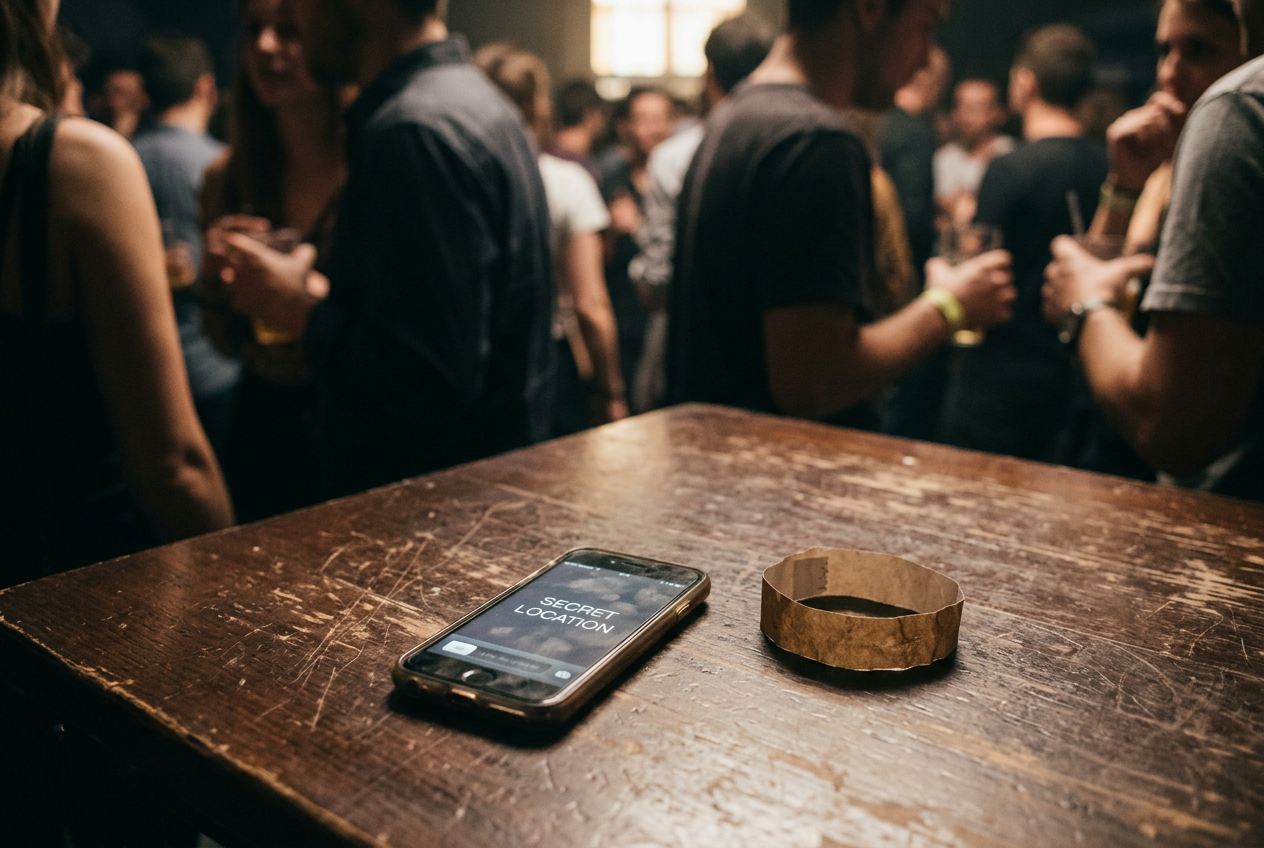
Promoters hide addresses to protect underground rooms from harassment and police attention. The same system quietly gives a few accounts control over who gets through the door.
Frankie Doyle · 8 min read
Scene
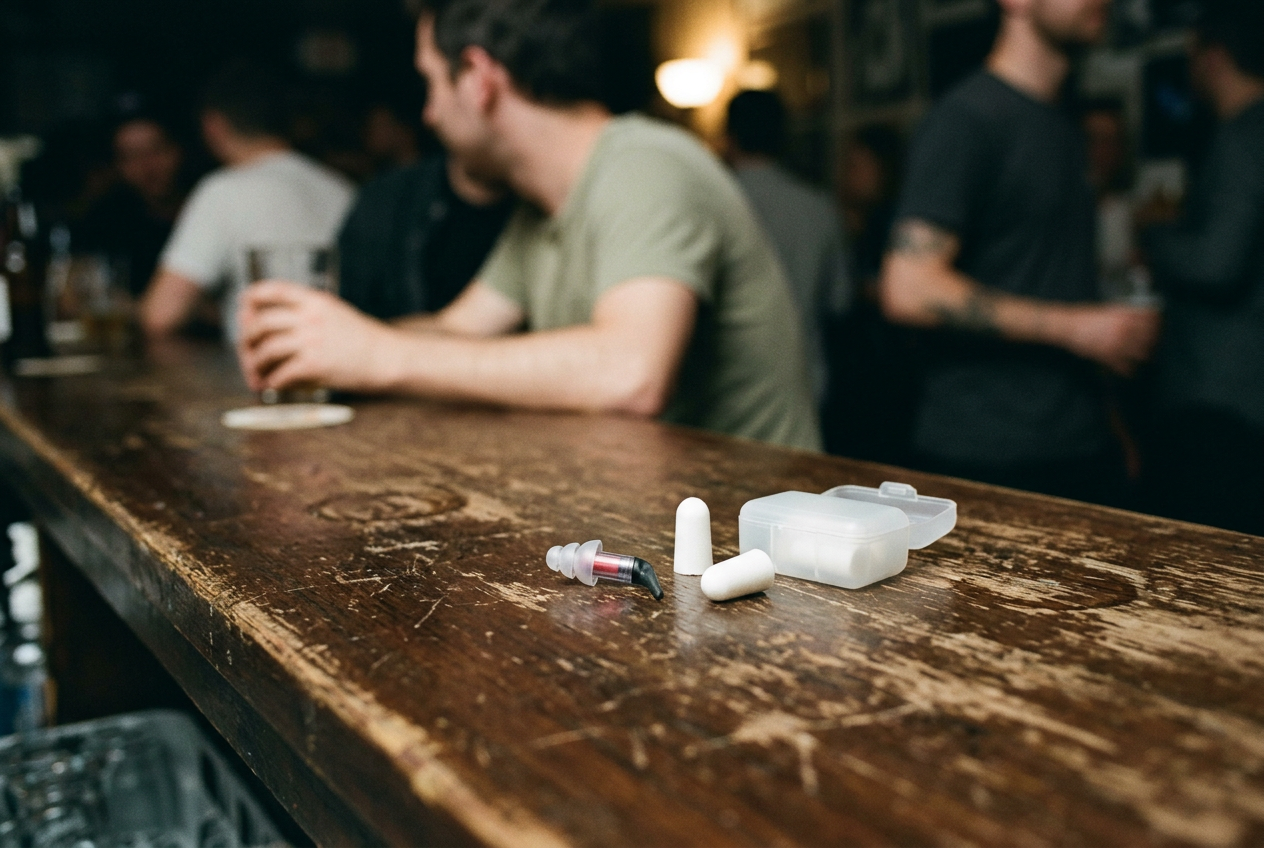
Foam blocks more, but filtered musician plugs preserve speech and the shape of a kick drum. The best protection is still the pair that seals properly and stays in all night.
Omar Diallo · 7 min read
Scene
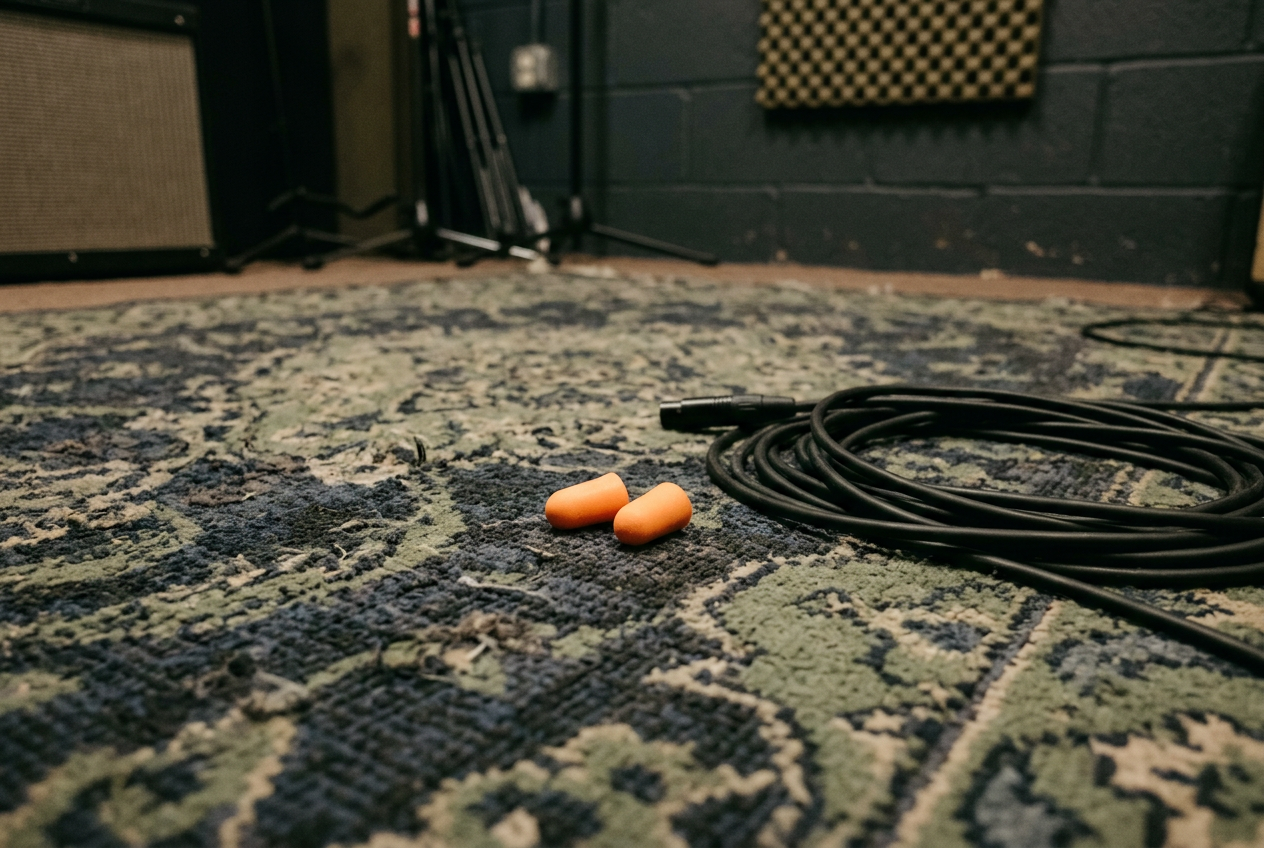
Hourly studios can host the performances formal venues have priced out. The model works by sharing infrastructure, limiting the crowd and staying inside rules written for another kind of room.
Bex Nakamura · 8 min read
Scene
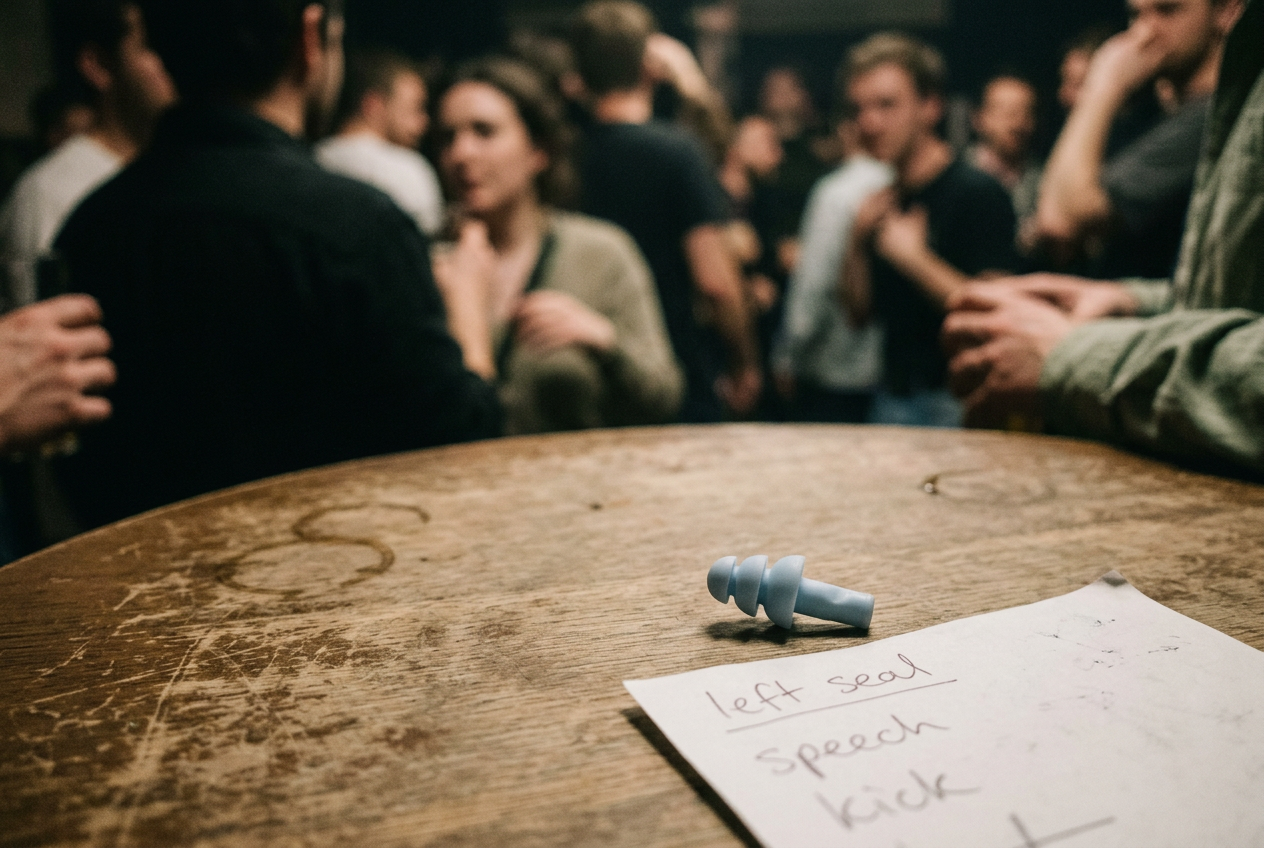
A reusable plug should survive more than one flattering sound system. Test the same pair across three rooms, with the seal and your position held as steady as nightlife allows.
Omar Diallo · 8 min read
Scene
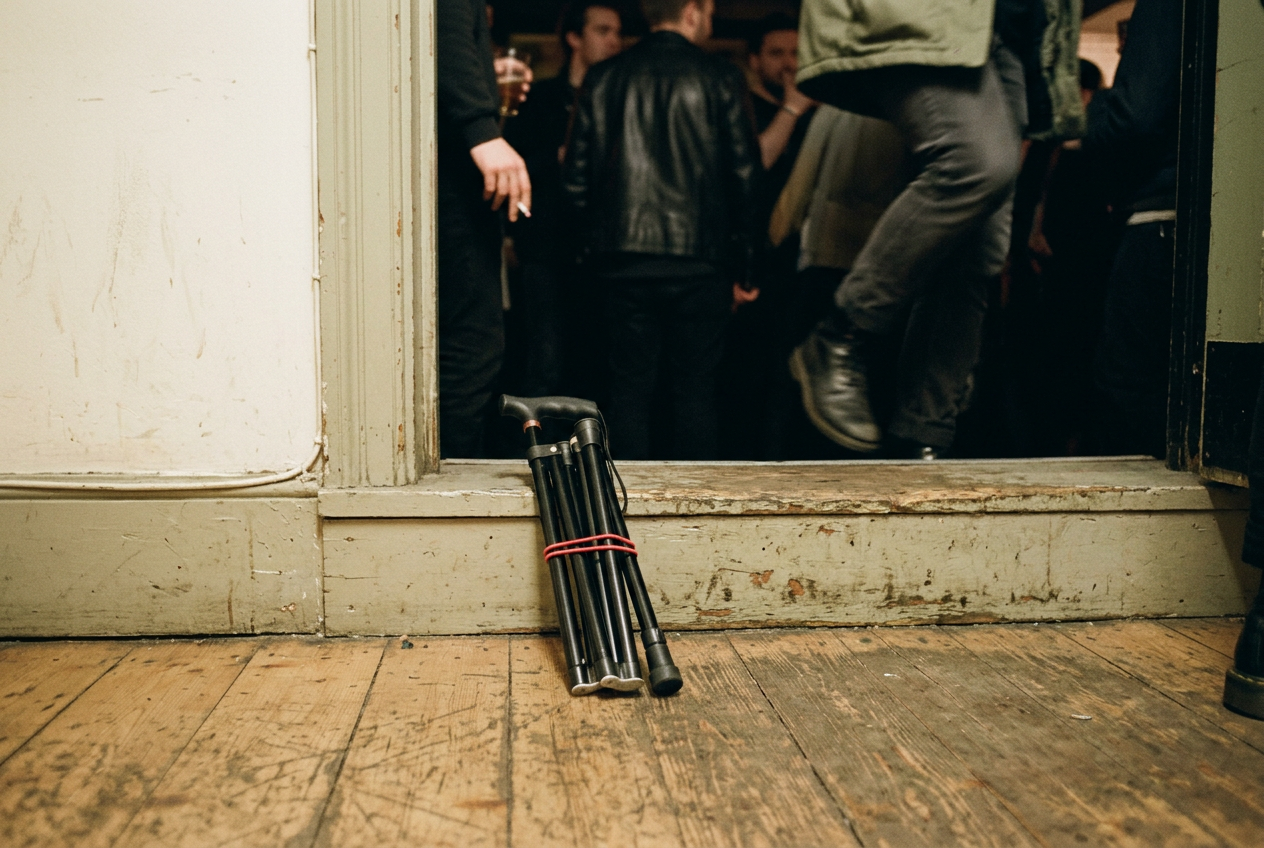
Small venues often publish access copy that sounds reassuring and answers almost nothing. Here is how to check the entrance, seat, bathroom, sensory warnings, and human response before checkout.
Frankie Doyle · 8 min read
Scene
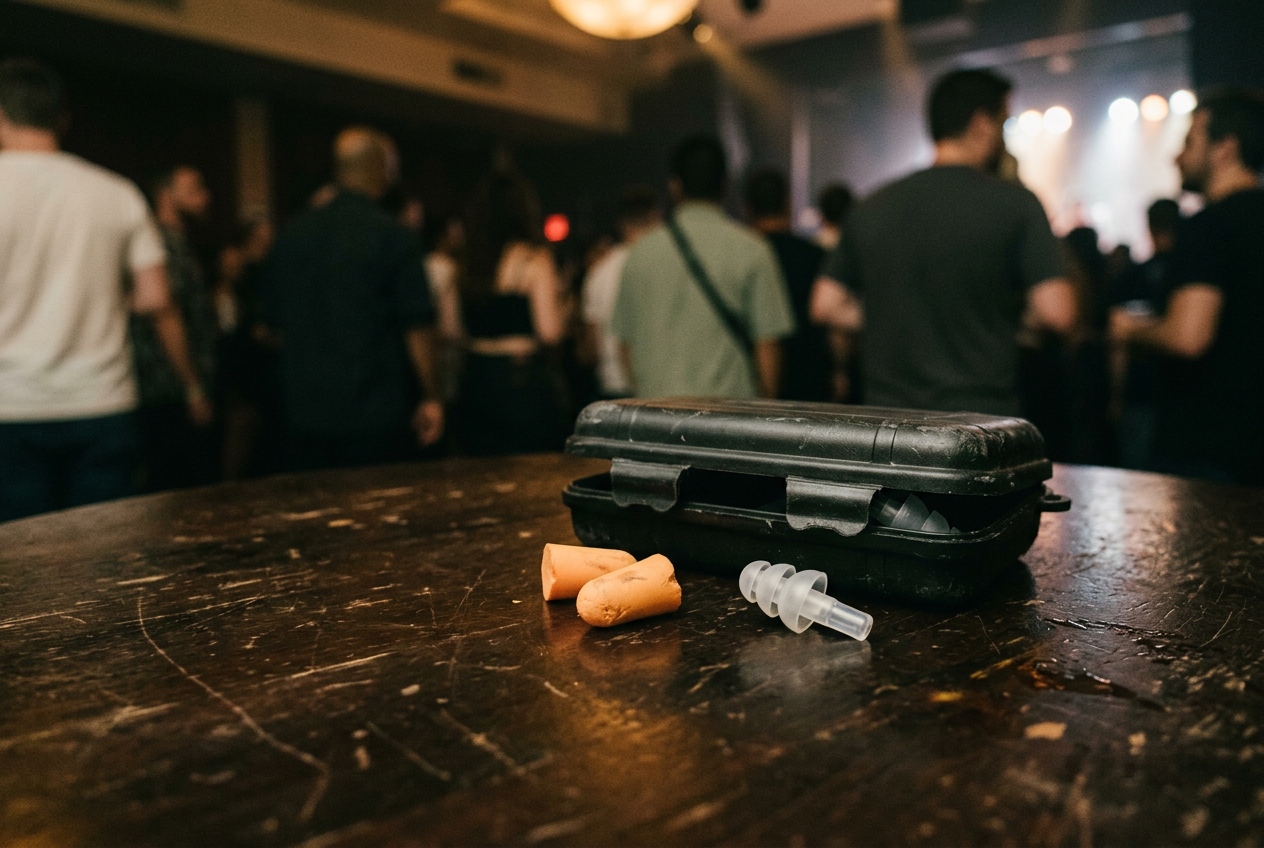
Filtered plugs preserve more of a set than disposable foam, but the filter cannot rescue a bad seal. Fit, insertion and knowing when to leave matter more than the lifestyle case.
Frankie Doyle · 8 min read
Scene
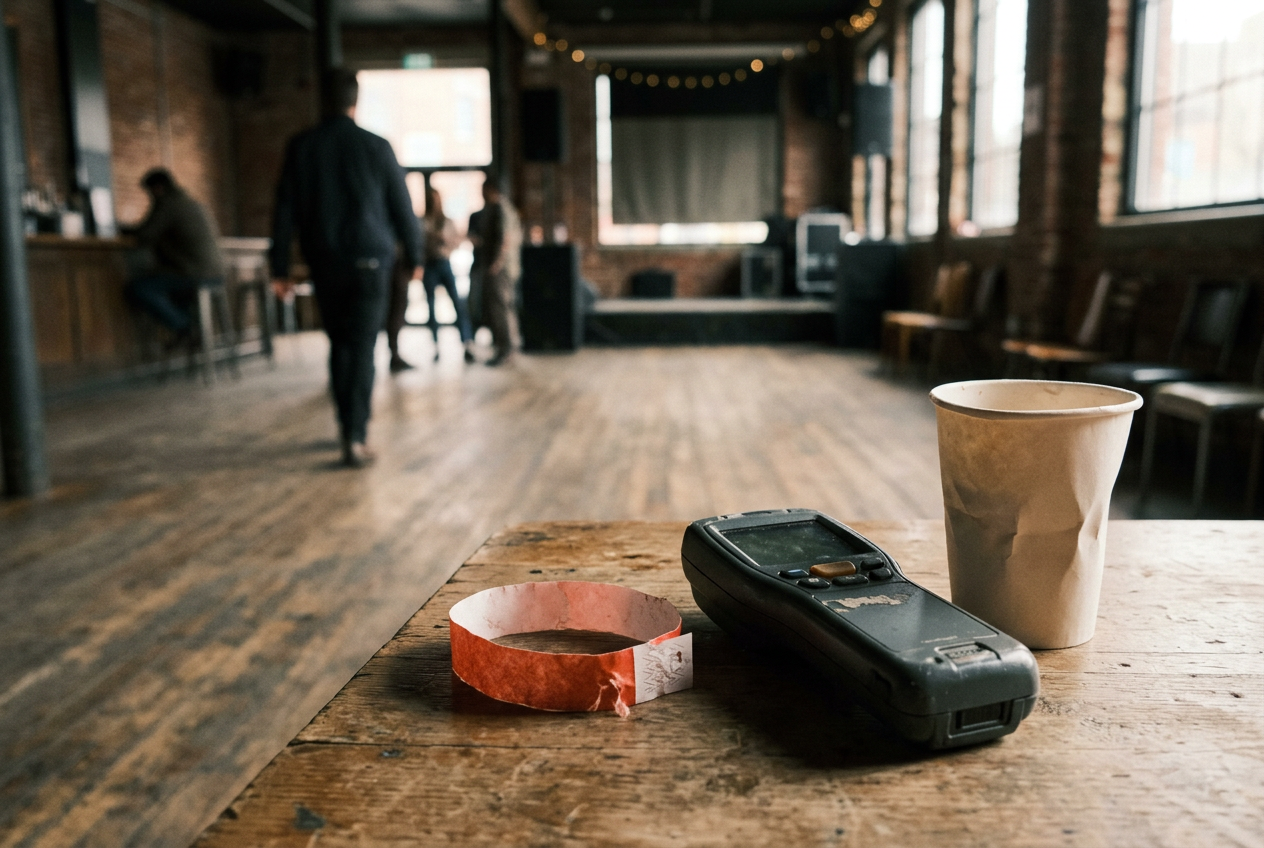
Without alcohol sales, a party cannot hide behind the bar tab. Daybreaker’s morning model shows how tickets, idle venue hours and outside work keep the speakers on.
Omar Diallo · 8 min read
Scene
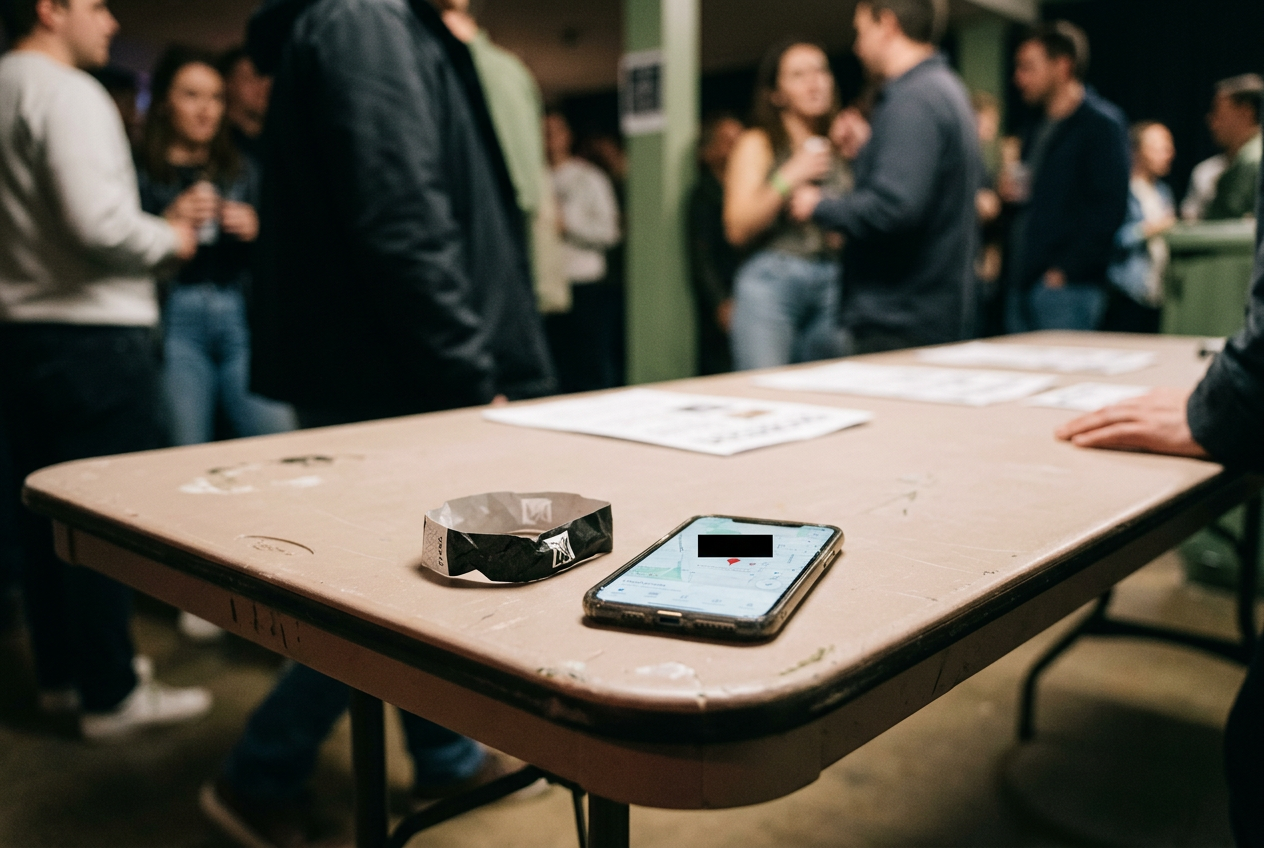
Invite chains and last-minute location drops can keep underground parties alive. They also turn friendship, phone access and social proximity into a door policy nobody has to admit writing.
Bex Nakamura · 8 min read
Scene
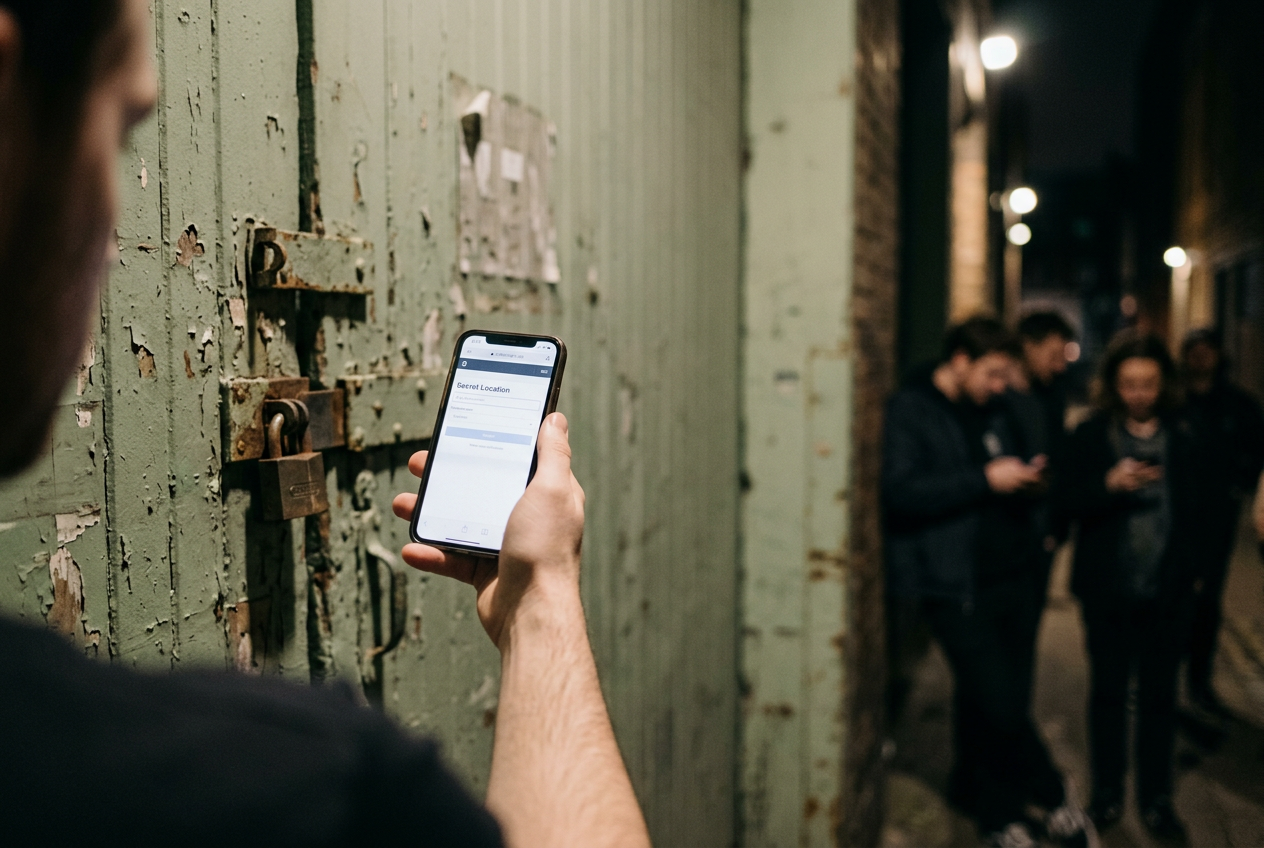
The address stays hidden until the last minute. Everything else, from the invite link to the refund request, passes through systems built to identify buyers and give platforms control.
Frankie Doyle · 7 min read
Scene
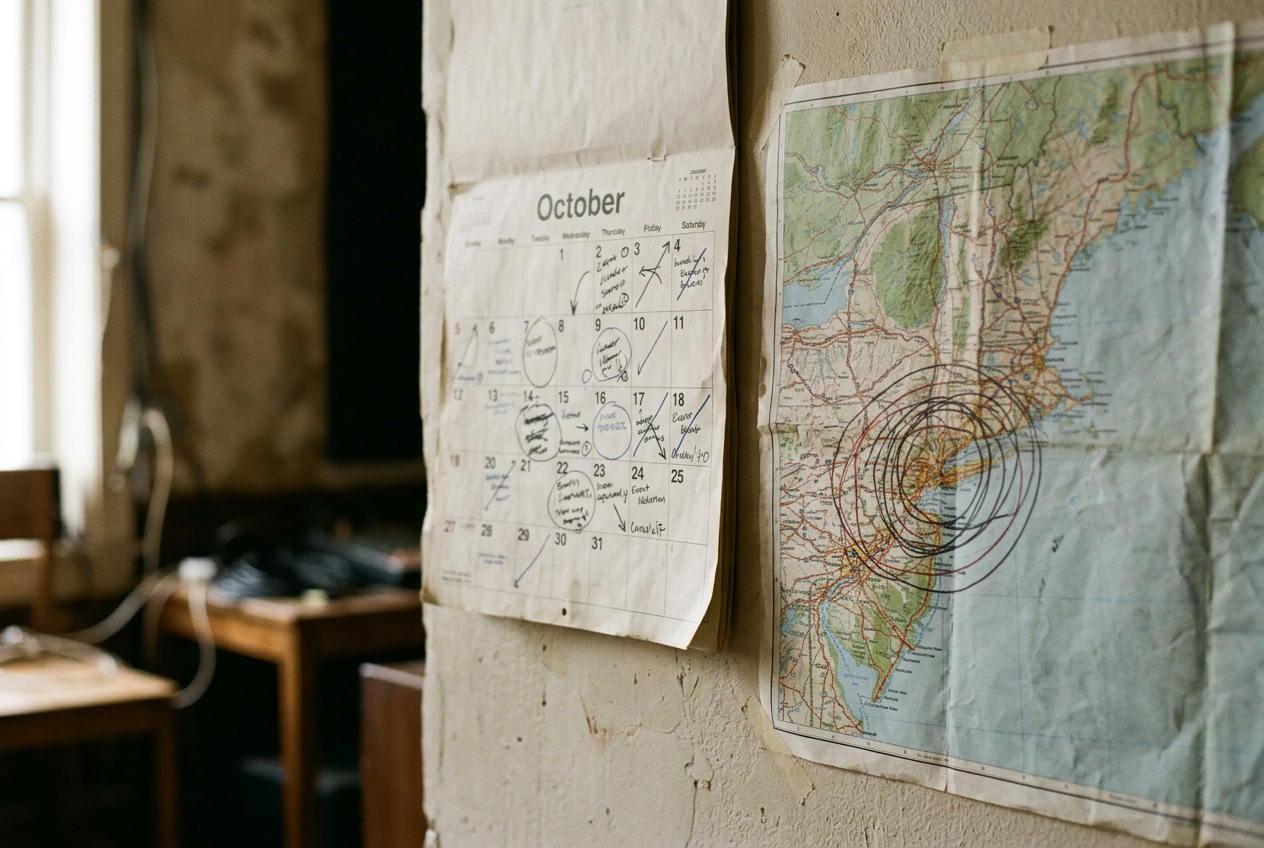
Tour protection negotiated around New York and Philadelphia can lock New Jersey rooms out of the same artist, weekend and audience. The empty date is part of the deal.
Bex Nakamura · 7 min read
Scene
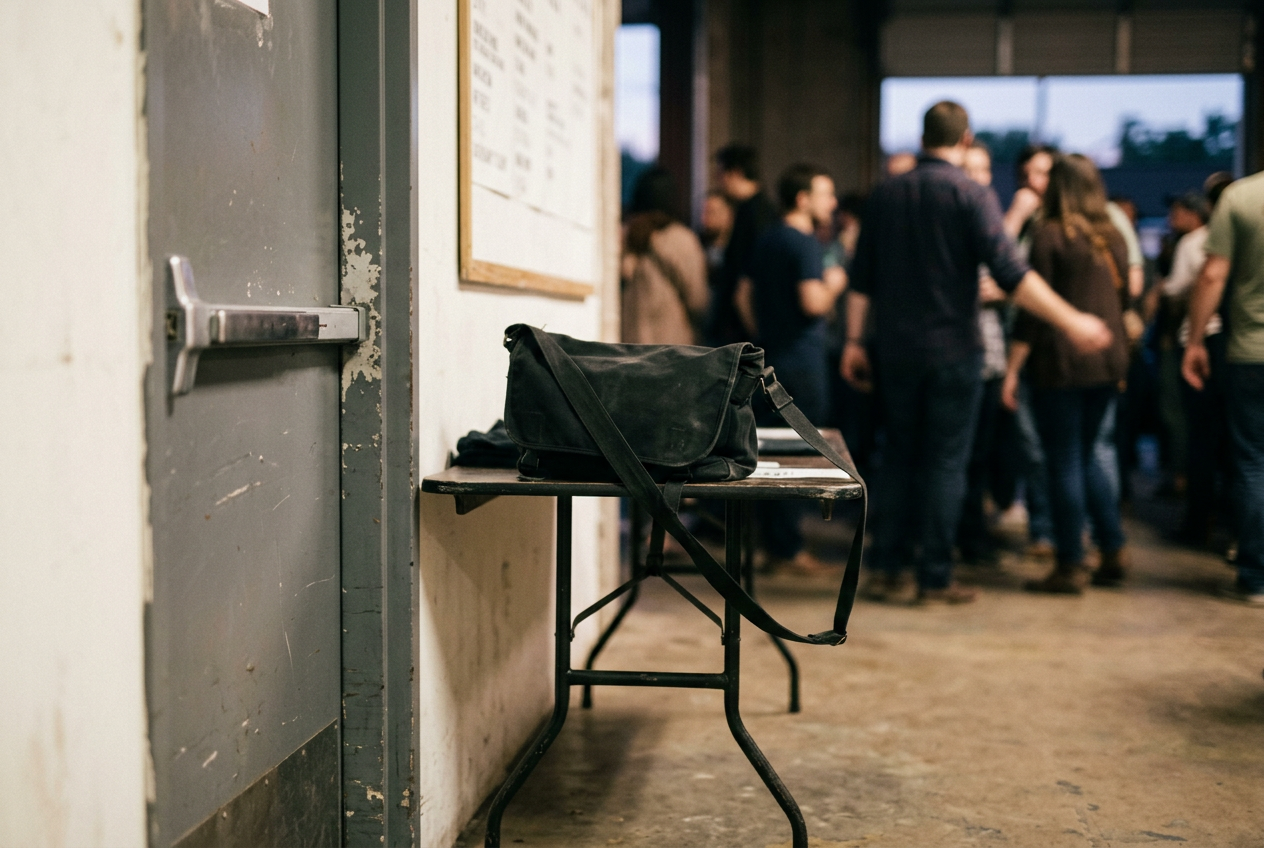
Before the first band starts, trace the route out. Capacity paperwork matters, but the real test is whether doors, aisles and people will still move when the room fills.
Bex Nakamura · 8 min read
Scene
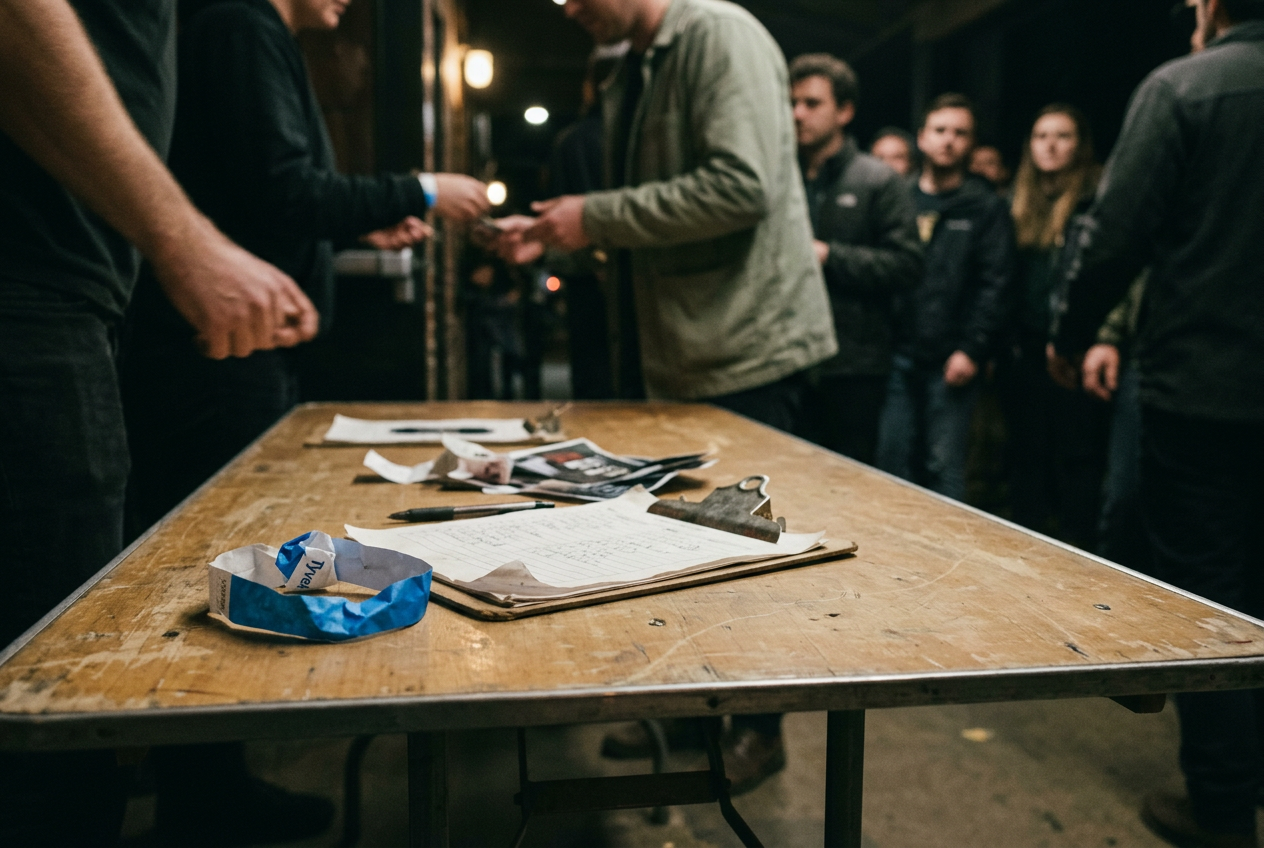
Insurance does not need to close a DIY venue to change it. Guest lists, memberships and quieter promotion make rooms easier to insure while narrowing who gets through the door.
Bex Nakamura · 8 min read
Scene
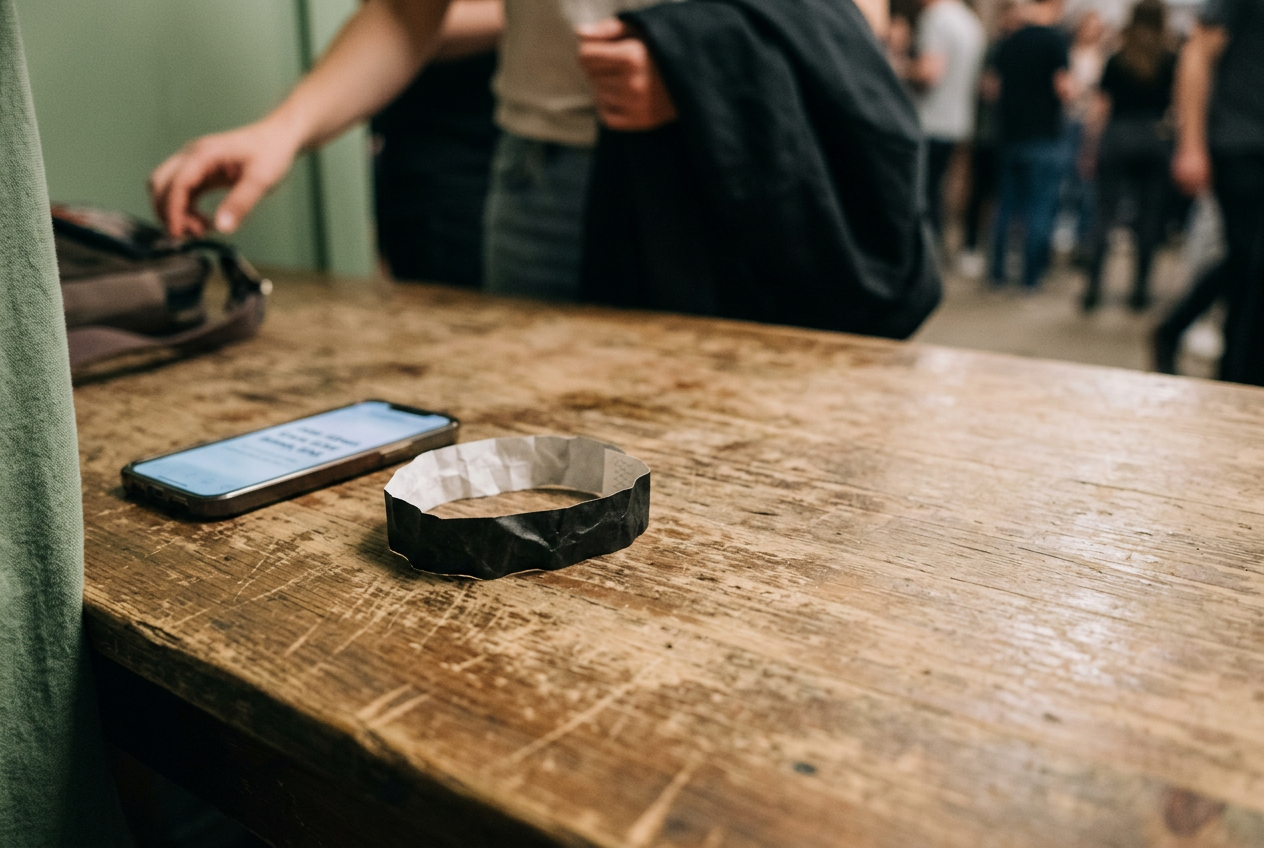
A hidden address can keep a DIY room below the enforcement threshold. It can also conceal who carries the risk when the lease, zoning and insurance describe a different business.
Omar Diallo · 8 min read
Scene
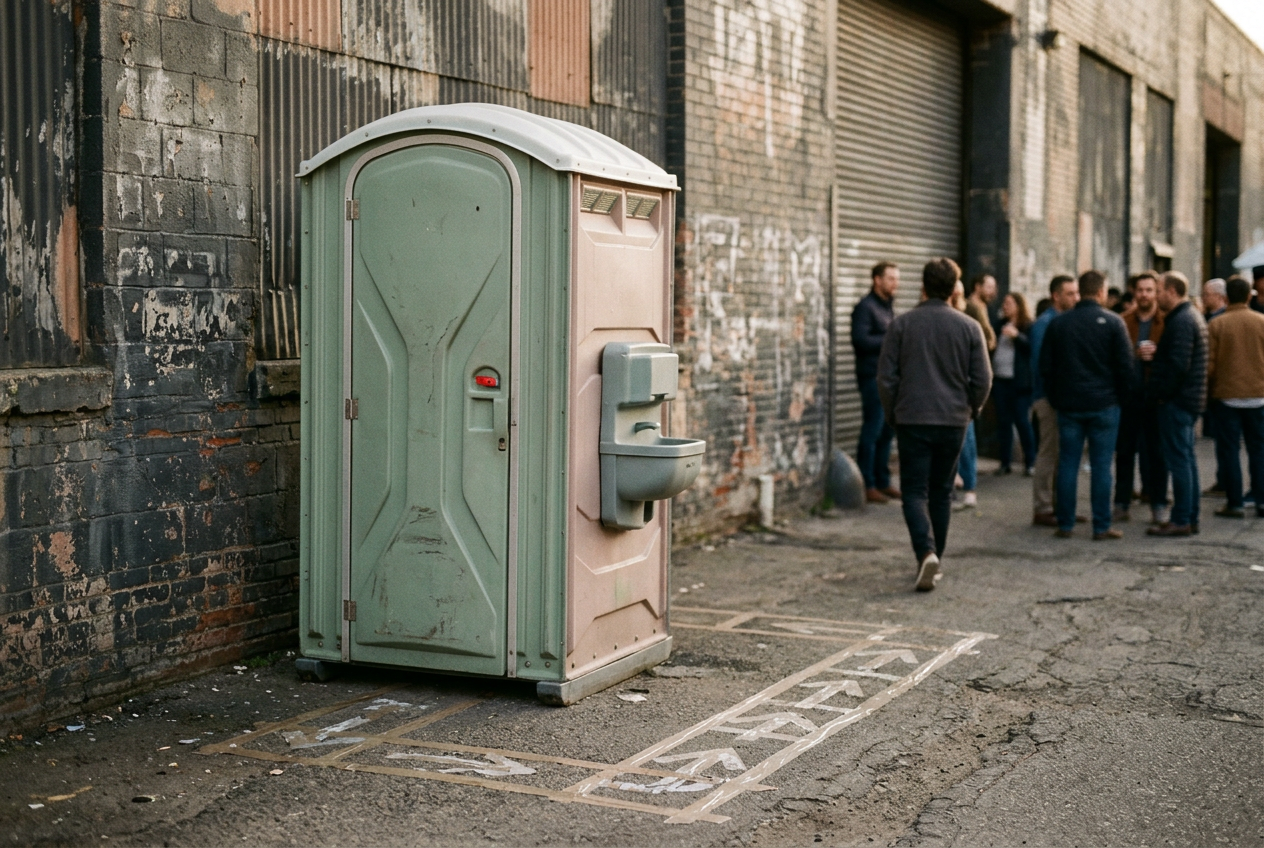
Temporary venues live or die by the infrastructure nobody posts: working toilets, free water, breathable air and exits that remain usable when the room fills.
Bex Nakamura · 8 min read
Scene
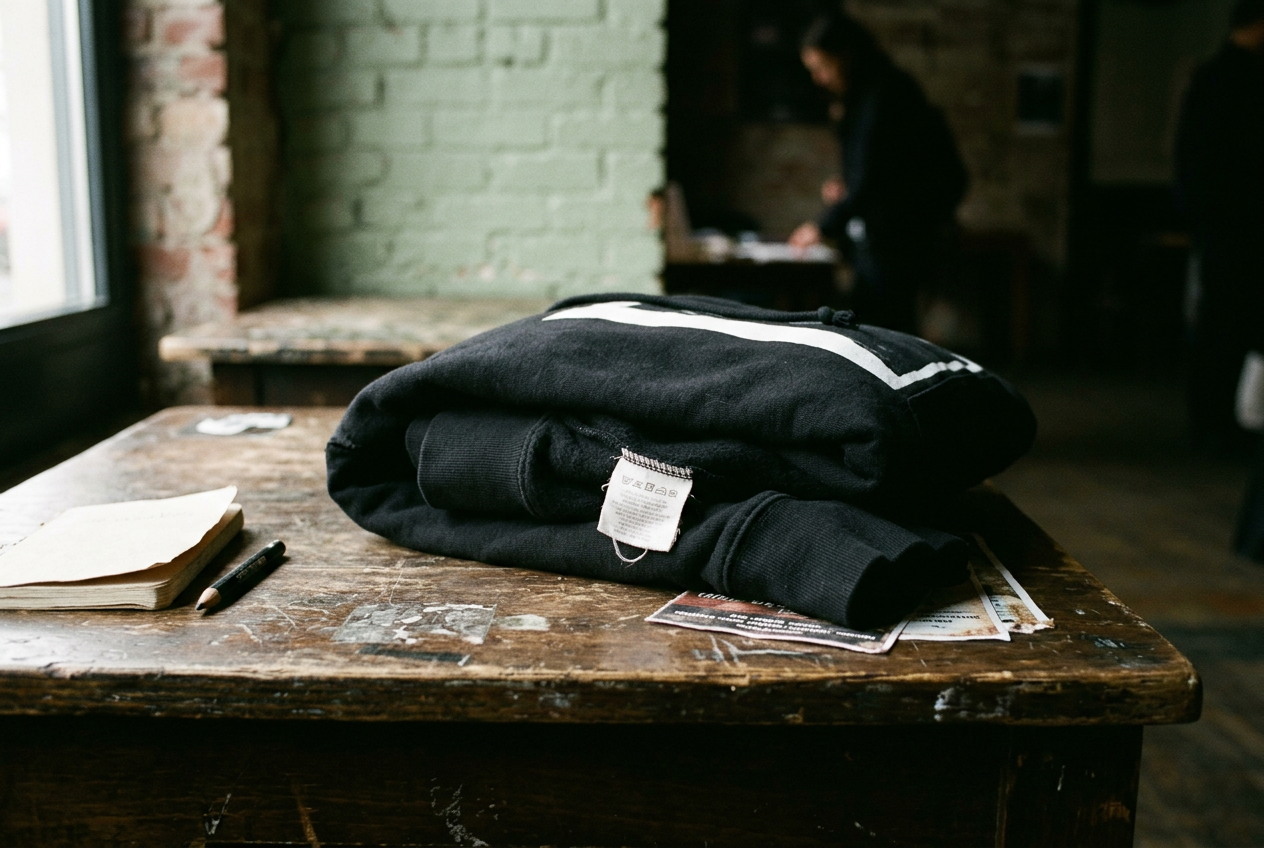
A merch table can fund the night and still sell a bad garment. Inspect the blank, print and fit before you turn scene loyalty into another shirt you avoid wearing.
Frankie Doyle · 8 min read
Scene
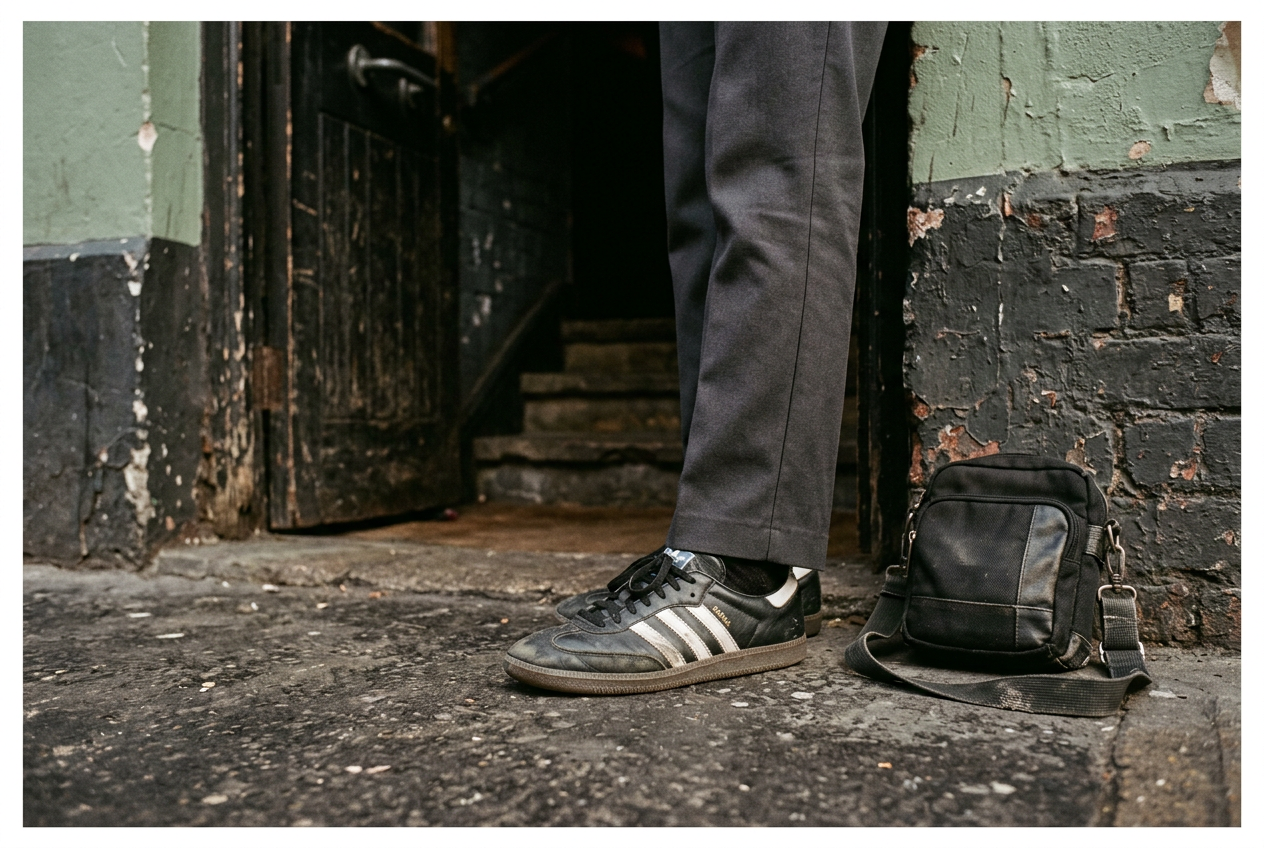
A black leather Samba can satisfy the written policy and still fail the person reading it. To test a dress code, you have to audit the door, not the website.
Omar Diallo · 8 min read
Scene
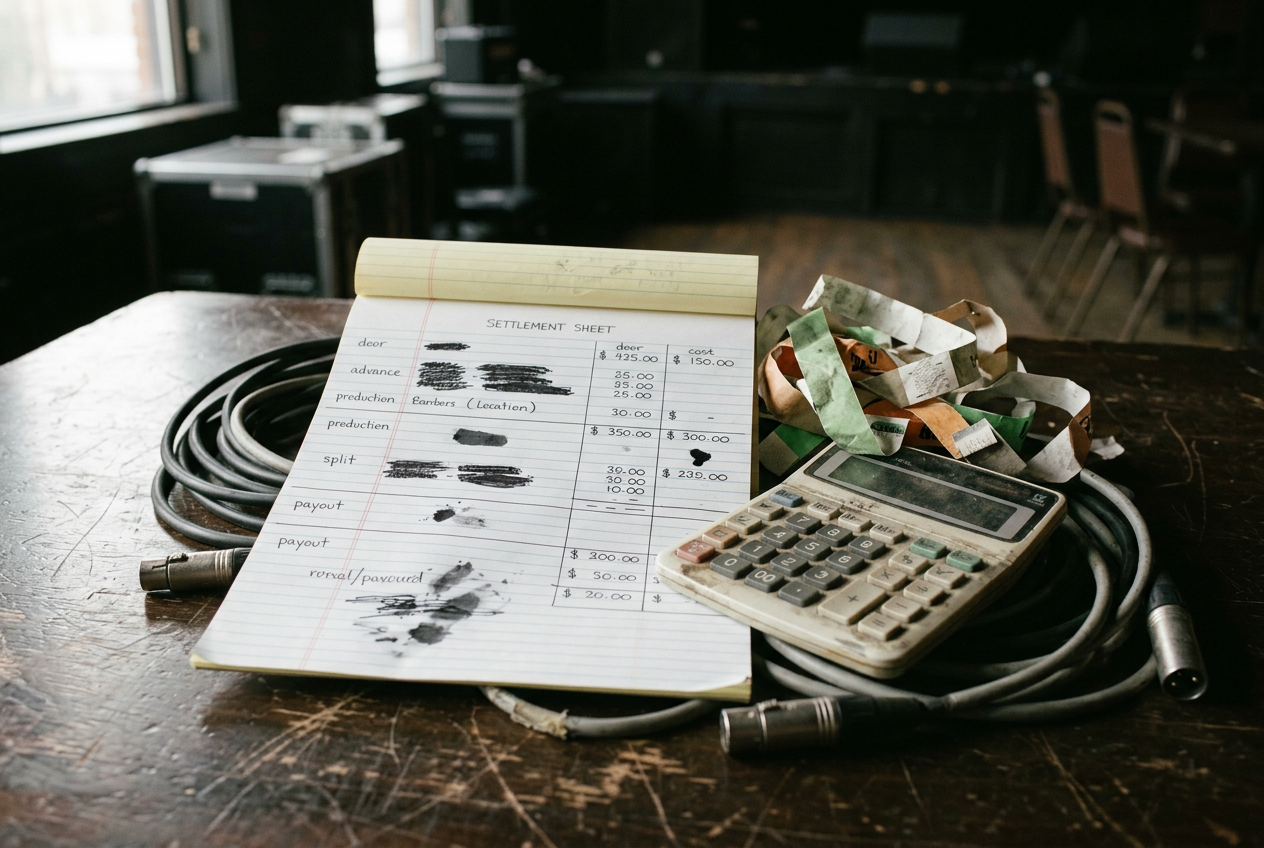
The crowd sees a full room. The settlement sees rent, sound, security, promotion, guarantees and a shrinking pool of cash.
Frankie Doyle · 7 min read
Scene
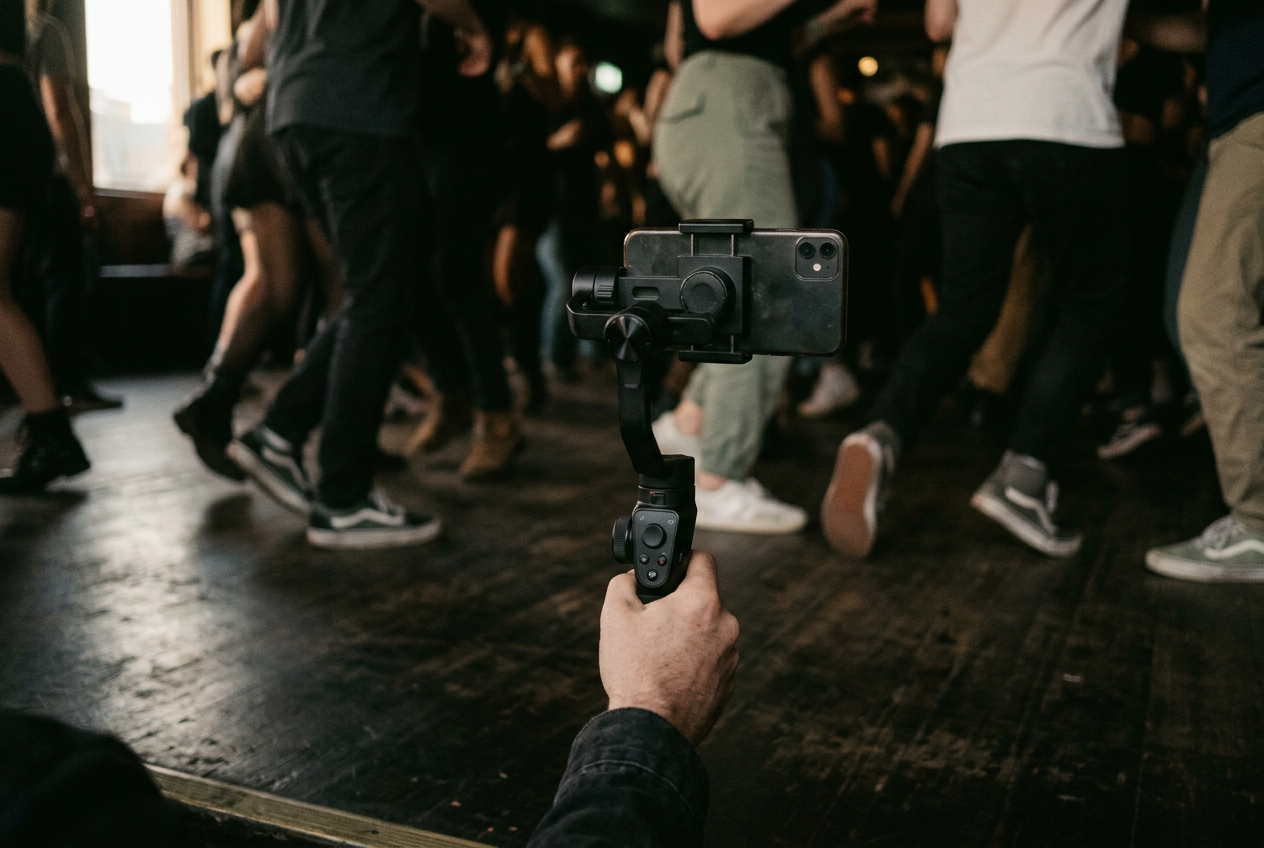
The phone camera gives Jersey club a larger public and a smaller stage. On the same floor, dancers now negotiate the room, the camera operator and the feed.
Frankie Doyle · 7 min read
Scene
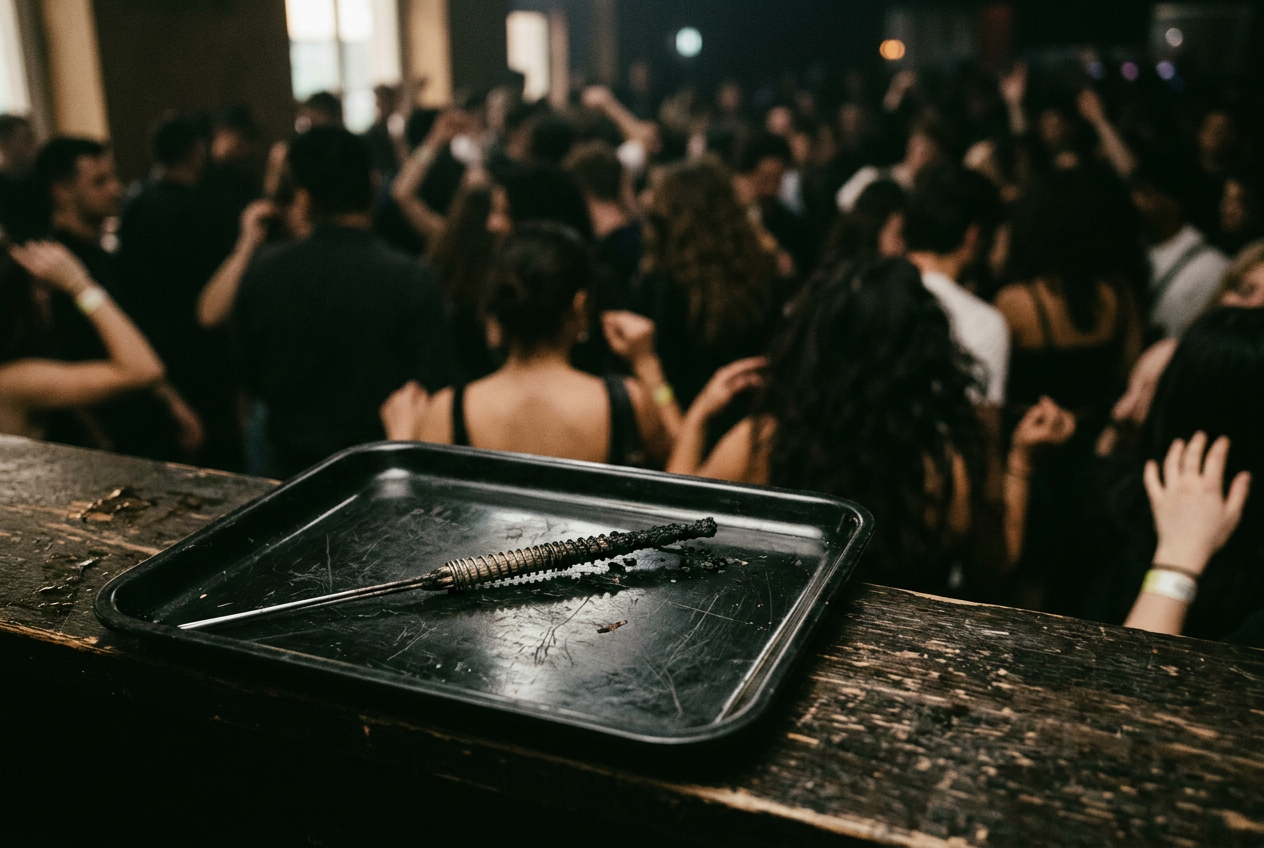
In hybrid clubs, the highest-spending tables increasingly dictate the floor plan, staff choreography and even the usable shape of the music.
Frankie Doyle · 8 min read