Power
Remote hearings opened courtrooms to anyone with a browser. They also gave clipping accounts a supply of defendants whose worst minutes can be searched, reposted and monetized for years.
Lena Vasquez · 8 min read
Power
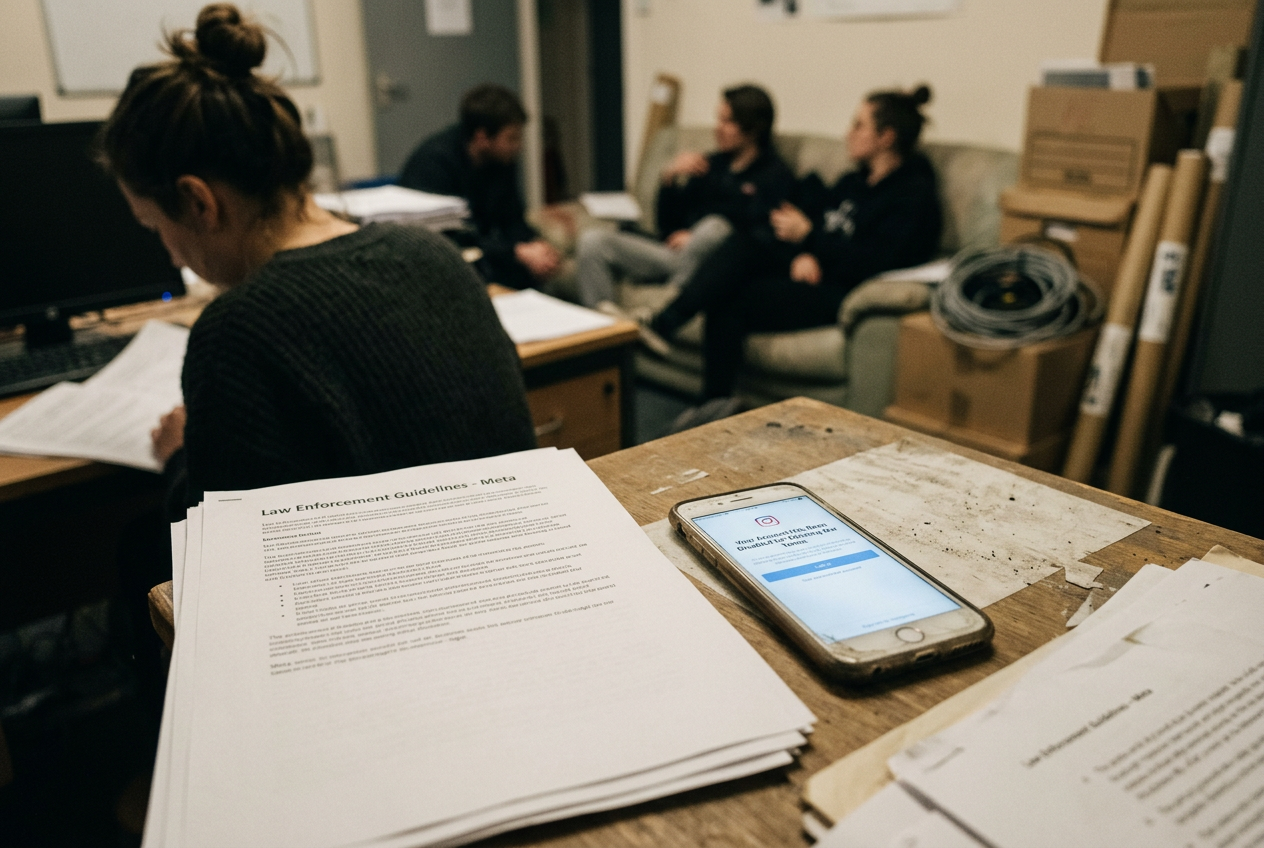
Instagram can remove an account from public view while preserving its records for legal requests. The disabled-account notice tells you almost nothing about where the data remains.
Lena Vasquez · 8 min read

Power
The Teixeira leak case shows the pipeline: preserve the account, compel platform records, then prove who was typing. The weak point is often not obtaining a chat but attaching a person to it.
Kurt Halloran · 7 min read

Power
Booking photos leave government custody, become search-engine bait and return as a removal bill. Paying usually erases one commercial page, not the public record or its copies.
Kurt Halloran · 8 min read
Power
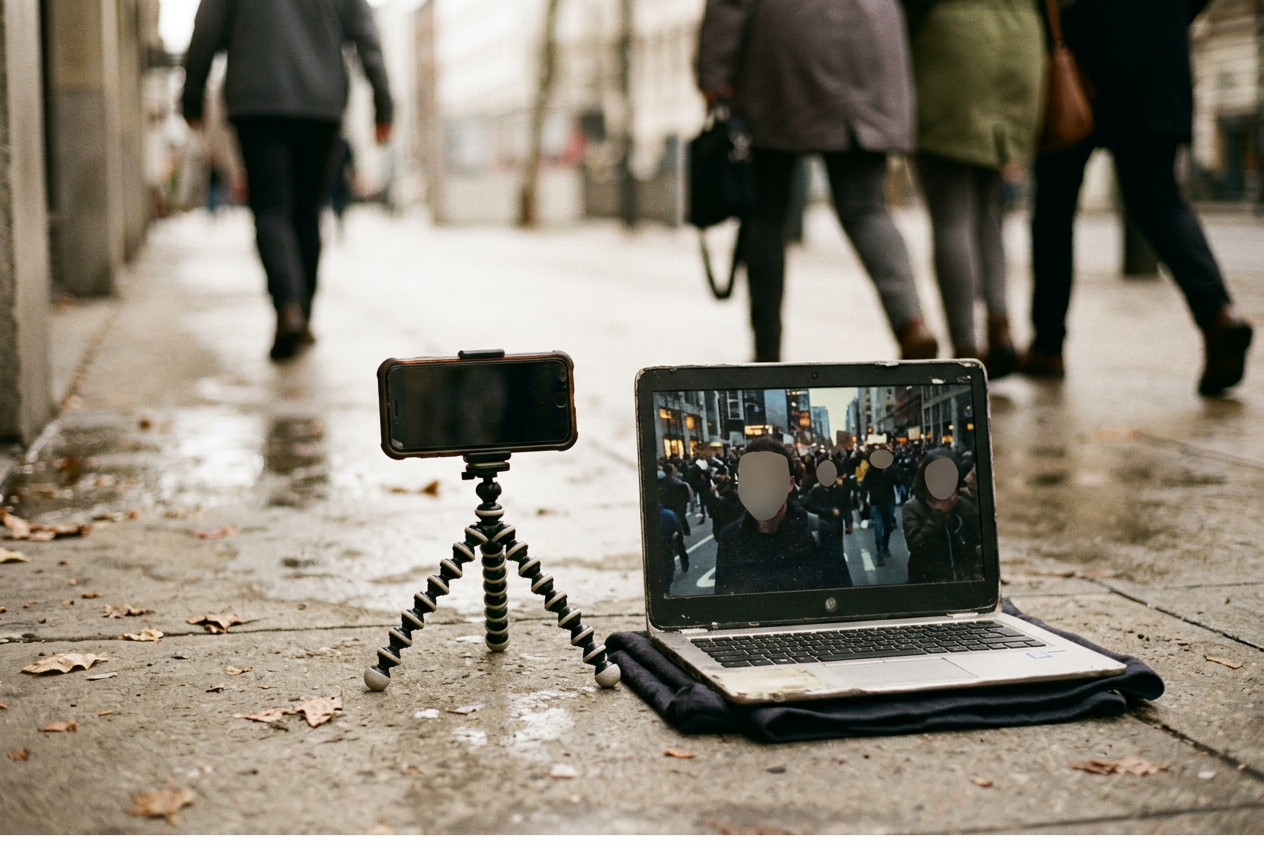
Once public video is copied, deleting the stream does not recall it. Investigators can search old footage by faces, clothing, words, places and time.
Lena Vasquez · 8 min read
Power
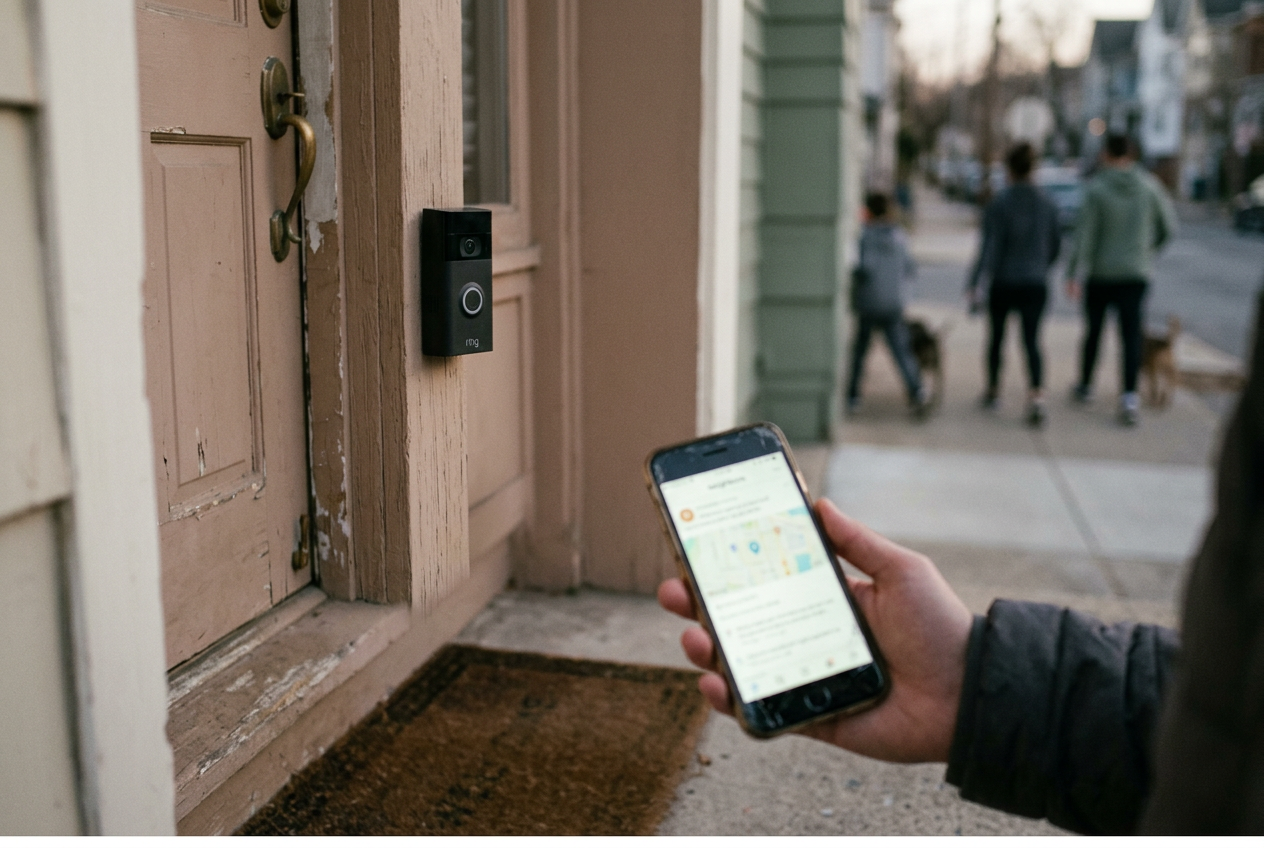
The Neighbors app no longer gives police a broadcast tool for soliciting recordings. Consent, warrants and emergency disclosures remain available.
Kurt Halloran · 8 min read
Power
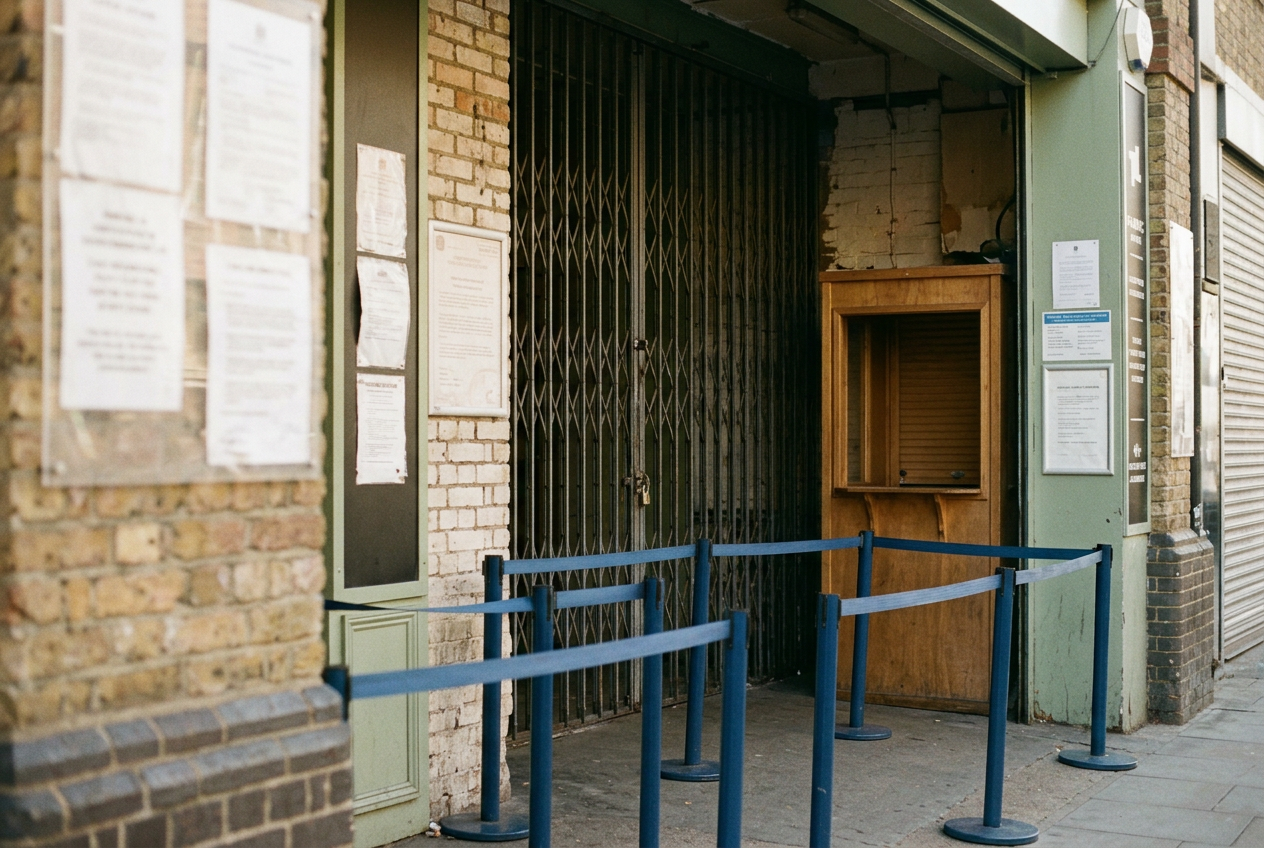
Fabric’s 2016 closure shows how a venue license can become a fast administrative weapon. Noise, police reports and incidents need not produce a conviction to threaten the room.
Simone Achebe · 8 min read

Power
Platform transparency totals collapse court orders, police notices and agency referrals into deceptively tidy numbers. The labels tell you who contacted the company, not how much legal force they had.
Lena Vasquez · 7 min read
Power
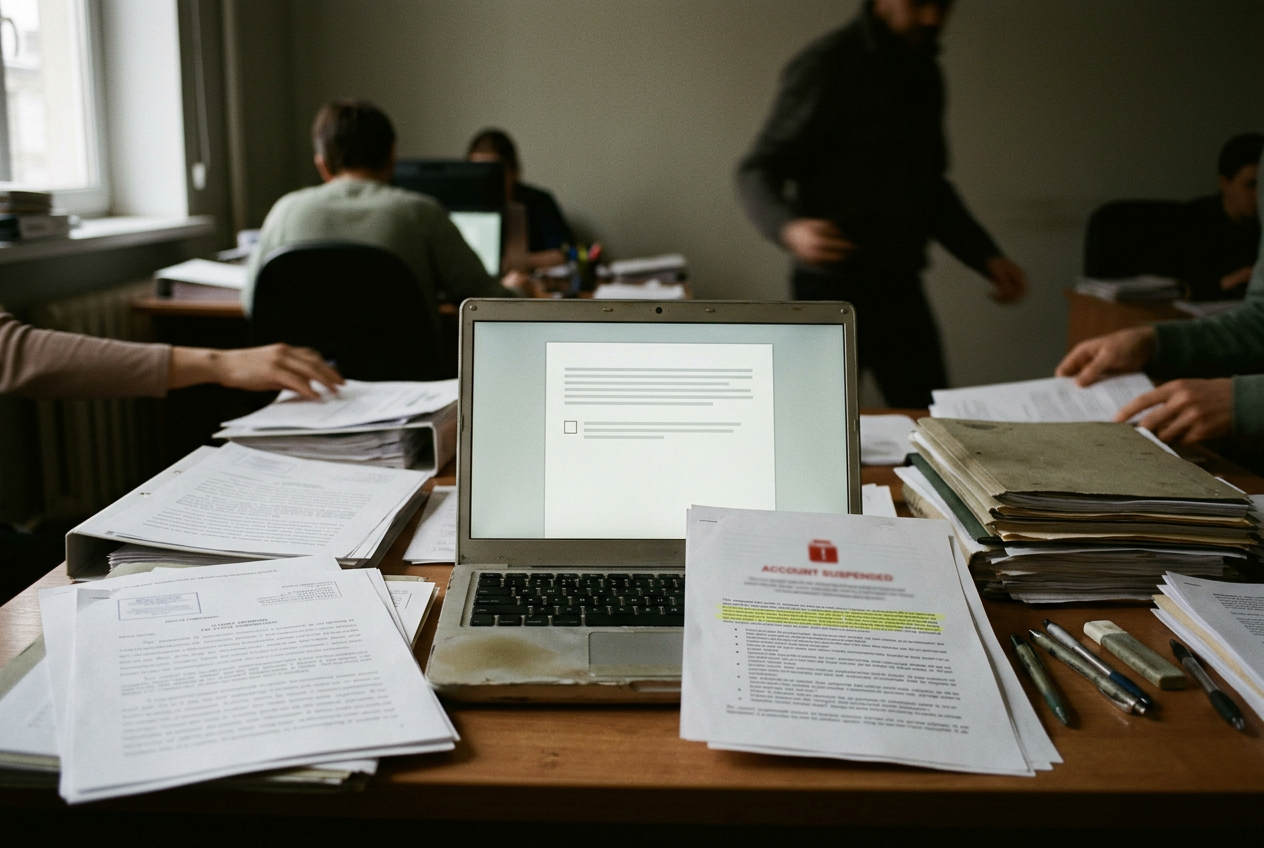
The failed prosecution of Lori Drew shows the route from a platform checkbox to a criminal courtroom, and the limit courts placed on turning private rules into public law.
Lena Vasquez · 8 min read
Power
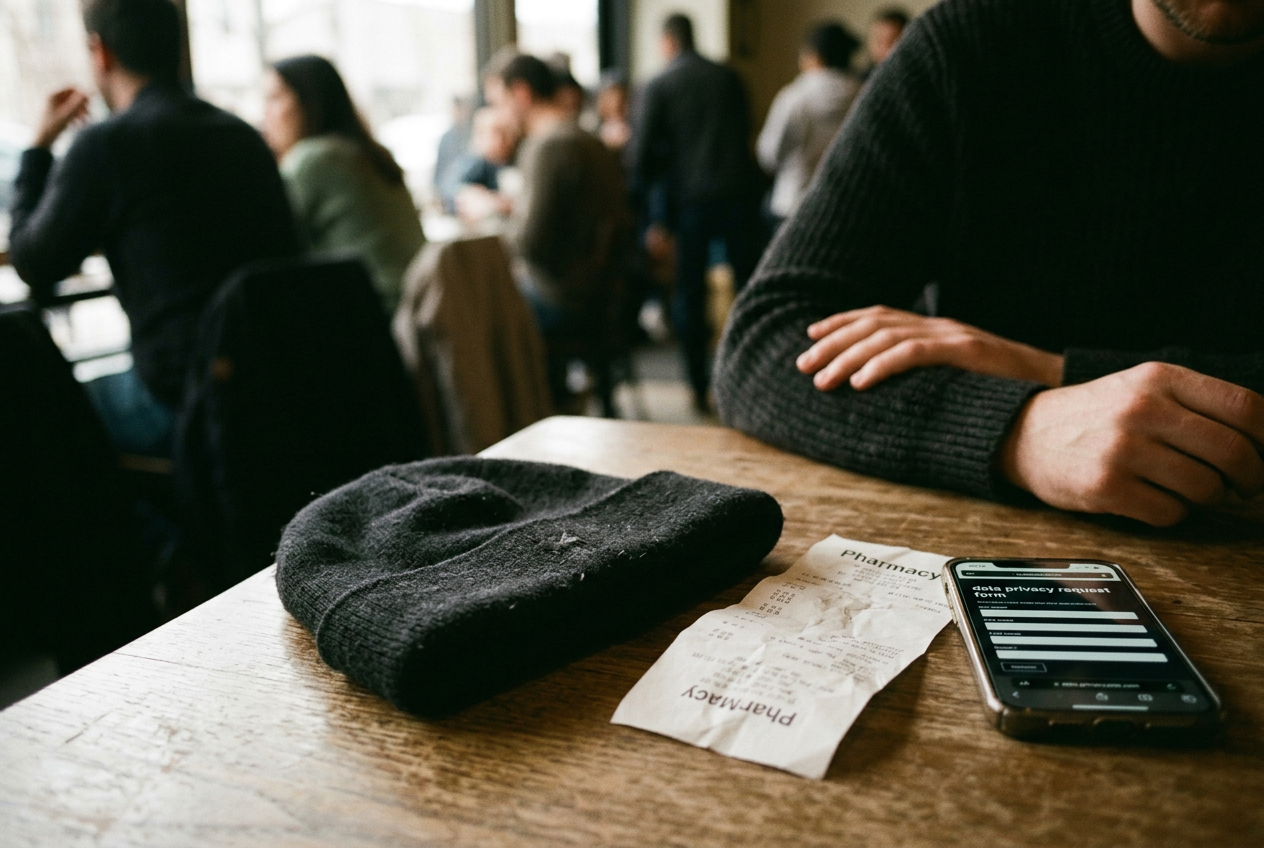
Retail facial recognition turns a similarity score into a private ruling at the entrance. Most store policies disclose data collection without explaining how a mistaken flag gets cleared.
Lena Vasquez · 8 min read
Power
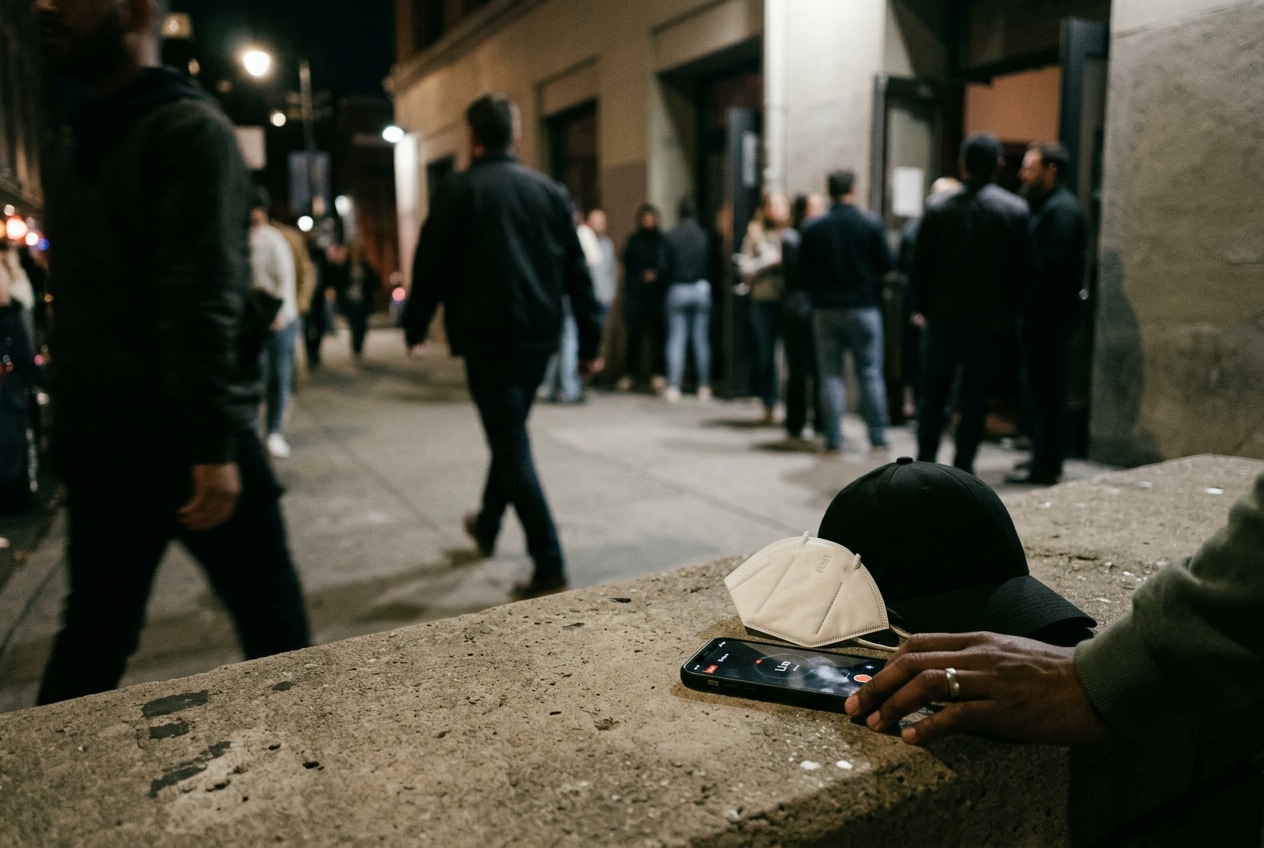
Live video can document misconduct while handing faces, movements and permanent copies to police or harassers. Most platform privacy tools arrive after exposure.
Simone Achebe · 7 min read
Power
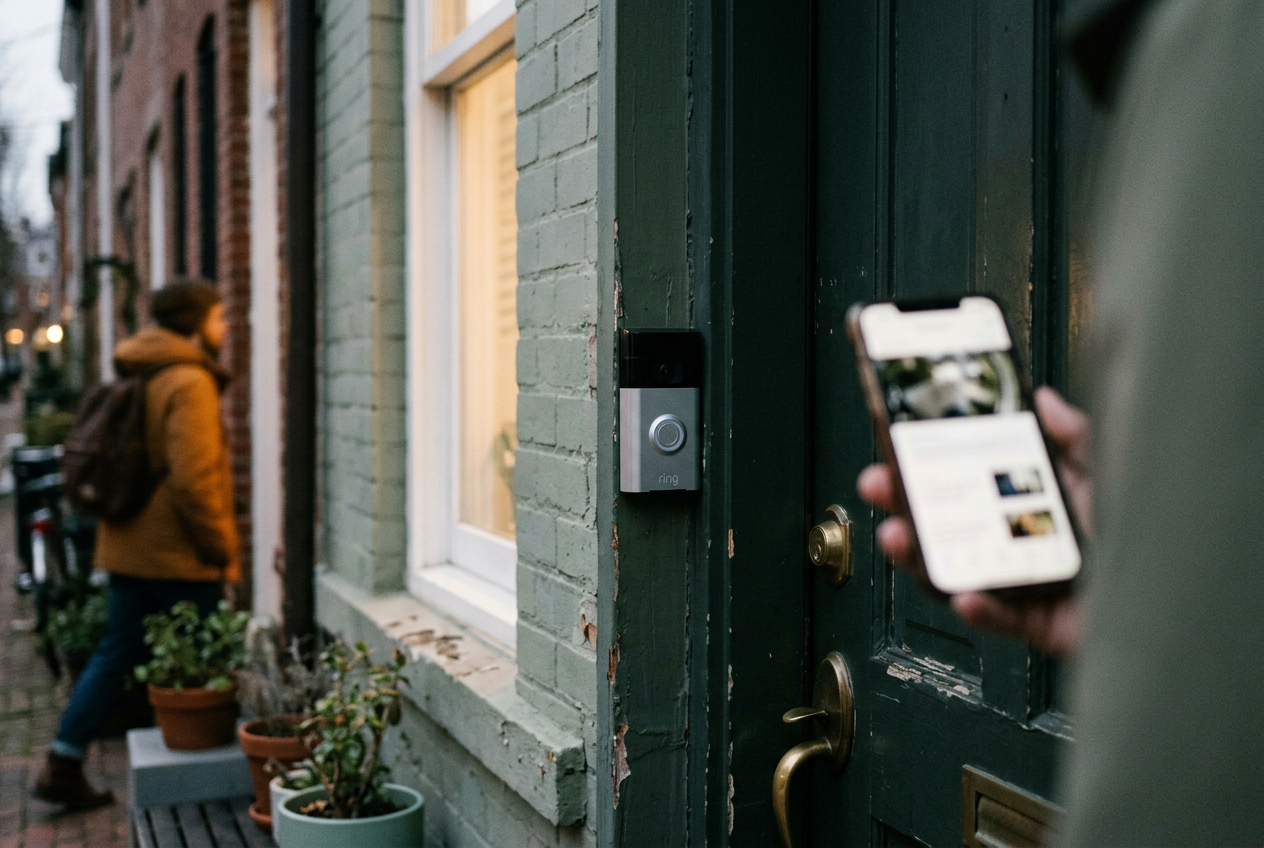
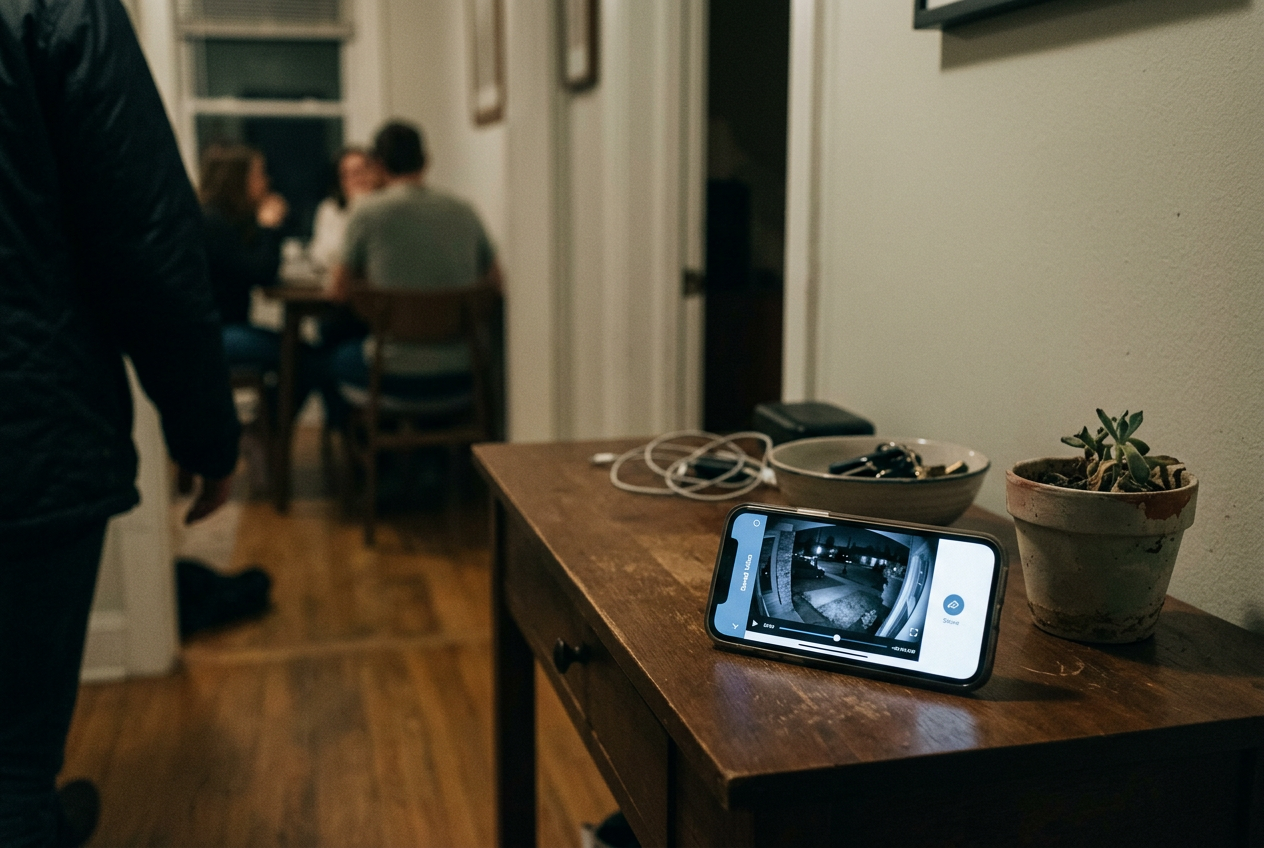
Ring retired the police request feature inside Neighbors. It did not remove the cameras, public posts, user exports or legal routes that keep doorbell footage moving.
Simone Achebe · 8 min read

Power
Deleting the original photo leaves behind snippets, mirrors and broker records. Here is how to audit the whole chain before paying anyone to bury it.
Simone Achebe · 8 min read
Power
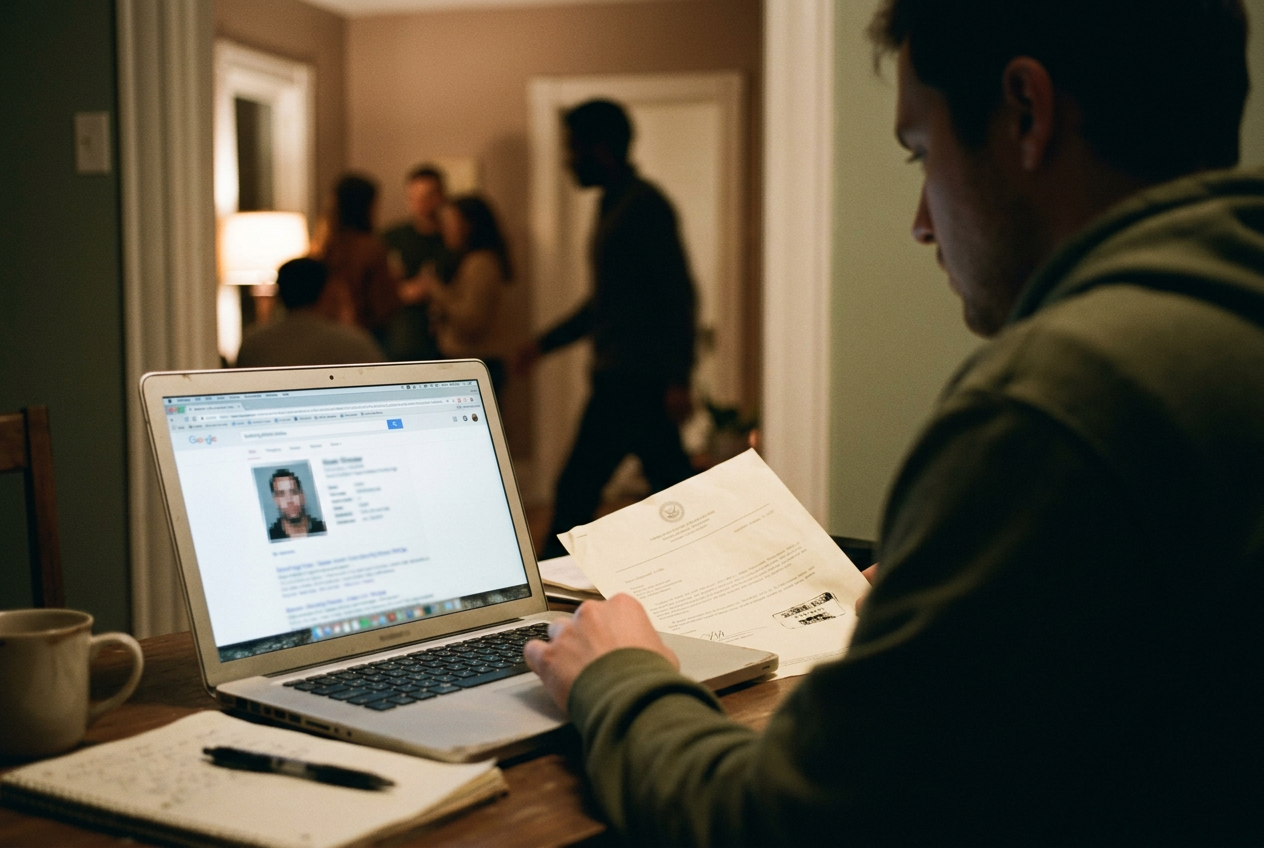
A retention policy controls the police copy, not every copy made while it was public. Getting an arrest image out of search means following it through each publisher and index.
Lena Vasquez · 7 min read
Power
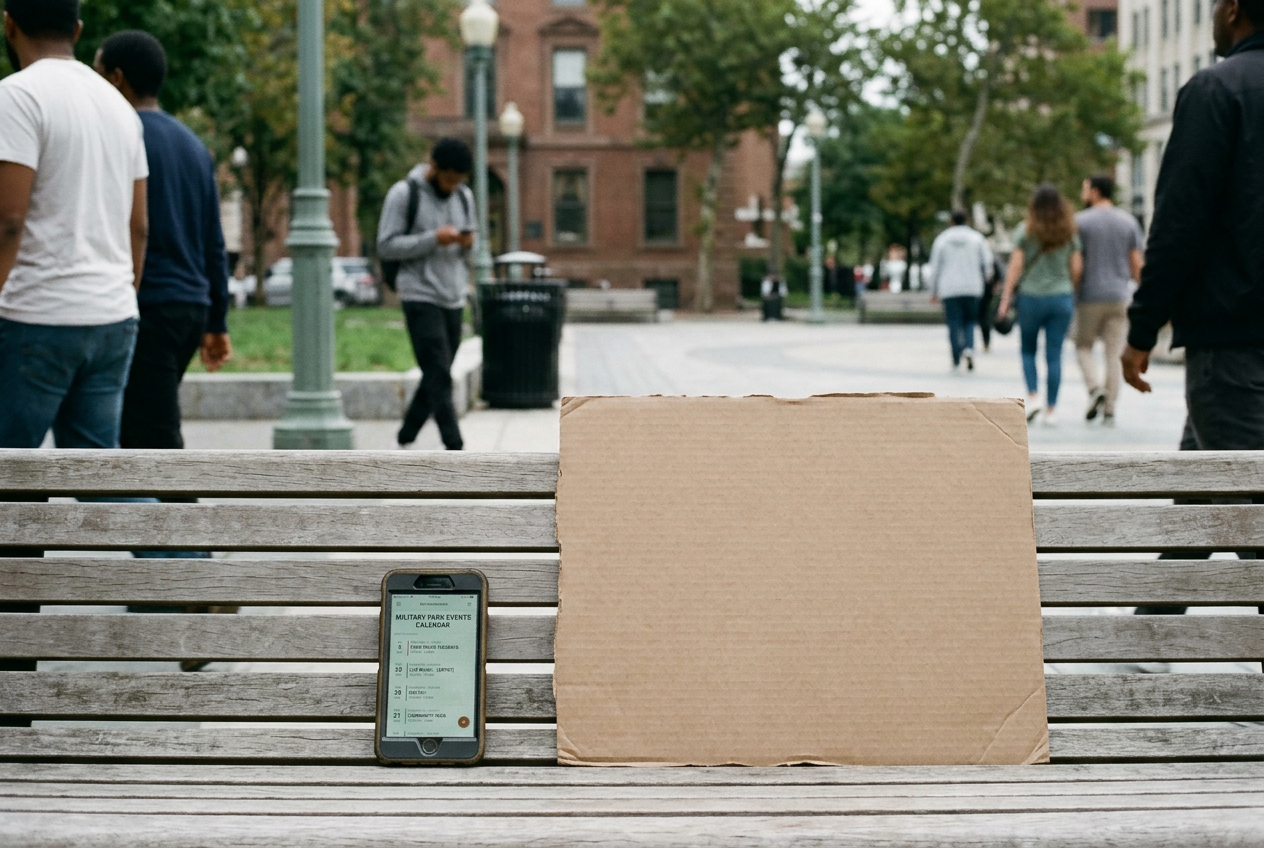
Across New Jersey, public plazas are managed like event venues. Calendars, insurance demands and sound permits can narrow protest rights without any legislature voting to do it.
Lena Vasquez · 8 min read
Power
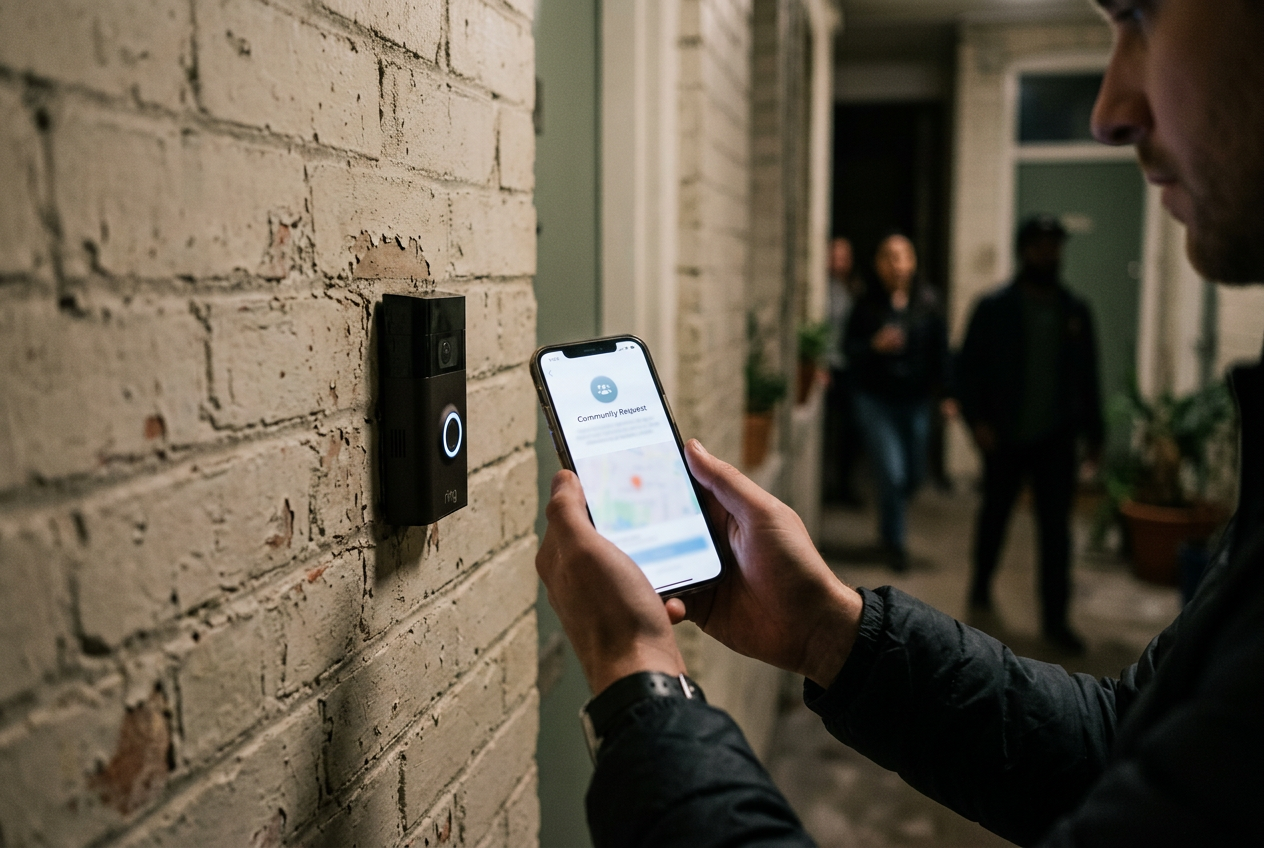
Ring removed police requests from Neighbors, then introduced a narrower route through Axon. The button changed; the privately funded camera network remained.
Simone Achebe · 7 min read

Power
Police produce the image. Public-record systems release it. Search engines give it a permanent audience, and private firms charge the accused to contain the damage.
Simone Achebe · 8 min read

Power
A post can disappear from a forum while surviving inside a platform hold or police evidence system. The decisive event is often whether someone preserved or copied it before deletion.
Kurt Halloran · 8 min read
Power
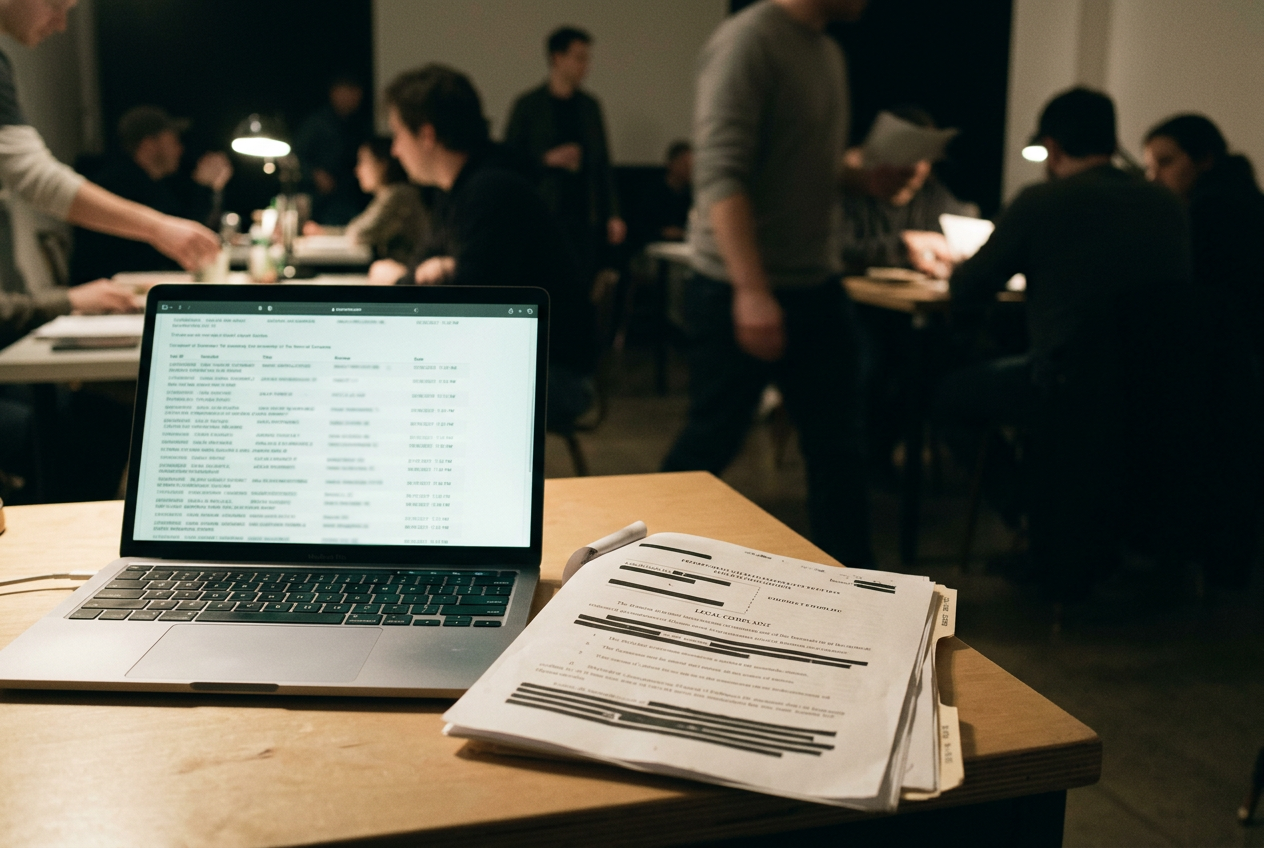
New Jersey’s court portal reduces the distance between a person’s name and an old criminal accusation. The state controls access to its files, but it does not control every copy made from them.
Lena Vasquez · 8 min read
Power
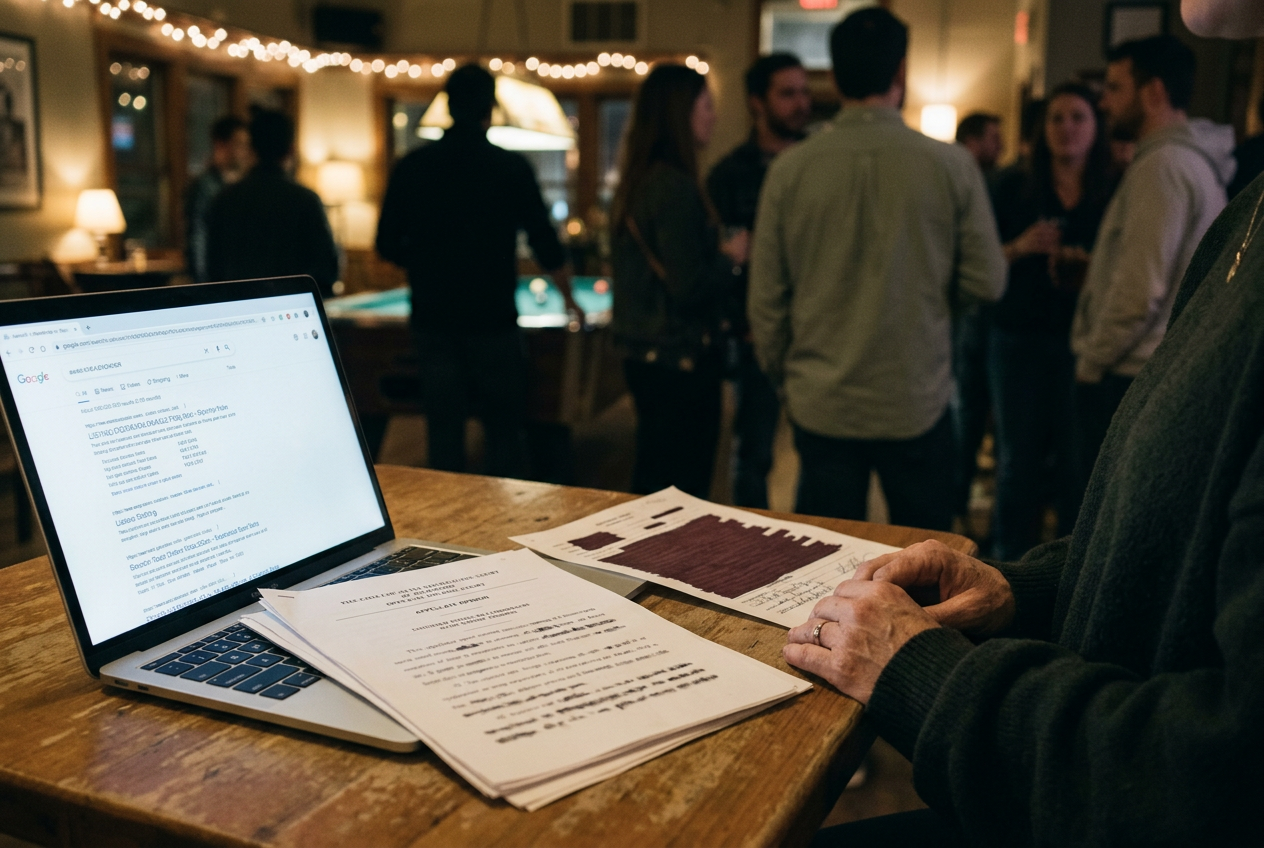
Government records can change after dismissal or expungement. Their commercial copies rarely share the same obligation, and search ranking rewards the accusation that arrived first.
Simone Achebe · 8 min read

Power
Google dismantled the location-history database behind geofence warrants. It did not stop police from finding other companies willing or required to place your phone on a map.
Kurt Halloran · 8 min read

Power
The clip at the podium has already passed through police lawyers, communications staff and editing software. Redaction can be necessary. The sequence remains an argument.
Kurt Halloran · 8 min read
Power
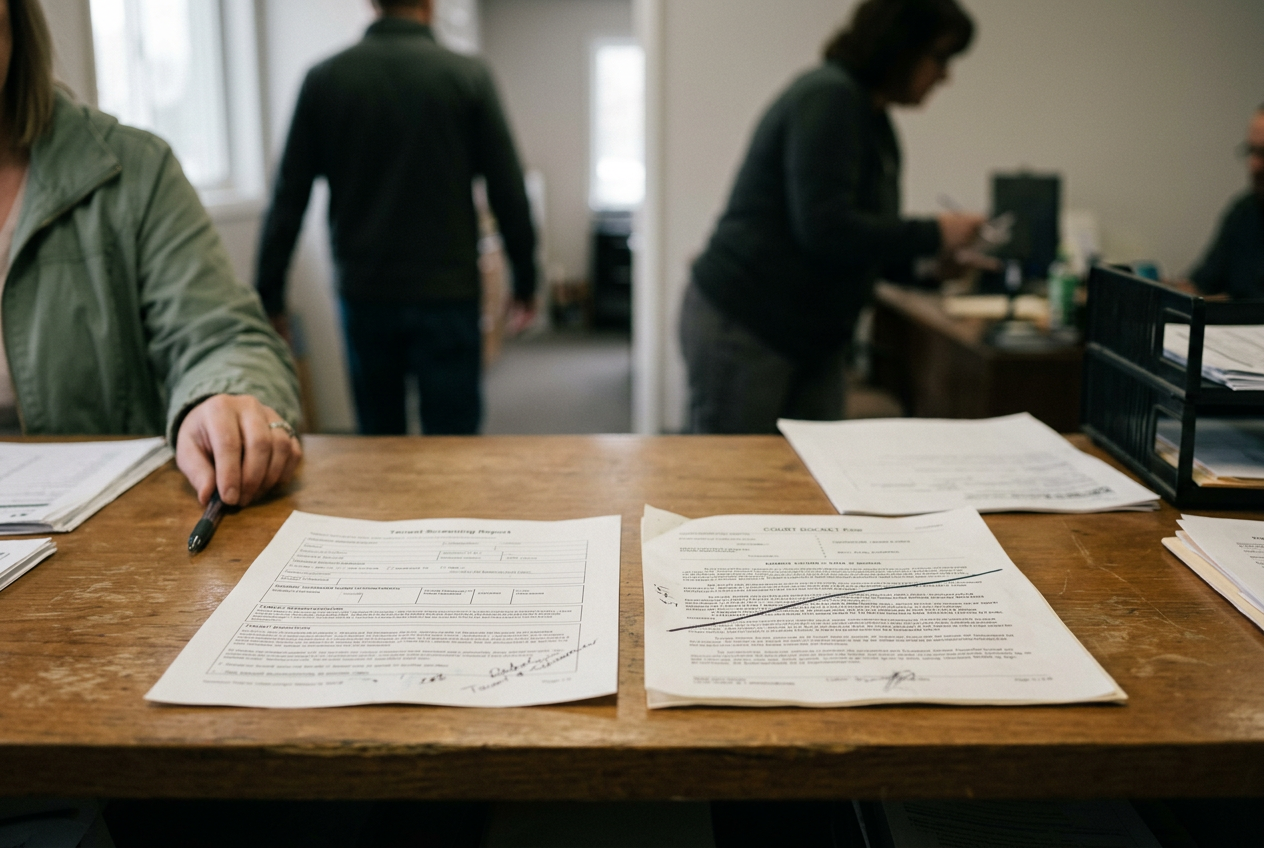
Tenant-screening reports turn court filings into risk signals before a judge decides what happened. The filing can outlive a dismissal, settlement or landlord’s mistake.
Lena Vasquez · 8 min read
Power
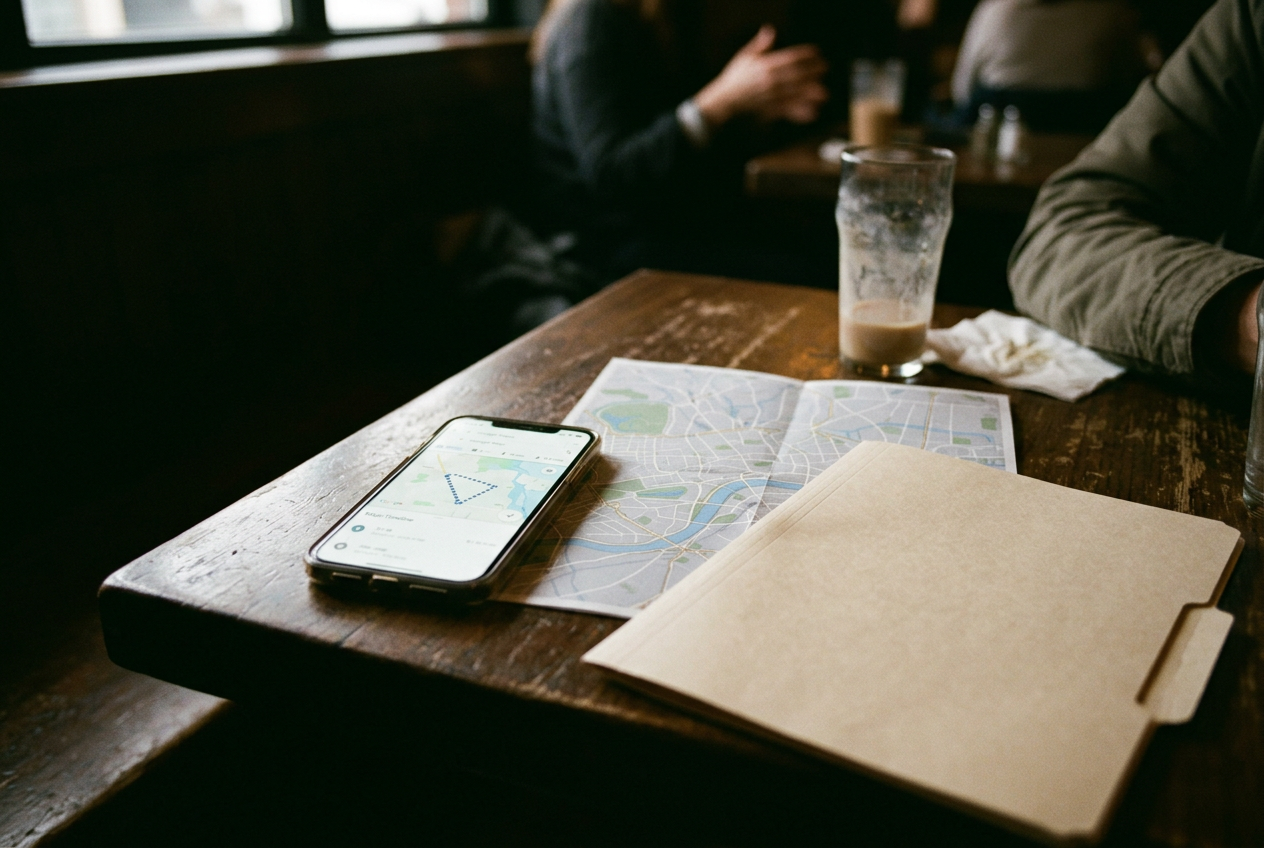
Google moved Maps Timeline histories onto users’ phones, closing a dragnet police had used for years. The location-data market that fed the same investigative appetite remains open.
Simone Achebe · 8 min read

Power
A blurry retail still can become a watchlist entry, a vendor record and a police lead. The machinery moves faster than the process for correcting it.
Kurt Halloran · 8 min read
Power
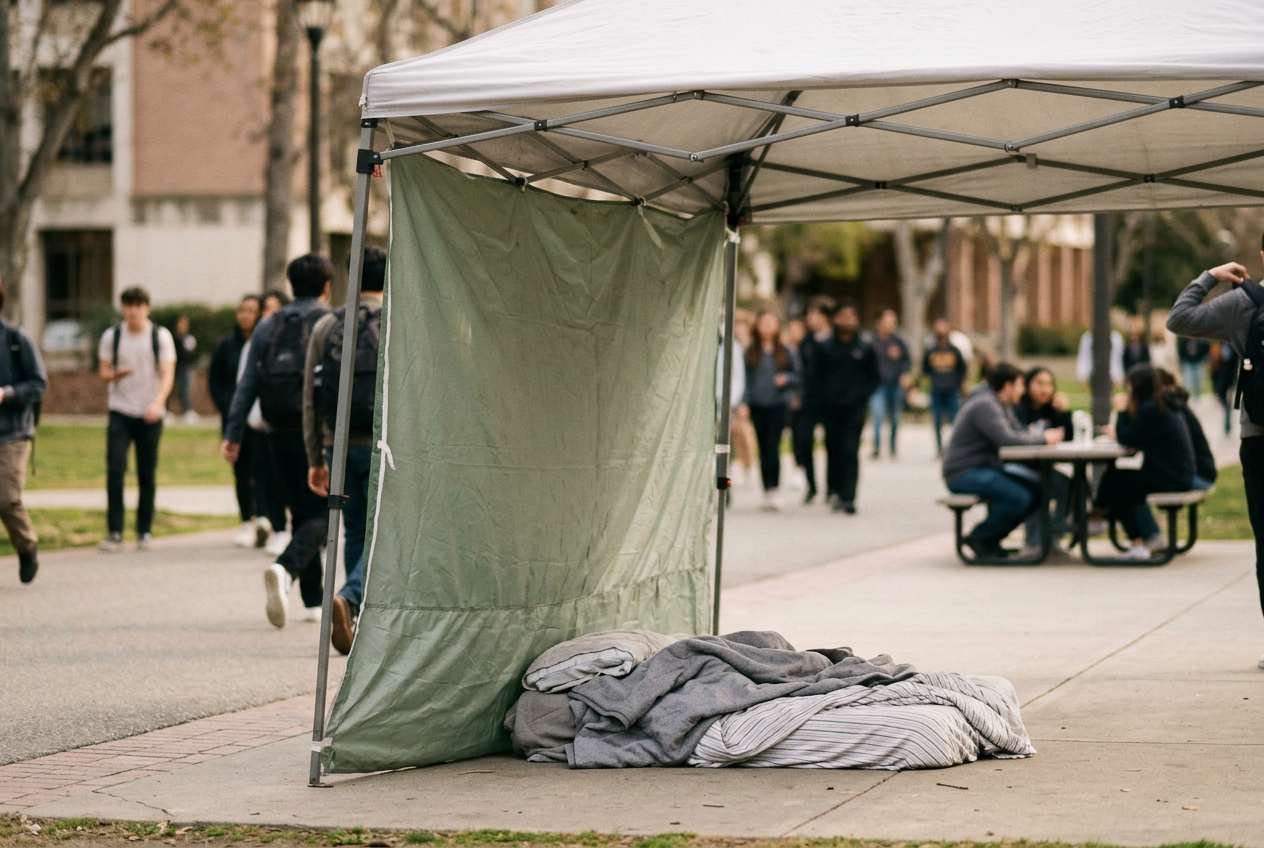
Public universities are recoding protest as a problem of structures, sound and sleeping. The rules look neutral because they describe equipment, while discretion decides whose equipment becomes an offense.
Lena Vasquez · 8 min read
Power
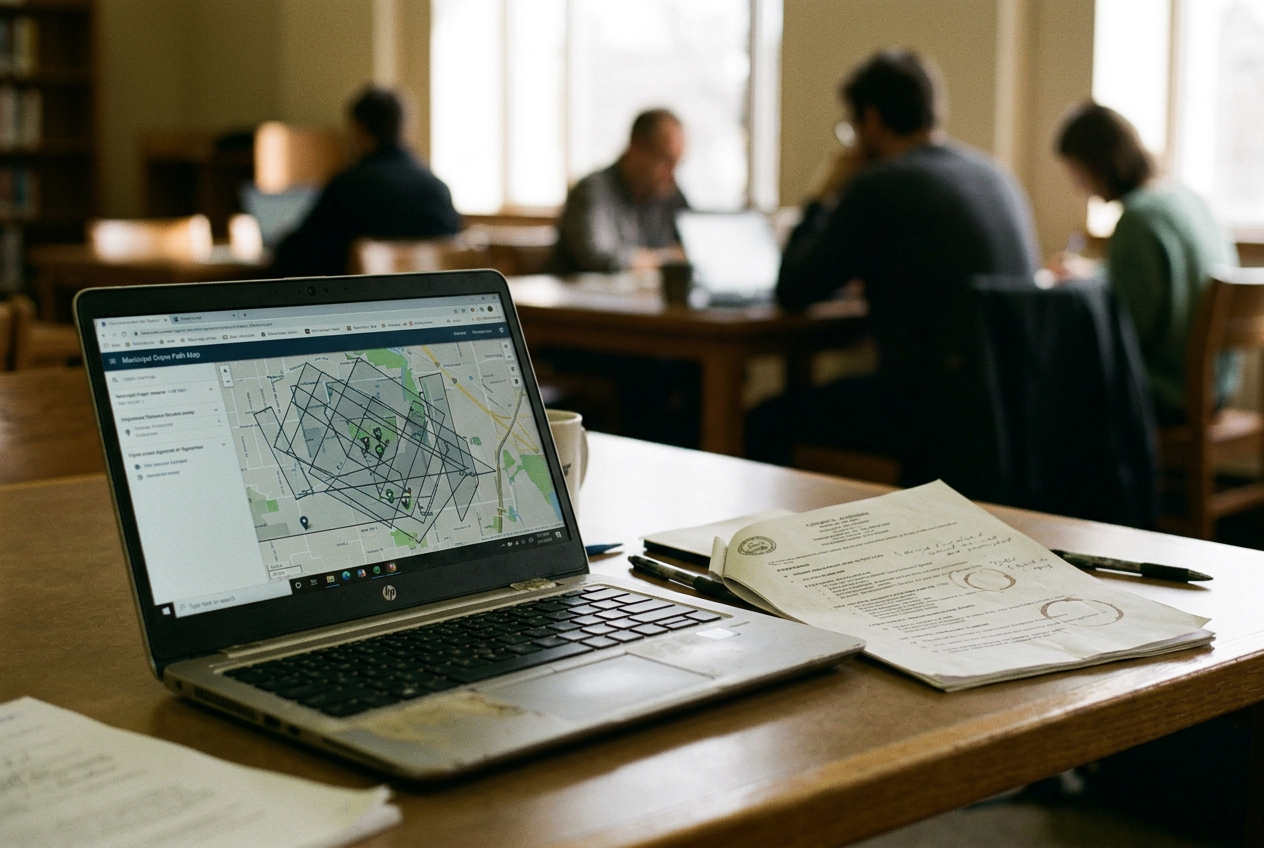
Municipal drone programs can reveal their rules, contracts or flight maps. Rarely do they put all three together, leaving residents to reconstruct surveillance after the fact.
Lena Vasquez · 8 min read
Power
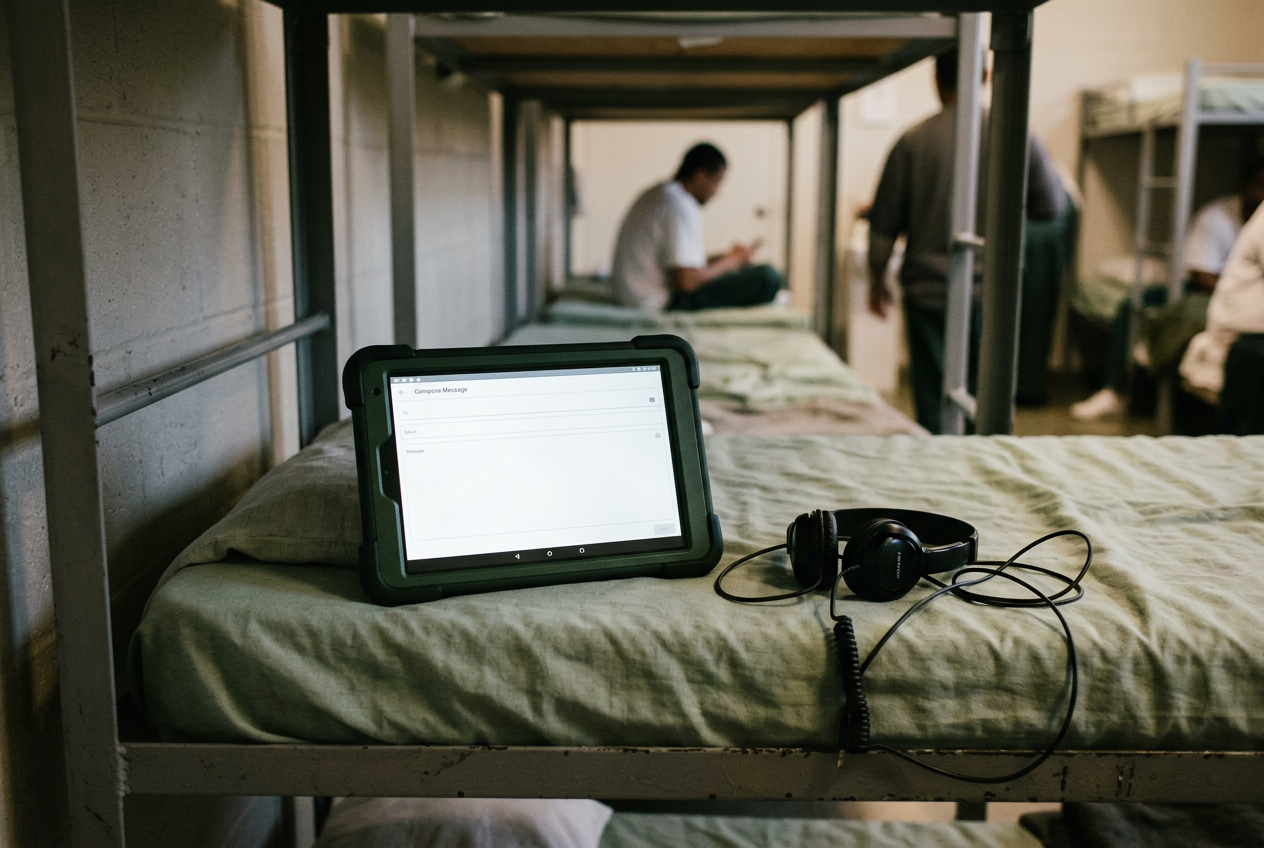
A locked-down tablet can make prison life less isolated. New Jersey’s contracts also turn messages, music and books into metered products paid for by people with nowhere else to shop.
Kurt Halloran · 7 min read

Power
A court index can preserve the accusation while reducing the dismissal to one field. Scrapers and search engines then turn that thin record into a durable identity tag.
Lena Vasquez · 8 min read

Power
Rutgers and other New Jersey colleges tightened protest rules through interim policies and web guidance. The restrictions arrived quickly; the governance trail often did not.
Lena Vasquez · 8 min read
Power
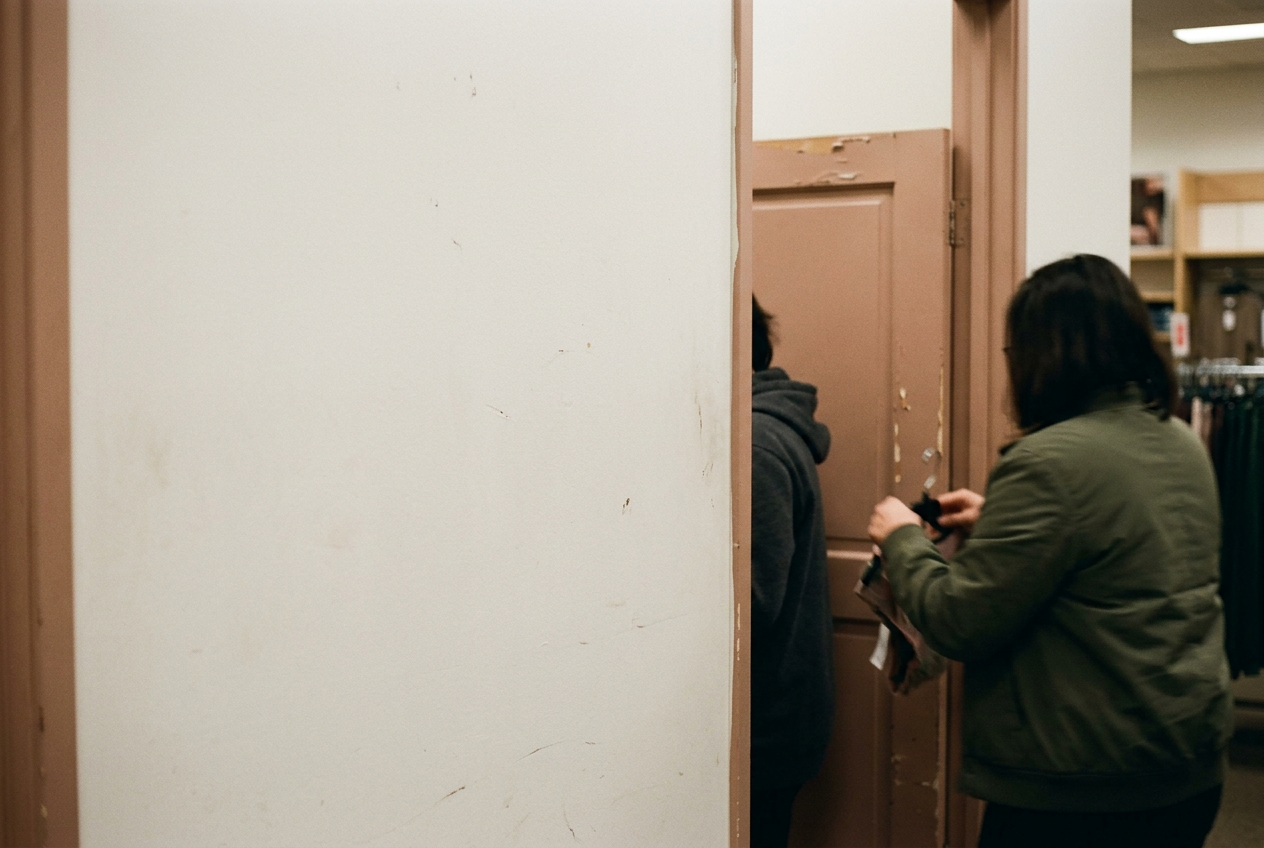
The camera records an encounter. Police decide which recording leads, where it stops, what gets blurred and who explains it before viewers can draw their own conclusions.
Lena Vasquez · 8 min read
Power
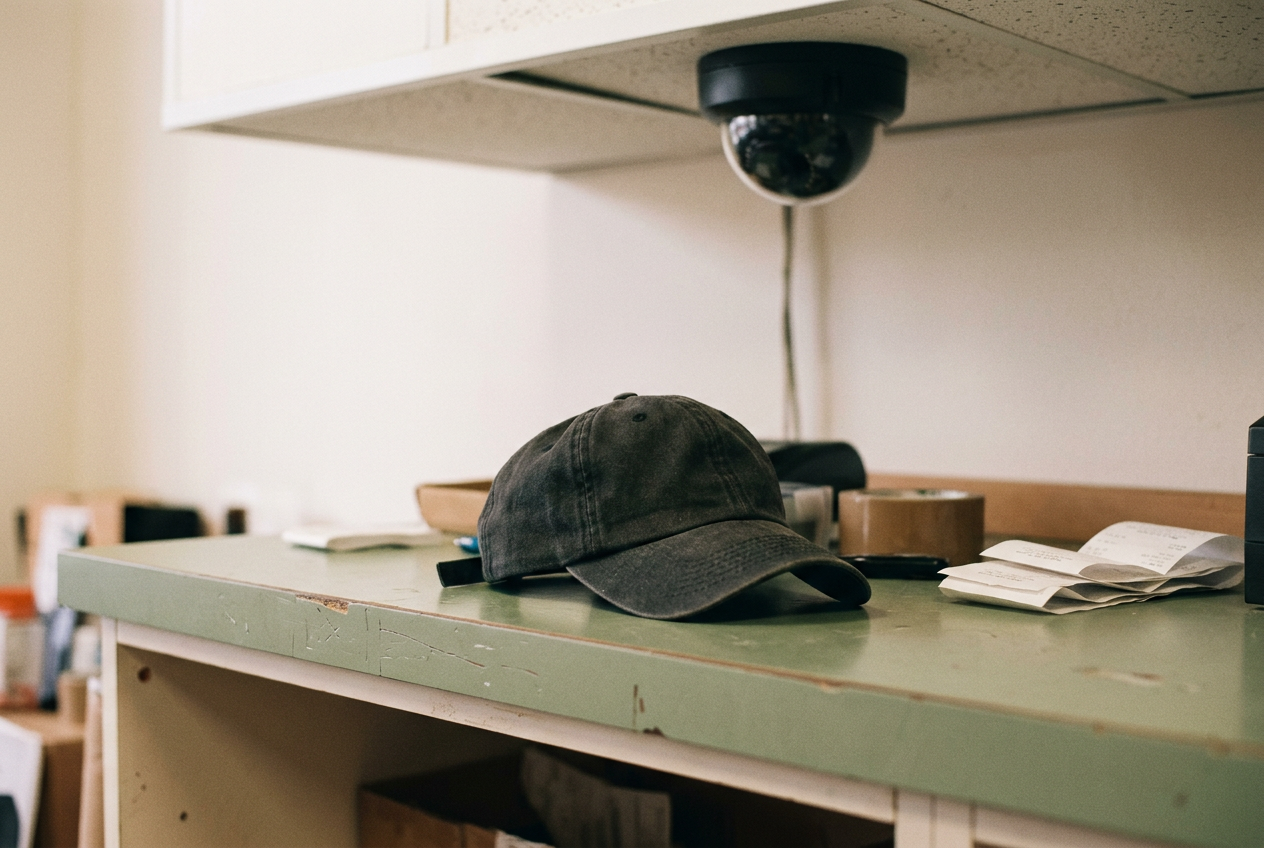
Retail surveillance systems separate alerts from watchlists and incident files. Clearing a false match may close the encounter while the image, profile and accusation remain available for the next one.
Lena Vasquez · 8 min read
Power
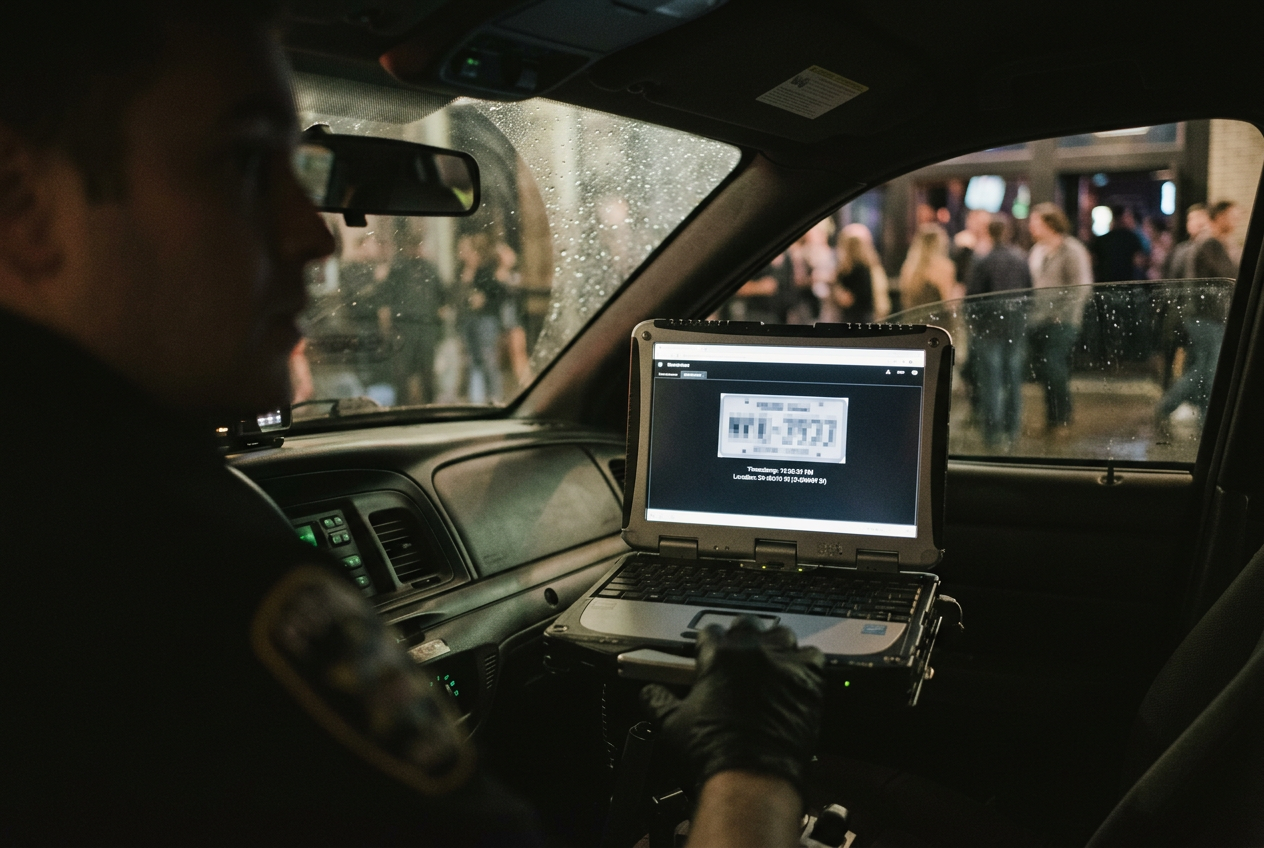
An automated plate match starts as a machine-generated lead. A few routine choices can turn it into a traffic stop, a warrant affidavit and evidence the defense must fight to obtain.
Lena Vasquez · 8 min read

Power
A preservation request can stop stored account data from disappearing while police seek other paperwork. It is less demanding than a warrant, and it is not permission to read the data.
Lena Vasquez · 8 min read
Power
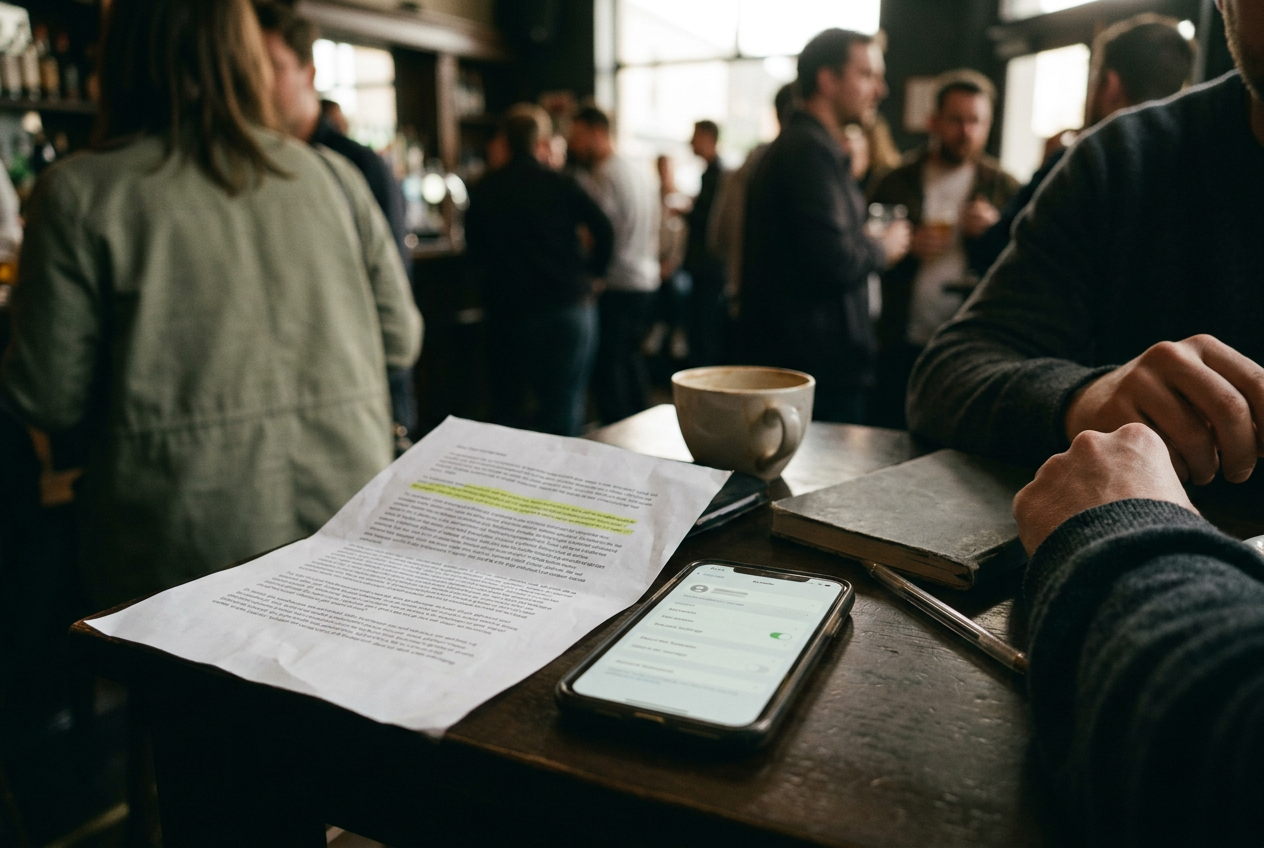
Platform privacy promises sound broad. Their law-enforcement guides are narrower: account identity may require only a subpoena, while emergencies leave disclosure to the company.
Simone Achebe · 8 min read
Power
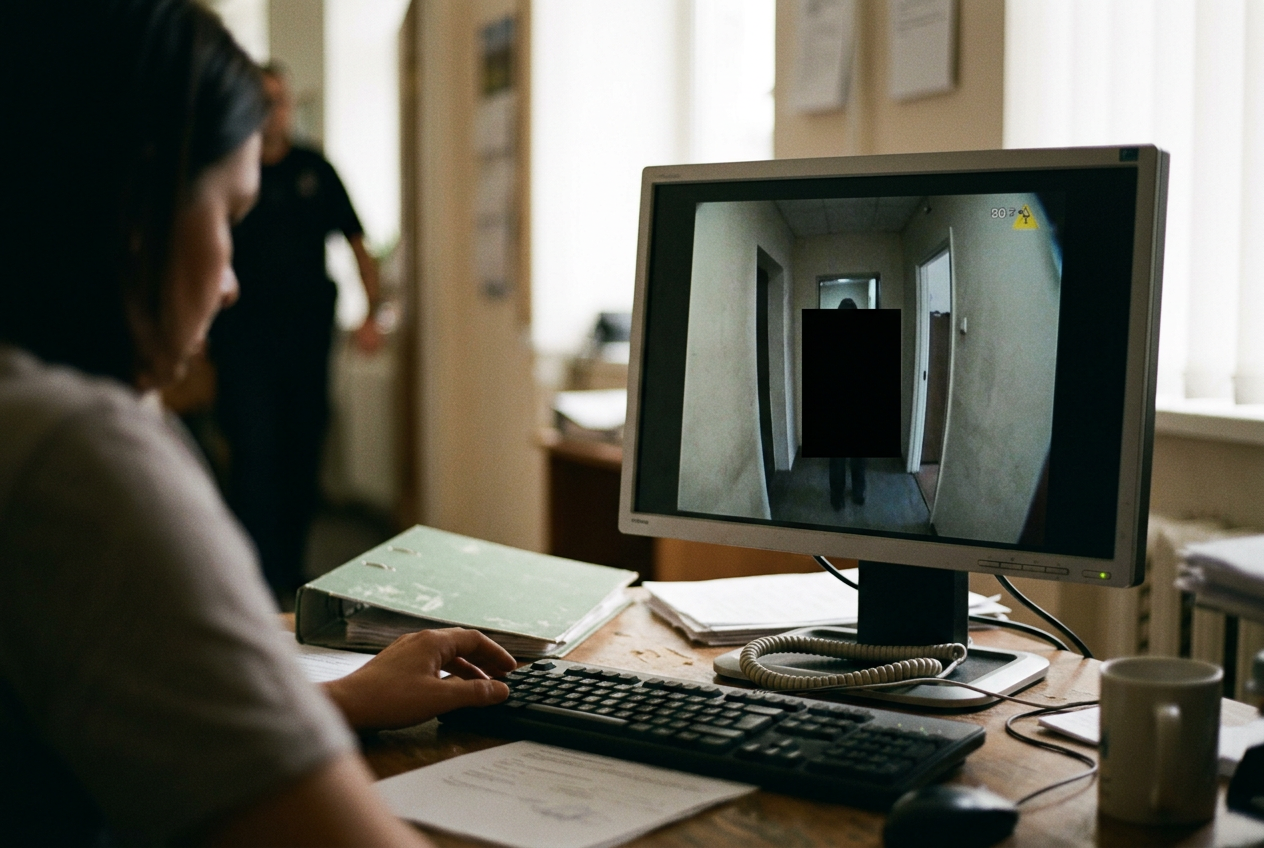
New Jersey treats police body-camera recordings as public records, then lets processing determine what reaches the public. A pending fee proposal would give that bottleneck a price tag.
Lena Vasquez · 8 min read

Power
Across major platforms, the first police demand may be a quiet order to retain data. Disclosure comes later. By then, the account’s past has already been secured.
Simone Achebe · 8 min read

Power
Courts, publishers and search engines control different copies of an arrest. A removal company charges you for navigating those gaps, not for making the event vanish.
Lena Vasquez · 8 min read
Power
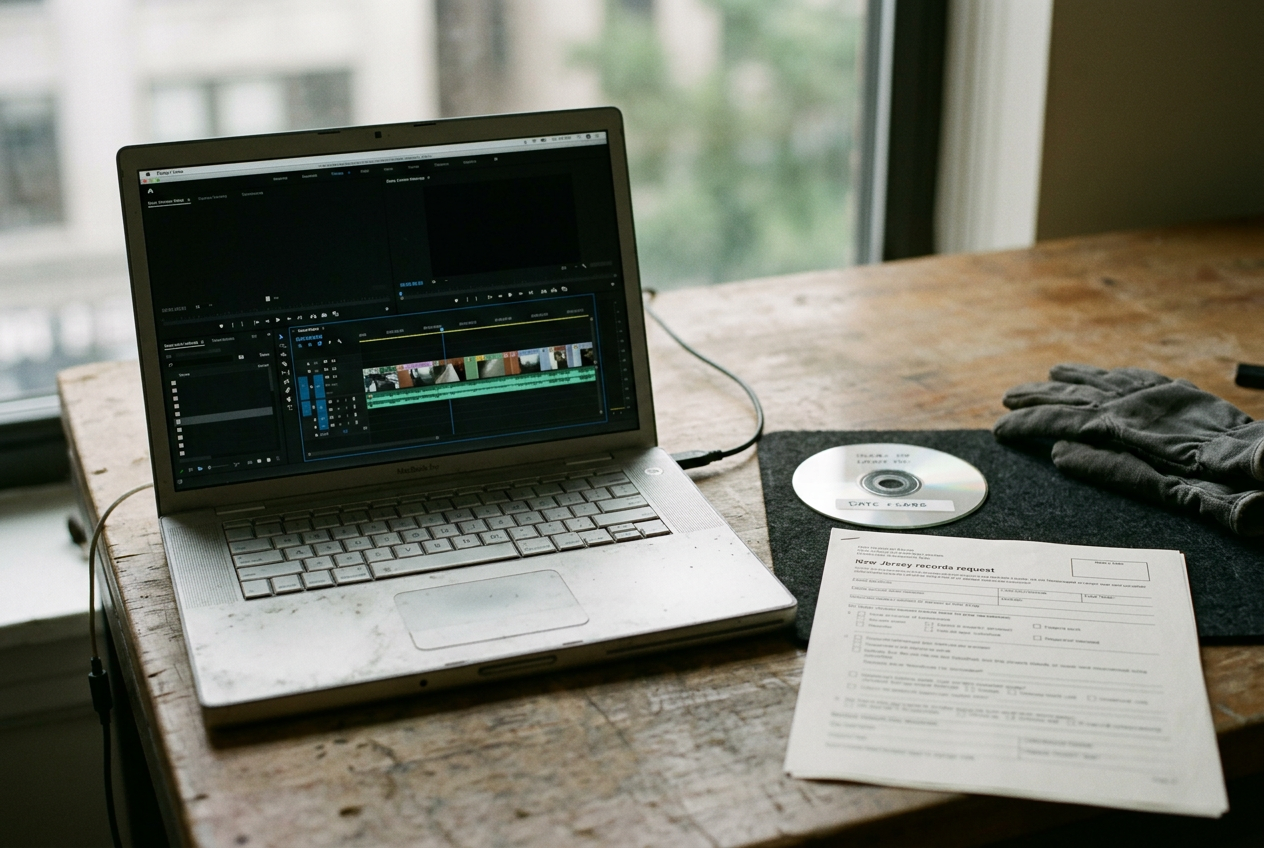
New Jersey treats body-camera footage as a public record. The same system can deliver it late, heavily muted or in a format that defeats scrutiny.
Lena Vasquez · 8 min read