
Feeds
Instagram, TikTok, YouTube and X do not show a neutral record of replies. Their defaults rank, fold and filter conflict until the first screen can look more settled than the thread is.
Reuben Adeyemi · 8 min read

Feeds
A side-by-side look at a ReelShort ad and its opening episode shows how micro-drama platforms reorder plots, borrow later footage and manufacture a better cliffhanger.
Reuben Adeyemi · 7 min read

Feeds
A controlled test with one battered sneaker shows how TikTok turns still photos into timed attention traps, and why “use more slides” is folklore, not an algorithm cheat code.
Cass Ito · 8 min read

Feeds
Instagram makes pinned, highlighted, and ranked comments look more alike than they are. That ambiguity lets one reply recaption a viral post.
Reuben Adeyemi · 7 min read

Feeds
Synthetic rescue clips repeat the same crisis, intervention and reunion. Follow one glove across the cuts and the format starts showing its assembly marks.
Cass Ito · 7 min read

Feeds
Resetting Instagram recommendations can clear the immediate clutter. Follows, advertising data and your next few taps still give the platform a detailed map back.
Priya Nandakumar · 7 min read

Feeds
A suggested reply chip looks like a typing shortcut. Paired with AI comment summaries, it becomes a template for which reactions count and how creators should answer them.
Reuben Adeyemi · 7 min read

Feeds
A caption, synthetic voice and avatar can turn recycled footage into commentary without anyone seeing the original. Platforms reward the measurable performance of reaction, not proof that one occurred.
Cass Ito · 7 min read

Feeds
Community Notes can reach consensus and still lose the correction race. The fake Pentagon explosion showed how timing, ranking and copied posts split a claim from its fact-check.
Reuben Adeyemi · 8 min read

Feeds
A synthetic lemon loaf clip delivers a perfect slice by skipping the chemistry between batter and cake. That failure is built into how recipe videos are generated, ranked and monetized.
Priya Nandakumar · 8 min read

Feeds
A stray “where is that from?” can launch an affiliate pitch, supply a reply video and make demand look organic. The thread is now part of the campaign.
Reuben Adeyemi · 7 min read

Feeds
Meta’s account controls can remove declared ad topics, but they do not expose the whole targeting system. A useful audit measures what disappears from the feed afterward.
Reuben Adeyemi · 8 min read

Feeds
LinkedIn has adopted the vertical swipe, but professional identity changes what survives inside it. Every clip is also a résumé line, a sales call or a small bid for workplace rank.
Reuben Adeyemi · 7 min read

Feeds
Numbered slides, synthetic pictures and vague source labels turn bad information into a format that can shed corrections without losing momentum.
Priya Nandakumar · 7 min read

Feeds
LinkedIn’s vertical feed measures workplace vulnerability with the same machinery used to rank any sticky clip. The boss is now an audience, a recommender and a potential customer.
Cass Ito · 8 min read

Feeds
YouTube’s automatic voices can carry one video across languages. They also turn pauses, emphasis and uncertainty into decisions made by platform infrastructure.
Reuben Adeyemi · 8 min read

Feeds
Blocking is an account-level permission, not a disappearance spell. Here is what major platforms remove, what survives and how to close the routes they leave behind.
Priya Nandakumar · 8 min read

Feeds
A neighborhood group once asked you to recognize the street. Facebook’s recommendations now reward posts that can provoke anyone, anywhere, while the local label lends them trust.
Priya Nandakumar · 7 min read

Feeds
TikTok’s viewer filters can reduce a subject without removing it. A controlled test reveals which video signals may trigger the filter and why spelling tricks are only part of the leak.
Reuben Adeyemi · 8 min read

Feeds
A red-suitcase story passed through synthetic narration, unrelated footage, automatic captions and multiple reposts. Labeling the voice alone misses the production system.
Reuben Adeyemi · 8 min read
Feeds
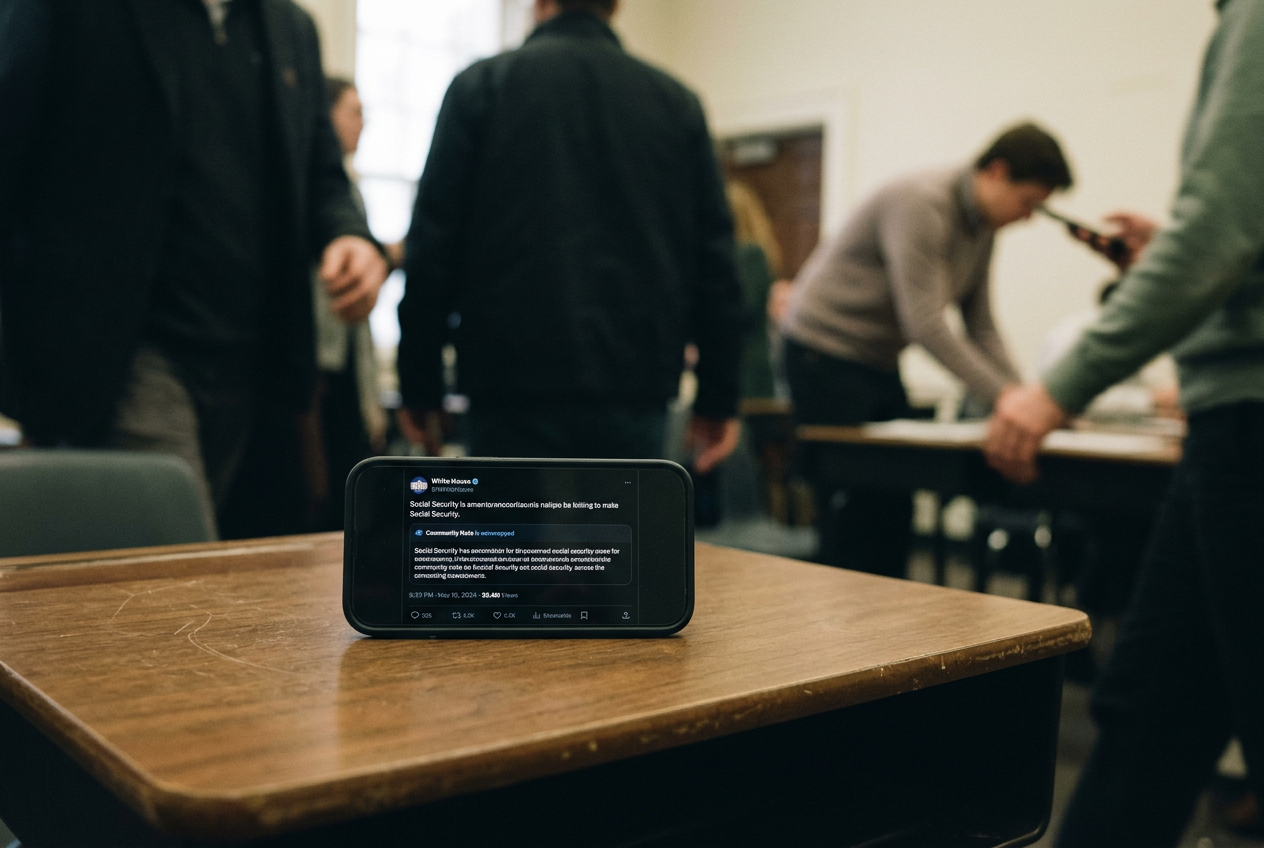
Crowd-sourced context can correct a post without catching its copies. By the time consensus arrives, the feed has often turned one claim into screenshots, clips and reaction videos.
Cass Ito · 8 min read
Feeds
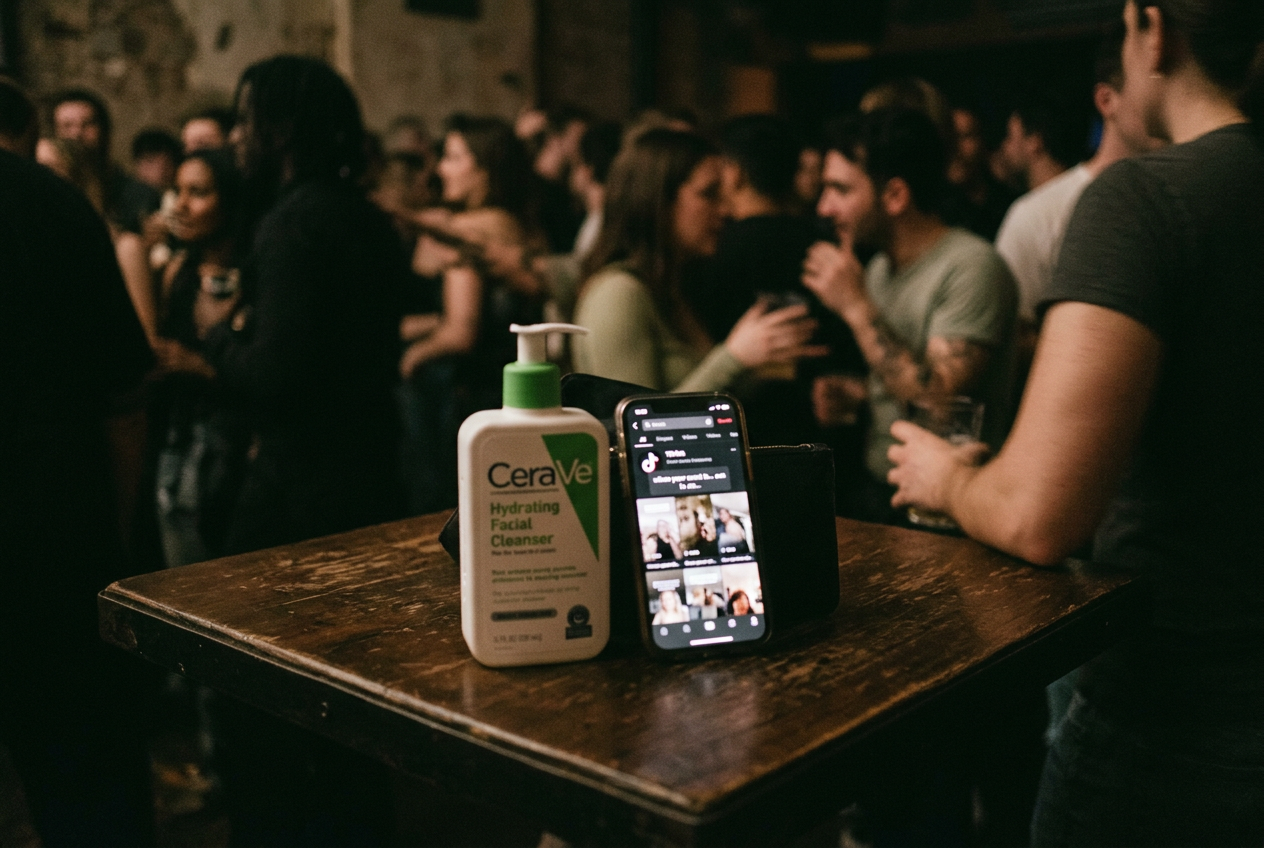
TikTok can treat speech as search material. A hands-on test with one cleanser shows why creators now repeat exact queries instead of talking like people already know the subject.
Priya Nandakumar · 8 min read

Feeds
X can append context to a false post. It cannot make that context follow screenshots, copied captions, or the recommendation burst that already delivered the claim.
Priya Nandakumar · 7 min read

Feeds
Search rankings, data licenses and AI summaries have turned Reddit threads into answer infrastructure. The commenters stayed conversational. The machinery around them stopped caring.
Cass Ito · 8 min read

Feeds
Obvious AI fakery is not failing at realism. It is cheap, renewable comment bait built for a feed that can treat correction, argument and bewilderment as evidence of interest.
Cass Ito · 7 min read

Feeds
Synthetic pages are copying local news design to push crime scares, weather warnings and nostalgia bait. The county name is camouflage; engagement is the product.
Cass Ito · 8 min read

Feeds
TikTok’s search box can append scandal language to a creator or product before the user has made any allegation. The suggestion looks like evidence of consensus, even when it only predicts attention.
Reuben Adeyemi · 8 min read

Feeds
Synthetic hosts, cloned voices and borrowed clips have turned reaction video into a repeatable production layout. The face in the corner may now be another asset.
Reuben Adeyemi · 8 min read

Feeds
A viral clip now belongs, in practice, to the account that gives it the cleanest caption and strongest distribution. The camera operator is left beneath the crop.
Cass Ito · 8 min read

Feeds
YouTube can turn a few controlled watches into an ideological profile. Clean accounts and matched histories reveal what the platform adds to the politics you supplied.
Reuben Adeyemi · 8 min read

Feeds
LinkedIn has copied TikTok’s distribution logic while keeping its office manners. The result turns professional identity into a ranking signal and unpaid creator labor into platform inventory.
Priya Nandakumar · 7 min read

Feeds
A giant cheese-stuffed onion ring kept its perfect shape as it crossed platforms, even while the recipe beneath it changed. That mismatch is the business model.
Priya Nandakumar · 8 min read

Power
Instagram and Threads can reduce political recommendations without removing posts. The selected setting looks neutral, but it decides which accounts must survive on followers alone.
Simone Achebe · 8 min read

Feeds
A logged-in account and a clean one did not see identical searches. The durable scandal terms came from TikTok’s wider demand signals, while personalization changed their order and flavor.
Reuben Adeyemi · 7 min read

Feeds
TikTok, Instagram, and YouTube let users restart parts of their recommendations. A paired-account audit shows how to test what the button touches and what it leaves earning money.
Cass Ito · 8 min read

Feeds
YouTube can preserve an altered-content disclosure on its own watch page while stripping it from the feed, embeds and copied clips. The label survives as metadata, not as part of the media.
Priya Nandakumar · 8 min read

Feeds
Trial Reels reduce the follower backlash that can greet an experiment. In return, Instagram gets a stream of content tested against strangers before creators commit it to their feeds.
Priya Nandakumar · 7 min read

Feeds
Autocomplete does not verify a rumor. It converts repeated curiosity into a menu of claims, then places that menu where users expect answers.
Reuben Adeyemi · 7 min read

Feeds
Autocomplete gives viral suspicion a beginning, villain and verdict before the evidence loads. Its suggestions are ranked interpretations, despite looking like neutral directions.
Priya Nandakumar · 7 min read