
Money
A paperback about the Maui fires appeared while the disaster was still unfolding. Print-on-demand makes that speed cheap, and retailer search rewards being early more reliably than being useful.
Ada Lindqvist · 8 min read

Feeds
Reddit-story videos work because the script, voice, captions and background can all be swapped without changing the product. The apparent genre is really a standardized production line.
Reuben Adeyemi · 8 min read
Feeds
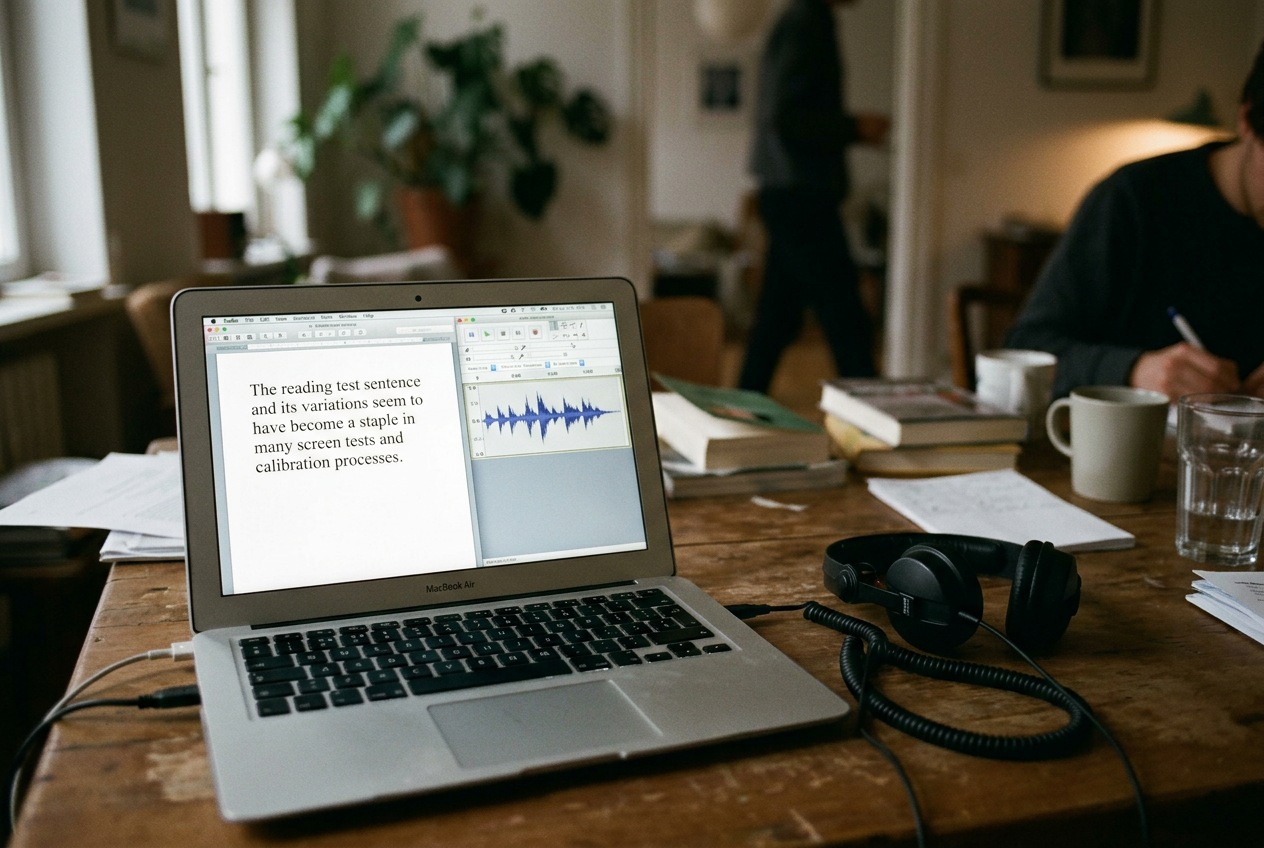
Recurring AI pronunciation errors are more than bad narration. They can expose shared text-to-speech tools, copied scripts and the assembly lines behind supposedly independent channels.
Cass Ito · 7 min read

Feeds
Synthetic rescue clips repeat the same crisis, intervention and reunion. Follow one glove across the cuts and the format starts showing its assembly marks.
Cass Ito · 7 min read

Power
State laws are built to identify a deceptive election message and its publisher. Feeds turn that message into unlabeled reposts, reaction clips and memes with no stable publisher left to sue.
Lena Vasquez · 8 min read

Feeds
A suggested reply chip looks like a typing shortcut. Paired with AI comment summaries, it becomes a template for which reactions count and how creators should answer them.
Reuben Adeyemi · 7 min read

Feeds
A caption, synthetic voice and avatar can turn recycled footage into commentary without anyone seeing the original. Platforms reward the measurable performance of reaction, not proof that one occurred.
Cass Ito · 7 min read

Money
A virtual model can send a synthetic outfit into a real checkout. The person or company behind the account gets the money, while the disclosure often stops at the character.
Jonah Reyes · 7 min read

Feeds
YouTube asks creators to flag realistic synthetic media, then keeps the standard disclosure away from the surfaces where most viewing decisions happen.
Priya Nandakumar · 7 min read
Feeds
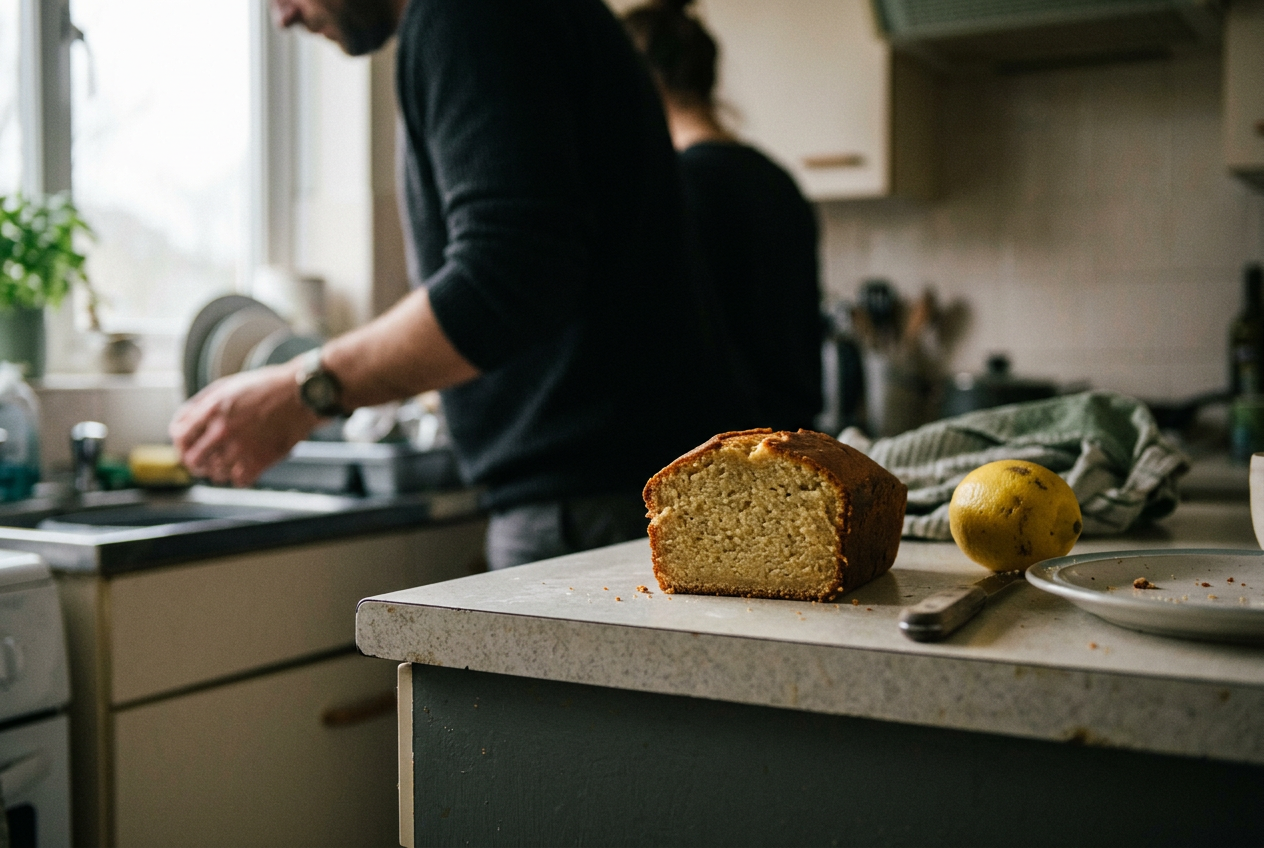
A synthetic lemon loaf clip delivers a perfect slice by skipping the chemistry between batter and cake. That failure is built into how recipe videos are generated, ranked and monetized.
Priya Nandakumar · 8 min read

Feeds
YouTube can identify realistic synthetic media on its own watch page. Move the same footage into an embed, excerpt, or repost, and that context becomes much easier to lose.
Priya Nandakumar · 7 min read

Feeds
Numbered slides, synthetic pictures and vague source labels turn bad information into a format that can shed corrections without losing momentum.
Priya Nandakumar · 7 min read

Feeds
A neighborhood group once asked you to recognize the street. Facebook’s recommendations now reward posts that can provoke anyone, anywhere, while the local label lends them trust.
Priya Nandakumar · 7 min read

Feeds
A red-suitcase story passed through synthetic narration, unrelated footage, automatic captions and multiple reposts. Labeling the voice alone misses the production system.
Reuben Adeyemi · 8 min read
Feeds
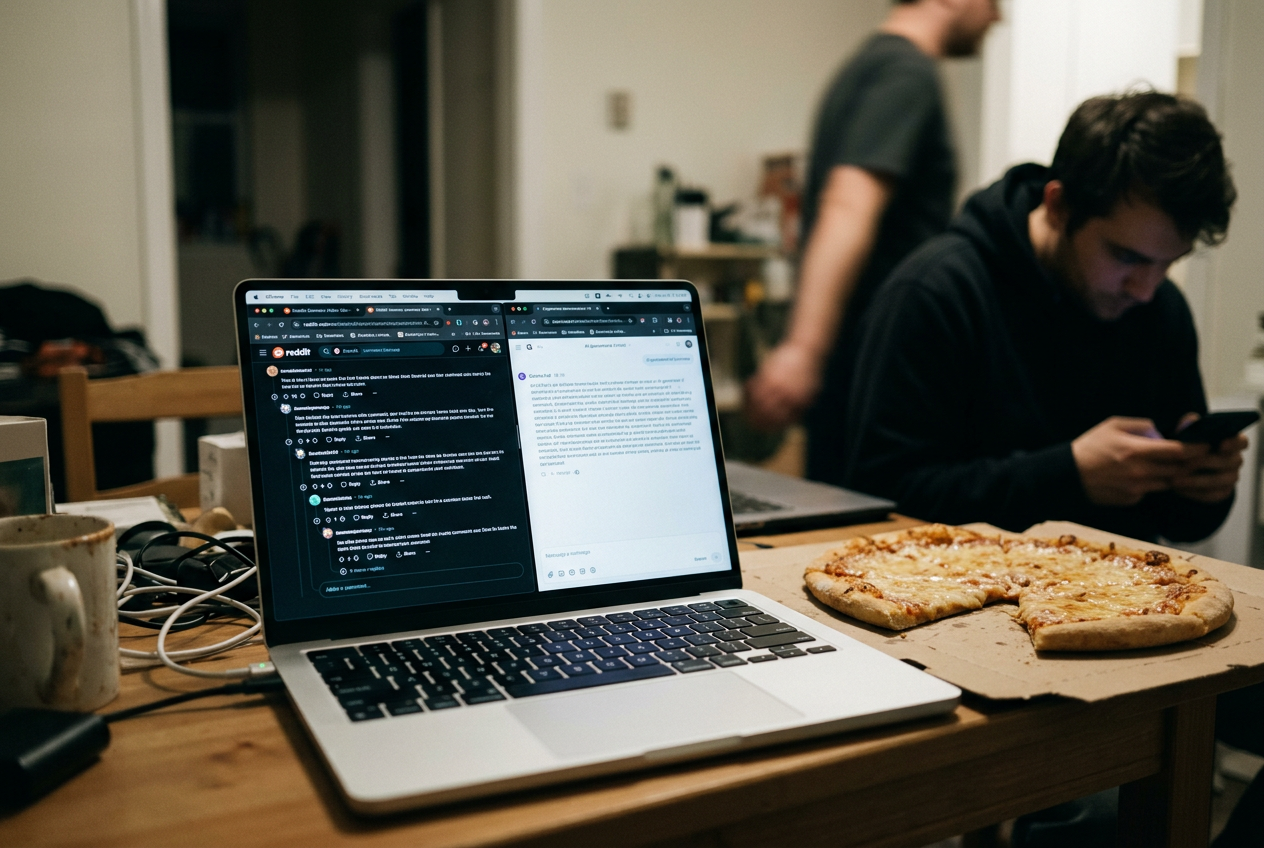
Search rankings, data licenses and AI summaries have turned Reddit threads into answer infrastructure. The commenters stayed conversational. The machinery around them stopped caring.
Cass Ito · 8 min read

Feeds
Obvious AI fakery is not failing at realism. It is cheap, renewable comment bait built for a feed that can treat correction, argument and bewilderment as evidence of interest.
Cass Ito · 7 min read

Feeds
Synthetic pages are copying local news design to push crime scares, weather warnings and nostalgia bait. The county name is camouflage; engagement is the product.
Cass Ito · 8 min read

Feeds
Synthetic hosts, cloned voices and borrowed clips have turned reaction video into a repeatable production layout. The face in the corner may now be another asset.
Reuben Adeyemi · 8 min read

Feeds
YouTube labels realistic synthetic media, but the first detection system is still the uploader. The rule is strongest where creators have the most to lose.
Reuben Adeyemi · 7 min read

Feeds
A giant cheese-stuffed onion ring kept its perfect shape as it crossed platforms, even while the recipe beneath it changed. That mismatch is the business model.
Priya Nandakumar · 8 min read

Feeds
Creators disclose realistic synthetic media during upload. Viewers usually get a line in the expanded description, a design that weakens as the video moves into embeds and clips.
Reuben Adeyemi · 8 min read

Feeds
YouTube can preserve an altered-content disclosure on its own watch page while stripping it from the feed, embeds and copied clips. The label survives as metadata, not as part of the media.
Priya Nandakumar · 8 min read

Feeds
YouTube’s topic cards compress huge comment sections into clean themes. The useful shortcut also decides which disagreements count and makes conflict look settled.
Cass Ito · 8 min read

Money
Publishers are licensing archives to AI companies. Broad contributor contracts can let them sell access to freelance work without sharing the new payment.
Ada Lindqvist · 8 min read

Feeds
A puppy’s collar shifts, the rope changes length and the water forgets where to flow. None of that matters if the clip secures your sympathy before your scrutiny arrives.
Priya Nandakumar · 8 min read
Power
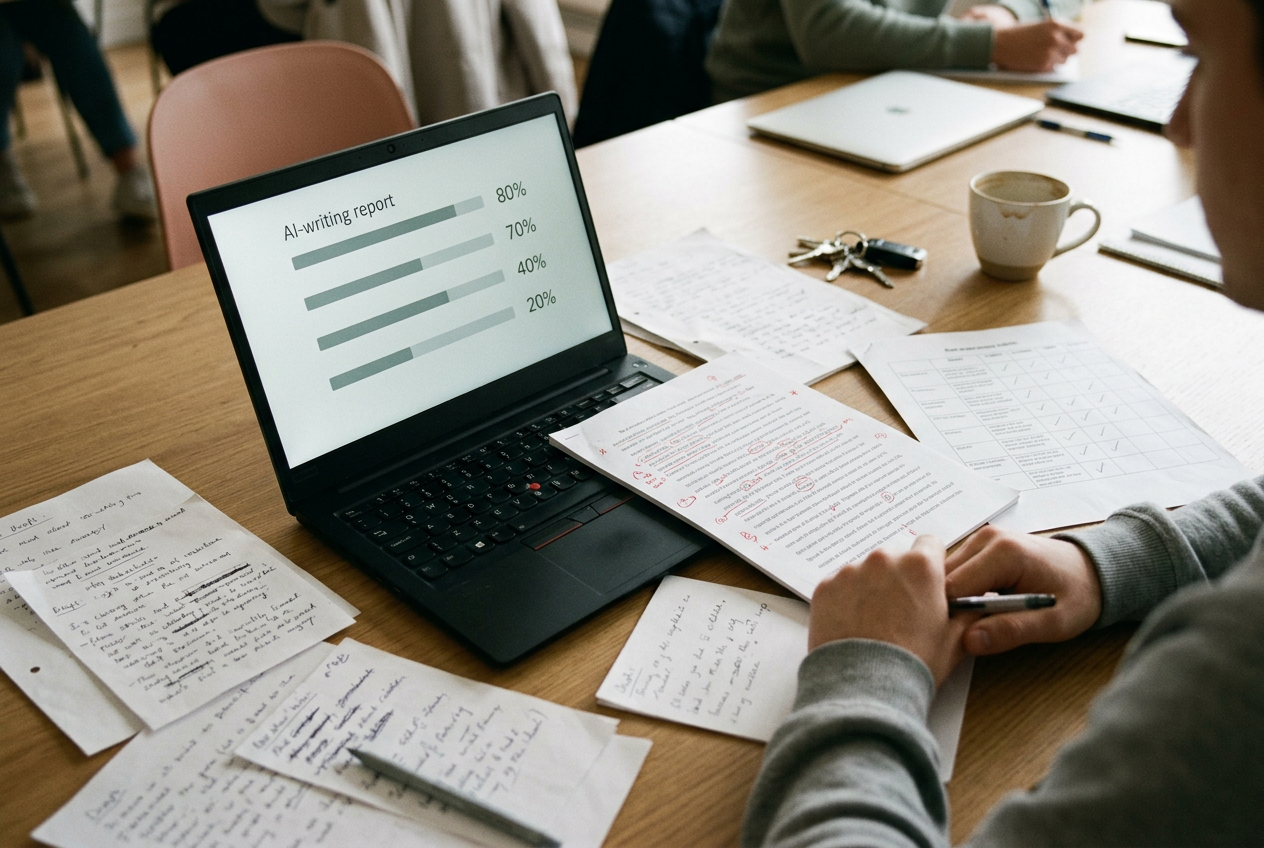
An AI-writing score estimates resemblance, not authorship. Schools turn that probability into punishment when weak review procedures make students disprove a machine.
Kurt Halloran · 8 min read

Feeds
Across watch pages, Shorts and embeds, YouTube’s synthetic-media disclosure changes visibility. Even when present, it says less about a video than many viewers assume.
Reuben Adeyemi · 7 min read
Feeds
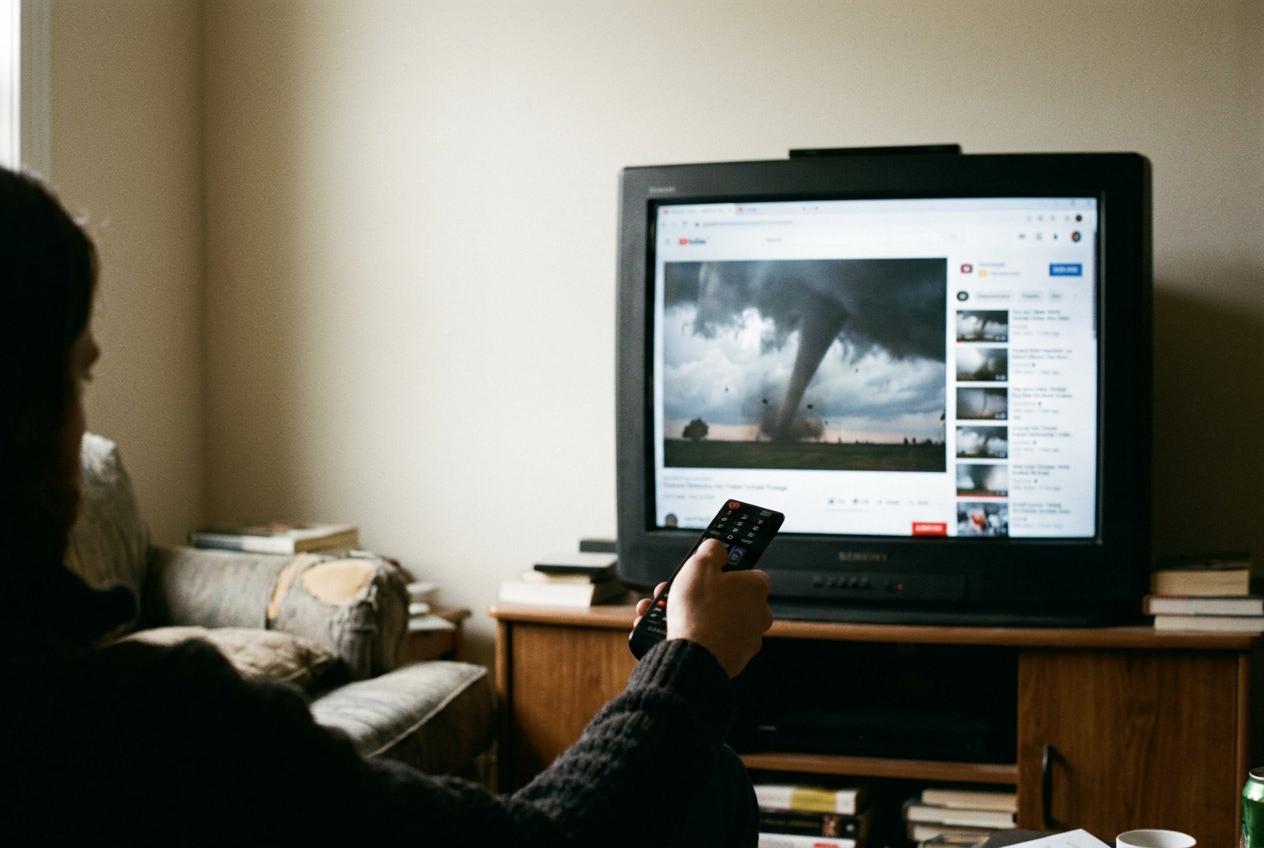
YouTube asks creators to disclose realistic synthetic footage, then often places the notice inside an expanded description. On a television, that can mean reaching for the remote after the fake has already landed.
Priya Nandakumar · 7 min read
Money
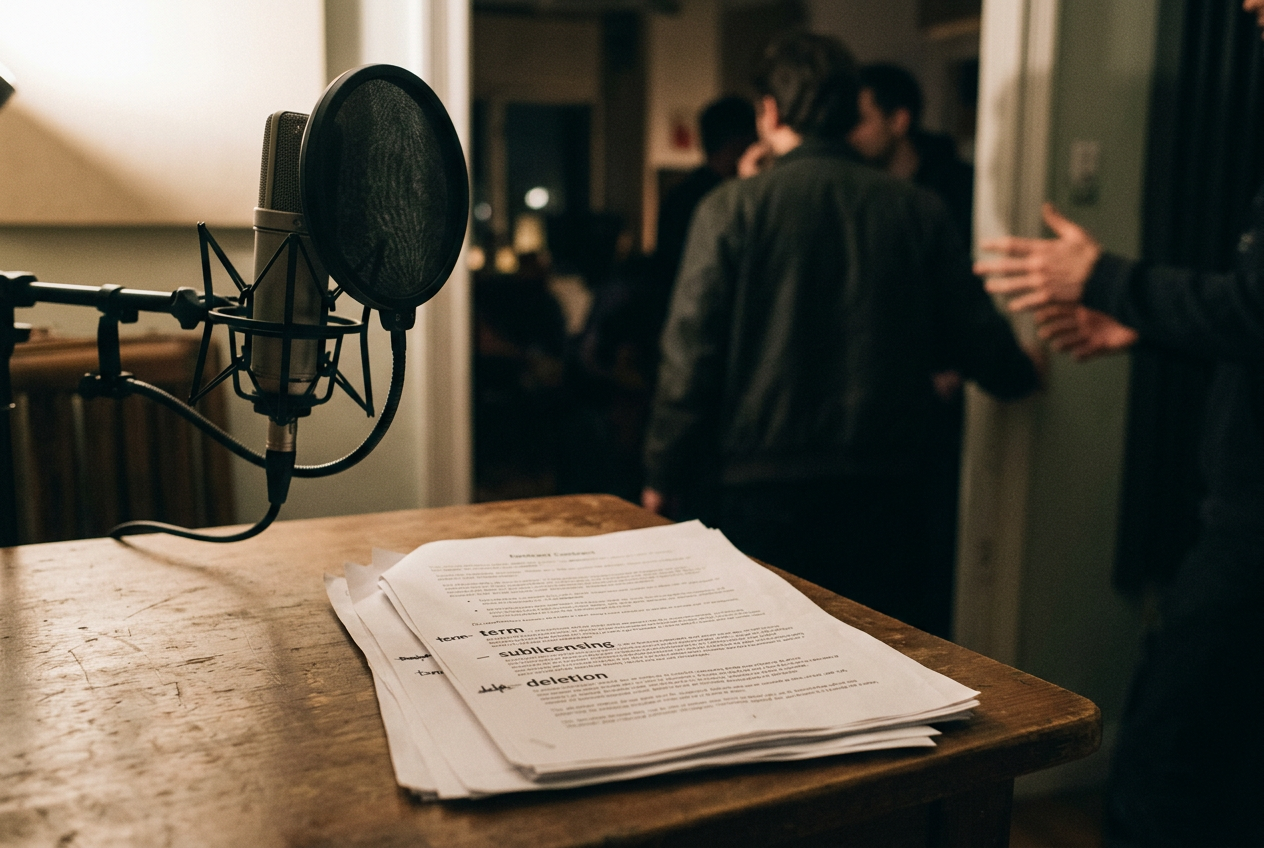
A session fee can buy much more than the finished production. The dangerous permissions sit across purpose, training, adaptation, sublicensing, term and deletion.
Theo Marchetti · 8 min read

Feeds
A plausible logo and a county-shaped name can turn scraped text into “news.” This checklist tests the byline, image, domain, corrections record, and source trail before you donate a share.
Cass Ito · 8 min read

Feeds
A crying child and puppy in floodwater became raw material for pages built to harvest reaction. Facebook’s machinery can turn sympathy, outrage and correction into the same useful signal.
Cass Ito · 7 min read
Feeds
Synthetic interview clips borrow the authority of long-form conversation without making one. Trace the upload backward and the trail usually ends at a video generator, a growth account and a sales link.
Reuben Adeyemi · 8 min read

Feeds
A Sora mammoth clip shows the weak point in AI labeling: platforms disclose what they know on their own pages, then let downloads and screen recordings leave that context behind.
Cass Ito · 7 min read
Feeds
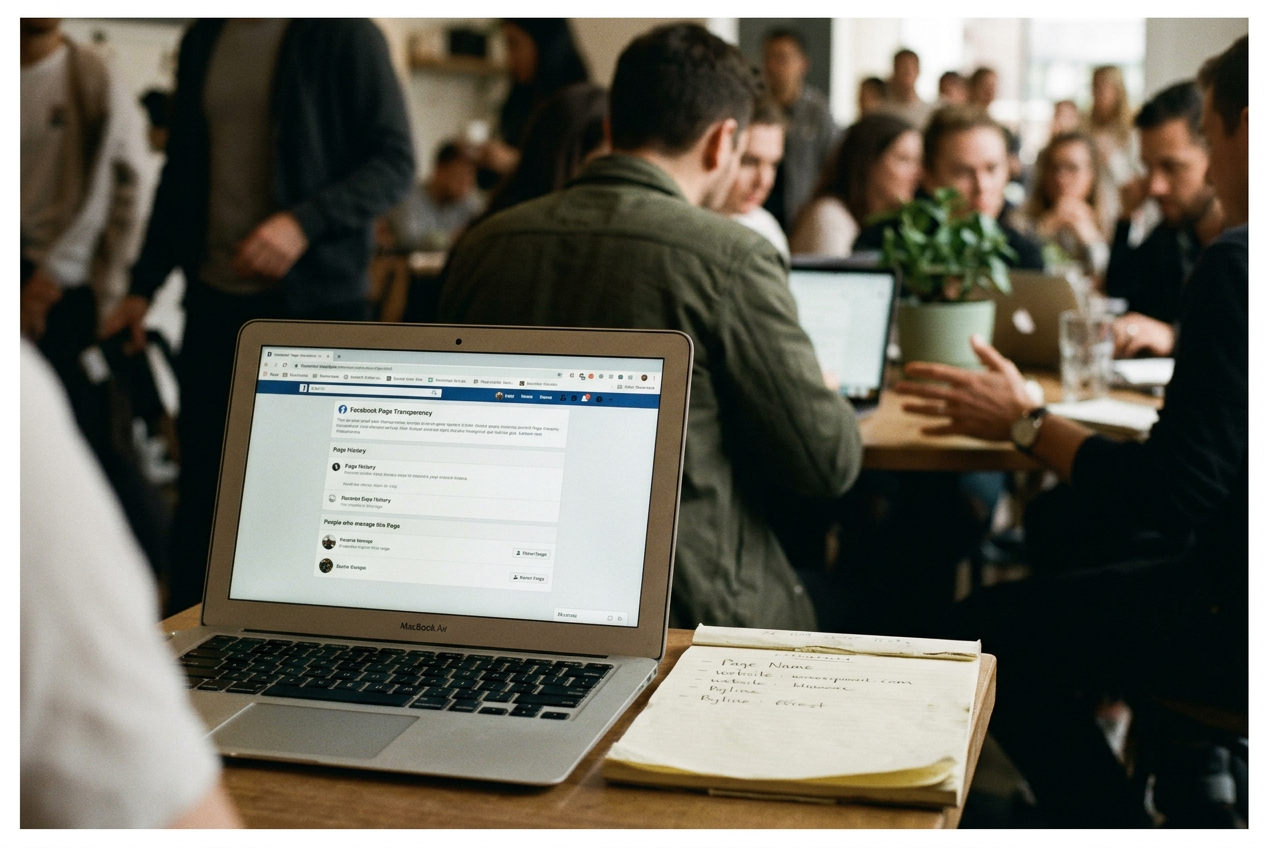
A local name can disguise a remote content operation built from police logs, weather alerts and recycled outrage. The useful clues sit in Page transparency, the website footer and the ad stack.
Reuben Adeyemi · 8 min read
Power
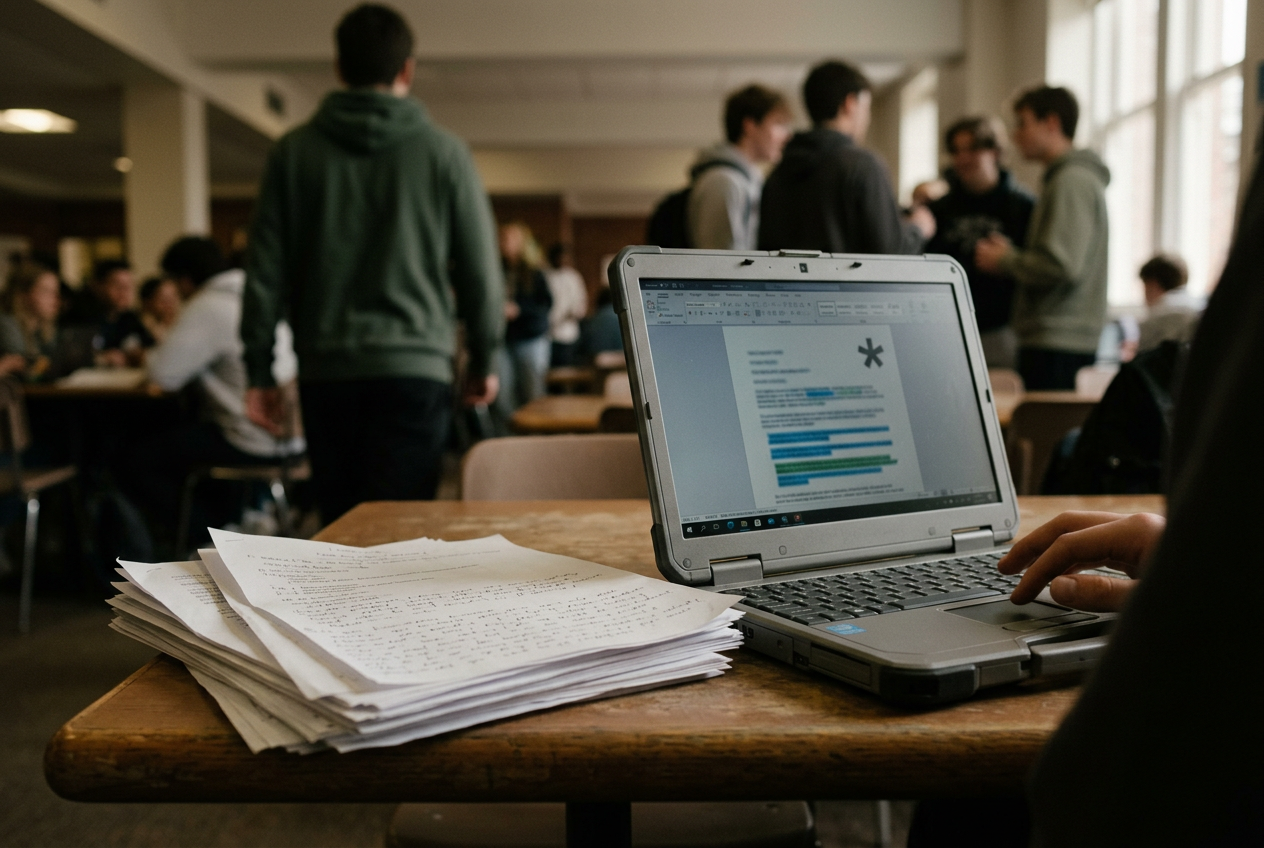
Districts buy Turnitin and similar tools as ordinary software, then let probabilistic scores migrate into misconduct cases. The contract rarely says how much evidence a percentage should become.
Kurt Halloran · 7 min read
Power
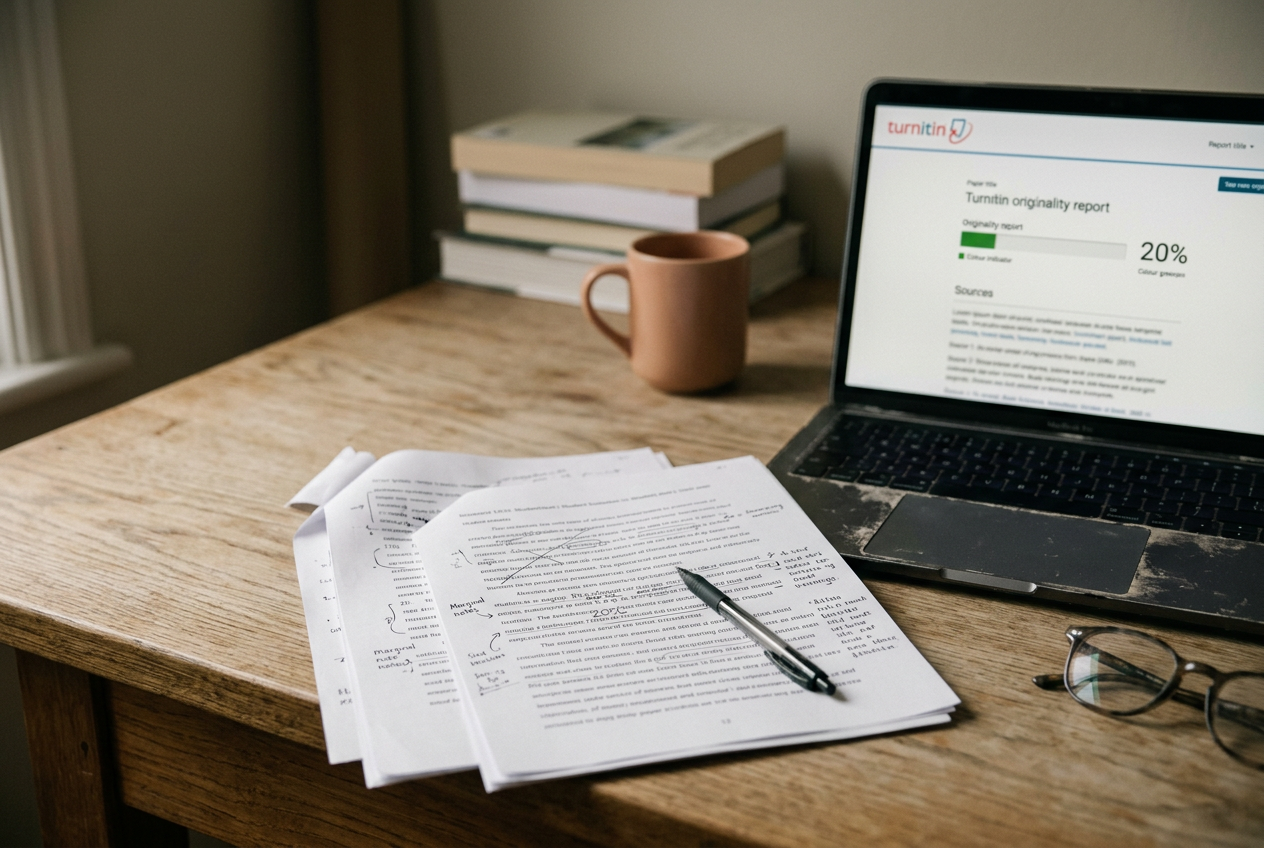
AI-writing detectors sell institutions a quick signal, then disclaim the certainty their interfaces imply. Students are left defending their authorship against a probability with no witness.
Kurt Halloran · 7 min read

Power
New Jersey institutions often call AI detection a clue, not proof. Their misconduct machinery can erase that distinction before a student gets a meaningful chance to contest it.
Kurt Halloran · 8 min read

Feeds
A platform warning is easy to crop away. The useful evidence lives in the file’s history, earlier copies, visual structure and the account that put it into circulation.
Priya Nandakumar · 8 min read

Feeds
Fake storm maps and disaster images copy the graphics people already trust. Platforms reward the recognition hit long before anyone checks who issued the forecast.
Cass Ito · 8 min read