Body
Compression is the easy part to sell. A useful binder test tracks breathing, heat, seam pressure and recovery across an ordinary day, without treating pain as proof that it works.
Tallulah Grange · 7 min read

Body
A CBT thought record asks you to slow down. Short-form video strips away history, impairment and alternatives, producing content that feels clinical while doing a different job.
Ezra Kimani · 7 min read

Body
Garmin, Fitbit, Samsung and Oura could spot bodily strain. They were much worse at explaining it, especially when coffee, exercise and ordinary anticipation looked alike.
Tallulah Grange · 8 min read

Body
BetterHelp, Talkspace and therapy directories collect intimate preferences, then hide how those answers shape the results. The strongest matches usually come from mundane constraints, not psychological precision.
Ezra Kimani · 8 min read

Body
The useful test is not whether a retreat promises safety. It is whether medical screening, qualified staff and a workable emergency plan appear before your payment becomes difficult to recover.
Nour Haddad · 8 min read

Body
BetterHelp, Talkspace, and Brightside ask clinical-looking questions before care begins. Their documents show a second purpose: sorting people into providers, plans, and service tiers.
Nour Haddad · 8 min read

Body
The decisive answer in one online therapy flow was not about distress or history. It was Tuesday evening, the slot that turned a care request into an inventory search.
Ezra Kimani · 8 min read

Body
A mood tracker can record distress without understanding why an entry is missing. Streaks reward the record, then make the hardest days look like failures of compliance.
Nour Haddad · 8 min read

Body
Telehealth intake forms need evidence of impairment. Too often, they find it by asking whether you still meet deadlines, finish projects, and remain useful to institutions.
Tallulah Grange · 8 min read

Body
Mindbloom, Innerwell and Joyous sell different versions of at-home ketamine care. Their support models reveal what the subscription really buys, and what disappears when it ends.
Ezra Kimani · 8 min read

Body
The intake quiz promises compatibility. A hands-on comparison shows how subscriptions, limited availability and awkward exits turn that promise into a retention tool.
Tallulah Grange · 8 min read

Body
A self-assessment can name real distress. When the score sits behind an email field, that moment of recognition also becomes a customer-acquisition event.
Ezra Kimani · 8 min read

Body
The assessment may end with a diagnosis, a treatment plan, or a report nobody else accepts. Similar checkout pages conceal very different clinical products.
Tallulah Grange · 8 min read

Body
Mindbloom’s eye mask lasts longer than its introductory course. Across ketamine brands, the treatment pathway often becomes least specific at the moment recurring payments begin.
Ezra Kimani · 9 min read

Body
US telehealth providers sell “integration” as therapy, coaching, group support or software. The word sounds clinical, but the labor and access behind it vary sharply.
Nour Haddad · 8 min read

Body
Joyous, Mindbloom and Better U describe substantial support around at-home ketamine. Their documents are much clearer about check-ins and eligibility than care after a frightening session.
Ezra Kimani · 8 min read

Body
Public ADHD intake flows mix legitimate symptom screening with testimonials, urgency copy and recurring-payment design. The overlap turns a person seeking clarity into a sales lead.
Nour Haddad · 8 min read

Body
Done, Circle Medical and ADHD Online sell different routes into care. Their intake and cancellation pages reveal when follow-up becomes a retention product.
Ezra Kimani · 7 min read

Body
Therapy platforms sell an always-open inbox. Their own response policies show care still runs on clinician schedules, business days and crisis exclusions.
Nour Haddad · 8 min read

Body
Mindbloom, Joyous, Better U and Innerwell publish plenty about starting treatment. Their public documentation is much less concrete about discharge, referrals and life after payment.
Ezra Kimani · 8 min read

Body
Wysa, Youper and Earkick could recognize distress. The harder test was whether they could stop chatting and help a lonely user reach a person.
Nour Haddad · 8 min read

Power
A monitoring contract gives administrators alerts, dashboards, and proof they bought something. It does not give a distressed student a trusted adult, and its risk labels carry less authority than schools imply.
Lena Vasquez · 8 min read
Body
A directory badge can mean a therapist is in-network, files out-of-network claims or merely gives you a receipt. Here is how to tell before the first bill arrives.
Ezra Kimani · 8 min read

Body
A familiar six-question ADHD screener now doubles as the front door to telehealth marketing. The score may be useful, but the funnel around it has another job.
Ezra Kimani · 8 min read

Body
I challenged a wellness chatbot after a patronizing breathing exercise. Its apology did not repair the exchange. It quietly restarted the intervention.
Ezra Kimani · 8 min read
Body
A warm reply proves very little. Crisis language, delusion cues and a direct request for human care show whether a mental-health bot can stop performing and hand over.
Tallulah Grange · 8 min read
Body
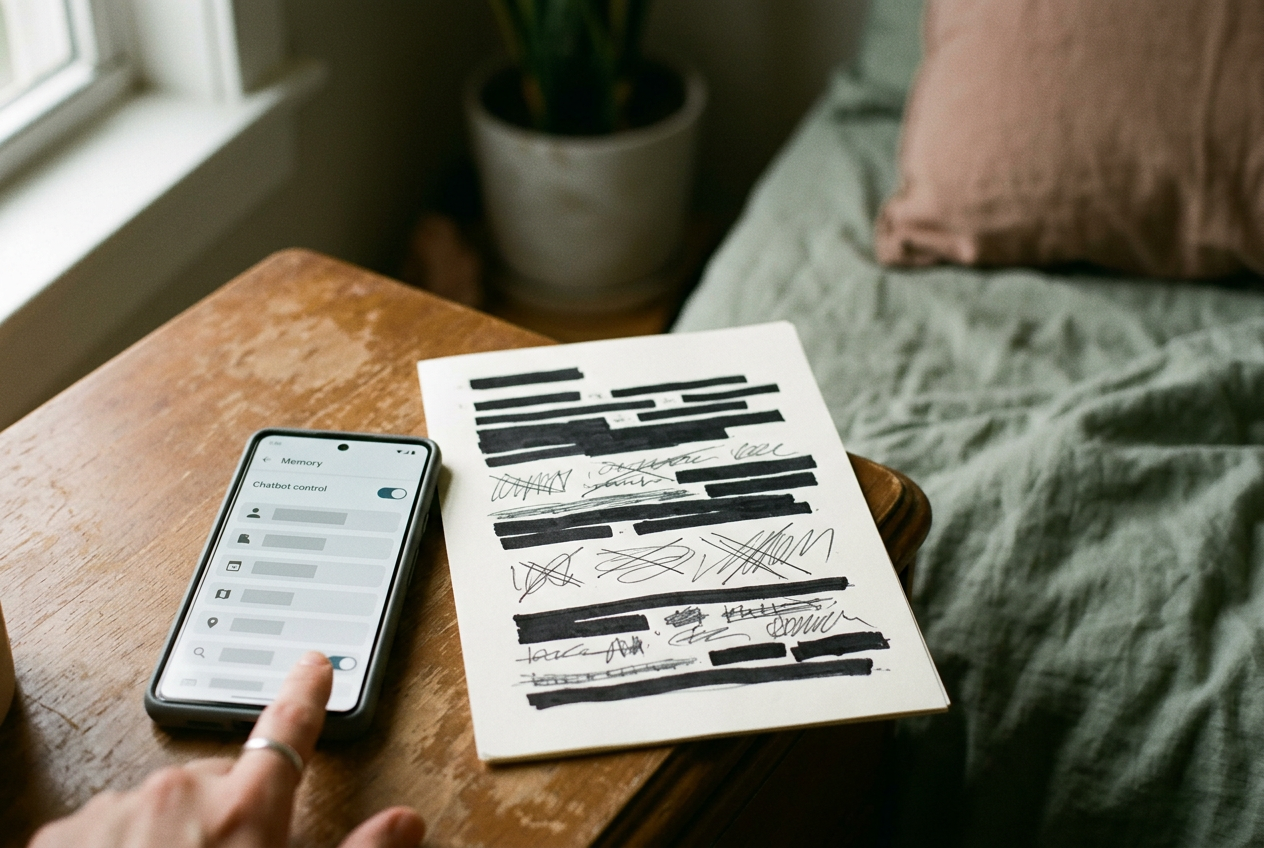
A vulnerable disclosure can become conversation history, product-improvement material and a crisis signal. The delete button rarely controls all three.
Tallulah Grange · 8 min read

Power
School monitoring software converts selected language into alerts that can reach administrators or police. The keyword list is where a vendor’s judgment becomes school power.
Lena Vasquez · 7 min read

Body
A blood-pressure cuff makes the monitored session visible. Public clinic materials show less agreement about who screens patients, tracks relapse or helps after they leave.
Nour Haddad · 8 min read

Power
OpenAI has described a pathway from threatening chat to human review and possible police referral. Most rivals reserve similar powers without explaining the threshold.
Kurt Halloran · 8 min read

Body
Therapist directories need some sensitive details to make a match. Their analytics, cookies and referral links can turn the same search into a trackable event before a clinician enters the room.
Tallulah Grange · 8 min read

Body
BetterHelp’s crisis notice exposes the limit built into app-based therapy: the subscription can organize care, but it cannot promise a clinician when distress becomes urgent.
Ezra Kimani · 8 min read
Power
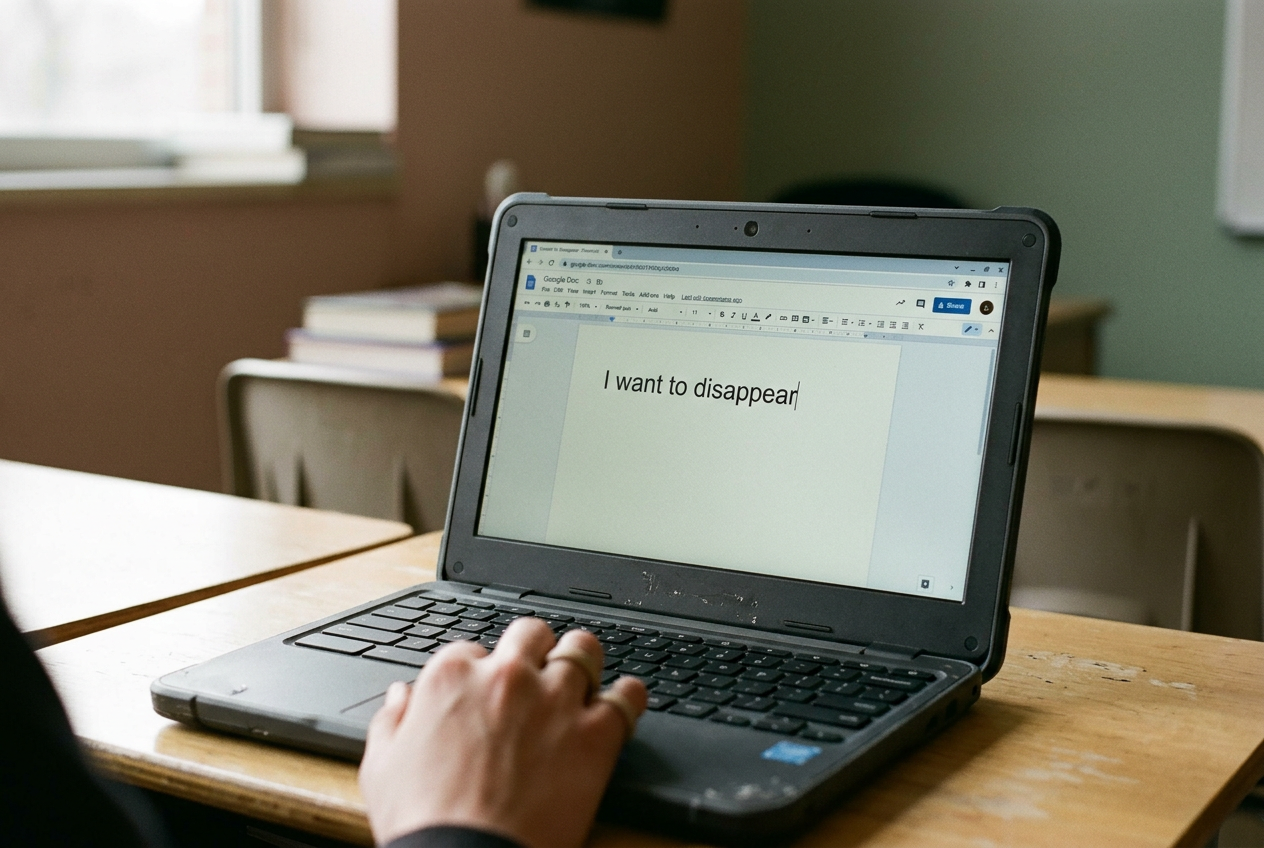
District software can scan a student’s email, search history and unfinished Google Docs for signs of danger. The alert may outlive the context that produced it.
Simone Achebe · 7 min read

Power
ChatGPT, Claude, Gemini and Copilot offer crisis support while reserving broad rights to retain or disclose conversations. The warning card explains the help. It rarely explains the surveillance.
Simone Achebe · 8 min read

Power
New Jersey districts buy software that scans school accounts for signs of harm. The alert may expose an unfinished draft to staff before a student knows anyone has read it.
Lena Vasquez · 8 min read

Body
An Oura Ring, a Fitbit and a paper diary agreed on broad patterns but fought over individual nights. The scores were most useful when treated as delayed evidence, not morning instructions.
Nour Haddad · 8 min read

Body
The repeated checklist is built to turn changing symptoms into scores, alerts and billable documentation. That machinery can support care while making an intimate answer feel like institutional data capture.
Tallulah Grange · 8 min read