Banquet Halls Are Becoming Clubs Because Venues Cost Too Much
After the last dinner plate leaves, promoters turn suburban halls into temporary clubs. The rental contract decides who can gather, how late they play and where the money goes.
September 6, 2026 · 7 min read
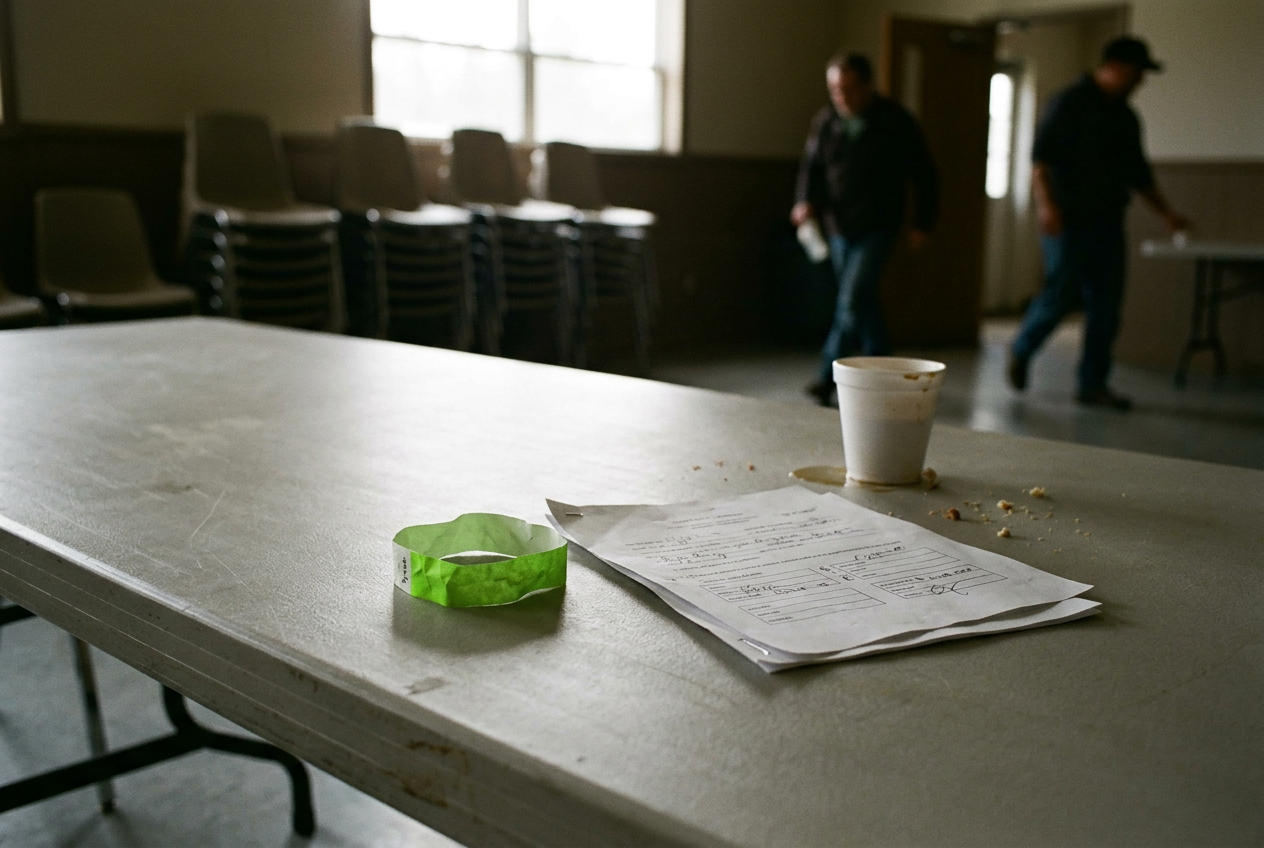
Consider the fluorescent-green Tyvek wristband, its adhesive end pressed slightly too tight around a wrist. Tyvek is a tear-resistant synthetic material used for disposable admission bands, and this one marks a person as paid, counted and allowed back through the side door. It also explains the entire temporary venue. The promoter owns the door.
The hall owns nearly everything behind it.
By early evening, that room might have held a retirement dinner or youth-sports fundraiser. The tables go against the wall. Linen disappears into rolling bins. A portable sound system faces the dance floor, which is usually laminate, parquet or commercial carpet selected for durability rather than acoustics.
There may be a shallow stage. There may be no stage at all. The fluorescent wristband does more work than the architecture.
Across the suburban belts around Philadelphia, Baltimore, northern New Jersey, Long Island, Los Angeles and Chicago, rooms built for chicken dinners and anniversary speeches have long hosted punk bills, regional rap shows, dance parties and scenes too local for the genre names marketers later attach to them. What has changed is their role. As small clubs close, touring costs rise and established rooms demand stronger presales, the rentable hall stops being an eccentric fallback. It becomes basic infrastructure.
The contract books the lineup
A conventional venue sells a promoter access to a working machine: a sound system, trained staff, ticketing, security, a liquor license and some established relationship with local officials. The arrangement can still be punishing, especially once fees and production charges appear, but everyone knows that music will happen there. A suburban banquet room sells time in a building. The promoter must assemble the machine for one night, then remove it before the next family needs the room.
Publicly posted facility-use agreements from veterans’ posts, fraternal organizations and municipal halls show the shape of the bargain. Renters may need a security deposit, proof of liability insurance and a certificate naming the property owner as an additional insured, meaning the owner receives protection under the renter’s policy for specified claims. Agreements can restrict amplified sound, ticket sales, outside alcohol, haze machines, wall decorations and access to kitchens. Some halls allow private celebrations but reject events advertised to the general public.
Others accept public shows only after reviewing security and capacity plans.
Those clauses are programming decisions wearing office clothes. A promoter who must pay for outside guards may drop the smallest bands because the budget no longer carries them. A room that forbids anyone under 21 erases the teenagers who replenish punk and hardcore scenes. A contract that limits reentry changes smoking breaks and the social life around the parking lot.
Requirements for seated tables can make a dance night impossible even when the legal capacity looks generous.
The hall manager does not need an opinion about regional club music, screamo or whatever fragment of electronic music has acquired a marketable suffix that month. The agreement has already expressed one. Scenes with short sets, modest production and audiences willing to arrive early fit these rooms more easily. Parties that build toward a 1 a.
m. peak collide with a suburban building that wants everyone outside before neighbors begin calling.
Curfew is an economic instrument
A hard curfew means music stops at a fixed time regardless of delays. It protects the hall’s staff schedule and relationship with its neighbors, but it also concentrates risk on the promoter, who may have paid for a full rental period while receiving a narrower performance window. If the first act starts late because the rented public-address system is still feeding back, the final performer loses minutes. The hall does not.
This favors promoters who can run a disciplined room. Doors open on time. Sets shrink. Changeovers happen on the floor.
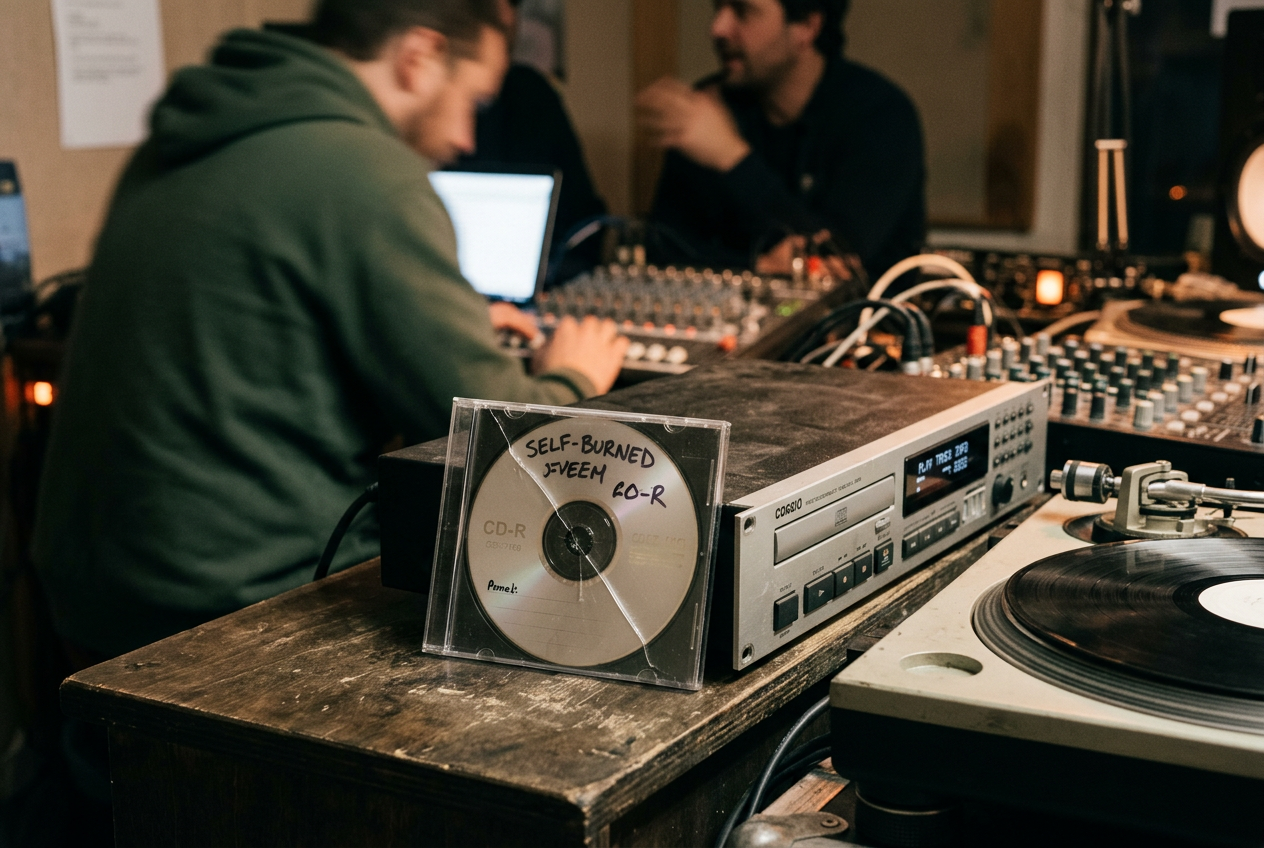
Touring artists accustomed to leisurely soundchecks discover that a banquet hall’s kitchen clock has more authority than their billing. Load-out, the removal of instruments and production equipment after the show, may carry its own deadline or overtime charge, so the final song starts a second countdown involving microphone stands, merch tubs and borrowed speaker cabinets.
The suburban location tightens the schedule in another way. City clubs sit inside transit networks and nightlife districts, even weakened ones. A VFW hall near a divided highway may offer parking but no useful late-night bus. People arrive in groups because leaving alone means a long rideshare bill.
The room can draw from several towns without belonging to any of them, which expands the possible audience while making attendance dependent on cars, designated drivers and parents willing to collect younger listeners.
That geography helps explain why these events can feel intensely local without producing a stable neighborhood institution. The promoter rents the room again only if the first night clears its costs and the hall approves the condition in which it was returned. There is no permanent office, no daytime box office, no illuminated sign to teach passersby what happens inside. The scene lives in group chats, flyers and the memory attached to an address that will host a baby shower the next afternoon.
The bar decides who keeps the night
Alcohol revenue supports much of the conventional club business. A promoter may receive ticket income while the venue keeps the bar, allowing both parties to earn from the same crowd. In a banquet hall, that division becomes less predictable because the premises and its liquor license, where one exists, remain under the hall’s control.
Some rentals require the house bar and its bartenders. Some impose a bar minimum, an agreed level of sales that the renter may have to cover if the crowd does not reach it. Others prohibit alcohol or restrict it to private events. A promoter cannot treat an ordinary hall rental as permission to sell drinks, and a casual bring-your-own arrangement may violate the contract, the license or local rules.
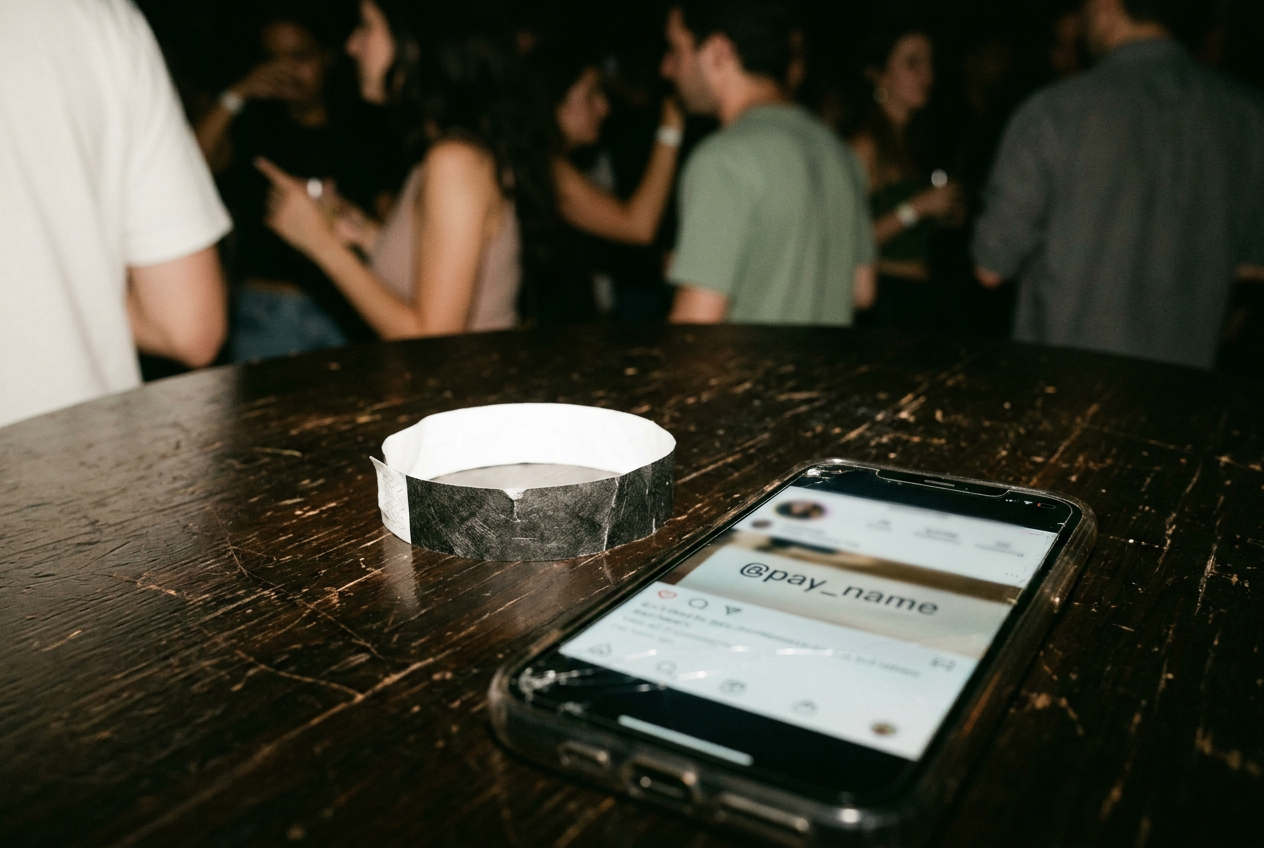
The wristband changes color here. One band may indicate paid admission; another may identify guests old enough to drink. A volunteer at the folding table has become part of the hall’s compliance system.
When the hall keeps beverage revenue and charges rent, its downside is limited. The promoter pays artists, hires sound and absorbs weak ticket sales. This can still be preferable to a club deal loaded with production expenses, mandatory ticketing and a percentage taken from several revenue streams, but cheap-looking rent is only the first line of the settlement. Insurance, security, cleaning, equipment transport and staff meals accumulate around it.
Merchandise often becomes the artist’s cleanest income in this arrangement because there may be no formal merchandise commission, although that depends on the contract. A folding table beneath fluorescent ceiling panels is less flattering than a club lobby, but it can put cash directly into a touring band’s fuel budget. The glamour deficit is severe. The accounting can be better.
Why the room changes the music
The National Independent Venue Association’s public advocacy since the pandemic has documented how thin the margins remain for small music rooms. The federal Save Our Stages campaign kept many venues from disappearing during shutdowns, but emergency relief did not remove rising operating costs, property pressure or the leverage held by major ticketing and promotion companies. The Justice Department’s 2024 antitrust case against Live Nation has placed that leverage under formal scrutiny; Live Nation disputes the government’s allegations.
Banquet halls sit partly outside that system. They usually lack exclusive ticketing arrangements, established talent buyers and expectations about which act belongs at which level of a bill. That freedom matters. A teenager with a payment app and a flyer can sometimes reach the same rental desk as an experienced promoter, though insurance requirements and deposits quickly reveal how conditional that access is.
The hall also changes behavior inside. With no backstage area, performers stand beside the audience. Without permanent barricades, security depends more heavily on community norms and competent staffing. Low ceilings compress the sound, while hard walls return cymbals and vocals to the room with little mercy.
A rented system set up badly can expose listeners and workers to unsafe volume, which makes ear protection and sensible sound checks practical requirements rather than scene-killing fussiness.
The fluorescent-green wristband survives sweat but not the night. It is cut off, peeled away or left on until the adhesive gathers lint. The room resets faster. Tables return to their grid, the bar closes and every trace of the temporary club must fit into cars before the deadline.
This is why the banquet hall model works and why it remains fragile: the scene gains access by promising to disappear.
Promoters should not be romanticized for carrying that risk, and hall operators should not be treated as accidental arts patrons when they are renting available space on protective terms. Still, the arrangement creates something conventional venue economics increasingly withhold: a room where an audience too small, young or geographically scattered for an established club can become visible to itself.
The deciding document is rarely the flyer. It is the facility agreement in a folder behind the bar, with its curfew, cleanup clause and blank line for proof of insurance. After the wristbands are cut away, that paper determines whether the room opens again.
Questions people ask
Why are promoters using VFW halls and banquet rooms for shows?
They are often available in places with few dedicated venues and can cost less than hiring a conventional club with mandatory production, security and ticketing systems. The tradeoff is labor and risk: promoters must build a temporary venue, satisfy the rental agreement and clear the room on schedule.
Who gets paid at a banquet-hall show?
The hall usually receives rent and may keep bar revenue. Promoters collect ticket money but pay artists, sound providers, security, insurance and cleanup costs before retaining anything. Artists may also keep merchandise income, depending on the agreement, which can matter more than the performance payment on a small bill.
Can a promoter sell alcohol in a rented hall?
A room rental alone does not grant permission to sell alcohol. The hall’s license, contract and local regulations control the bar, and many facilities require their own bartenders or prohibit outside drinks. All-ages events may avoid bar complications, though they lose a revenue stream that supports many conventional venues.
Why do these shows end earlier than city club nights?
Suburban halls often operate near homes, rely on scheduled staff and impose fixed cleanup or building-close times. Transit also thins out early. A hard curfew forces promoters to shorten sets and changeovers, favoring scenes that can assemble quickly rather than parties whose audience arrives after midnight.
One update a day
Today's story, in your inbox
One story each morning — no hype, no filler, no algorithm deciding for you.