
Power
New Jersey safety apps bundle useful alerts with tracking tools whose permissions do not expire. The emergency ends. The channel into your phone can remain.
Kurt Halloran · 8 min read

Power
Italy’s Piracy Shield briefly caught a Google Drive domain. The mistake exposes the bargain inside dynamic blocking: rights holders nominate targets, providers execute, and lawful publishers inherit the appeal.
Kurt Halloran · 8 min read
Power
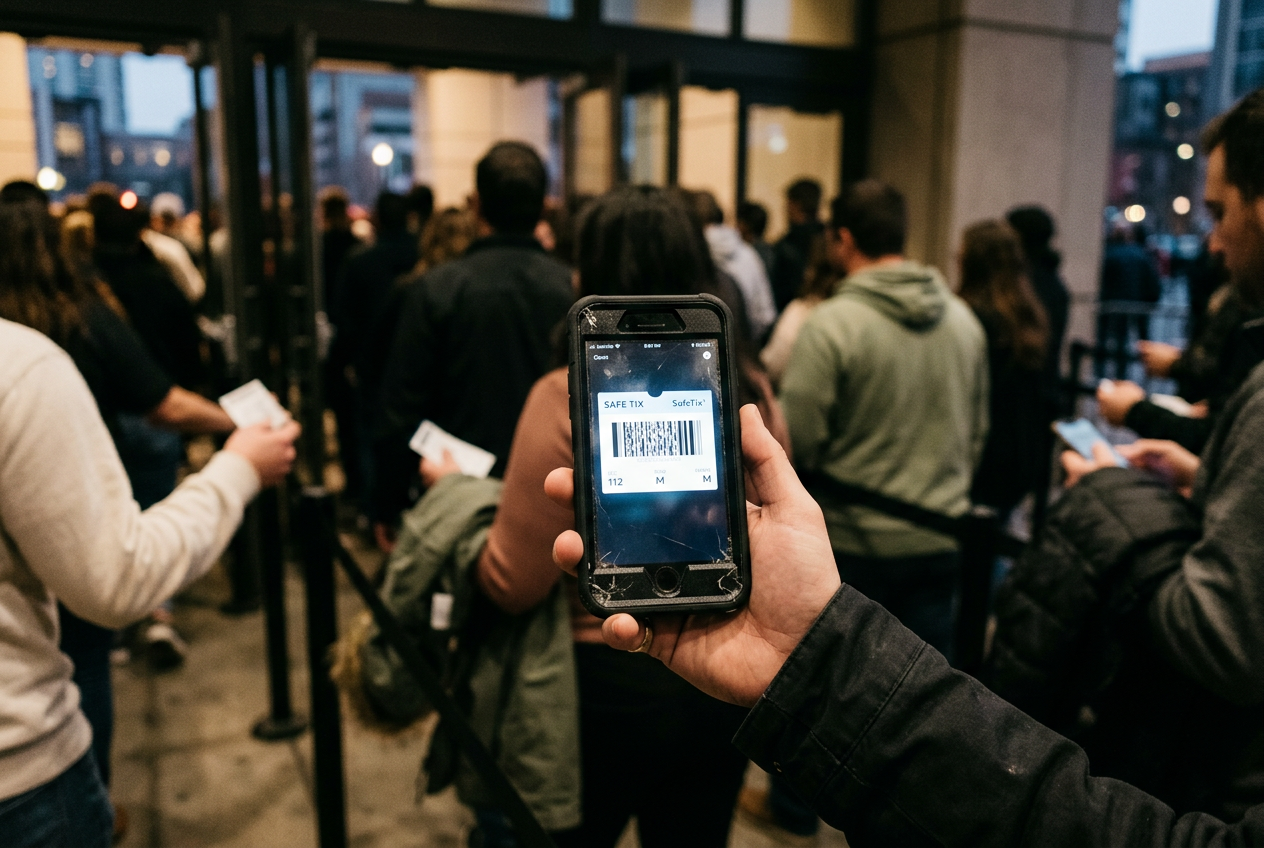
A changing barcode blocks copied tickets. It also lets ticketing companies and event organizers control lending, transfer and resale long after your card clears.
Kurt Halloran · 8 min read

Power
TikTok, X, Instagram, Reddit and YouTube treat access, deletion and data retention as separate systems. The ban closes your door. It does not empty their filing cabinet.
Kurt Halloran · 8 min read
Power
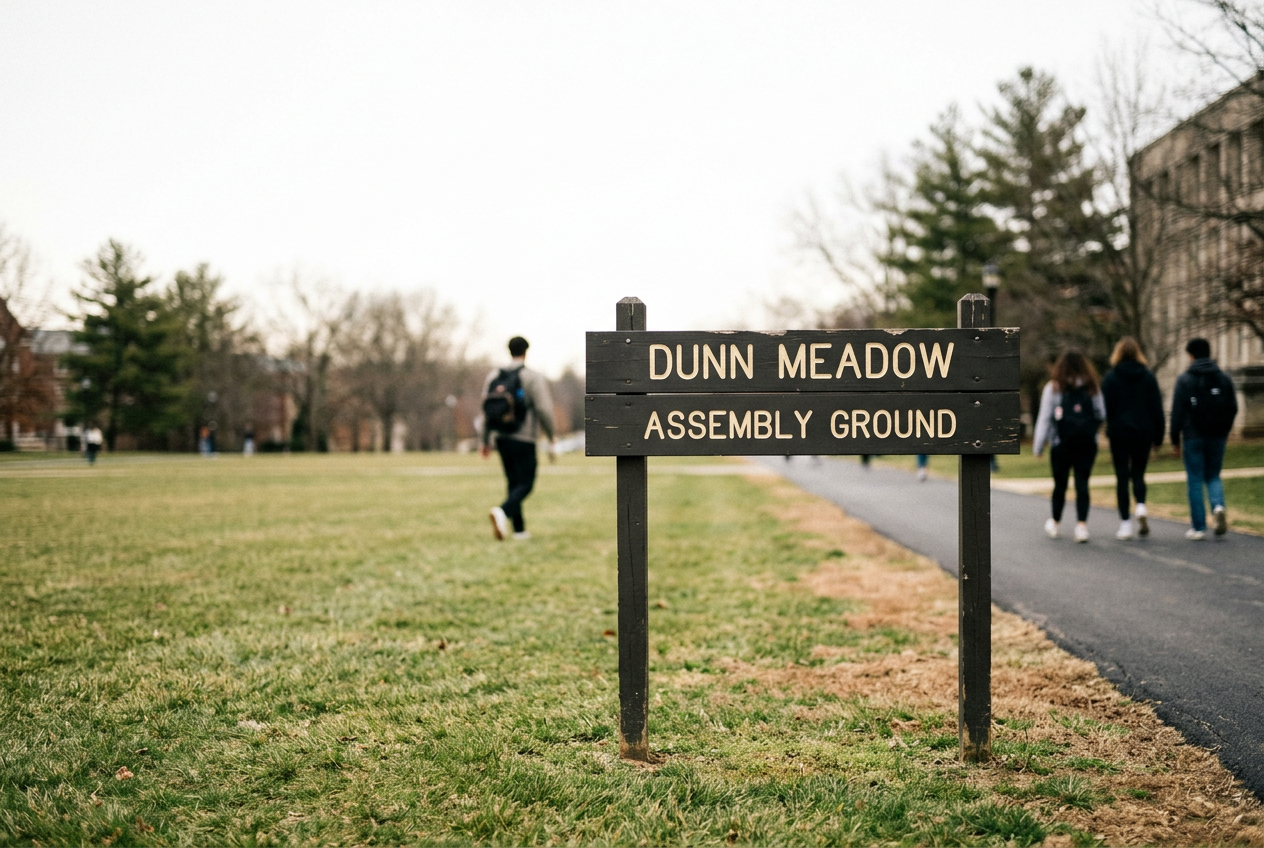
At Indiana University, a lawn long associated with public assembly became the test case for a quieter form of control: keep the speech, regulate its location, timing and audience.
Kurt Halloran · 8 min read

Power
The Teixeira leak case shows the pipeline: preserve the account, compel platform records, then prove who was typing. The weak point is often not obtaining a chat but attaching a person to it.
Kurt Halloran · 7 min read

Power
The same machine that confirms your age can create a searchable record of where you went, when you arrived, and whether another venue banned you.
Kurt Halloran · 8 min read

Power
Booking photos leave government custody, become search-engine bait and return as a removal bill. Paying usually erases one commercial page, not the public record or its copies.
Kurt Halloran · 8 min read

Power
Etsy, YouTube and TikTok let suspended users appeal, but their clocks protect the platform first. A reversal cannot restore orders, reach or relevance lost in the queue.
Kurt Halloran · 7 min read

Power
The Neighbors app no longer gives police a broadcast tool for soliciting recordings. Consent, warrants and emergency disclosures remain available.
Kurt Halloran · 8 min read

Power
One disputed film clip can redirect a video essay’s revenue, trigger an appeal judged by the claimant and put the channel at risk. The legal merits arrive last.
Kurt Halloran · 8 min read

Power
A conduct rule can keep threats and spam off a city page. Selectively hiding criticism does something else: it lets the government manufacture the appearance of consent.
Kurt Halloran · 7 min read

Power
Age and location rules can make platforms demand stronger proof from everyone. They cannot guarantee less access, especially when a free VPN can move a device across a border in seconds.
Kurt Halloran · 8 min read

Power
New Jersey colleges regulate protest through geography first: where sound carries, where tents touch grass and which doors require an ID. Discipline comes later.
Kurt Halloran · 7 min read

Power
YouTube, Meta and TikTok publish real enforcement numbers inside categories they control. The trick is knowing what each report leaves outside the denominator.
Kurt Halloran · 7 min read

Power
Municipal comment policies promise orderly Facebook pages. Their real test is whether officials apply the rules to praise and criticism with the same enthusiasm.
Kurt Halloran · 8 min read

Power
One May 2020 post was labeled by Twitter and untouched by Facebook. The split exposed the real moderation rule: public interest is an escalation privilege before it is a speech principle.
Kurt Halloran · 8 min read
Power
The appeal button suggests a second judgment. On major platforms, it may trigger an eligibility check, an automated reversal or a narrow audit of the first system instead.
Kurt Halloran · 8 min read

Power
A protest can become a commercial location-data query long after the crowd leaves. The machinery was built for advertising, but brokers sell the same power to institutions with sharper incentives.
Kurt Halloran · 8 min read

Power
A post can disappear from a forum while surviving inside a platform hold or police evidence system. The decisive event is often whether someone preserved or copied it before deletion.
Kurt Halloran · 8 min read

Power
An audit of five municipal archives found a familiar bargain: residents can watch government live, but finding the same discussion later may require platform archaeology.
Kurt Halloran · 8 min read

Power
Instagram, TikTok, YouTube, and X all offer ways to contest moderation decisions. Only some promise that another person will look at the case.
Kurt Halloran · 8 min read

Power
Instagram, TikTok and YouTube say context matters. Their appeal forms reveal how little context a user can submit when quotation, satire or reclaimed language gets flattened into a violation.
Kurt Halloran · 8 min read

Power
TSA says travelers may decline facial recognition without losing their place in line. The catch is built into the checkpoint: opting out requires identifying yourself to the officer controlling it.
Kurt Halloran · 7 min read

Power
An AI-writing score estimates resemblance, not authorship. Schools turn that probability into punishment when weak review procedures make students disprove a machine.
Kurt Halloran · 8 min read

Power
The location check that makes a New Jersey wager legal also opens a wider data channel. Betting apps document collection that reaches into devices, behavior, identity and advertising.
Kurt Halloran · 8 min read

Power
Google dismantled the location-history database behind geofence warrants. It did not stop police from finding other companies willing or required to place your phone on a map.
Kurt Halloran · 8 min read

Power
The clip at the podium has already passed through police lawyers, communications staff and editing software. Redaction can be necessary. The sequence remains an argument.
Kurt Halloran · 8 min read

Power
Automated recaps look authoritative, spread faster than transcripts and rarely carry a useful correction trail. That makes a probabilistic summary convenient evidence for management.
Kurt Halloran · 7 min read

Power
A blurry retail still can become a watchlist entry, a vendor record and a police lead. The machinery moves faster than the process for correcting it.
Kurt Halloran · 8 min read