A Suspended Account Gets a Form, Not Due Process
TikTok, Meta, YouTube, X and Twitch all document account appeals. Their forms offer uneven evidence tools, vague review promises and almost no independent escalation.
August 26, 2026 · 8 min read

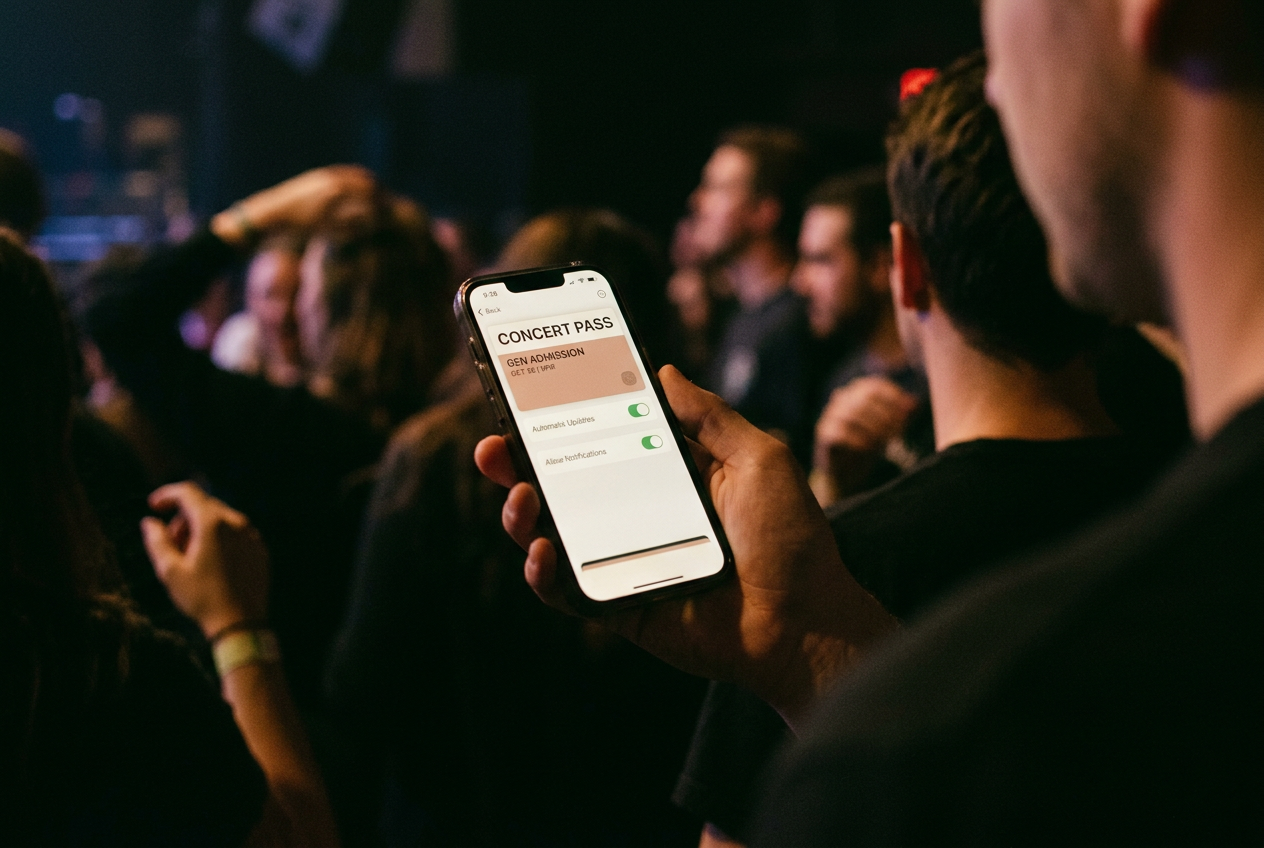
Start with the Appeal button inside TikTok’s account-ban notification. TikTok’s help documentation tells a banned user to open the notification, tap that button and follow the instructions. The same account can remain available for limited purposes, including submitting the appeal and, in some cases, downloading account data.
The button is small, but it carries the full weight of the procedure. It is the notice, the courthouse door and the route back to the same institution that imposed the penalty. TikTok sets the rules, records the alleged violation, chooses what the user may submit and decides whether its first decision survives. There is no separation between prosecutor, clerk and judge.
That structure is common across major platforms. The interfaces differ. Some accept explanations, some provide enforcement histories, and a few make explicit claims about human review. None of the standard appeal paths documented by TikTok, Meta, YouTube, X or Twitch gives an ordinary user a neutral decision-maker with authority over the platform.
TikTok keeps the case inside the notification
TikTok’s documented route is direct. Open the ban or removal notification, tap Appeal and complete the prompts. If TikTok approves an appeal, its documentation says the account or content can be reinstated and the associated strike removed.
What the public documentation does not establish is equally important. It does not promise every account-ban appeal a live conversation, a complete copy of the evidence used against the account or a written decision that addresses each point raised. The interface controls what can be entered and whether supporting material can be attached in that particular flow. The user does not get discovery, meaning access to the records and evidence behind the accusation.
Return to the Appeal button. It offers a route back in, which is better than a silent dead end, but it turns a dispute about context into a submission shaped by TikTok’s fields. A creator trying to explain coordinated false reports, satire or a mistaken identity may need more room than the interface permits. The form decides the size of the argument before a reviewer sees it.
Meta offers review, then narrows the exit
Instagram directs many disabled-account users to log in and follow on-screen instructions to request a review. For other enforcement decisions, Account Status can display removed content, feature restrictions and available review options. Facebook uses comparable account and content review flows.
Meta’s documentation describes a moderation system that combines technology with human reviewers, but the existence of people somewhere in that system does not answer who reviews a particular suspension appeal. A useful human-review promise would identify when a person enters the process, what material that person can see and whether the reviewer can depart from the automated system’s classification. The standard help pages rarely provide that level of procedural detail.
Meta does have an external-looking layer: the Oversight Board, an organization funded through a trust established by Meta that can review eligible Facebook and Instagram content decisions. Its jurisdiction is not a general appeals court for disabled accounts. Users usually must exhaust Meta’s internal review first, and only some content cases qualify. The distinction matters.
Losing one post may create a path to the board; losing the account that contains every post may not.
Meta Verified subscribers can access account support under the terms described for that product. That support channel is not documented as an independent appellate tier, yet its existence exposes a practical division. Some users can reach a support interface attached to a paid subscription. Others get the form.
YouTube makes the strongest human-review claim
YouTube’s channel-termination documentation routes eligible users through YouTube Studio, where they can begin a review, read the stated reason and submit an appeal. A separate form may be available when Studio cannot be used. For Community Guidelines appeals, YouTube explicitly says a human reviews the content before a decision.
That is a more concrete promise than a generic statement that a company uses both automation and people. It still leaves the platform in control of the record. A terminated creator may provide an explanation, but YouTube owns the detection signals, policy labels and internal enforcement history that produced the termination. The reviewer works from an evidentiary file the user cannot inspect in full.
Access also changes with status. YouTube documents Creator Support for eligible creators, including members of the YouTube Partner Program. Support is not the same as reversal authority, and no help page guarantees a favorable result, but a creator with access can at least pursue a conversation that many ordinary users cannot. The formal rule may be shared while the available attention is not.
X and
Twitch show two versions of the same enclosure
X tells users with locked or suspended accounts to log in, complete any requested verification steps and submit an appeal through its designated flow. Those steps can separate a security lock from a policy suspension, but the public documentation offers limited detail about the evidentiary standard or the identity of the final reviewer.
A verification request can resolve an account lock without testing whether the underlying moderation judgment was sound. An appeal can challenge the judgment, although X does not broadly promise a hearing, a response addressing every claim or independent review. The platform’s form receives the argument and the platform closes the file.
Twitch gives users an Appeals Portal tied to their account. The portal displays eligible enforcements, accepts an explanation and provides status information. This is administratively cleaner than hunting through disconnected support pages. It also makes the enforcement history legible to the company and partly legible to the user, which reduces one common failure: appealing the wrong action without knowing it.
The portal remains an internal remedy. Twitch’s safety operation reviews an enforcement imposed under Twitch’s rules, using records held by Twitch. A centralized docket can improve consistency, but consistency is not independence. A well-organized courthouse can still belong to one side.
The missing pieces are procedural, not cosmetic
Due process, used here as a benchmark rather than a claim that constitutional protections automatically bind private platforms, means a fair procedure before or after a serious deprivation. For an account holder, the meaningful parts include clear notice, enough access to the case to answer it, a genuine chance to submit relevant evidence and review by someone able to correct the original decision.
Most platform systems provide notice at some level. They usually identify a policy category and offer a text field or guided appeal. The structure weakens after that. A broad label such as spam, platform manipulation or dangerous content may cover many possible acts, while the user needs the specific post, behavior or account link that triggered enforcement to prepare a useful response.
Evidence submission is especially uneven. A free-text box can hold context, but it does not establish whether links will be opened, screenshots considered or language outside the platform’s main review capacity understood. When the relevant evidence sits inside the company’s own systems, including reporting patterns and automated confidence scores, the user cannot attach what the platform has chosen not to disclose.
Human review helps only when the person has time, authority and a sufficiently complete record. The phrase can otherwise describe a worker confirming a machine-generated category under production targets the user will never see. Brand documentation generally says little about reviewer workload, regional expertise or whether the second reviewer is institutionally separate from the first decision.
The mechanism works this way because appeals are also a moderation cost. Every added document, exchange and escalation requires storage, staff time and specialist judgment. Platforms therefore standardize disputes into forms that can be sorted, routed and closed at scale. The user’s account may contain years of work or the only audience that supports a business.
To the system, the appeal is a ticket.
External escalation depends on where you live
Some platform documentation now acknowledges routes created by regulation. In the European Union, the Digital Services Act requires covered platforms to provide internal complaint systems and creates access to certified out-of-court dispute settlement bodies for eligible disputes. That is closer to an appeal beyond the original decision-maker, although availability, scope and cost depend on the service and jurisdiction.
Elsewhere, ordinary support channels dominate. Legal processes may exist under applicable law and platform terms, but they are not substitutes for an accessible moderation appeal, particularly when a suspended creator is losing current income and audience contact. A procedure that can be pursued only with substantial time or money does little for the person staring at TikTok’s Appeal button before the account data disappears under the platform’s retention rules.
Brand documentation can show the authorized path. It cannot show how often reviewers reverse decisions, how long comparable cases take or whether users with similar evidence receive similar outcomes. The companies publish instructions for entering the system. They disclose far less about what happens in the room behind the form.
Questions people ask
Which platform clearly promises human review of an appeal?
YouTube makes one of the clearest public claims, stating that a human reviews Community Guidelines appeals. Other platforms describe moderation systems that use people and automation, but their standard account-suspension pages often do not specify whether every appeal receives human review or what authority that reviewer has.
Can users submit evidence with an account appeal?
Usually they can submit an explanation, and some appeal interfaces may accept links or supporting material. The options vary by platform and enforcement type. None of the standard paths gives users full access to internal reports, detection signals or the complete record used to suspend the account.
Does
Meta’s Oversight Board review disabled Instagram accounts?
Not as a general account-reinstatement court. The board reviews eligible Facebook and Instagram content decisions after Meta’s internal review process, subject to its jurisdiction and selection rules. A dispute about a specific post may qualify while a disabled account, taken as a whole, may have no route there.
What makes a platform appeal different from due process?
A platform appeal can correct mistakes, but the company still writes the rule, holds most of the evidence, selects the reviewer and controls the remedy. Due process requires more than an Appeal button. It depends on meaningful notice, a fair chance to answer and review that is not enclosed by the original decision-maker.
One update a day
Today's story, in your inbox
One story each morning — no hype, no filler, no algorithm deciding for you.