If You Joined Online, a Call-Only Cancellation May Be Illegal
The FTC’s national click-to-cancel rule is gone, but federal and state laws still limit subscription traps. Here is how to test the path without mistaking inconvenience for illegality.
August 21, 2026 · 8 min read

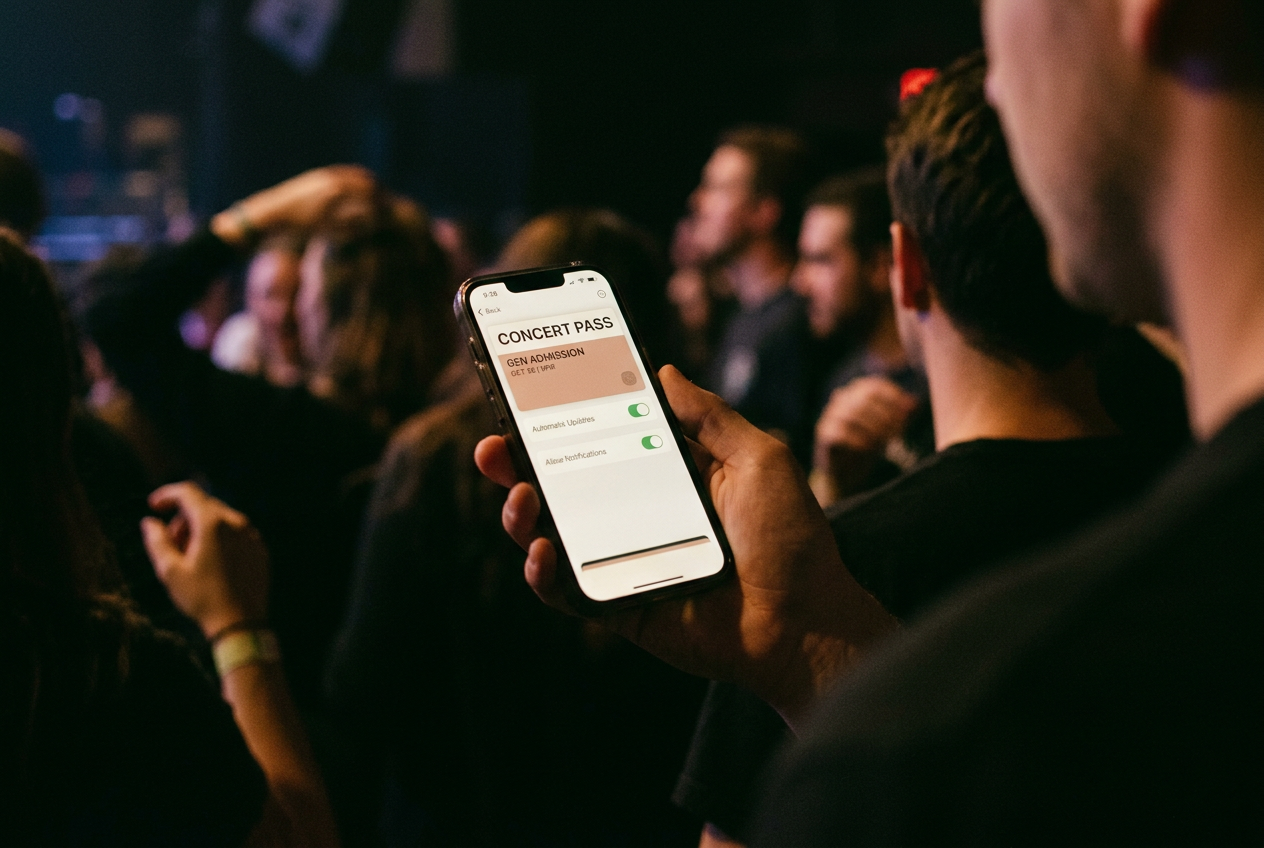
The important object is a small gray line on an account page: contact the home location by phone to end the membership. The subscription was available online. The payment method lives online. The cancellation route has been sent somewhere else.
That line is where annoyance becomes policy. A company that makes enrollment immediate but routes departures through a staffed phone line has added labor to only one side of the transaction, usually where the customer has less information and the company has more control. The hold music is part of the business model.
We tested the logic of cancellation paths used across digital culture and wellness subscriptions, moving from account page to help center, app-store settings and posted terms. Paths vary by state, subscription tier and signup method, sometimes within the same company, so a clean result for one account does not clear the brand everywhere. The useful finding is a method: identify the law that binds the transaction, then document each place where the company converts a cancellation request into delay.
This is not legal advice. It is a way to distinguish an irritating save offer from a cancellation system that deserves a regulator’s attention.
The federal rule everyone heard about is not binding
The Federal Trade Commission finalized its Negative Option Rule in 2024. A negative option treats silence or inaction as permission to keep charging, which covers familiar automatic renewals and continuous subscriptions. The rule would have required cancellation to be at least as easy as enrollment, producing the click-to-cancel shorthand.
Then the rule lost in court. In July 2025, a federal appeals court vacated it after finding that the FTC had failed to follow a required procedural step. Vacated means erased, not postponed. The rule is not a binding national command, and a customer cannot establish a violation merely by pointing to its same-medium cancellation standard.
Companies benefited from that result. They did not receive a federal right to hide the exit.
The Restore Online Shoppers’ Confidence Act, usually called ROSCA, still applies to many online negative-option sales. It requires clear disclosure of material terms, informed consent before charging and a simple mechanism to stop recurring charges. The Federal Trade Commission Act also prohibits unfair or deceptive practices. Those standards are less mechanical than the vacated rule: they do not universally say that two clicks in must mean two clicks out, leaving more room for companies to argue that a phone line is simple enough.
That ambiguity is valuable to a subscription business. A bright-line button can be audited in seconds. A promise that customers may call during operating hours turns compliance into a dispute over hold times, disconnected transfers, retention scripts and whether the employee recorded the request correctly.
Return to the gray line. Its existence alone does not prove a federal violation. If the number is visible, staffed and capable of ending charges without obstruction, the company has an argument that it supplied a simple mechanism. That argument weakens with every unanswered call and every demand unrelated to verifying the account.
State law may supply the missing button
The customer’s location matters because states have adopted their own automatic-renewal laws, often with firmer cancellation requirements than federal law. California’s amended Automatic Renewal Law, effective from July 2025, generally requires businesses to provide an easy cancellation method and gives customers who accepted an offer online an online route to cancel. It also regulates retention offers so that declining one does not become another maze.
New York requires a cost-effective, timely and easy-to-use cancellation mechanism, with online termination available for certain agreements entered online. Other states impose their own versions of online access, clear instructions or cancellation through a medium resembling the one used to subscribe. Coverage and exemptions differ. Gym contracts, insurance products, telecommunications services and subscriptions sold by regulated institutions may sit under separate rules.
This is why a national help page can be misleading. A company may expose an online button to California accounts while showing a phone number elsewhere, or route app-store purchases back to Apple or Google because those platforms, rather than the service itself, control the recurring charge. The interface recognizes jurisdiction even when the marketing page pretends every customer bought the same product.
Check the attorney general or consumer-protection agency for the state tied to the billing address. Read the current automatic-renewal guidance, not a social post summarizing the FTC rule before it was vacated. The legal question is narrower than whether the path feels hostile: it is whether this seller, contract and cancellation mechanism meet the rules that govern this transaction.
Test the exit without losing the evidence
Start where the company expects a customer to start: the signed-in account page. Record the screen or take sequential screenshots showing the membership status, renewal information and every cancellation control. Capture the posted instructions and the account’s state, but redact payment details before sharing anything.
Then write down how enrollment happened. A subscription purchased on a website, one accepted inside an app and a contract signed at a studio can trigger different requirements. If Apple’s or Google’s subscription settings display the service, cancellation usually belongs there; demanding that the content provider override an app-store renewal will waste time because the provider may not control it.
Follow the route until the service presents a final confirmation, but do not confirm if the assignment is merely to inspect a subscription you intend to keep. Count meaningful barriers rather than clicks. Logging in again protects an account and is usually ordinary friction. A clear page explaining lost benefits may be annoying without blocking anything.
One optional discount can be lawful where the customer can visibly reject it and continue.
The character of the path changes when the cancel control becomes a loop. A page that returns to membership settings, a chat agent who repeatedly substitutes a pause, or a phone representative who refuses to process the request without an explanation has made continued billing easier than refusal. If online enrollment took minutes but cancellation requires calling a particular location during narrow hours, note that asymmetry and the time it consumed.
The gray line matters again here. Take a screenshot before calling. Keep the call log, the names or identifiers supplied by representatives, and the confirmation message. Afterward, return to the account page and check whether the status says canceled, nonrenewing or merely frozen.
A freeze preserves the contract and often preserves a future charge. It is not a cancellation wearing comfortable clothes.
Do not erase the evidence after the confirmation email arrives. Subscription systems sometimes separate access status from billing status, and a customer can lose access while the payment instruction remains active. Check the next billing statement as well as the service dashboard.
Friction has degrees
A retention screen is usually the mild end. Reauthentication, a warning about forfeited credits and a final confirmation can serve legitimate purposes, provided the customer still has an obvious route out. The law does not promise an emotionally neutral breakup.
Call-only cancellation after online enrollment is a stronger warning, particularly in a state that requires online cancellation. Requiring certified mail or an in-person visit raises the stakes further when the seller accepted the agreement remotely. A buried number, chronically unavailable staff or repeated transfers can undermine the claim that the mechanism is simple and timely even where no statute expressly orders a button.
Continued charges after a documented cancellation request are more serious than interface theater. So are misleading statements that a customer canceled when the company merely paused the plan, or undisclosed conditions imposed only after the request. A fixed-term contract may still carry an early termination charge, but that fee should come from terms disclosed before purchase; hiding the fee and refusing to accept cancellation are separate problems.
The mechanism underneath all of this is churn reduction. Churn means the share of subscribers who leave during a period. A company can reduce it by making the product worth keeping, or it can catch departing customers in an operational gap where the cost of another month is lower than the cost of another phone call. The second method works best on people with inflexible jobs, disabilities, caregiving duties or limited English access.
Friction is not evenly distributed.
Escalate the record, not the argument
Send a written cancellation notice through any available email address, web form or account message, even if the company insists on a call. State the account identifier, the request to stop renewal and the date of the earlier attempt. Do not include a full card number. Save the sent message outside the service’s inbox.
If charges continue, the FTC accepts reports about deceptive subscription practices, while state attorneys general and local consumer agencies handle complaints under state law. A card issuer may also offer a billing-dispute process. A dispute is not a magic cancellation button, and stopping a payment does not necessarily resolve a valid fixed-term obligation, so describe the transaction and provide the record rather than assuming a replacement card ends the contract.
That record turns the gray call-only instruction into something measurable: the signup medium, the governing state, the time spent, the company’s response and the charge that followed. Regulators can do more with a reproducible path than with a general declaration that cancellation was terrible. The company already knows it was terrible. The unresolved issue is whether terrible was the design.
Questions people ask
Is it illegal to require a phone call to cancel a subscription?
Not everywhere and not automatically. Federal law requires a simple way to stop many online recurring charges, while states including California and New York impose more specific cancellation duties in covered transactions. The signup method, customer location, contract type and way the phone system operates all matter.
Does the
FTC’s click-to-cancel rule currently apply?
No. A federal appeals court vacated the FTC’s 2024 Negative Option Rule in July 2025, so its same-ease cancellation requirement is not binding. ROSCA, the Federal Trade Commission Act and state automatic-renewal laws remain available against deceptive or obstructive subscription practices.
Does deleting an app cancel its subscription?
Usually not. Deleting software removes it from the device but does not tell Apple, Google or the seller to stop recurring charges. Check the subscription manager connected to the original purchase and keep the screen showing the cancellation or nonrenewal status.
What evidence should I save after canceling?
Keep screenshots of the instructions and account status, call logs, written notices, confirmation messages and the next billing statement. Record whether the service says canceled, nonrenewing or paused, because those statuses have different consequences and a pause may authorize future billing.
One update a day
Today's story, in your inbox
One story each morning — no hype, no filler, no algorithm deciding for you.