Your Mobile Concert Ticket Checks More Than the Barcode
A mobile-only ticket ties the right to enter a venue to an account, a device and a trail of updates. Fraud prevention explains part of that system. It does not explain all the data it can produce.
August 20, 2026 · 8 min read
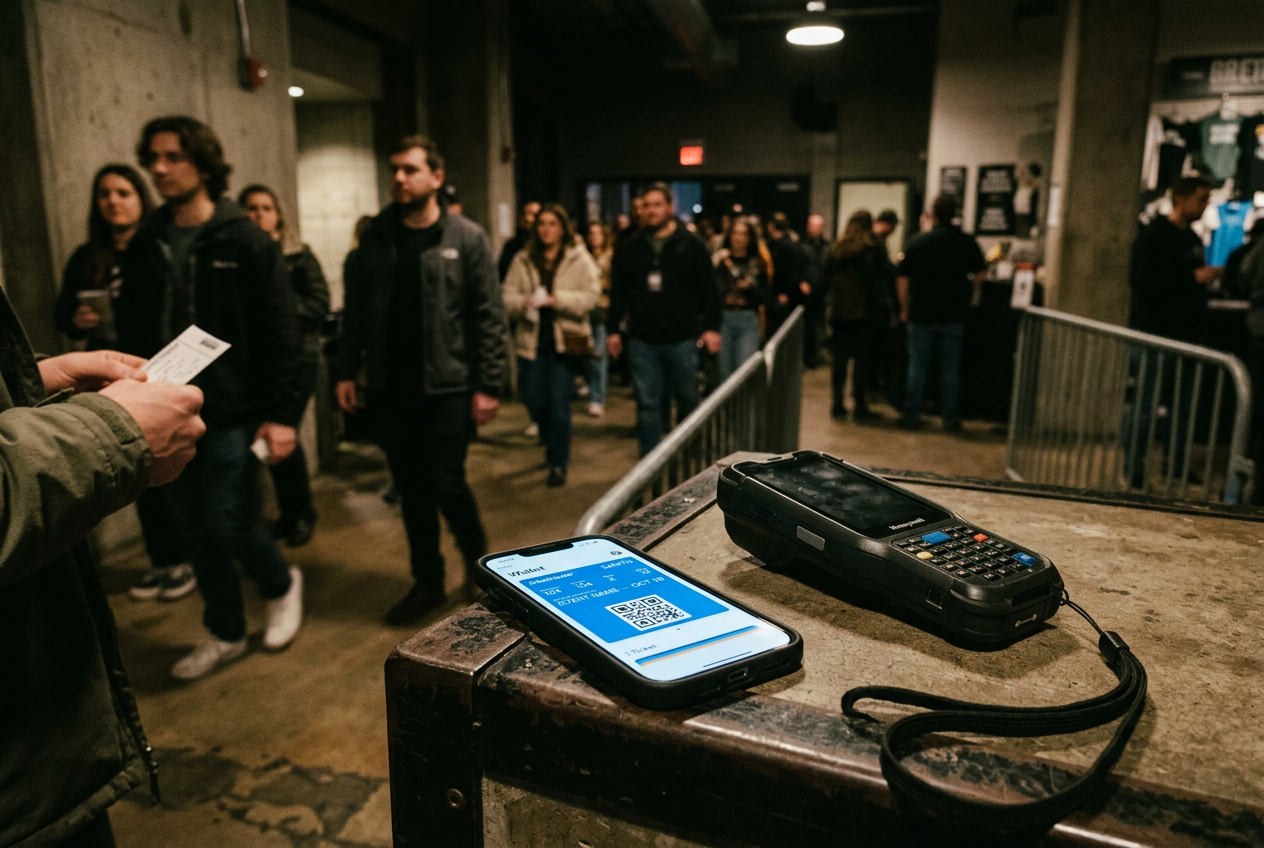
The object to keep in view is a blue Ticketmaster SafeTix pass sitting in Apple Wallet. It shows an event, a seat and a barcode that changes rather than holding still for a screenshot. At the gate, the screen looks like a ticket. Underneath, it is a credential issued to an account, delivered through software and checked against a live ticketing system.
That difference matters. A paper ticket could move from one person to another without asking either person to identify themselves to the issuer. The SafeTix pass cannot move cleanly outside Ticketmaster’s transfer process. The company’s help documentation directs the recipient to accept the transfer and sign in or create an account, after which the sender’s ticket is canceled and a new credential belongs to the recipient.
The venue no longer sees only that a valid ticket reached the scanner. Its ticketing system can know which account currently controls that ticket and when the credential was presented. The barcode has become an authenticated relationship.
The checkpoint begins before the gate
Buying a ticket usually supplies the clearest identity data: account contact details, payment information and a transaction record. Receiving a transfer can demand less, but it still requires an email address or mobile number for delivery and a ticketing account for acceptance. A friend cannot merely hand over the blue pass as an image because SafeTix uses a rotating barcode, a token that changes so a copied version expires.
Ticketmaster’s public instructions frame the account as part of secure delivery. That is accurate. Requiring the recipient to claim a newly issued credential lets the company invalidate the sender’s copy, preserve the seat assignment and decide which account should pass the scanner. It also closes the anonymous handoff that paper made ordinary.
The account is the checkpoint. It may not establish a legal identity in the way a passport does, and Ticketmaster does not generally require government identification merely to accept an ordinary transfer. It establishes a platform identity: this email address or phone number, using this account, controls this ticket. If the account later acquires a name, payment card, purchase history or marketing profile, the transferred ticket sits inside that larger record.
A transfer therefore changes more than possession. It tells the issuer that the original holder sent the ticket away, identifies the address or number invited to receive it, records whether the invitation was accepted and assigns the replacement credential to another account. Those records are useful when someone reports theft or disputes a sale. They are also a map of who held the seat before the doors opened.
Your phone does not grant everything at once
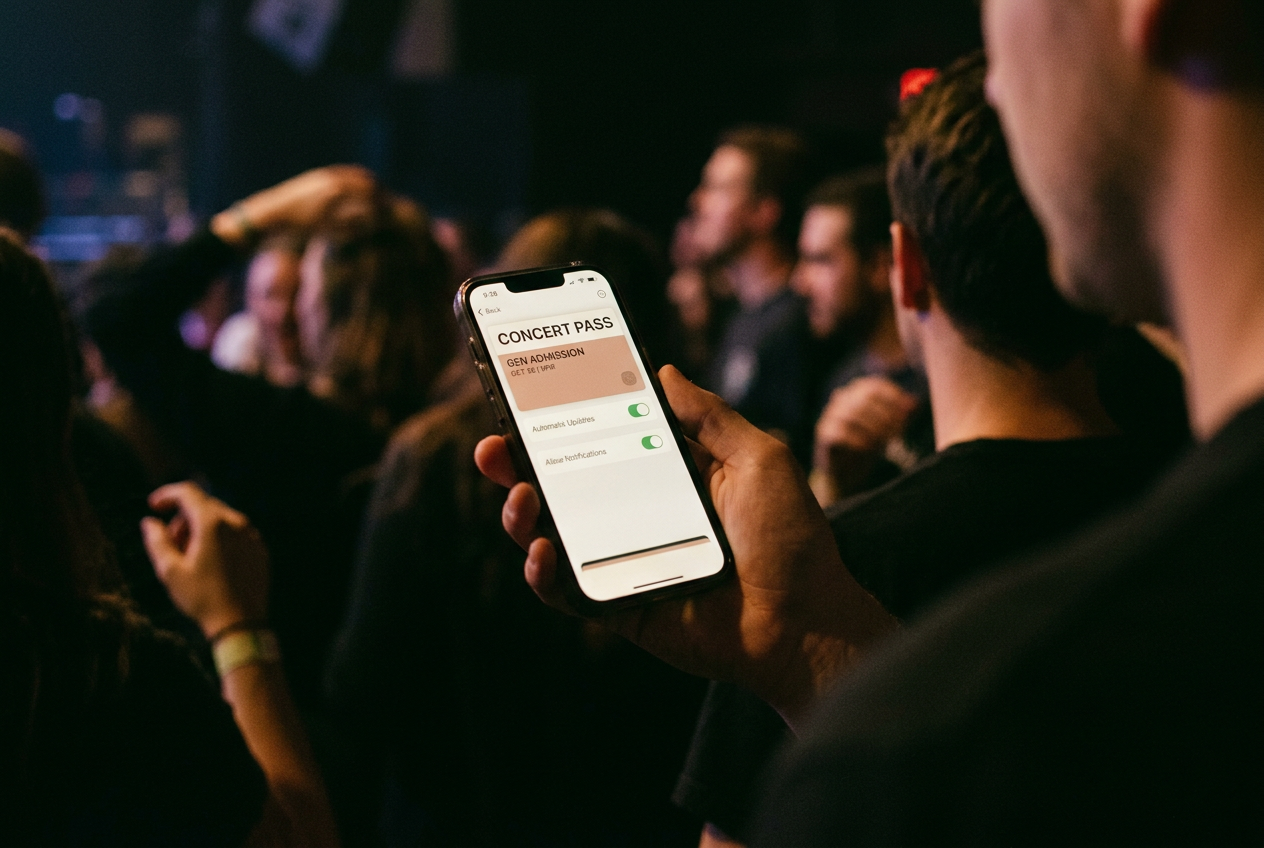
The blue SafeTix pass can appear inside Ticketmaster’s app or be added to Apple Wallet. Google Wallet offers a parallel route on Android. These paths are often described as if they require surrendering the whole phone. They do not.
Account data, device data and operating-system permissions are separate things, even when a consent screen tries to make them feel like one package.
Displaying a ticket in the ticketing app requires the app, access to the relevant account and enough connectivity to retrieve or refresh the credential before entry. Ticketmaster advises customers to add eligible tickets to a mobile wallet in advance, which stores the pass on the device and reduces dependence on a crowded venue’s cellular connection. The phone still needs power, an intact screen and whatever device security the wallet requires.
Apple Wallet does not need blanket access to contacts, photographs or the microphone to display that pass. Location access can support suggestions that place a relevant pass on the lock screen near a venue, but Apple lets users control location-based Wallet suggestions. Notifications may announce changes. Neither feature is the ticket itself.
Contact access can make sending information easier in some apps, while camera access may support scanning other codes; neither permission is inherently necessary to show the barcode already assigned to you.
Google Wallet likewise stores event tickets and can surface relevant passes through notifications or location-related features, depending on settings and the pass. Google’s documentation tells users that transfers generally remain the issuer’s job rather than a free-form Wallet action. Saving a credential to a wallet does not turn it into a transferable image.
This distinction is easy to miss at the gate, where staff need the line to move and troubleshooting becomes instruction by pressure. Turn up the brightness. Open the app. Sign back in.
Enable a feature. The request may solve an immediate problem without making every requested permission technically mandatory. The scanner needs a valid credential. The ticketing company may want considerably more.
Fraud prevention is real and incomplete
Static barcodes are easy to duplicate. If five people carry the same screenshot, the first valid scan can enter and the remaining four discover the fraud at the door. A rotating SafeTix barcode narrows that attack because an old image should no longer match the credential expected by the ticketing system. Official transfer narrows it again by canceling the sender’s credential when the recipient accepts a replacement.
Those controls address recognizable harms. Buyers can lose hundreds of dollars to copied or falsely resold tickets, while venues absorb angry lines and arguments that a scanner cannot resolve. An authenticated transfer also gives customer support a record to inspect. Going back to unrestricted screenshots would make some fraud cheaper.
None of this requires pretending that every resulting data point is essential. Preventing a copied barcode requires checking whether a token is current. Reissuing a ticket requires knowing which account should receive the new token. Personalized marketing based on ticket activity, cross-event audience analysis and location-triggered prompts are separate uses, even when a privacy policy places them beside security under a broad heading such as improving services.
The mechanism creates the opportunity. Once the ticket ID is linked to an account, the scan can become an attendance signal rather than a bare admission count. The company operating the ticketing system can associate the credential with purchase or transfer records, device and app information, IP address and interactions described in its privacy notice. A venue or event partner may receive information under the arrangements disclosed by the ticket seller.
The exact flow varies by event and contract, which is why a privacy notice is permission architecture, not a receipt proving that every listed use occurred.
The ticket can keep talking
A pass in Apple Wallet is not a frozen picture. Apple’s PassKit system allows an issuer to update a pass, which is how a ticket can reflect changed details or remain synchronized with the issuer’s records. Google Wallet also supports issuer-managed updates. That connection is useful when a gate changes or a credential is revoked.
It means the blue tile remains part of a service relationship until the event is over, and potentially until the user deletes it.
The commercial value sits in continuity. Ticket sellers already earn through ticketing contracts and fees; authenticated mobile delivery also protects their control over transfer and resale routes. A ticket moved through the official system stays legible to that system. An off-platform handoff does not.
Closing the second route pushes more activity through the infrastructure that can enforce resale rules, collect fees where applicable and preserve customer records.
The identity checkpoint is therefore modest at the screen and broad in its effects. It may ask only for an email address, a password and a functioning phone. Yet those small demands convert a bearer instrument, something valid because you possess it, into a revocable credential whose issuer can follow changes in control.
What is binding, and what is merely encouraged
The changing barcode is technically binding because the scanner can reject an expired copy. The account requirement for accepting a Ticketmaster transfer is binding within Ticketmaster’s system because the company controls issuance. If an event is designated mobile-only, a venue can refuse a printout under its entry rules.
Wallet suggestions, location access and most promotional notifications are different. They are device features or permissions, not inherent conditions of barcode validity. Brand documentation may recommend them, and an app may nag for them, but recommendation is not necessity. The practical problem is that a person facing a locked account outside a venue has little time to test that distinction.
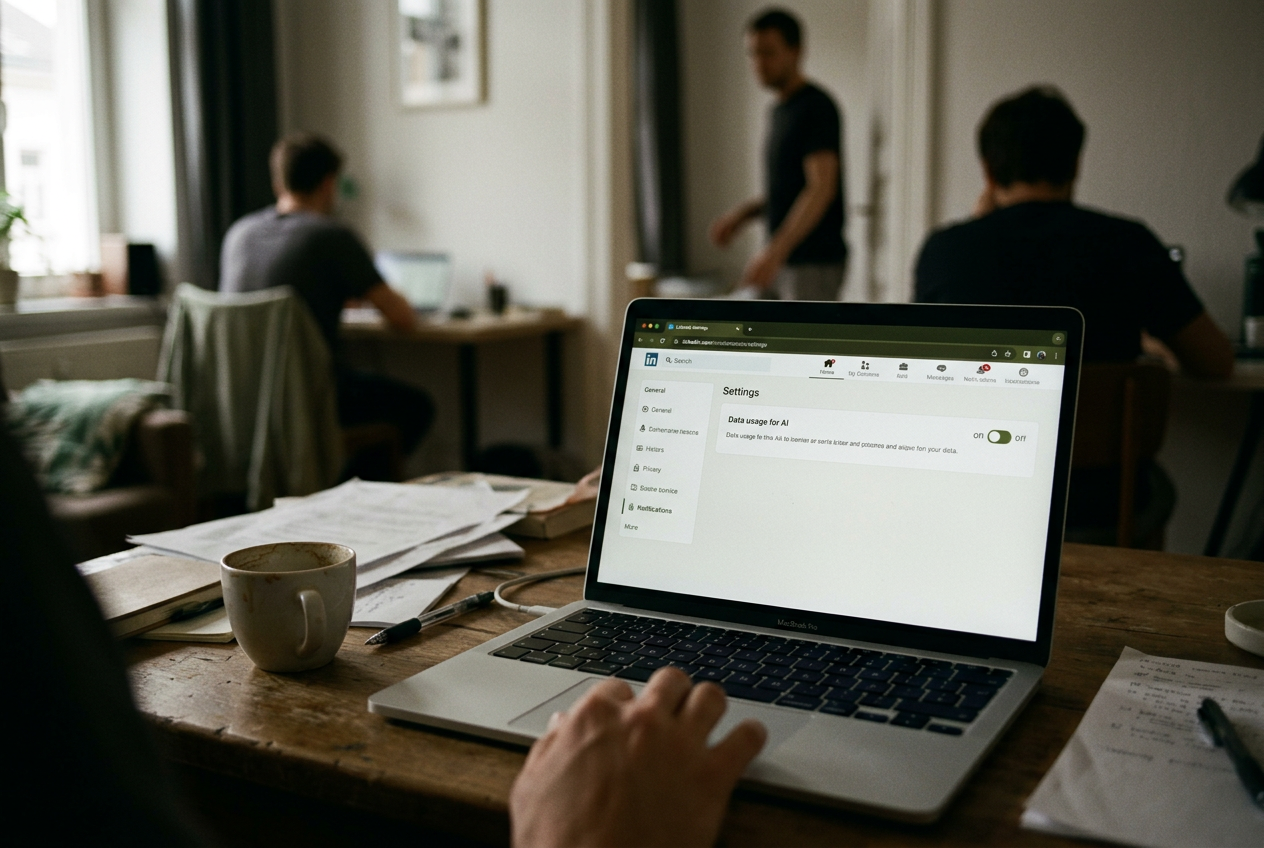
Privacy policies also need precise treatment. They disclose categories of collection and use, while terms govern the customer’s relationship with the service; their legal force depends on how they were presented and on applicable law. They do not prove that a company collected every permitted field from every user. Nor do they erase rights supplied by state privacy laws.
They tell you what the company has reserved room to do.
The alternative is not difficult to imagine: let customers receive a mobile credential without creating a marketing account, minimize logs after fraud and chargeback windows close, preserve a staffed box-office fallback and separate necessary security notices from promotional tracking. Each choice costs the operator some data, control or labor. That is why the blue SafeTix pass remains convenient right up to the moment your battery, account recovery or name mismatch becomes the venue’s problem and then, abruptly, yours.
Questions people ask
Do
I need a Ticketmaster account to accept transferred tickets?
Ticketmaster’s transfer instructions require the recipient to sign in or create an account before accepting. The invitation can arrive by email or text, but the ticket becomes usable through the recipient’s account rather than remaining a link anyone can pass around.
Does a mobile ticket require location access?
Usually not for basic barcode display. Apple Wallet and Google Wallet can use location to surface a relevant pass or notification near a venue, but those convenience features are distinct from the ticket credential and can generally be controlled in device settings.
Can
Ticketmaster tell that I attended the concert?
A scan validates a ticket identifier that is tied to the current holder’s account after purchase or official transfer. That can create an attendance signal within the ticketing system, although public privacy documentation does not establish that every venue or partner receives or uses that signal in the same way.
Will a screenshot of a SafeTix ticket work?
Ticketmaster says screenshots will not work for SafeTix because its barcode changes. The reliable options are to open the live ticket in the authorized app or save the eligible pass to Apple Wallet or Google Wallet before arriving.
One update a day
Today's story, in your inbox
One story each morning — no hype, no filler, no algorithm deciding for you.