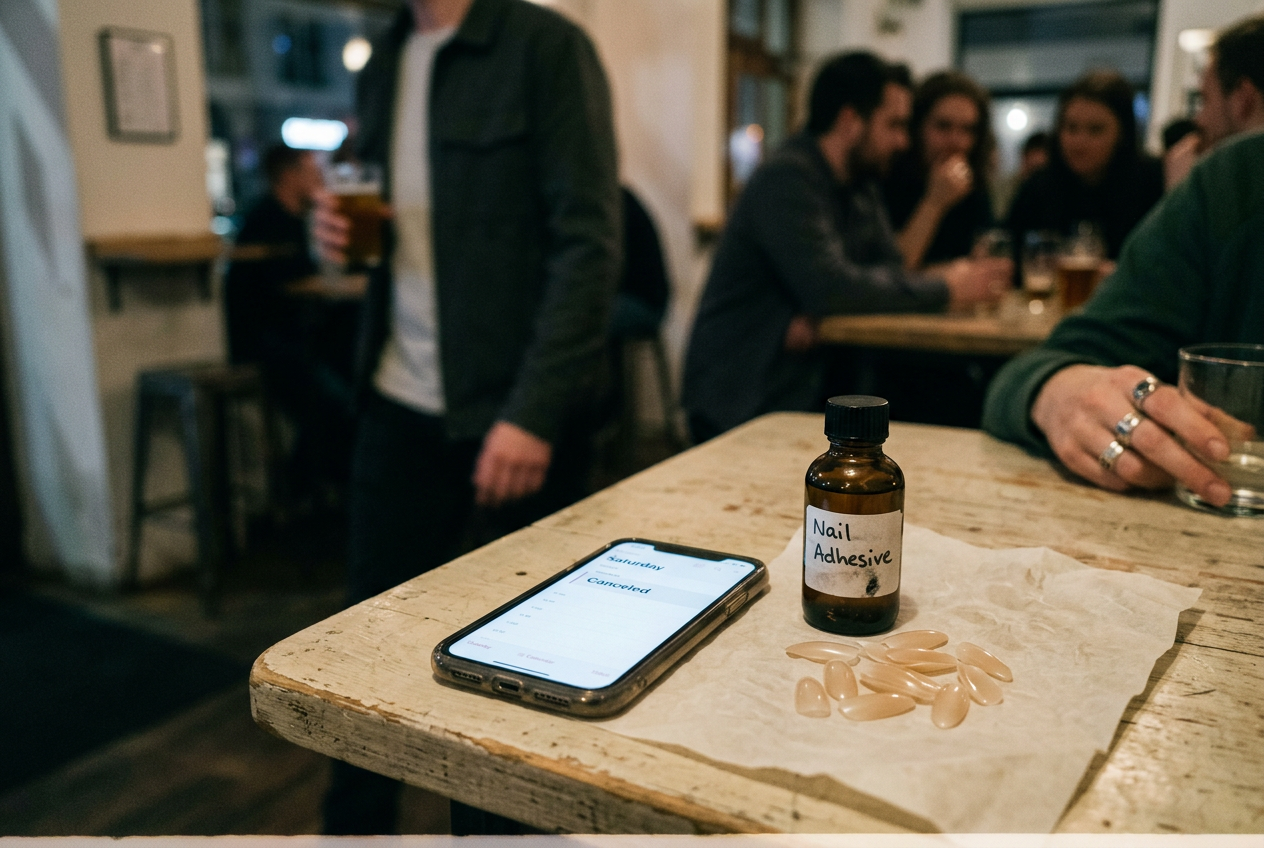
The Opening Slot Now Comes With a Ticket-Sales Quota
Required presales let promoters book small musicians without betting on them. Miss the quota and the artist absorbs the loss in cash, labor or both.
August 12, 2026 · 7 min read
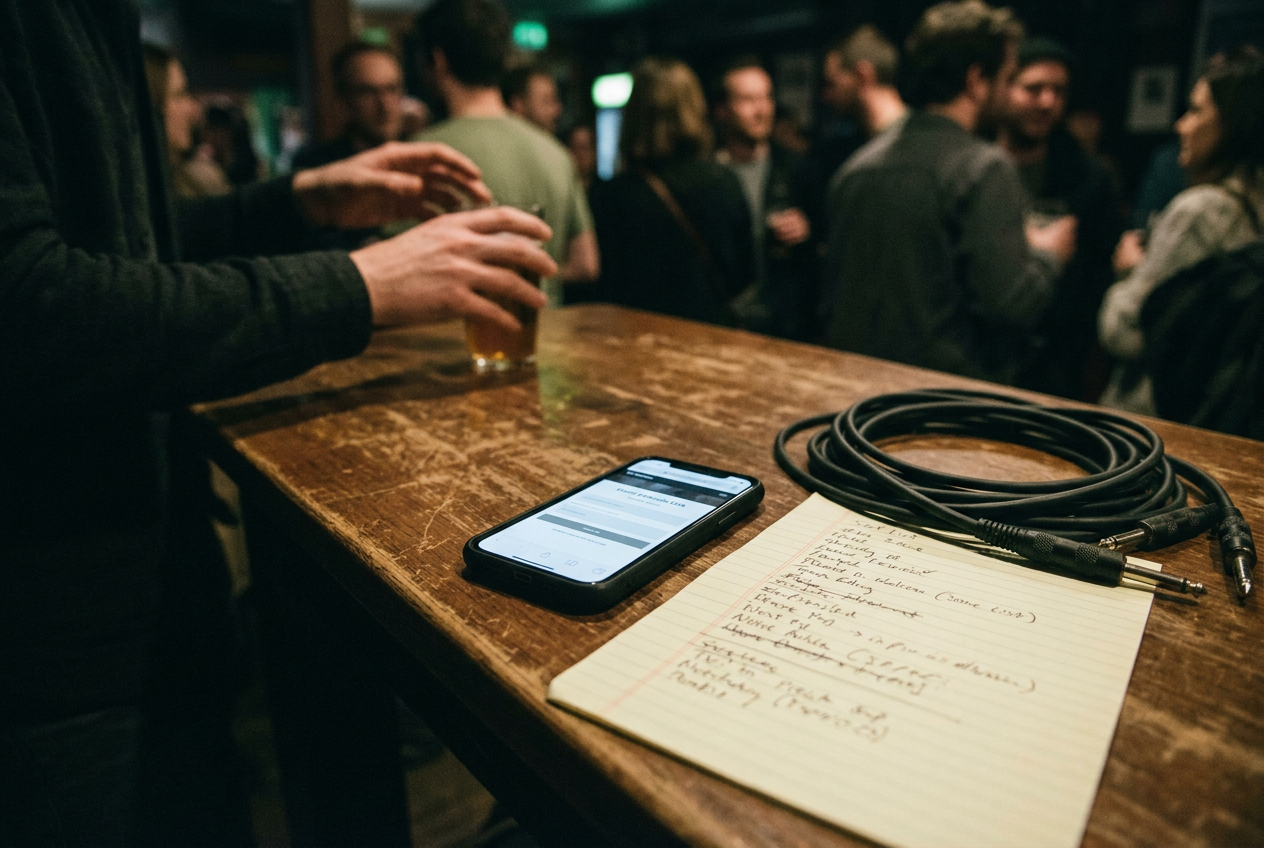
The object at the center of this deal is not the microphone. It is the presale link.
A regional promoter sends an artist an offer for a support slot. The room is real. The headliner may have a following. The flyer will look like a booking, and the artist’s name will appear in the same typeface used for acts that are getting paid.
Then comes the condition: sell an allotted batch of tickets, guarantee a minimum audience or cover the value of whatever does not move.
The language varies. The mechanism does not. A ticket guarantee is a commitment that an artist will account for a set amount of ticket revenue, whether fans provide it or the artist does. A required presale makes access to the stage contingent on moving tickets in advance.
Straight pay-to-play charges the performer for the slot. Each version turns the booking into a small debt secured against the musician’s friends, followers and bank balance.
Promoters tend to describe this as exposure, audience development or proof that the act can draw. Those phrases conceal the useful part. The promoter has found someone else to underwrite the weak end of the bill.
The artist becomes the advance department
A conventional promoter makes a forecast. The promoter estimates demand, rents or controls the room, builds the bill, markets the show and accepts that the estimate may be wrong. Ticket revenue covers the headliner, venue costs, production, staff and the promoter’s margin in an order determined by the deal. The risk is the job.
The presale link edits that job description. Now the least powerful act must locate customers before the promoter commits meaningful money to attracting them, even though the artist usually cannot control the ticket price, date, neighborhood, age restriction, running order, production quality or headline draw. The musician supplies the labor and carries the variable the promoter is supposed to manage.
That labor begins well before load-in. The artist makes graphics, posts repeatedly, sends direct messages, maintains a guest list, reminds people who already declined and tries to distinguish a compulsory sales campaign from ordinary excitement about a show. A band divides the allocation among members. A solo act works through coworkers and relatives.
The presale link follows everyone around.
None of this guarantees an audience for the room. It guarantees pressure inside the artist’s existing relationships.
That distinction matters because a person who buys a ticket to help a friend hit a quota is not evidence that the promoter assembled a viable concert. The sale may measure affection, embarrassment or somebody’s willingness to subsidize an evening they cannot attend. Yet the promoter can record it as demand generated by the act, then use the result to decide whether the act deserves another chance to sell more tickets.
A support slot is sold as inventory
The opening slot once functioned, at least in theory, as part of the promoter’s product. A compatible local act could give the headliner a warmer room, keep people buying drinks and help a touring artist connect with a regional scene. The opener might receive a modest guarantee, a share of the door, travel money or nothing beyond the booking. Exploitation was available under every model, but the promoter still had to choose a bill.
Pay-to-play recasts the slot as inventory. Its value no longer rests mainly in what the artist contributes to the night. Its value rests in how much demand the artist can be required to bring with them.
This is why the smallest name can face the hardest sales condition. A headliner has leverage and an agent. The venue needs the headliner’s audience. The opener needs the venue’s legitimacy, so the conditional offer lands where refusal is cheapest for the buyer and most painful for the seller.
There will usually be another band willing to take the link.
Scarcity does the rest. Artists know there are fewer accessible rooms in many regional circuits, while local bills remain crowded with acts seeking footage, contacts and a line for the biography. A promoter does not need every musician to accept the arrangement. The promoter needs enough musicians to believe this particular opening slot sits one transaction away from being noticed.
That belief is durable because live music offers no clean boundary between investment and extraction. Musicians already pay for rehearsal space, instruments, recording, transportation and promotion. Spending money before earning money is normal. The required presale slips into that expense column while changing the nature of the deal: the artist is no longer investing in work they control but insuring somebody else’s event.
The guarantee makes bad demand look useful
Suppose the support act misses its target. Some deals require the artist to purchase the unsold allocation. Others reduce or erase the artist’s share, withhold a performance payment, cancel the slot or make future bookings contingent on better sales. Even where no cash balance is collected, the artist has spent hours doing direct-response marketing for a show whose customer data and bar revenue generally remain elsewhere.
If the act meets the target, the promoter gets advance cash and evidence that the floor of the night has been financed. If the act misses, the promoter may still get money, labor or an early warning that lets the slot be reassigned. The artist receives no equivalent protection if the headliner underperforms, the promoter markets badly or the room places the opener before much of the audience arrives.
The asymmetry is the product.
Door splits can also push risk downward, but they are not automatically pay-to-play. A door split pays artists from ticket revenue after specified deductions, while a guarantee promises a fixed payment regardless of sales. Either can be fair or abusive depending on the terms. The decisive feature here is the artist’s obligation to produce or replace a minimum amount of revenue as the price of appearing.
That obligation can become literal artist debt. A musician buys the remaining tickets to preserve the slot, then attempts to resell them or gives them away so the room appears full. The promoter has been paid. The artist now holds expiring pieces of admission inventory and still has to perform.
Return to the presale link. It looks like a marketing tool, but its financial function is closer to a collection portal. Every click reduces the promoter’s exposure before the artist reaches the stage.
Why venues can still call it exposure
Exposure has no settlement sheet. It can be claimed after an empty room, an early set or a night when the only new followers are other bands on the bill. Its value cannot be audited, which makes it convenient compensation for work whose costs are painfully measurable.
The artist may receive usable footage, access to the headliner’s audience or a relationship that leads somewhere. Those outcomes exist. They do not justify making the opener finance the promoter’s uncertainty, especially when the supposed opportunity comes with mandatory sales labor and no clear account of who receives ticket fees, bar income or the first dollars through the door.
Public criticism of pay-to-play has persisted for decades, and musician organizations have repeatedly warned about arrangements that make performers purchase tickets or guarantee sales. The model survives because it rarely presents itself as a fee for performing. It arrives as a professional expectation: serious acts promote, serious acts draw, serious acts can prove both in advance.
That framing converts refusal into a character flaw. An artist who declines is treated as unwilling to hustle rather than unwilling to accept a lopsided commercial contract. The promoter keeps the language of partnership while assigning the musician the role of customer acquisition contractor, except the contractor may finish the night owing money.
The alternative is ordinary booking risk
A less extractive deal does not require charity. A promoter can offer a modest fixed fee, a clearly described door split or a payment ladder tied to total show sales without forcing the opener to buy the shortfall. The venue can share settlement information, state deductions in advance and market the entire bill through channels it controls. Artists can still promote.
Promotion remains collaborative rather than compulsory debt collection.
Some rooms use local openers because those artists fit the audience, not because each member has enough relatives to clear an allocation. That curatorial work is harder to scale and less protected from failure. It is also the promoter’s contribution to the event.
The presale offer removes that contribution while preserving the title. A booking operation becomes a marketplace in which emerging artists compete to subsidize the same stage, and the winner is the act most able to convert private goodwill into public ticket revenue. Music remains somewhere in the arrangement. It is no longer the thing being tested.
On the night, the artist hands over the final count, loads in and waits for a short line check. The presale link has done its job. Whether the slot does anything for the musician is now somebody else’s unpriced promise.
Questions people ask
Is every required presale a pay-to-play gig?
Not always. A presale can be a tracking tool with no minimum, penalty or purchase obligation. It becomes pay-to-play in substance when access to the stage, payment or future booking depends on the artist delivering a fixed amount of ticket revenue or covering the shortfall.
Who gets paid when an opening act sells its ticket quota?
The answer depends on the deal, but ticket income commonly reaches the promoter or venue before the support act receives anything. That revenue may fund room costs, production, the headliner or promoter margin, while service fees and bar sales follow separate paths that the opener may never see.
Why do small musicians accept ticket guarantees?
They accept because desirable slots are scarce, career progress is difficult to measure and refusing can feel like surrendering access to a room or scene. The cost also arrives in fragments: hours of messaging, strained personal goodwill and perhaps a final ticket purchase, rather than one obvious fee labeled payment for permission to perform.
What does a fairer support-slot deal look like?
A fairer offer states the payment, deductions and sales split before the show, does not require the artist to buy unsold tickets, and leaves event-level risk with the promoter. The opener may help market the date, but missing a quota does not turn the performance into a debt.
One update a day
Today's story, in your inbox
One story each morning — no hype, no filler, no algorithm deciding for you.