A Takedown Gets an Appeal. A Harassment Campaign Gets a Menu.
Platform appeal systems can reconsider one post or verify one owner. Give them a coordinated campaign, where the harm lives between dozens of valid-looking actions, and the usable door disappears.
August 15, 2026 · 8 min read

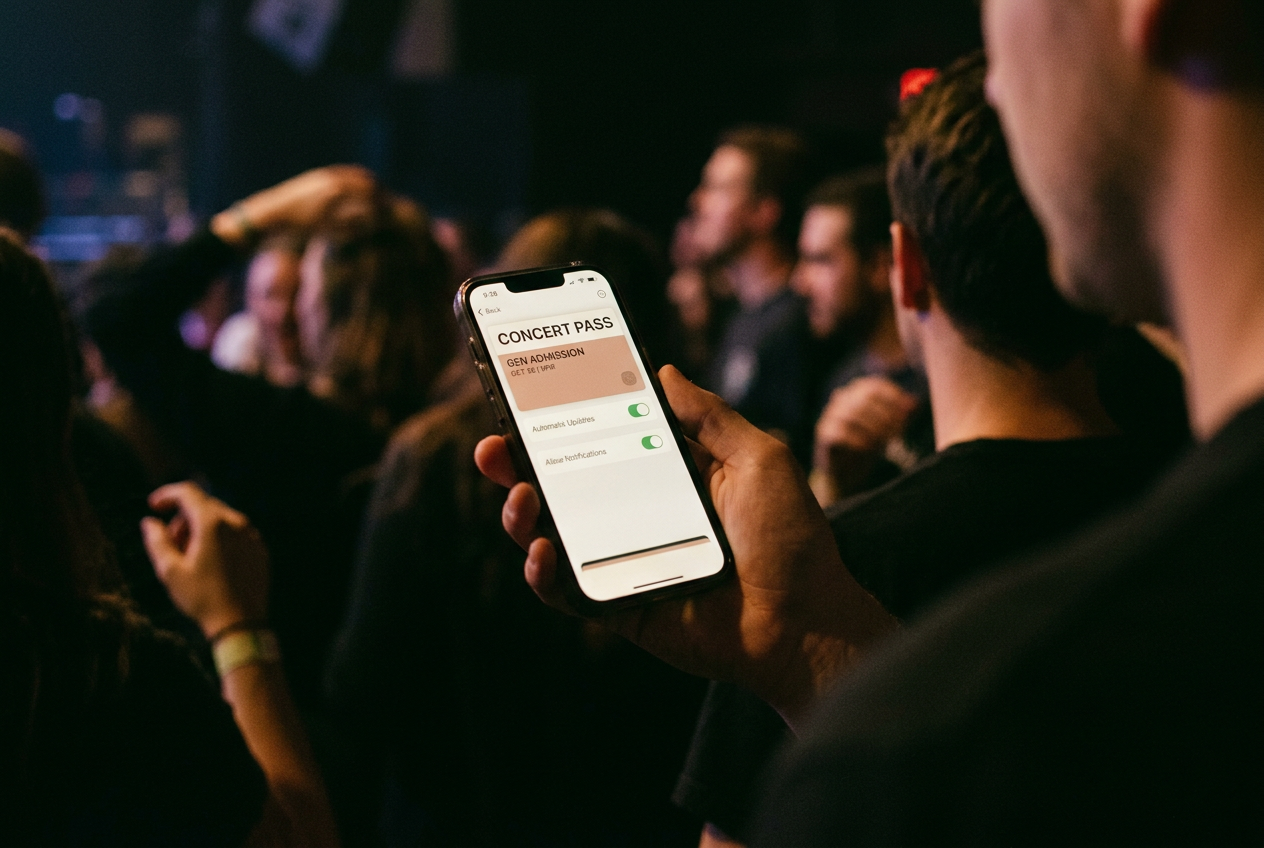
The most revealing object in the platform support system is Instagram’s video selfie. If someone loses access to an account containing photos of their face, Instagram may ask them to turn their head on camera so the platform can compare the recording with those photos. It is intrusive and unavailable in plenty of cases, but it gives a hacked user a recognizable door: prove that this face belongs with this account.
That door matters because most platform appeals are designed around the same compact idea. One object has been assigned to the wrong category. The account belongs to the real owner, not the intruder. The impersonator is not the person named in the profile.
The removed post does not violate the cited rule. Supply the object, choose a category, attach the expected proof, and let a system reverse the label.
I walked through the public support and reporting routes offered by Instagram, TikTok, X and YouTube, stopping before any step that required a false report, identity document or legal declaration. Interfaces varied by device, location and login status, as platform forms often do. The pattern did not.
A single mistaken classification gets a form. Harm that exists across posts, accounts and time gets a pile of forms.
The selfie video is the useful exception
A hacked-account route has a relatively clean task. The platform needs to decide whether the person requesting access has a stronger claim to the account than whoever currently controls it. Previous passwords, original contact details, familiar devices and the Instagram video selfie can all become signals in that decision.
This is authentication, meaning a check that someone is who they claim to be. It can be automated because the platform already holds the comparison material: login history, account records, device information and, sometimes, images of the owner. The user may still hit loops, especially after an attacker changes the email address or adds their own security settings, but the dispute fits inside one account record.
YouTube’s hijacking support and X’s compromised-account route use the same basic frame even when the available steps differ. There is an account, a claimed owner and evidence of unauthorized access. TikTok likewise directs compromised users toward account recovery and support reporting rather than asking them to describe the broader social circumstances of the takeover.
Instagram’s head-turning video is worth returning to because it shows what platforms will build when the evidence can be standardized. A recording enters. A comparison happens. A confidence score or reviewer produces a result.
Nobody has to understand why the account mattered, what the attacker planned to do with it or whether the takeover followed months of stalking.
Impersonation works when identity is the whole case
Impersonation routes are narrower but similarly legible. The reporter identifies an account, states who is being impersonated and may be asked for government-issued identification or other proof. The platform compares the claimed identity with the profile’s presentation and activity.
That can work for a cloned public-facing account using the same name and photograph. It gets harder when the impersonator avoids a direct copy, uses an altered spelling, posts private details or performs a recognizable imitation for an audience that already understands the target. Each individual element can look permissible when detached from the others.
The form still wants a binary answer. Is this account pretending to be a particular person, or is it not. It has little room for the messier fact that impersonation often operates as part of harassment, fraud or reputational sabotage, where the copied identity is only one component of the injury.
Identity documents also impose their own cost. A person must hand sensitive information to the same company that failed to stop the abuse, sometimes without a clear view of who will review it, how long it will be retained or whether the report will produce a durable case record. The selfie video at least points to a defined verification act. Many impersonation forms ask for trust before offering the same clarity.
A wrongful takedown has an object ID
Content appeals are the form’s natural habitat. A post, video or comment has an internal identifier, an enforcement decision and a policy label. The user presses an appeal control, and the platform can send that same object through another automated check or place it in a human review queue.
This is why takedown notices often feel more procedural than abuse reports. The notice can name a rule and show the affected content. It may preserve an in-app button for review. On some platforms, a later escalation route exists for a limited set of decisions, but eligibility is controlled by the company and does not turn every complaint into an independent hearing.
The system can still fail badly. An appeal may repeat the first decision, disappear without a usable explanation or restore content after its audience has moved on. A reversed takedown does not restore lost reach, income or momentum. Yet the underlying data structure is straightforward: one object, one rule, one decision.
Copyright disputes expose the difference between a platform courtesy and a binding procedure. An ordinary moderation appeal follows rules the company wrote and can revise. A formal counter-notice under US copyright law carries legal declarations, shares specified information and triggers a statutory process. It is not a general-purpose appeal, and filing one can have legal consequences.
The familiar appeal button does not carry that force.
Coordinated harassment has no single wrong label
Coordinated harassment breaks the model because the individual objects may look ordinary. One account replies with an insult. Another posts a cropped image. Others repeat personal information, flood mentions, file reports against the target or create fresh accounts after blocks.
The harm sits in the relationship among those actions.
On the routes I reviewed, platforms generally asked for a post, account or predefined violation category. Some allowed additional text or supporting material. None of that creates a reliable case container, meaning one record that holds linked accounts, URLs, chronology and prior report numbers so a reviewer can evaluate the pattern as a whole.
The person under attack becomes the unpaid case manager. They collect links before posts vanish, match usernames across accounts, preserve screenshots, submit separate reports and try to explain the campaign inside text boxes built to classify one item. If the platform rejects each item in isolation, the rejections become evidence of nothing except the system’s refusal to add.
This is where the Instagram selfie stops being a hopeful model and becomes an indictment. Platforms can request movement from several angles when they need a machine-readable ownership signal. They rarely provide an equally structured way to show that several accounts moved together, even though the platform holds better timing, device and network evidence than the target ever could.
Automation is sorting before it is judging
Automated moderation is often described as if a machine reads a dispute and decides who is right. The appeal form reveals a duller mechanism. It constrains the complaint before review begins.
A category selection determines which policy queue receives the report. An account identifier or content URL tells the system what object to retrieve. Required fields force the evidence into a predictable shape. This is triage, meaning the sorting of cases by type and urgency before anyone evaluates their merits.
Classification errors survive that design. A user can say the nudity detector misread a medical image, the account lock caught the owner rather than the intruder, or the impersonation rule was applied to the wrong profile. Context errors do not. There is no compact field for a former partner using followers as proxies, a fan group turning a running joke into sustained targeting or a network staying just below the threshold on every post.
Open-ended context costs money. Someone must read it, compare objects, assess sequence and distinguish coordination from coincidence. A narrow menu converts that labor into user labor while letting the platform count each submission as an isolated moderation event. The company gets scalable intake.
The target gets administrative work during a crisis.
Policy promises are not court orders
Platform rules can prohibit harassment, impersonation or coordinated abuse without creating an enforceable right to a particular outcome. Community guidelines are company policies. An appeal route is usually a private procedure, not a court, and a favorable policy sentence does not guarantee a human reviewer or restoration.
Some legal regimes impose specific duties. The European Union’s Digital Services Act requires covered platforms to provide certain complaint and explanation mechanisms, with additional obligations depending on the service and decision. US copyright law creates its own formal notice and counter-notice structure. Those requirements are binding within their scope.
They do not convert every ignored harassment report into a legally mandated appeal.
That distinction gets blurred in help centers, where statutory processes, safety reporting and customer support can appear as neighboring menu items. The visual similarity is misleading. One route may carry legal declarations and deadlines. Another may end with an automated acknowledgment that promises no result.
The missing door is a case file
A usable harassment appeal would begin with an incident, not a post. It would let a person link multiple accounts and content objects, attach a chronology, import previous report numbers and identify the relationship among participants. The platform could preserve the material even after deletion, then return one receipt showing what entered the case.
That would not require platforms to accept every claim of coordination. It would require them to evaluate the claim they say their policies cover. Higher-risk files could move to trained reviewers, while structured fields would still let systems sort obvious duplicates and urgent threats without flattening the entire case into one offending URL.
The cost is reviewer time, evidence retention and accountability for the combined result. Those are precisely the costs the current form avoids. Instagram’s video selfie asks the user to supply one piece of evidence the platform knows how to compare. A harassment case file would force the platform to compare evidence it already has.
Questions people ask
Why do hacked-account appeals work better than harassment reports?
A hacked-account dispute usually centers on one account and one ownership decision. Platforms can compare passwords, devices, contact records and identity signals. Coordinated harassment requires them to connect many actions over time, which demands contextual review rather than a quick correction to one label.
Can a platform appeal force a company to restore content?
An ordinary appeal usually cannot. It follows the platform’s own policy and remains subject to the company’s procedures. Certain legal routes, including formal copyright counter-notices and some region-specific complaint systems, create defined obligations, but they apply only to particular disputes and can carry legal consequences.
Why can’t users submit screenshots of the whole campaign?
Some reporting routes accept supporting material, but screenshots alone do not create a linked case. Reviewers need the underlying accounts, content identifiers, timing and previous decisions preserved together. Without one incident record, the platform can process every screenshot as a separate allegation and miss the pattern shown by the collection.
What would a better harassment appeal form include?
It would accept multiple URLs and accounts, preserve a chronology, connect earlier report numbers and issue one receipt for the combined incident. The critical feature is not a larger text box. It is a case record that keeps the evidence linked until a reviewer assesses the pattern.
One update a day
Today's story, in your inbox
One story each morning — no hype, no filler, no algorithm deciding for you.