New Jersey Police Can Get Doorbell Video Without the Camera
The useful evidence is usually a copied clip, not the camera on the wall. Police can ask the owner, send an upload link, use legal process, or make a documented emergency request.
August 11, 2026 · 8 min read
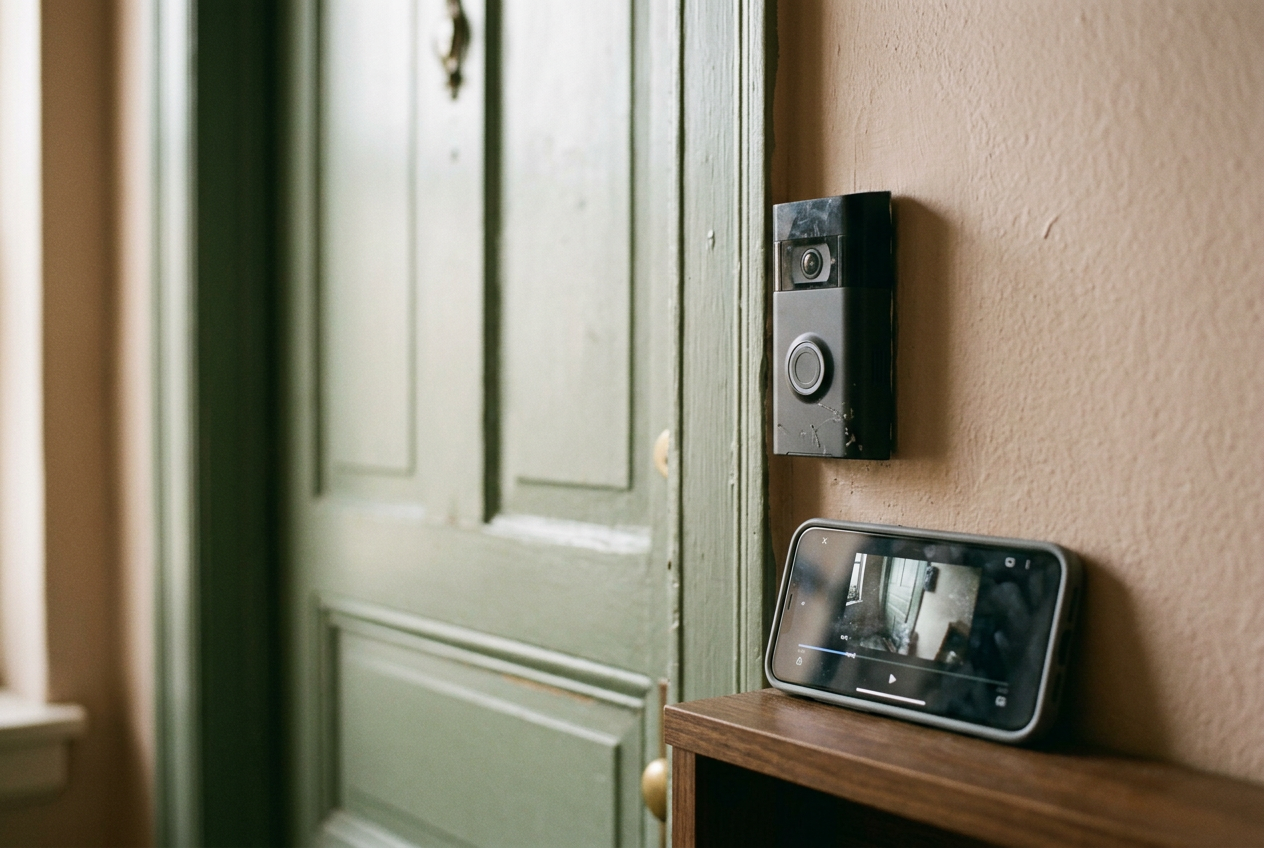
The object that matters is an exported video file: a short MP4 pulled from a doorbell app, carrying a timestamp, a device label and whatever the lens caught beyond the porch. The camera can stay screwed into the siding. The police want the copy.
That distinction sounds technical until it becomes the whole structure. Taking a physical camera is conspicuous, disruptive and likely to require a warrant unless the owner freely hands it over or an emergency justifies immediate seizure. Asking for one clip is quieter. It turns a resident into the first evidence technician, shifts the practical decision away from the person recorded and lets the department collect a useful piece of surveillance without maintaining the network that produced it.
New Jersey did not create a special doorbell-camera exception. Police departments use familiar evidence routes adapted to consumer cloud storage: request, consent, compulsory legal process and emergency disclosure. The relevant privacy claim changes depending on whose account holds the video, where the camera points and whether officers ask a person or a platform.
This is a process explainer, not legal advice. The exact legality of any demand depends on the facts, the wording of the paperwork and the privacy interest a court recognizes.
The front-door request is the cheapest route
An officer investigating a crash, package theft, assault or movement through a neighborhood can canvass nearby homes and ask whether a doorbell camera recorded a particular period. If the homeowner opens the app, finds the exported MP4 and sends it over, police have obtained evidence from a cooperative witness. No one had to remove the camera, image its storage or wait for a judge.
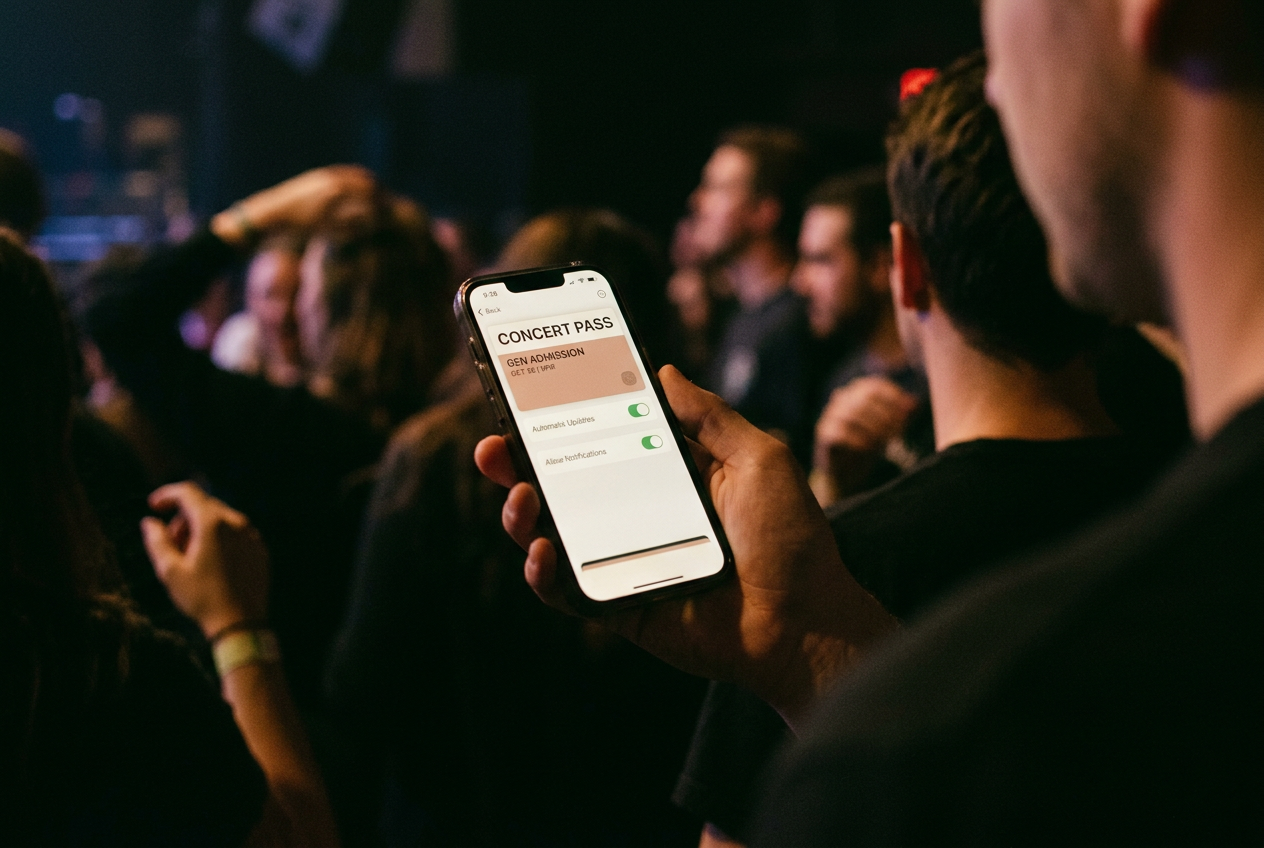
The request may arrive at the door, by phone, through email or as an upload link from a digital-evidence system. Axon Citizen, for example, lets agencies invite members of the public to upload photos and video into an evidence platform. The link does not add legal authority. It makes delivery easier, gives the department a cleaner record of receipt and moves the file into software built for retention and case management.
A polished portal can make an optional request feel administrative. It remains a request unless some separate legal instrument compels compliance.
New Jersey gives consent searches more protection than the federal baseline. Under the state Supreme Court’s decision in State v. Johnson, the prosecution generally must show that a person granting consent to a police search knew consent could be refused. A homeowner voluntarily producing a clip as a witness is not always analyzed in precisely the same way as officers searching that homeowner’s property, but the basic pressure point remains: genuine consent and mere submission to apparent authority are different things.
Departments therefore have an incentive to document who supplied the video, what officers requested and whether the person appeared authorized to access the account. A tenant, spouse, property manager or employee may have practical access without having unlimited authority over every device and file. The clean version is narrow: footage from a stated camera during a stated period, supplied by someone who controls it.
For the person walking past the porch, there is usually no parallel consent screen. The account holder gets asked. The recorded neighbor generally does not.
Ring removed a button, not the pathway
Ring once gave participating public-safety agencies a formal route to request footage from users through its Neighbors system. The company later required those requests to appear publicly in the app, then ended the Request for Assistance tool in 2024. That closed a conspicuous vendor-built channel through which police could seek clips from a selected area.
It did not make Ring footage unavailable to law enforcement.
Officers can still ask a homeowner directly. A user can download a clip or share it voluntarily. Police can serve Amazon with valid legal process, and Ring says it may disclose information during an emergency involving danger of death or serious physical injury when the company concludes the legal standard has been met. Public-safety agencies can also use Neighbors for public posts, although that is different from receiving a private back-office power to pull users’ recordings.
Google and other cloud providers likewise maintain channels for government legal demands and emergency requests. Those portals are intake systems. They help companies verify agencies, route documents and record disclosures; they do not turn a detective’s preference into a warrant.
This is the part platform announcements tend to blur. Ending a police-facing feature changes friction and visibility, which matters, but the underlying legal routes survive because they do not depend on the feature. The exported MP4 can travel from the owner’s phone, from an evidence-upload page or from the provider after compulsory process. Different door.
Same file.
A subpoena and a warrant do different work
If an owner declines, police and prosecutors can consider compulsory process. The instrument depends on where the recording sits, what information is sought and what stage the investigation has reached.
A subpoena commands a person or organization to produce specified records or appear in a proceeding. Prosecutors commonly use subpoenas for business records, identifying information and evidence held by witnesses, subject to procedural limits and challenges. A subpoena is not a universal substitute for a search warrant, particularly where the government seeks content protected by a reasonable expectation of privacy.
A search warrant requires probable cause presented under oath to a judge, and it must describe the place to be searched and the things to be seized with enough particularity to restrain the search. For residential-camera footage, a warrant may target the device, local recorder, homeowner’s account or provider-held content. A properly scoped demand would identify the relevant account or camera and time range rather than treating an entire household archive as an all-purpose police library.
When police seek stored communications content directly from a provider, the federal Stored Communications Act supplies part of the framework. It distinguishes content from less revealing account records and generally requires stronger process for content. Providers publish law-enforcement guidelines explaining what they retain and what legal instruments they expect, although those policies do not settle every constitutional question.
Police can also send a preservation request, which directs a provider to preserve existing account data temporarily while investigators obtain the appropriate legal process. Preservation freezes what is already there; it does not itself authorize disclosure. The distinction matters because consumer-camera footage may disappear under ordinary retention settings before a warrant reaches the company.
New Jersey’s Constitution has sometimes protected digital information more strongly than federal doctrine. In State v. Earls, the state Supreme Court required a warrant for historical cell-site location information rather than treating disclosure to a service provider as automatic surrender of privacy. That does not mean every exterior doorbell clip requires a warrant.
It does mean “a company has it” is not the end of a New Jersey privacy analysis.
Emergency access has a narrower legal label
Providers may disclose information without the usual warrant process when they receive a qualifying emergency request involving imminent danger of death or serious physical injury. The agency describes the emergency and the data sought; the provider evaluates the submission under federal law and its own procedures.
This route is designed for an active danger, not routine investigative convenience. It is also a provider disclosure, not a remote police search button hidden inside every doorbell. Companies keep records of emergency demands, and major providers publish aggregate transparency reporting, though the public rarely sees the underlying narrative while an investigation is open.
Exigent circumstances, the constitutional doctrine allowing urgent action when waiting would risk life, escape or destruction of evidence, can also affect what officers do at a residence. Its scope is fact-specific. A cloud-retention deadline alone does not automatically convert an ordinary case into an emergency, particularly when preservation mechanisms exist.
The institutional incentive is obvious. Emergency channels move quickly and avoid the delay of warrant review, so the legal boundary has to remain tied to the danger rather than the usefulness of the footage. Administrative speed is not exigency.
The camera owner subsidizes the evidence system
Doorbell surveillance works for police because households have already paid for the lens, installation, electricity, broadband and, in many cases, cloud storage. The department arrives after the expense. It asks for a narrow interval and receives a portable file that can be replayed, copied and entered into an evidence platform.
The vendor benefits too. Cloud subscriptions make recordings retrievable after the moment has passed, while law-enforcement compatibility helps present the product as neighborhood infrastructure rather than another consumer camera pointed at public movement. The homeowner receives convenience and a sense of control. Recorded neighbors inherit the coverage without buying anything or accepting terms.
Once police receive the MP4, evidentiary questions replace acquisition questions. Investigators may preserve the original export, record who supplied it, calculate a hash, which is a digital fingerprint used to detect file changes, and document later copies. Prosecutors may authenticate the clip through a witness familiar with the camera or through evidence showing the system reliably produced and preserved the recording. A timestamp can be wrong.
A motion alert can omit what happened before the clip began. Compression can erase detail that an enlarged courtroom image appears to promise.
None of that requires the plastic doorbell on an evidence-room shelf. Officers may seize hardware when local storage, tampering, unavailable exports or forensic examination makes the device itself relevant, but routine collection favors the copy because it costs less time and causes less resistance.
That is the mechanism underneath the reassuring language of neighborhood safety. Residential surveillance has been distributed across private homes, while access is assembled case by case through social pressure, convenient software and legal demands. The state does not need to build a camera network when it can ask the network’s owners for one timestamped rectangle at a time.
Questions people ask
Can
New Jersey police ask for my Ring footage without a warrant?
Yes. Police can ask an account holder to provide footage voluntarily, just as they can ask a witness for another existing record. A request does not carry the same compulsory authority as a warrant, subpoena or court order, even when it arrives through an official-looking upload link.
Can police get doorbell video directly from Amazon or Google?
They can seek provider-held data through the company’s government-request channel using the legal process appropriate to the information. Providers may also consider qualifying emergency requests. Ring’s retirement of its Request for Assistance feature ended one in-app solicitation tool, not warrants, voluntary sharing or emergency disclosure.
Does a recorded neighbor have to consent?
Usually the camera account holder controls whether to volunteer the clip, and a person recorded outside does not receive a separate approval request. A recorded person may later challenge government use or acquisition when that person has a legally recognized privacy interest, but standing and privacy expectations depend heavily on location and context.
Why would police take the camera itself?
Hardware may matter when footage exists only on local storage, officers need a forensic examination, the device is itself evidence or there is a supported concern about alteration. For ordinary cloud or app-based footage, exporting the relevant file is faster and less disruptive than removing the camera from the wall.
One update a day
Today's story, in your inbox
One story each morning — no hype, no filler, no algorithm deciding for you.