Your AI Meeting Notes Can Become Workplace Evidence
A convenience bot can turn one meeting into audio, transcript, summary and action items spread across several systems. Deleting the bot from the call does not delete that second room.
August 11, 2026 · 7 min read

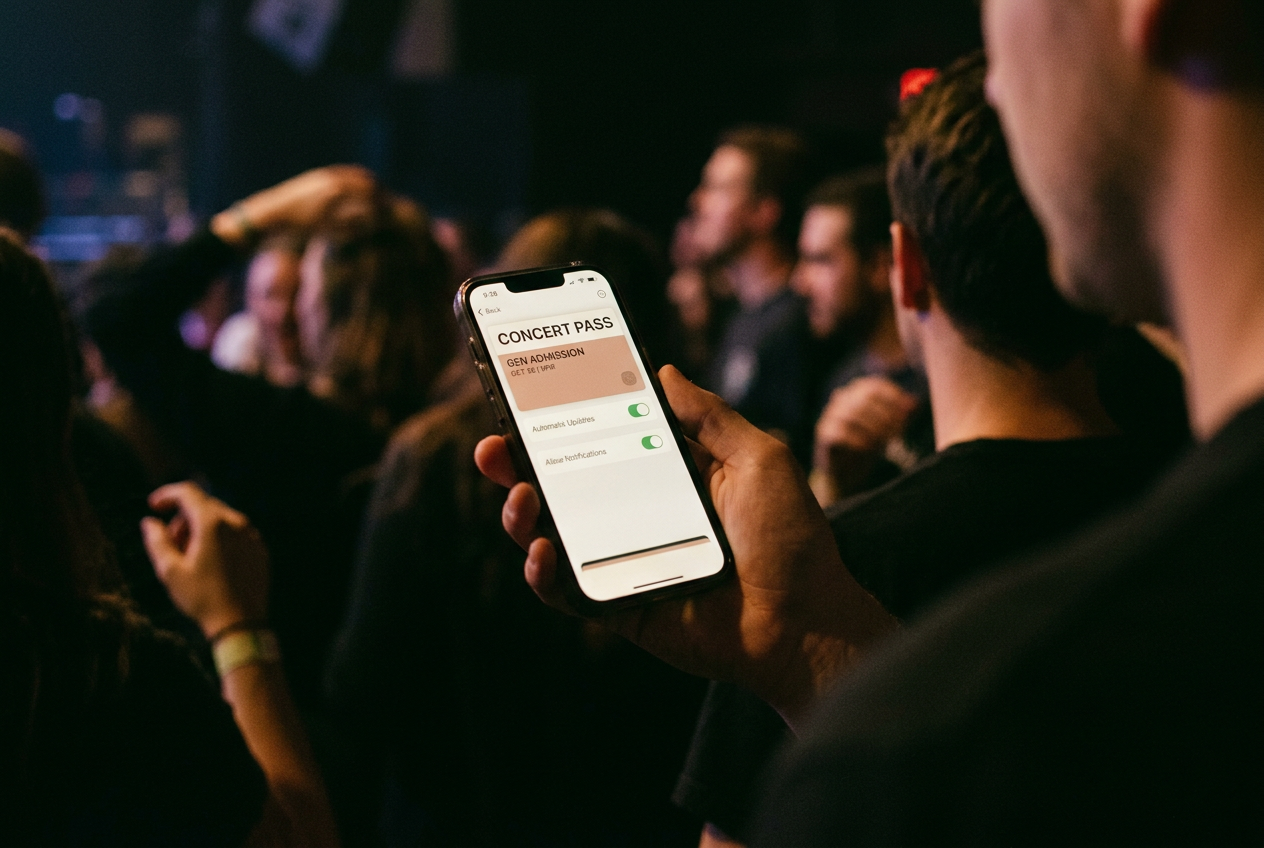
Use one ordinary meeting as the test. “Weekly Check-In” sits on a manager’s calendar with one employee invited. Otter Notetaker joins through a calendar connection, records the conversation and produces a transcript, summary and action items. The employee discusses a missed deadline, a medical appointment and frustration with a colleague.
The call ends. The record does not.
That one-hour meeting now has a second life: audio, machine-labeled speakers, editable text, a compressed summary and links sent through email or workplace software. Each version can have different owners, permissions and deletion paths. A manager may remember the conversation as informal. The system remembers it as data.
This is the change underneath the convenience pitch. A meeting used to leave scattered notes and human recollections unless somebody deliberately recorded it. AI note-taking reverses that default. The organization can create a detailed, searchable record merely by leaving an integration switched on.
The bot creates several records, not one
Otter’s documentation separates the underlying recording from its transcript, automated summary and extracted action items. Users can share a conversation directly or place it in a channel, where access follows the channel’s membership. Calendar settings can also govern which meetings the Notetaker joins and how meeting content is distributed.
Return to Weekly Check-In. Correcting the employee’s name in the transcript does not correct an emailed summary that has already left Otter. Removing a colleague from a shared channel does not retract an export sitting in a downloads folder. Deleting the calendar event does not necessarily touch the conversation created from it.
The same multiplication happens inside office suites, though the artifacts differ. Zoom AI Companion can generate a meeting summary and distribute it through email or Zoom Team Chat according to host and administrator settings. Microsoft Teams can retain a transcript in the organizer’s OneDrive for Business, while access is shaped by meeting roles and Microsoft 365 policy. Google Meet’s “Take notes for me” creates a Google Doc in the organizer’s Drive and connects it to the Calendar event.
These products do not merely remember the room. They translate it into the company’s existing permission graph, meaning the web of accounts, groups, calendars and folders that already decides who can see what. That graph is usually untidy. The bot makes it consequential.
Retention belongs to the organization
The most comforting button in a transcription product is Delete. It is also the least useful control to interpret in isolation.
Otter lets users delete conversations, while workspace administrators on eligible plans can impose retention settings. Microsoft places Teams transcripts inside Microsoft 365 storage and compliance systems. Google’s generated notes enter Drive, where Workspace retention and Google Vault rules may apply. Zoom gives account owners and administrators controls over AI Companion features, summary access and data management.
The binding rule is not whatever a participant assumes after clicking a trash icon. It may be an administrator’s retention policy, a contractual term governing the company’s account or a legal hold, which is an instruction to preserve potentially relevant material for a dispute or investigation. A legal hold can stop ordinary deletion from doing what the interface appears to promise.
Copies complicate this further. Weekly Check-In may be deleted from the transcription service while its summary remains in an inbox, a chat thread or a Drive folder. Someone may have exported the transcript before deletion. An HR case file can contain selected passages.
Vendor documentation describes controls inside that vendor’s boundary; it cannot retract files already copied elsewhere.
Defaults matter because most workplaces do not negotiate every recording. They configure an account once, connect calendars and let routine take over. Stronger retention controls may also sit behind enterprise plans or require an administrator who understands several overlapping systems. The cost is not just a subscription.
Someone has to map where the artifacts travel, review access groups and test whether deletion reaches the places named in policy.
Sharing follows ordinary workplace habits
AI notes often spread through tools that employees no longer experience as publishing systems. Calendar invitations feel administrative. Team channels feel conversational. Automated recap emails look disposable.
Each can grant access or create another durable copy.
Google’s notes document inherits the logic of Drive and Calendar rather than remaining inside the meeting window. Teams transcripts sit within Microsoft’s account and storage structure. Zoom summaries can be routed according to settings chosen by hosts and administrators. Otter conversations can move through direct sharing and channels.
None of this requires an employee to make a dramatic decision labeled “send sensitive record to management.
Weekly Check-In can therefore become visible beyond its two participants through a broadly configured group, a forwarded email or a manager’s folder permissions. The system does not understand that a medical disclosure was incidental, that a criticism was provisional or that a sentence was spoken before the employee found the right words. It sees content attached to identities and permissions.
Transcription errors do not make the record harmless. They make it unstable. Speaker labels can be wrong, summaries can remove qualifications and action-item systems can turn a tentative suggestion into something that reads like an assignment. Yet the clean formatting gives the output institutional confidence.
Nobody enjoys arguing with a paragraph that has timestamps.
Evidence is broader than proof
Calling an AI transcript “evidence” does not mean a court will automatically treat every line as true. It means the material can become relevant to an internal investigation, employment dispute, regulatory inquiry or lawsuit, where electronically stored information may have to be searched, preserved and produced.
Admissibility is a separate question. A party may need authentication, meaning enough information to show that a record is what the party claims it is. Accuracy, edits, speaker identification and the circumstances of recording can all matter. An automated summary is not a neutral transcript, and a transcript is not the event itself.
Still, weak evidence can shape decisions before a judge ever sees it. HR may search for a phrase. Counsel may compare the transcript with a written warning. A manager may paste a passage into a performance review.
The employee may never know that Weekly Check-In became the index through which months of work were interpreted.
Recording and consent laws also vary by place and circumstance. A platform’s on-screen notice is a product feature, not a universal legal conclusion. Vendor documentation can explain how a bot announces itself or how an administrator enables it. It cannot decide whether a particular employer’s use complies with local law, a union agreement, an employment contract or its own published policy.
The useful control comes before the meeting
A credible workplace policy starts before the bot enters. It identifies which meetings may be transcribed, blocks categories such as medical discussions or sensitive personnel matters, names who receives each artifact and sets a deletion period across the transcription service, email, chat and connected storage.
It also distinguishes a transcript from a summary. Keeping a short recap does not require keeping raw audio forever. Restricting exports matters because centralized retention controls lose force once files leave the managed system. Participants need notice that explains the destination and retention rule, not a small icon that confirms a microphone is active.
The hard part is restraint. Searchable memory works for the institution that owns the account, configures the retention system and can review many conversations at once. The employee in Weekly Check-In gets the convenience of not taking notes. The employer gets a new record set.
Questions people ask
Can an
AI meeting transcript be used in an HR investigation?
Yes. An employer can review material available in its systems, subject to applicable law, contracts and internal policy. The transcript is not guaranteed to be accurate or conclusive, but its text, timestamps, edits and related summary may all influence an investigation.
Does deleting a transcript remove every copy?
Usually, one deletion action only governs the copy held in that location. Summaries, exports, chat posts, email recaps and files stored in Microsoft 365 or Google Drive may follow separate retention rules, while a legal hold may require preservation despite normal deletion settings.
Who can see AI notes after a meeting?
Access depends on the host’s sharing choices, administrator settings and permissions in connected systems such as calendars, channels, OneDrive or Drive. The practical audience may be larger than the people who attended, especially when notes enter a shared folder or group channel.
Are
AI meeting summaries the same as transcripts?
No. A transcript attempts to render the spoken exchange as text, while a summary selects and compresses what the system treats as important. Both can become workplace records, but summaries carry an added risk: missing context can look like an authoritative conclusion.
One update a day
Today's story, in your inbox
One story each morning — no hype, no filler, no algorithm deciding for you.