
Roundups · Q3 2026 · In review
Q3 2026 in Review: The Fine Print Won
The quarter’s strongest stories tested what happened after the sale, upload or opt-in. Platform promises regularly collapsed on contact; our concrete reporting held up better than our attempts to cover every variation.
Assembled by Marisol Vance · Screen — Chief Film Critic

Q3 was strongest when we ignored the advertised product and followed the underlying mechanism. Across streaming, nightlife, relationships and work, the decisive detail was usually not the feature itself but who retained control after someone paid, posted or opted in. Tickets changed, comments vanished, commissions reversed and subscriptions separated a simple signup from a complicated exit.
The promises that collapsed on contact were mostly promises of user control. Incognito modes, archives, payment plans and platform records offered a narrow convenience while leaving the company’s visibility, discretion or leverage intact. The quarter’s best work made that gap tangible through a specific screen, contract, garment, recipe or room rather than treating “the algorithm” as a complete explanation.
We also got the balance wrong. Money and Scene produced useful reporting, but we crowded several adjacent findings into separate stories, especially around club earplugs. Power deserved more sustained attention. Some headlines also implied that a setting or technique could settle a social problem when it could only change the information available. The reporting held up; the packaging occasionally promised a cleaner resolution than the evidence allowed.
What worked
1. The first screen was not the whole argument
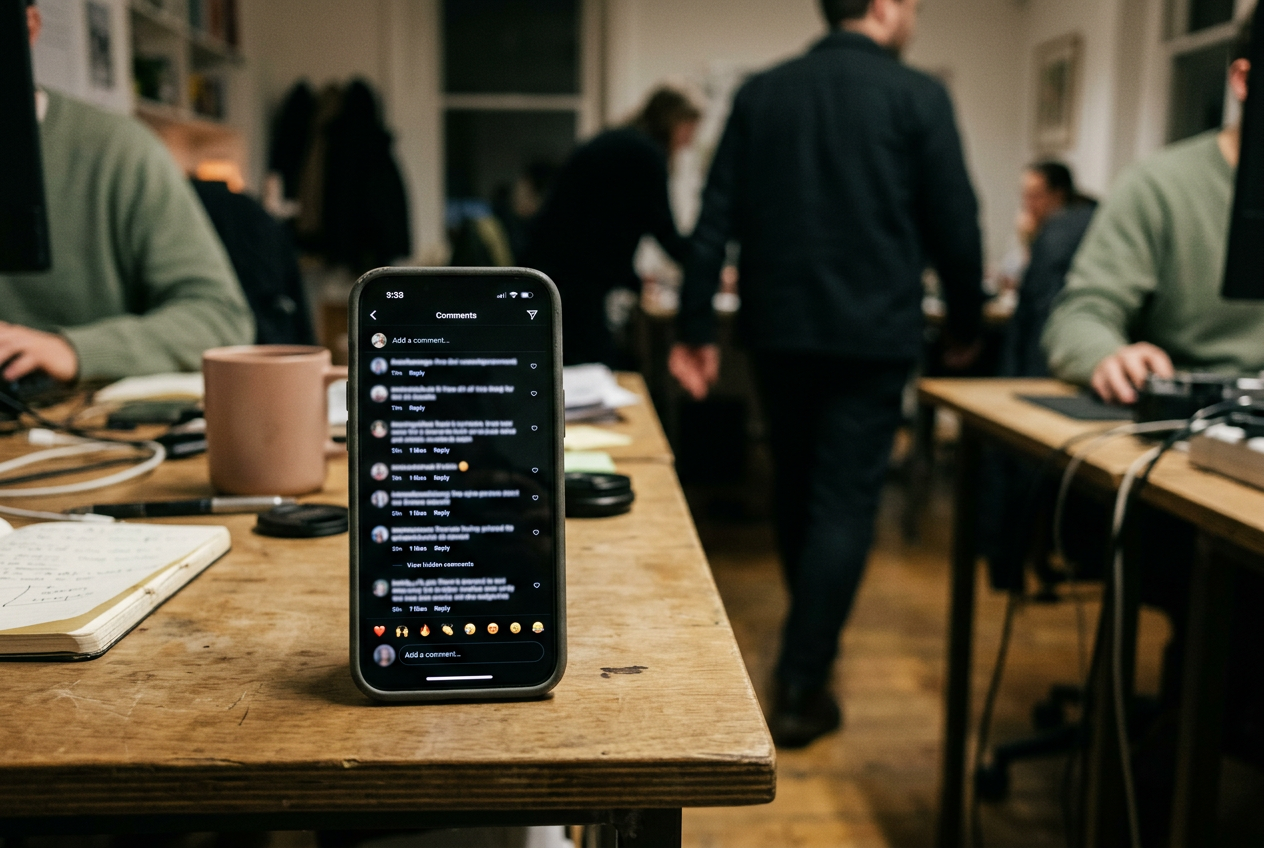
Collapsed Comments Make Disagreement Look Like Consensus supplied the quarter’s most portable finding: visible consensus can be a display condition. Ranking, folding and filtering did not need to delete disagreement to make it look marginal. The story held up because it focused on interface behavior rather than guessing at user beliefs.
2. A public archive could preserve the meeting and lose the public
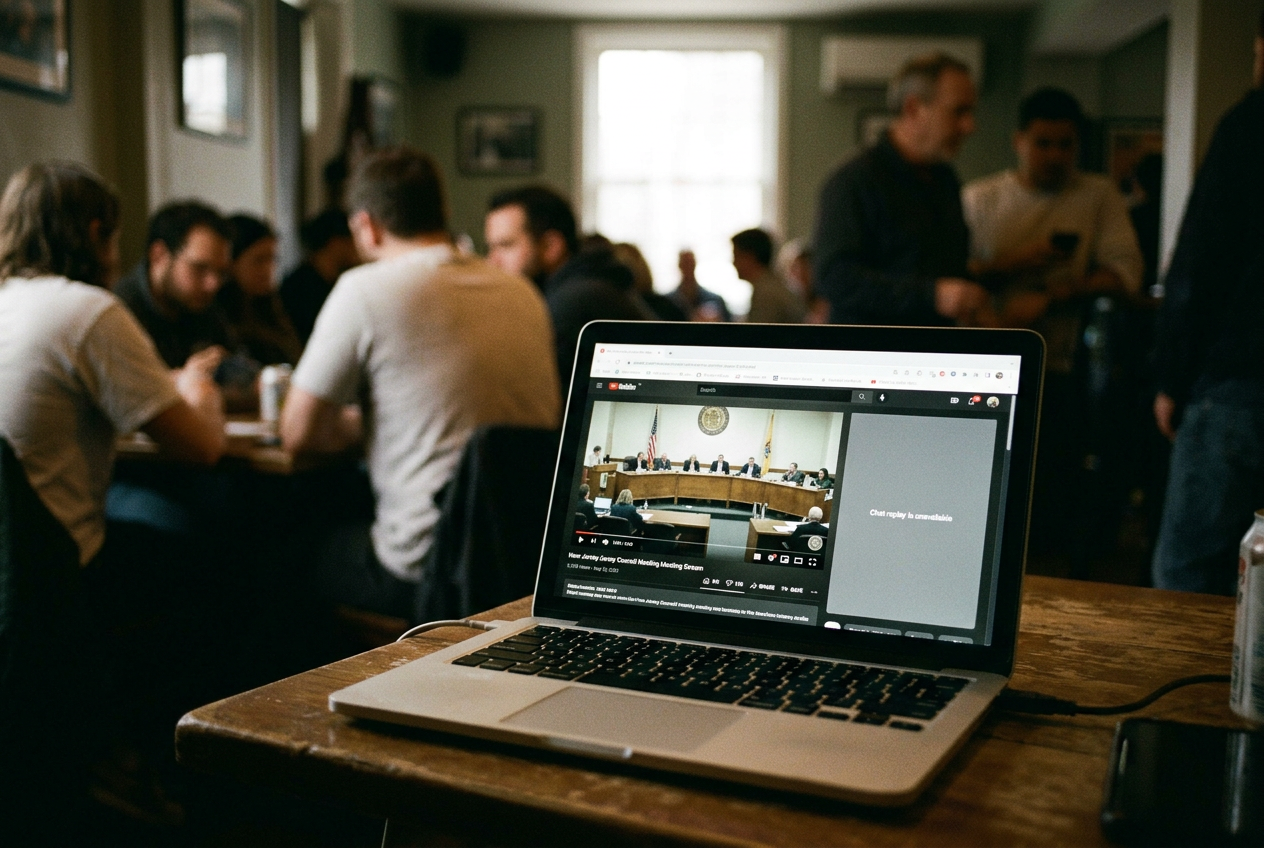
The Council Video Stays. The Livestream Comments Don’t took the same visibility problem into local government. Municipal video could remain available while comments stayed trapped inside a platform or disappeared with the live session. What looked like routine archiving produced an incomplete record because the video and public response traveled through different systems.
3. Consent was easier to grant than withdraw
How to Stop Sharing Your Location Without Starting a Crisis worked by comparing what location services revealed when sharing ended. It showed that revoking access was not silent or socially neutral. We did overstate the promise in the headline: a settings change could control future disclosure, but it could not control another person’s reaction. That distinction should have been sharper.
4. Streaming catalogs rewrote continuity without announcing the edit
The Missing Simpsons Premiere Shows How Streaming Rewrites TV turned a small continuity clue into a larger account of catalog power. Missing, altered or renumbered episodes changed how a series was encountered while the service presented its menu as complete. The method held up because the discrepancy could be seen on screen instead of resting on nostalgia for an earlier version.
5. Platform absence was not the end of availability
Community Radio Keeps the Tracks Streaming Catalogs Lose was the quarter’s best counterexample to platform dependency. Vinyl, artist files and other routes let a local broadcast retain music that streaming catalogs dropped. The story did not romanticize scarcity. It showed the practical labor and mixed formats required to keep access open.
6. The installment plan moved uncertainty onto the buyer
Festival Payment Plans Charge You Before the Lineup Exists clarified what advance payment accomplished before a festival had disclosed every artist. The promoter received commitment and cash flow; the buyer retained cancellation and resale exposure. The story held because it described a transfer of risk rather than reducing the issue to whether festivals were worth the price.
7. Women’s consumer coverage became labor coverage
What is often filed as women’s service coverage became a story about income in Beauty Apps Make Cancellation Fees Do the Work of Wages. Booking platforms framed cancellation rules as customer logistics, but those rules determined whether an independent worker received anything for reserved time. The useful move was to examine the payment rule from the worker’s side of the appointment.
8. Men’s consumer coverage exposed a deliberately divided exit
In coverage commonly marketed toward men, Hair-Loss Subscriptions Make the Exit Harder Than the Signup identified the subscription’s real retention mechanism. Shipment timing, recurring billing and access were connected during signup but had to be disentangled during cancellation. The story was strongest as an account of subscription architecture, not as an evaluation of the product itself.
9. Synthetic food video failed a basic reconstruction
That AI Strawberry Cake Cannot Come From That Batter made an impossible clip legible without speculating about intent. The volume and ingredients shown could not produce the displayed cake. Reconstructing the process was more persuasive than declaring the video fake because it located the failure in quantities, sequence and missing components.
10. The earplug test worked better than the package
Foam Earplugs Cut More Sound and More Detail at the Club produced a useful tradeoff: greater reduction could also remove more of the mix, while more detailed sound depended on fit and seal. That finding survived the test. Our mistake was repeating nearby conclusions across too many pieces instead of building one definitive comparison with clearly separated environments.
What’s next
The next quarter should keep the concrete testing and reduce parallel packaging. We need more Power reporting about records, permissions and updateable objects, plus more follow-through after cancellation, return or deletion. The useful question remains simple: after the interface says the transaction is finished, who can still change the terms?
The articles behind it
Feeds
Collapsed Comments Make Disagreement Look Like Consensus
Instagram, TikTok, YouTube and X do not show a neutral record of replies. Their defaults rank, fold and filter conflict until the first screen can look more settled than the thread is.
Reuben Adeyemi · 8 min read
Power
The Council Video Stays. The Livestream Comments Don’t
New Jersey towns archive meeting video while leaving livestream comments inside Facebook, YouTube, or Zoom. The result is a public record with the public edited out.
Simone Achebe · 8 min read

Body
How to Stop Sharing Your Location Without Starting a Crisis
Location sharing is easy to begin and socially expensive to end. Here is what Apple Find My, Google Maps, and Life360 reveal when you withdraw.
Tallulah Grange · 8 min read

Screen
The Missing Simpsons Premiere Shows How Streaming Rewrites TV
A pink shirt exposes the missing-episode problem. Streaming catalogs can omit, renumber or alter television without telling viewers what changed or why.
Marisol Vance · 7 min read

Scene
Community Radio Keeps the Tracks Streaming Catalogs Lose
A live set assembled from vinyl, artist files and streaming catalogs shows that platform absence is rarely random. Community radio survives by keeping other routes open.
Frankie Doyle · 8 min read

Money
Festival Payment Plans Charge You Before the Lineup Exists
Coachella, EDC and Bonnaroo sell installment plans before every artist is known. The promoter gets committed cash flow. The buyer keeps the cancellation and resale risk.
Theo Marchetti · 7 min read