Roundups · 2026 · Outlook
2026 Outlook: The Systems Behind the Screen
In 2026, NoAlgo will follow the systems that turn convenience into control: AI records, platform rumors, hidden fees, restricted access and culture reshaped by contracts.
Assembled by Marisol Vance · Screen — Chief Film Critic
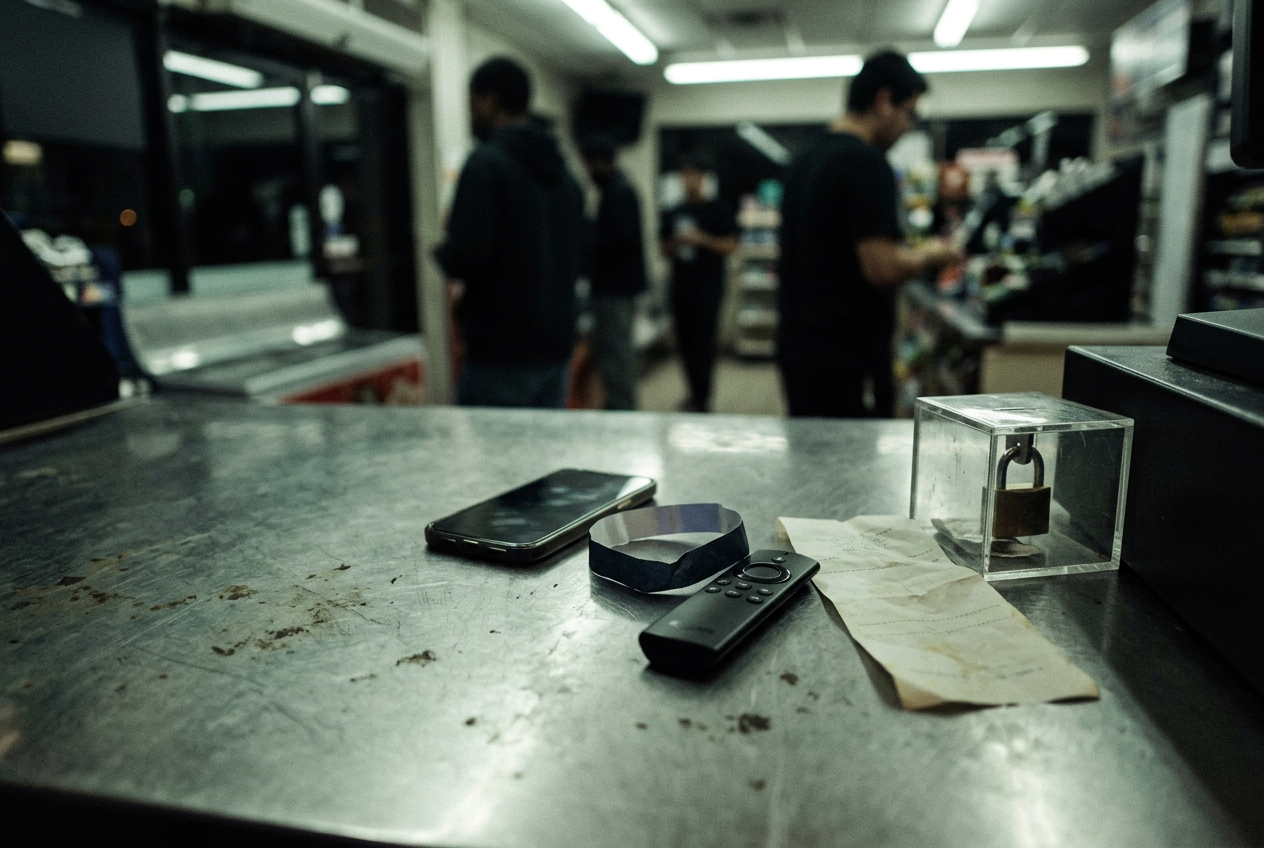
The defining systems of 2026 may not look new. They will look smoother. A chatbot remembers the conversation, a school dashboard assigns a score, a streaming bundle simplifies the bill and a ticket checkout reveals a total. Each interface appears to remove friction. Behind it, more records are created, more decisions move to vendors and fewer people can see how the result was assembled.
That makes the handoff our central subject for the year: what happens when a platform’s output leaves the platform, when an alert becomes evidence, when a public right becomes a private verification form or when a DIY room adopts the operating logic of a private club. The important action often occurs after the visible event. A label disappears during a repost. A transcript moves into another system. A cleared alert remains attached to a profile. A fee becomes visible without becoming legible.
Across Screen, Feeds, Money, Power, Scene and Body, we will keep tracing those chains rather than treating each interface as a self-contained product. We also expect the desk’s coverage of women and men to focus on access and sales machinery: who controls the shelf, what a label can establish and how discretion gets packaged as a consumer shortcut.
What we’re watching
1. AI provenance will fail at the handoff
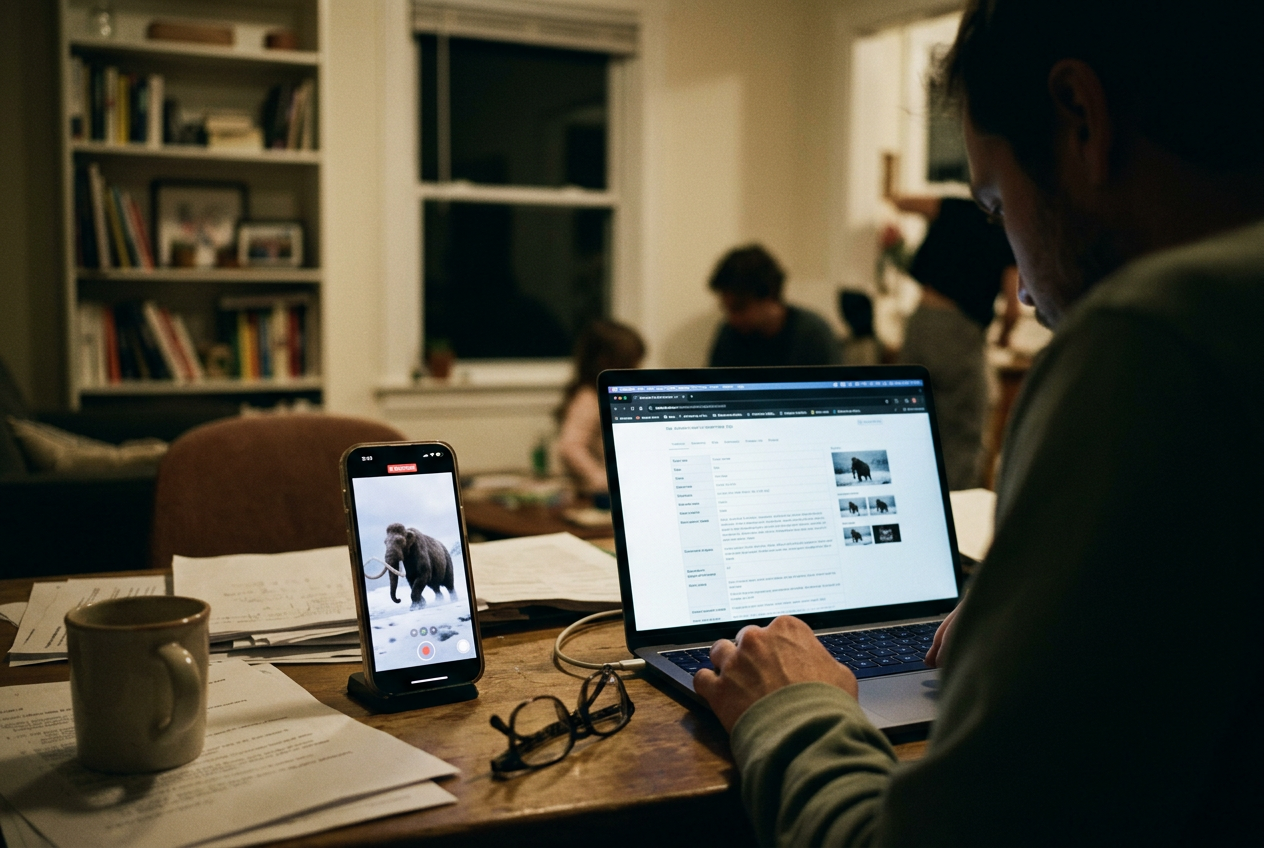
AI Video Disclosure Vanishes Before the Second Upload identifies the weak point in synthetic-media labeling: a platform can attach context to a file it hosts, but downloads, crops and screen recordings separate the artifact from that context. In 2026, we will watch less for the existence of labels than for their durability. The consequential questions concern exports, reposts, messaging apps and the platforms that receive a file without inheriting its history.
2. Workplace convenience will produce durable records
Your AI Meeting Notes Can Become Workplace Evidence shows how one call can become several records distributed across calendars, inboxes, transcription services and company storage. The bot’s summary is only the visible layer. We will follow retention settings, access permissions and the quiet shift from optional note-taking to routine workplace documentation. The key mechanism is duplication: removing one app from a meeting does not gather every copy already created.
3. Underground culture will be reorganized by paperwork
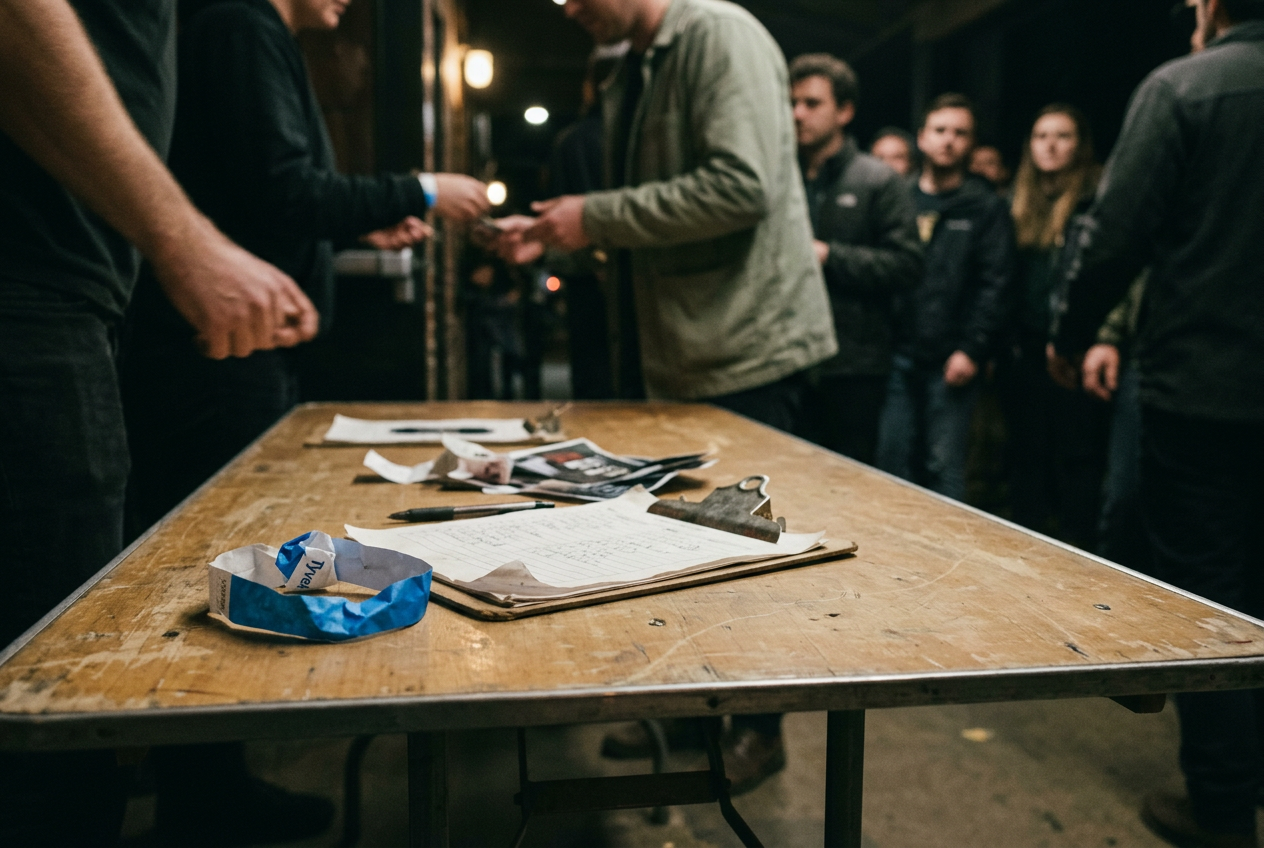
The Wristband Is Turning DIY Shows Into Private Parties points toward a Scene story bigger than any single venue. Insurance, leases and enforcement do not have to close a room to transform it. Membership language, guest lists and restrained promotion can make an event easier to operate while narrowing who hears about it and who gets inside. We will watch how these administrative filters alter crowds, booking choices and the meaning of a supposedly open underground.
4. Search interfaces will keep packaging rumor as research
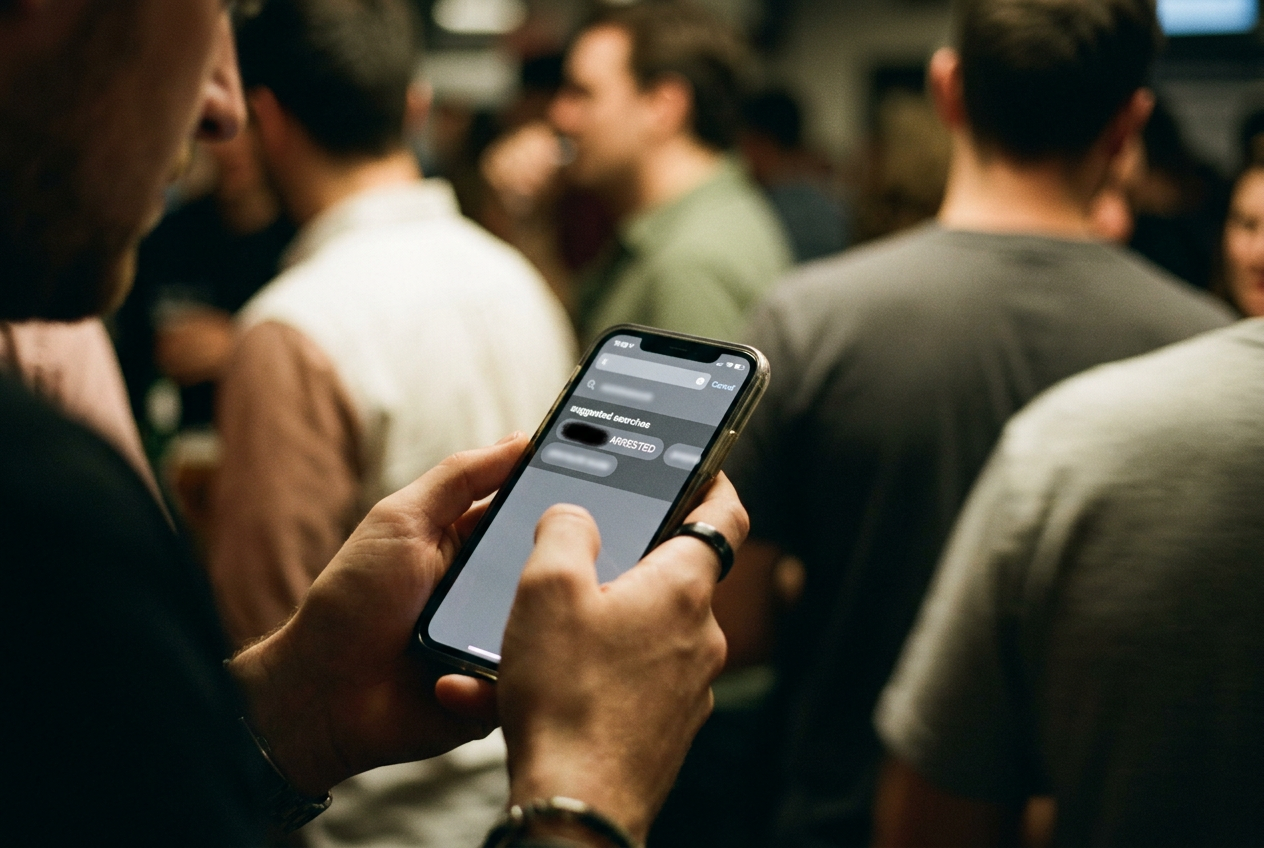
TikTok Search Can Turn One Rumor Into Five Accusations gives us a repeatable way to examine platform gossip. Suggested searches do not need to prove an accusation; they only need to arrange related phrases so that repetition looks like corroboration. In 2026, the Feeds desk will track how autocomplete, recommendation rows and recycled clips convert curiosity into a durable association. We are interested in the interface that organizes the rumor, not just the account that starts it.
5. Privacy rights will depend on private gatekeepers
New Jersey Gives You Data Rights. Brokers Still Control the Door. captures a persistent Power problem: a right can exist while its exercise remains difficult. Data brokers control matching and identity verification, so the company holding the information also helps decide whether a requester has adequately proved who they are. We will examine the forms, rejection paths and deletion workflows that determine whether privacy rules change databases or merely add another customer-service layer.
6. Streaming will rebuild cable through cancellation math
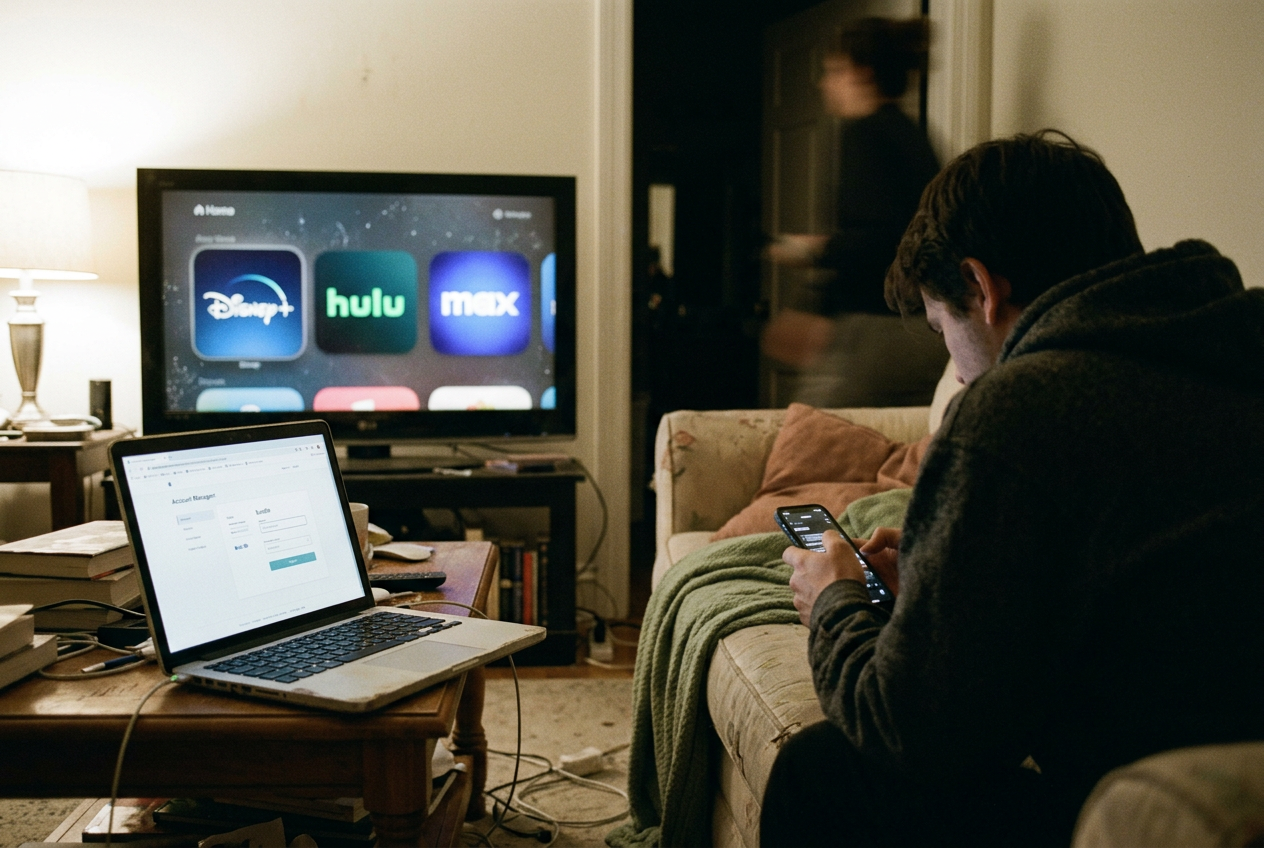
Disney+, Hulu and Max Are Rebuilding Cable One Bill at a Time is the Screen desk’s clearest signal for 2026. The bundle is not simply a collection of shows at a combined price. It turns several possible cancellations into one household decision and makes the package feel like basic infrastructure. We will follow how services use billing, account integration and exclusive programming to reconstruct cable’s staying power without restoring cable’s old physical delivery system.
7. Women’s access stories will remain retail stories
Emergency Contraception Is OTC. The Shelf Disagrees. shows why formal availability does not settle practical access. A locked case, counter placement or employee interaction can impose an unofficial checkpoint around a product sold without one. Our women’s coverage will keep looking at this gap between policy and store design: not only whether something may be purchased, but how retailers control visibility, privacy and the path to checkout.
8. Men’s wellness products will sell certainty through weak labels
That Gas-Station Sex Pill Label Is Covering an Evidence Gap establishes the corresponding line for men’s coverage. Packaging can project precision while providing little basis for determining what is inside. Discretion, urgency and convenience become part of the product, while fine print transfers uncertainty to the buyer. In 2026, Body will examine how supplement retail, online promotion and masculine embarrassment make the evidence gap commercially useful.
9. Price transparency will expose totals without exposing power
Ticket Fees Are Visible Now. Who Gets Them Still Isn’t. sets up a Money question that will reach beyond concerts. Showing the full price earlier can improve the checkout without explaining the relationships underneath it. Venues, promoters and platforms can still be compressed into a generic fee line. We will look for the difference between price visibility and economic transparency: one reveals what the buyer pays; the other reveals who has leverage and where the money goes.
What’s next
In 2026, we will keep starting with the ordinary artifact—a label, transcript, wristband, search suggestion, form, bundle, locked shelf or checkout row—and work outward. The desk’s job is to show which institution set the terms, which vendor operates the system and what remains after the interface says the transaction is finished.
The articles behind it
Feeds
AI Video Disclosure Vanishes Before the Second Upload
A Sora mammoth clip shows the weak point in AI labeling: platforms disclose what they know on their own pages, then let downloads and screen recordings leave that context behind.
Cass Ito · 7 min read

Power
Your AI Meeting Notes Can Become Workplace Evidence
A convenience bot can turn one meeting into audio, transcript, summary and action items spread across several systems. Deleting the bot from the call does not delete that second room.
Lena Vasquez · 7 min read
Scene
The Wristband Is Turning DIY Shows Into Private Parties
Insurance does not need to close a DIY venue to change it. Guest lists, memberships and quieter promotion make rooms easier to insure while narrowing who gets through the door.
Bex Nakamura · 8 min read
Feeds
TikTok Search Can Turn One Rumor Into Five Accusations
A suggested-search row can make an unverified celebrity rumor look organized, popular and ready to investigate. The menu is not evidence. Its packaging still changes the story.
Cass Ito · 7 min read

Power
New Jersey Gives You Data Rights. Brokers Still Control the Door.
New Jersey residents can request access to and deletion of brokered data. The forms reveal the catch: companies still decide how easily your identity can be matched, verified and rejected.
Simone Achebe · 8 min read
Screen
Disney+, Hulu and Max Are Rebuilding Cable One Bill at a Time
The bundle offers a real discount if you keep all three services. Its better trick is making three possible cancellations feel like one household subscription.
Dev Okafor · 7 min read