
Roundups · September 2026 · In review
September 2026 in Review: The Mechanism Was the Style
The month’s strongest work tested interfaces, contracts and physical objects. Promises collapsed when we traced who kept control, who carried risk and what disappeared.
Assembled by Marisol Vance · Screen — Chief Film Critic

September held up best when we treated style as evidence rather than decoration. A polished cake video, a discreet dating mode, a premium cinema logo and a friendly subscription flow all projected control. The useful work began when we asked what those surfaces concealed: missing ingredients, retained platform visibility, inconsistent rooms and exits split across several systems.
What collapsed on contact was the idea that a product’s name described its function. “Private” often meant hidden from selected users, not from the company. “Premium” could identify a surcharge without specifying the presentation. A creator commission could appear earned and then vanish after a return. Across beats, the durable September form was a reconstruction: follow the file, payment, setting or object until its owner changed.
We also got the balance wrong. Money and Scene generated strong mechanisms, but parts of the month repeated test formats after the central tradeoff was already clear. Power was comparatively thin, even though its two stories showed how readily platforms alter tickets and public records. The month’s women’s and men’s coverage worked best when gender was not made into the explanation: beauty-work economics exposed payment design, while hair-loss coverage followed subscription logistics rather than turning the body into a verdict.
What worked
1. The disagreement hidden below the fold
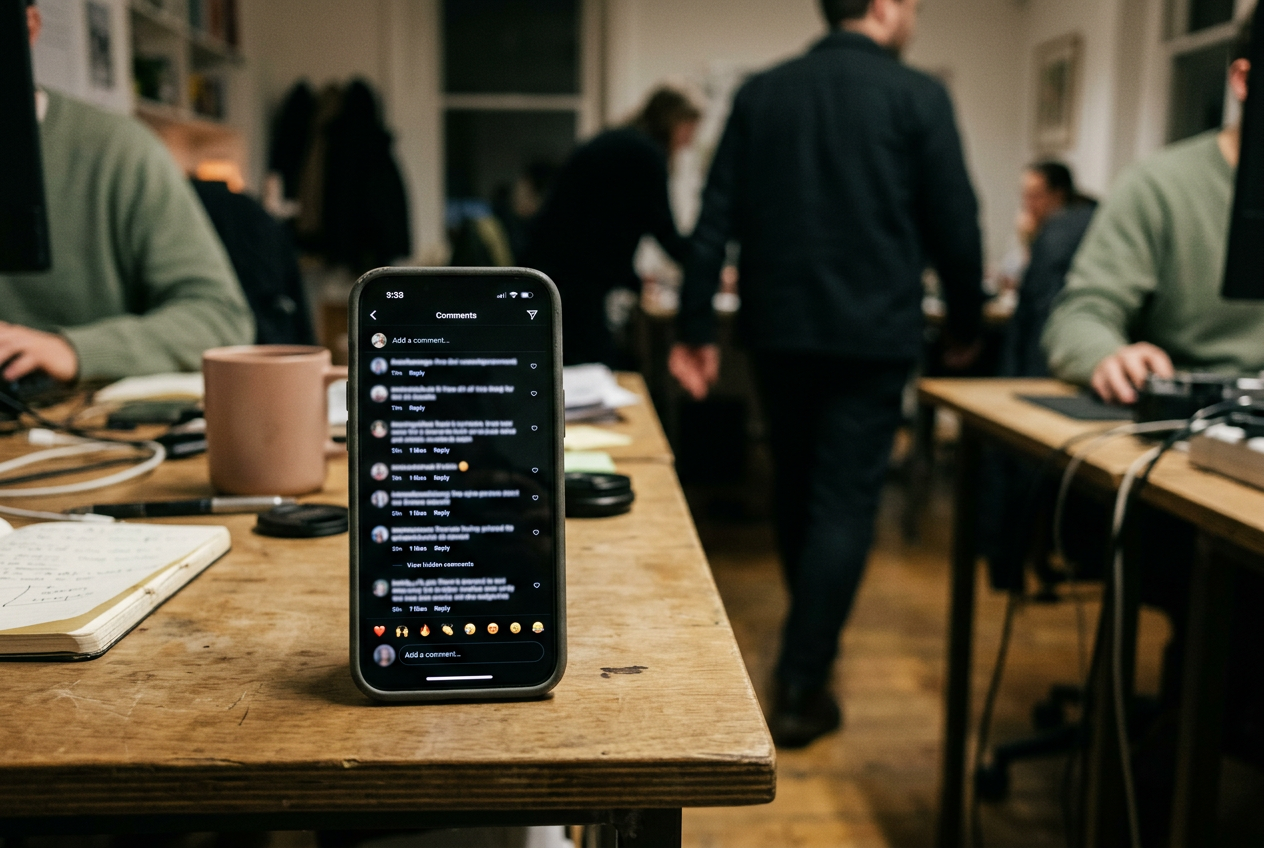
Collapsed Comments Make Disagreement Look Like Consensus was the month’s clearest account of an interface manufacturing an apparent social fact. The story did not need to prove that every platform favored the same opinion. It showed how ranking, folding and filtering determine which conflict reaches the first screen. That distinction held up: consensus was not necessarily produced by persuasion, but by the order in which replies became visible. The piece also gave September its best recurring question—what did the default remove before a user made any choice?
2. The recipe that failed before the oven
That AI Strawberry Cake Cannot Come From That Batter made synthetic media legible through ordinary material limits. The clip promised a tall layer cake, but the batter lacked the volume and components required to produce it. Reconstructing the recipe was more useful than debating whether the video looked strange. The image’s authority collapsed when flour, fat, leavener and yield had to occupy the same kitchen. This was the right style for AI coverage: not awe, panic or detection theater, but a check against the process being represented.
3. The wage protection that only starts after cancellation
Beauty Apps Make Cancellation Fees Do the Work of Wages found the labor arrangement inside a convenience product. Booking platforms present deposits and cancellation charges as administrative details. For independent beauty workers, those rules decide whether an emptied appointment produces any income at all. The story’s contribution to our women’s coverage was precision about where risk sat: the platform facilitated the booking, but the worker’s limited protection activated only after a client withdrew. The fee was not peripheral to the service. It was part of the pay structure.
4. The boundary that sends a notification
How to Stop Sharing Your Location Without Starting a Crisis worked because it separated technical withdrawal from social withdrawal. Location sharing can begin as a small convenience, then harden into an expectation between partners, relatives or friends. Ending it is not equivalent across Apple Find My, Google Maps and Life360; each service reveals the change differently. The story stayed with that interface-level problem. A boundary could be valid while still producing an alert, a missing icon or a question. The product’s disclosure design helped determine the social cost of leaving.
5. The public record with the public removed
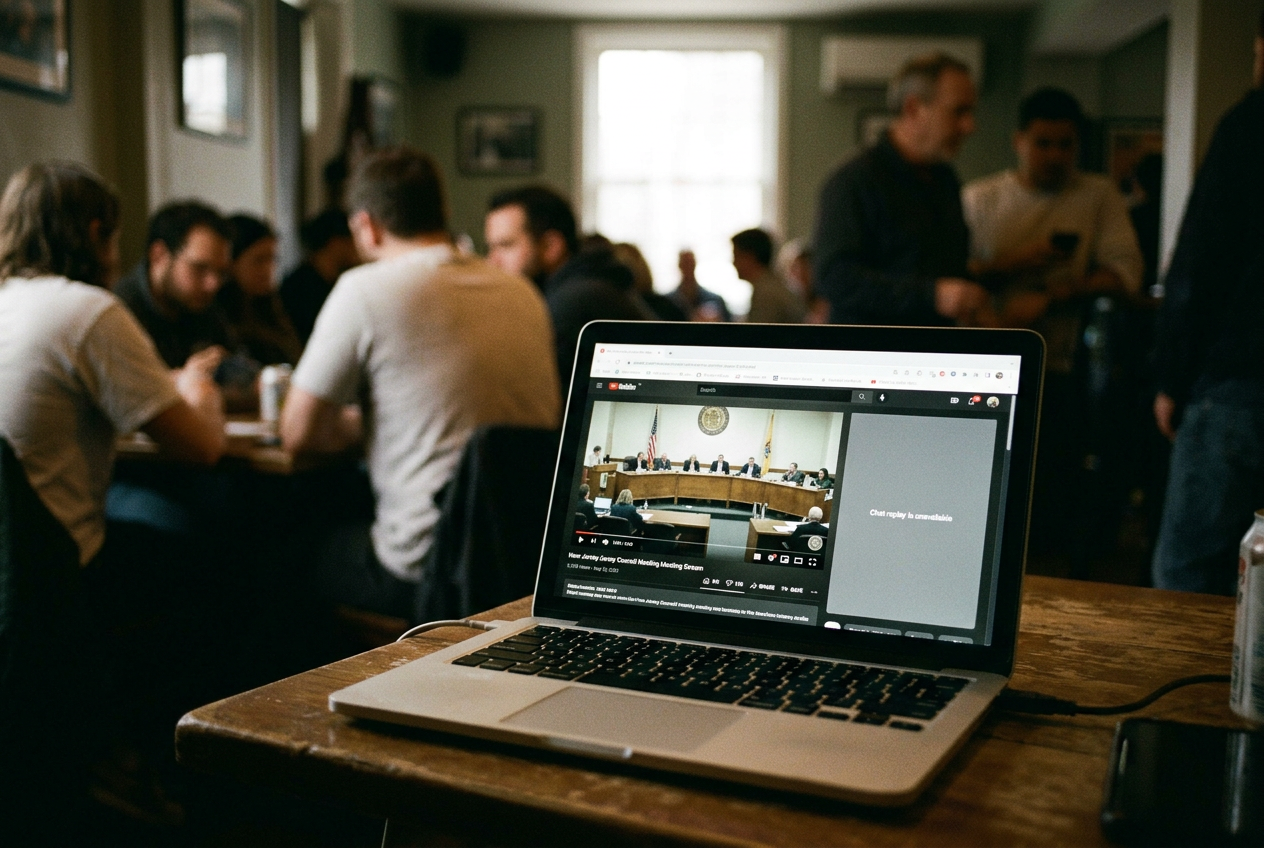
The Council Video Stays. The Livestream Comments Don’t was an important correction to the assumption that archived video equals preserved participation. New Jersey towns could retain the meeting itself while comments remained with Facebook, YouTube or Zoom. The result was not a wholly missing record, but an uneven one: officials and proceedings persisted while part of the public response disappeared. That mechanism deserved more company on the Power desk. It showed how local institutions can outsource participation to platforms without securing the same continuity for every layer of the event.
6. The premium logo that could not describe the room
Your Premium Movie Ticket May Be Buying the Wrong Screen survived because it returned film exhibition to physical specifics. IMAX, Dolby Cinema and theater-branded large formats could carry comparable-looking surcharges while referring to substantially different projectors, frames and rooms. The branding collapsed as a reliable guide once the actual presentation was examined. This was Screen coverage doing more than evaluating a movie: it evaluated the conditions under which the movie was sold and seen.
7. The subscription with several exits
Hair-Loss Subscriptions Make the Exit Harder Than the Signup gave the month’s men’s coverage a useful structural focus. The important detail was not simply recurring billing. Leaving required users to distinguish among the next shipment, the subscription relationship and continued access through the service. Signup compressed those elements into one flow; cancellation separated them again. That asymmetry explained the retention mechanism without turning hair loss itself into a failure to be corrected.
8. The catalog kept alive outside the catalog
Community Radio Keeps the Tracks Streaming Catalogs Lose offered September’s best counterexample to platform inevitability. A set assembled from vinyl, artist files and streaming services showed that a track’s absence from a major catalog did not mean the music had disappeared. It meant another route had to remain open. Community radio mattered here as infrastructure: not nostalgia, but a working system for preserving circulation when licensing and platform availability shifted.
What’s next
The next round should keep the reconstruction method and widen its targets. We need fewer variations on conclusions already established, more Power reporting, and more attention to the institutions that preserve access when platforms withdraw it. September’s lesson was simple: the surface told us what a product wanted to be called; the mechanism told us what it did.
The articles behind it
Feeds
Collapsed Comments Make Disagreement Look Like Consensus
Instagram, TikTok, YouTube and X do not show a neutral record of replies. Their defaults rank, fold and filter conflict until the first screen can look more settled than the thread is.
Reuben Adeyemi · 8 min read

Feeds
That AI Strawberry Cake Cannot Come From That Batter
A glossy clip promised a tall strawberry layer cake from one thin bowl of batter. Reconstructing the recipe exposed missing leavener, missing fat and an impossible amount of cake.
Priya Nandakumar · 8 min read

Money
Beauty Apps Make Cancellation Fees Do the Work of Wages
Appointment platforms sell convenience, but their payment rules reveal the real bargain: workers get limited protection only after a client cancels.
Jonah Reyes · 8 min read

Body
How to Stop Sharing Your Location Without Starting a Crisis
Location sharing is easy to begin and socially expensive to end. Here is what Apple Find My, Google Maps, and Life360 reveal when you withdraw.
Tallulah Grange · 8 min read
Power
The Council Video Stays. The Livestream Comments Don’t
New Jersey towns archive meeting video while leaving livestream comments inside Facebook, YouTube, or Zoom. The result is a public record with the public edited out.
Simone Achebe · 8 min read

Screen
Your Premium Movie Ticket May Be Buying the Wrong Screen
IMAX, Dolby Cinema and theater-branded large formats can charge similar surcharges for radically different presentations. The logo tells you less than the projector, frame and room.
Dev Okafor · 8 min read