
Feeds
Shared block lists protect fandom users at platform speed. They also turn a volunteer maintainer’s judgment into moderation infrastructure, often without evidence, review or appeal.
Cass Ito · 8 min read

Feeds
A template maker can design the timing, cuts and effects, then disappear while someone else’s reuse goes viral. The credit depends less on authorship than on which button the next user taps.
Cass Ito · 7 min read

Feeds
A controlled test with one battered sneaker shows how TikTok turns still photos into timed attention traps, and why “use more slides” is folklore, not an algorithm cheat code.
Cass Ito · 8 min read

Feeds
Recurring AI pronunciation errors are more than bad narration. They can expose shared text-to-speech tools, copied scripts and the assembly lines behind supposedly independent channels.
Cass Ito · 7 min read

Feeds
Synthetic rescue clips repeat the same crisis, intervention and reunion. Follow one glove across the cuts and the format starts showing its assembly marks.
Cass Ito · 7 min read

Feeds
Creator filters do more than remove abuse. They can quietly hold criticism while leaving the person who wrote it staring at a normal-looking comment.
Cass Ito · 8 min read

Feeds
A caption, synthetic voice and avatar can turn recycled footage into commentary without anyone seeing the original. Platforms reward the measurable performance of reaction, not proof that one occurred.
Cass Ito · 7 min read

Feeds
LinkedIn’s vertical feed measures workplace vulnerability with the same machinery used to rank any sticky clip. The boss is now an audience, a recommender and a potential customer.
Cass Ito · 8 min read
Feeds
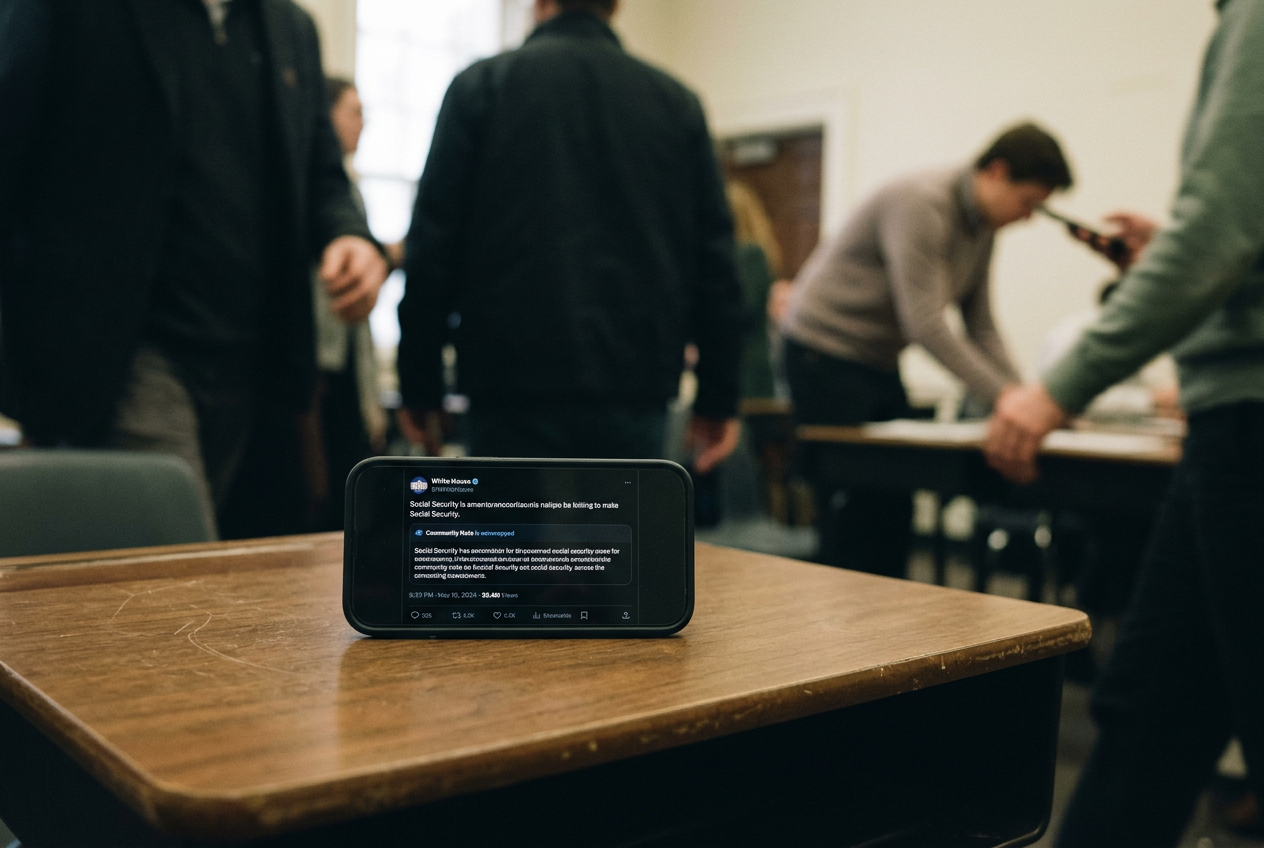
Crowd-sourced context can correct a post without catching its copies. By the time consensus arrives, the feed has often turned one claim into screenshots, clips and reaction videos.
Cass Ito · 8 min read

Feeds
Search rankings, data licenses and AI summaries have turned Reddit threads into answer infrastructure. The commenters stayed conversational. The machinery around them stopped caring.
Cass Ito · 8 min read

Feeds
Obvious AI fakery is not failing at realism. It is cheap, renewable comment bait built for a feed that can treat correction, argument and bewilderment as evidence of interest.
Cass Ito · 7 min read

Feeds
Synthetic pages are copying local news design to push crime scares, weather warnings and nostalgia bait. The county name is camouflage; engagement is the product.
Cass Ito · 8 min read

Feeds
A viral clip now belongs, in practice, to the account that gives it the cleanest caption and strongest distribution. The camera operator is left beneath the crop.
Cass Ito · 8 min read

Feeds
A fair scam-ad test needs more than five taps on Report. The real audit is how each platform classifies the complaint, documents its decision and lets the advertiser keep buying reach.
Cass Ito · 8 min read

Feeds
TikTok, Instagram, and YouTube let users restart parts of their recommendations. A paired-account audit shows how to test what the button touches and what it leaves earning money.
Cass Ito · 8 min read

Feeds
YouTube’s topic cards compress huge comment sections into clean themes. The useful shortcut also decides which disagreements count and makes conflict look settled.
Cass Ito · 8 min read

Feeds
Autocomplete does more than reflect curiosity. It ranks a rumor, puts it in neutral interface text, and hands the next user a ready-made suspicion.
Cass Ito · 8 min read

Feeds
Resetting suggested content clears the immediate pattern across Feed, Explore and Reels. Your follows, past activity and advertising profile do not disappear with it.
Cass Ito · 7 min read

Feeds
Autocomplete compresses thousands of curious searches into one confident-looking phrase. For anyone adjacent to a viral scandal, that phrase can become the story.
Cass Ito · 7 min read

Feeds
A plausible logo and a county-shaped name can turn scraped text into “news.” This checklist tests the byline, image, domain, corrections record, and source trail before you donate a share.
Cass Ito · 8 min read

Feeds
A crying child and puppy in floodwater became raw material for pages built to harvest reaction. Facebook’s machinery can turn sympathy, outrage and correction into the same useful signal.
Cass Ito · 7 min read

Feeds
A Sora mammoth clip shows the weak point in AI labeling: platforms disclose what they know on their own pages, then let downloads and screen recordings leave that context behind.
Cass Ito · 7 min read

Feeds
TikTok’s search box compresses popularity, personalization and controversy into the same few suggested words. The interface supplies no evidence, but it can still make an accusation feel pre-checked.
Cass Ito · 7 min read

Feeds
X’s crowd-sourced fact checks can produce credible corrections. The fake Pentagon explosion showed the catch: consensus arrives on human time, while falsehood travels at feed speed.
Cass Ito · 8 min read

Feeds
A suggested-search row can make an unverified celebrity rumor look organized, popular and ready to investigate. The menu is not evidence. Its packaging still changes the story.
Cass Ito · 7 min read

Feeds
Fake storm maps and disaster images copy the graphics people already trust. Platforms reward the recognition hit long before anyone checks who issued the forecast.
Cass Ito · 8 min read
