Roundups · Summer 2026 · In review
Summer 2026 in Review: The Interface Was the Story
This summer, the strongest reporting followed small controls with large consequences: storefront settings, pause screens, attribution windows, distance readouts and hidden moderation queues.
Assembled by Marisol Vance · Screen — Chief Film Critic
Summer 2026 held up best at the level of the interface. A country setting became a distribution border. A pause button became ad inventory. A distance readout became a routine map. None of these mechanisms required a dramatic product launch or a newly invented technology. They worked because an ordinary control concealed who actually held power after the user tapped it.
What collapsed on contact was the idea that a platform’s visible transaction explained the whole exchange. Etsy’s fee could begin with an earlier ad click. An underground venue’s address system could double as access control. A synthetic video could reveal its production line through one recurring prop. Across beats, the decisive action often happened before the apparent choice or continued after it.
We also overestimated the usefulness of familiar categories. “AI content” was too broad until we tracked repeated voices and visual artifacts. “Streaming ads” meant little without asking where a show’s breaks had been built. Women’s and men’s coverage appeared most clearly in Body’s reporting on dating and sexual identity, but a neat gender split proved less useful than examining what an app exposed about any user’s movements. The summer’s best work replaced a cultural label with a specific mechanism.
What worked
1. A storefront setting became a border
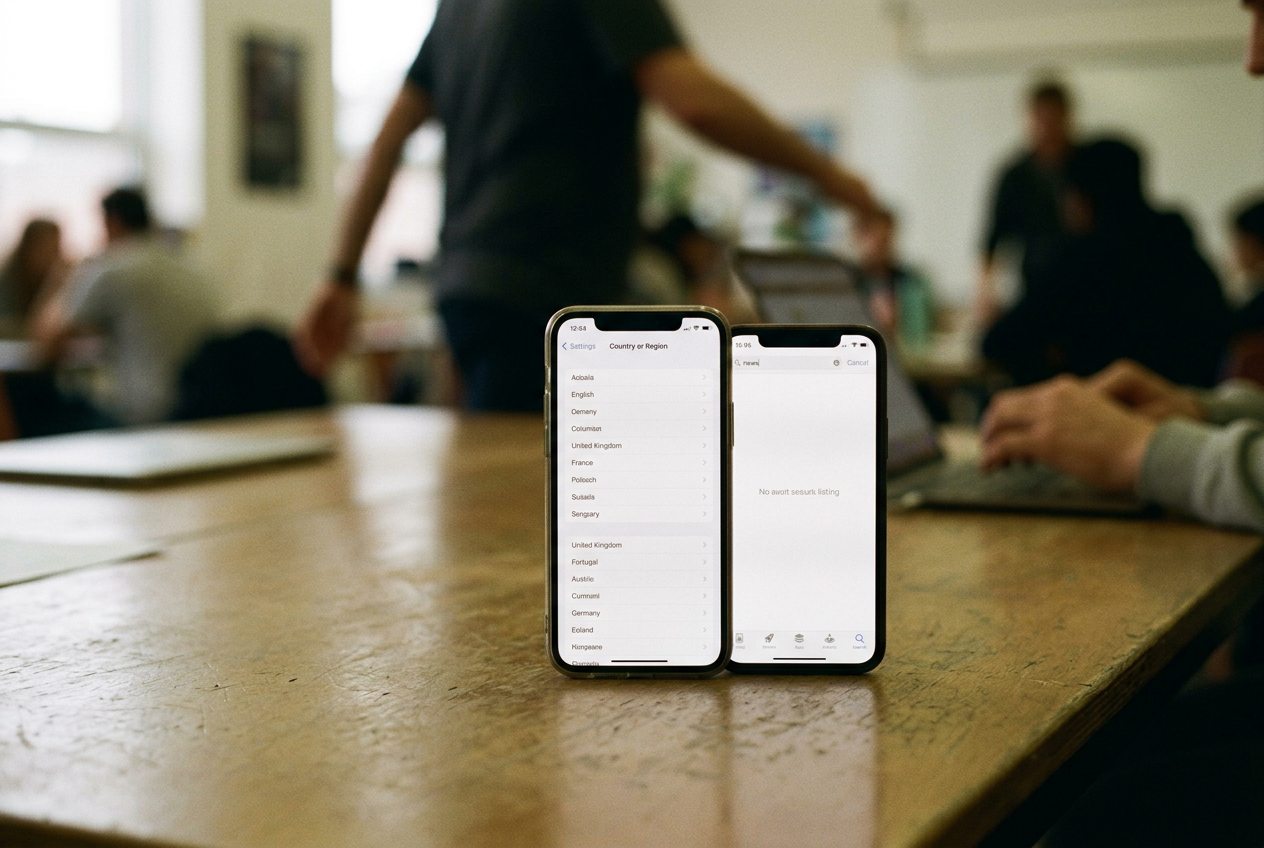
Your App Store Country Can Make News Apps Disappear was the clearest expression of the season’s central finding. Distribution did not need to fail globally for access to collapse locally. A national storefront could lose an app while the account setting followed a user elsewhere. What looked like a regional catalog choice became a portable enforcement layer shared by governments and a platform.
2. The pause button stopped being neutral
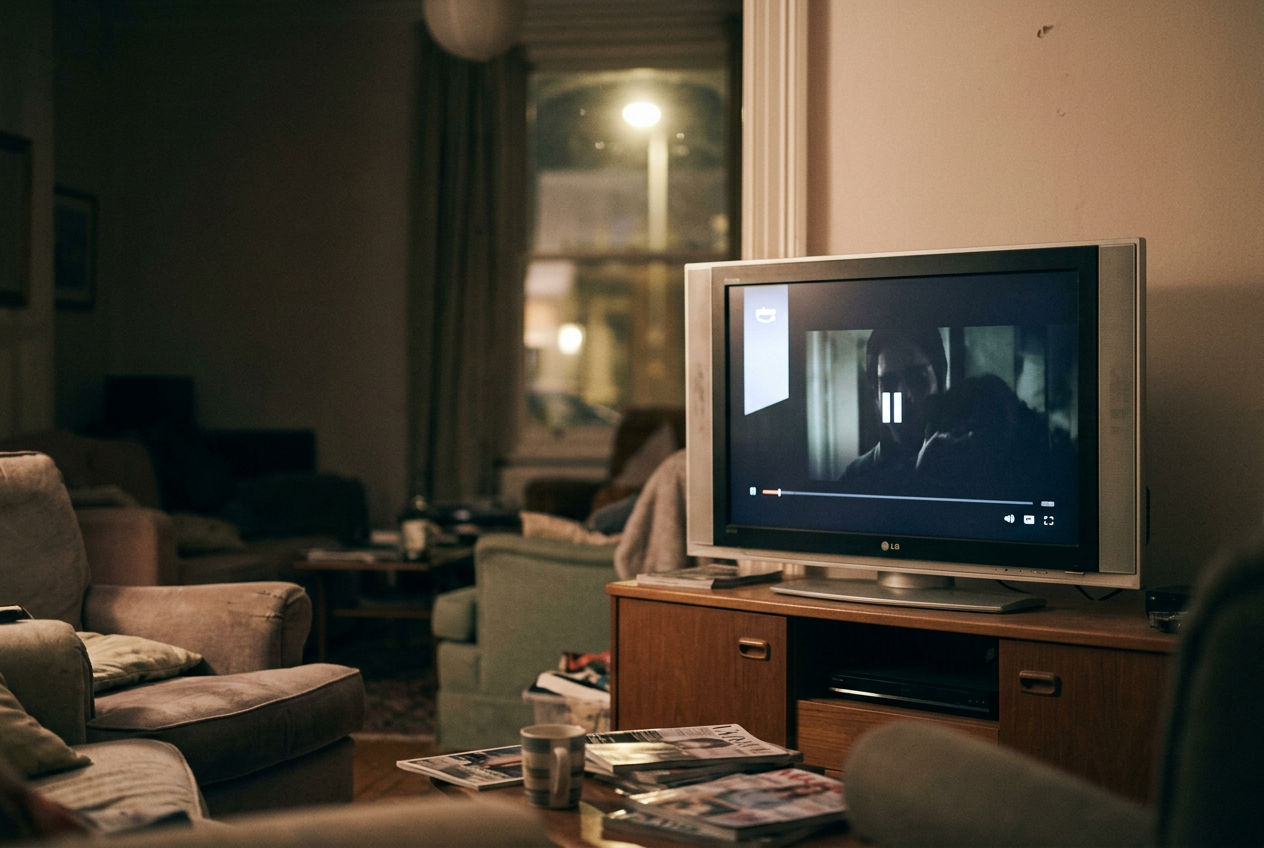
Netflix Is Selling the Moment You Pause to Leave held up because it focused on control rather than ad volume. The viewer initiated the pause, but Netflix could redesign the resulting screen as commercial inventory. The program remained frozen while the meaning of the button changed. Our earlier shorthand about streamers “adding ads” missed this more precise conversion of a user-controlled interruption into a platform-controlled placement.
3. An ad click kept charging rent
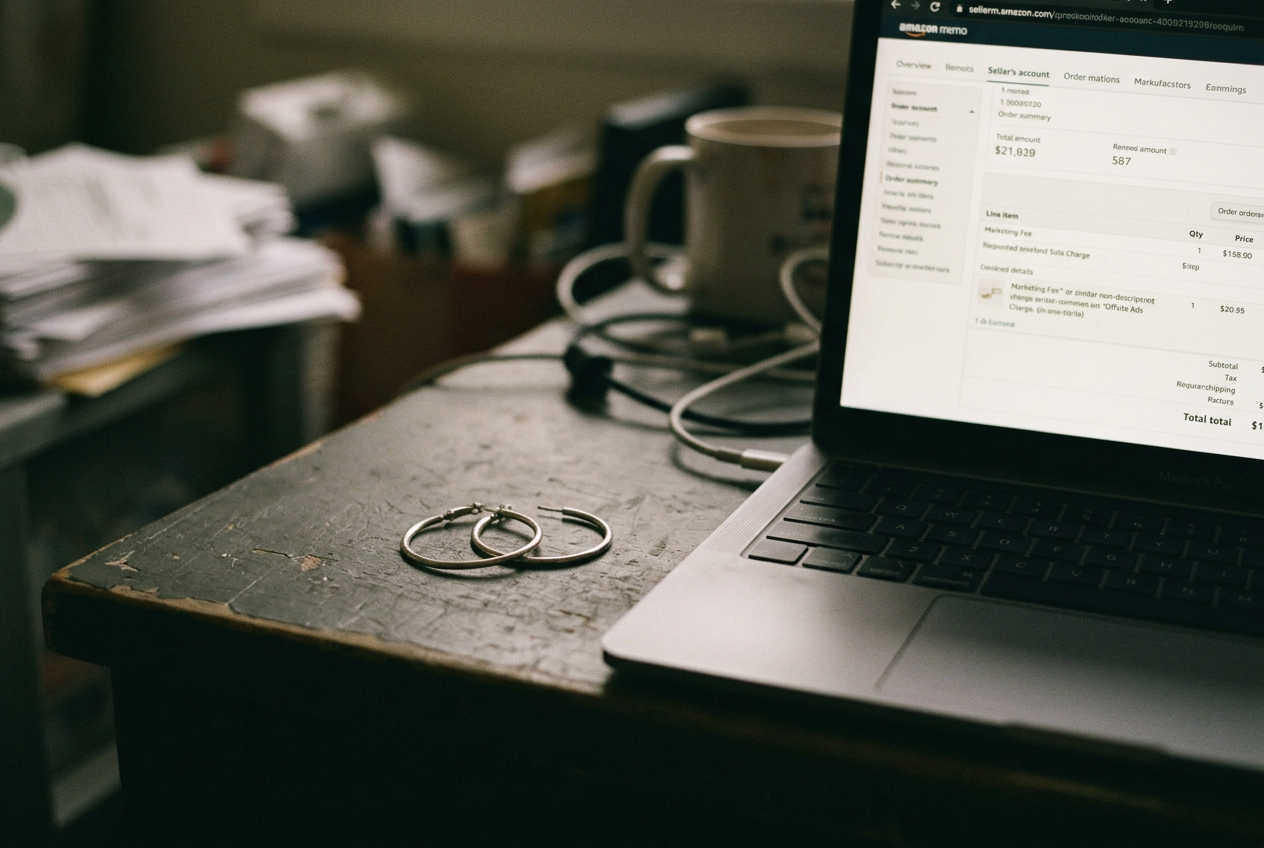
Etsy’s Offsite Ad Fee Can Follow a Shopper for 30 Days showed why the checkout page was an incomplete map of marketplace economics. A shopper could click an externally placed ad, return later and buy a different listing, while the seller inherited the acquisition fee. The mechanism held up because attribution, not the final path to purchase, determined the charge. The visible sale arrived after the platform had already assigned its cause.
4. A privacy control still disclosed a routine
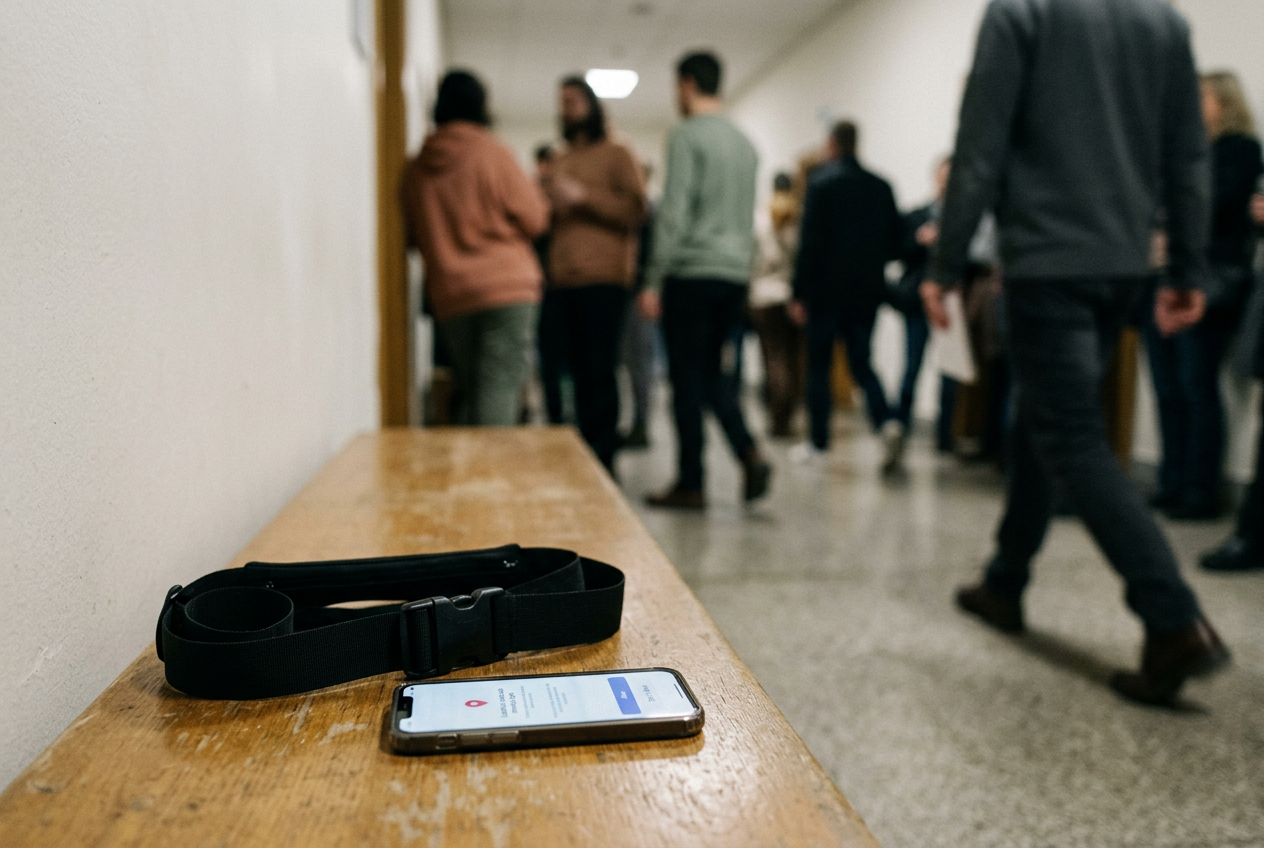
Your Dating App’s Distance Setting Can Map Your Routine was the strongest Body story of the period because it separated precise location from location inference. An app did not need to display an address to expose recurring movement between home, work, a gym or a trip. This also complicated simplistic women’s-versus-men’s coverage: settings could operate similarly across users even when the consequences of being located were not evenly distributed.
5. A pronunciation error became a supply-chain trace
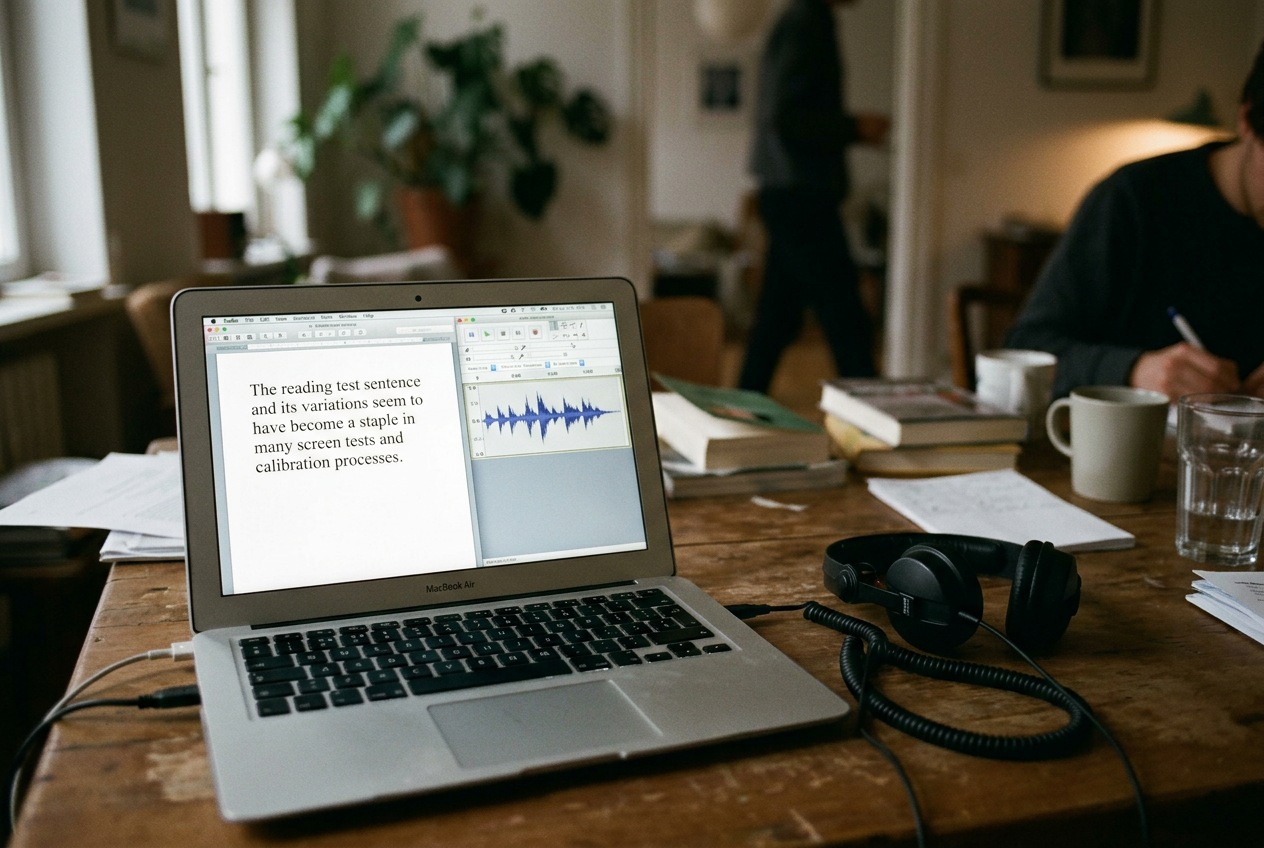
Why AI Voiceovers Keep Calling Reading “REE-ding” made synthetic media legible without trying to settle whether every clip was “real” or “fake.” A repeated error could connect channels through shared narration tools, copied scripts and standardized production. The broad fear that AI would make provenance impossible collapsed here. Assembly lines still left marks; the useful work was learning which marks survived publication.
6. The secret address became private moderation
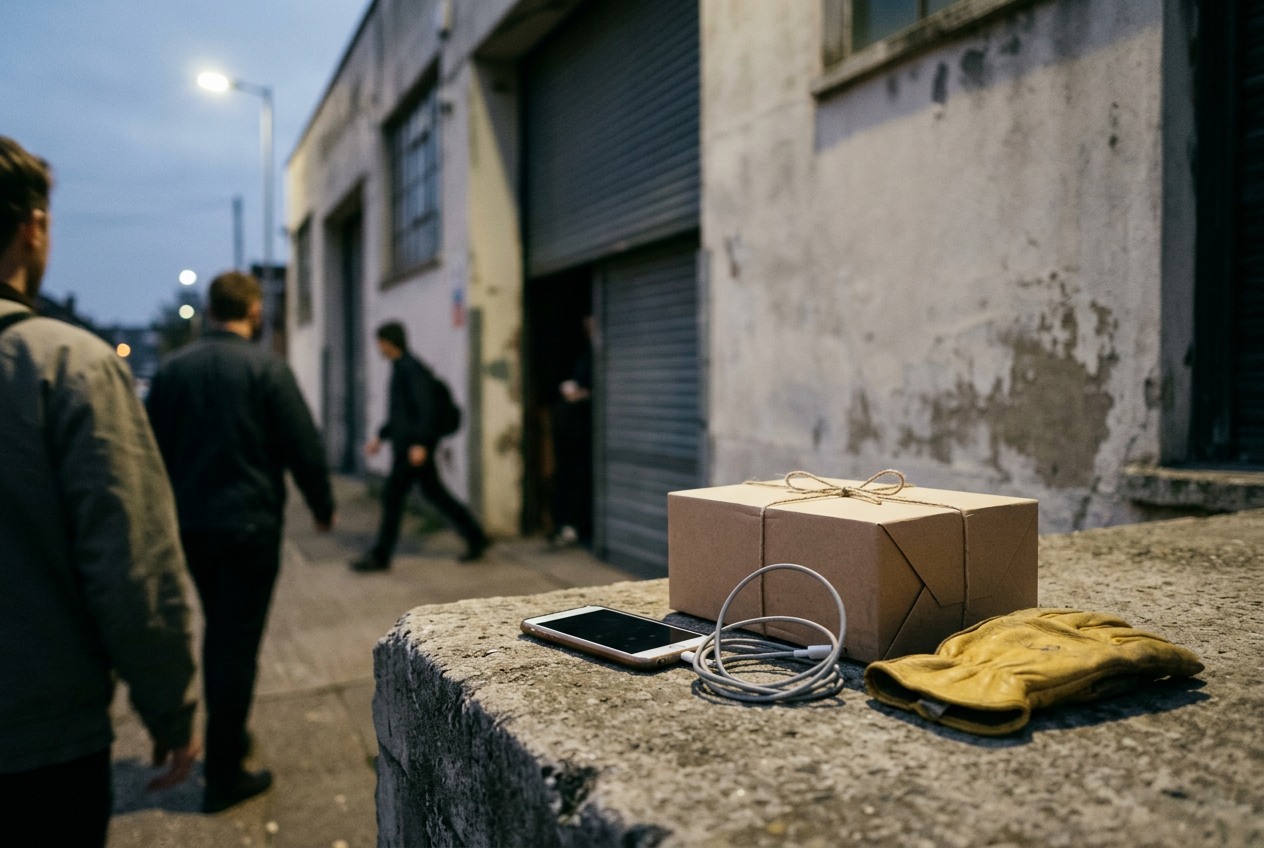
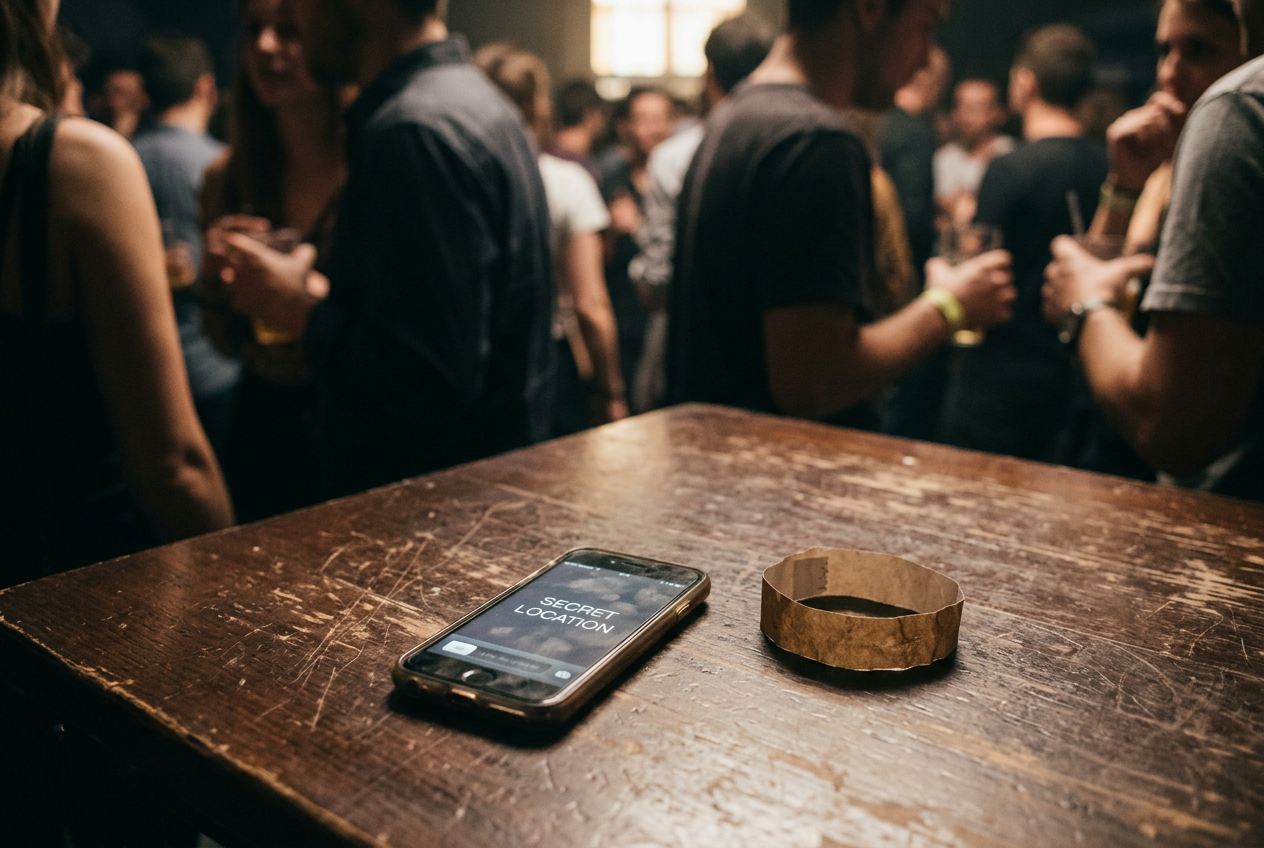
The DIY Venue Address Is Now a Moderation Queue resisted the easy romance of underground access. Withholding an address could protect a room from harassment and police attention, but distributing it through selected accounts also concentrated power over entry. Both functions were true at once. The system held up as protection while collapsing as a neutral community practice.
7. Streaming ownership failed at the backup
Disney Deleted Willow, and There Is No Legal Backup gave the summer’s streaming coverage its hardest endpoint. Removal was not merely a title rotating out of one subscription library. Copyright could remain intact while the audience lost an authorized route to the work. The assumption that another rental service, disc, library copy or licensed rerun would catch a removed original did not survive this case.
8. One yellow glove exposed the rescue factory
The Yellow Glove Gives Away the AI Animal Rescue Factory worked for the same reason as the voiceover investigation: it replaced an abstract argument with a repeated production artifact. The crisis, rescue and reunion could change while a glove persisted across cuts. Synthetic video looked frictionless in the feed, but its modular construction became visible once the recurring object was treated as evidence rather than scenery.
9. Bands improved according to the room’s clock
New Jersey Bands Get Good on the Rehearsal Room Clock closed the season by grounding culture in logistics. Hourly rates mattered, but so did house amps, load-in rules and distance from transit. The romantic account of a band becoming convincing through taste or chemistry alone collapsed against the repetition enabled by a usable room. Infrastructure did not sit behind the scene; it selected who could practice enough to belong to it.
What’s next
The next period should keep following controls that pretend to be minor: account regions, default permissions, attribution clocks, reply suggestions and access queues. Summer 2026 showed that the most durable stories were not about what platforms said they offered. They were about when control moved, who noticed and what remained after the interface implied the transaction was over.
The articles behind it
Power
Your App Store Country Can Make News Apps Disappear
Apple does not need to erase a news app everywhere. It can remove the listing for one national storefront, turning government pressure into an account setting that travels with you.
Lena Vasquez · 8 min read
Screen
Netflix Is Selling the Moment You Pause to Leave
Pause ads convert a viewer-controlled break into a fresh commercial slot. The program stays frozen, but its composition and your control of the screen do not.
Dev Okafor · 7 min read
Money
Etsy’s Offsite Ad Fee Can Follow a Shopper for 30 Days
A click on an Etsy-funded external ad can attach a fee to a seller’s later order, even when the shopper buys another listing. The attribution window lasts 30 days.
Theo Marchetti · 7 min read
Body
Your Dating App’s Distance Setting Can Map Your Routine
A distance readout does not need to show your address to expose a commute, a gym night, or a trip. I tested four major apps and found privacy controls reduce disclosure, but rarely stop inference.
Ezra Kimani · 8 min read
Feeds
Why AI Voiceovers Keep Calling Reading “REE-ding”
Recurring AI pronunciation errors are more than bad narration. They can expose shared text-to-speech tools, copied scripts and the assembly lines behind supposedly independent channels.
Cass Ito · 7 min read
Scene
The DIY Venue Address Is Now a Moderation Queue
Promoters hide addresses to protect underground rooms from harassment and police attention. The same system quietly gives a few accounts control over who gets through the door.
Frankie Doyle · 8 min read