
Feeds
A glossy clip promised a tall strawberry layer cake from one thin bowl of batter. Reconstructing the recipe exposed missing leavener, missing fat and an impossible amount of cake.
Priya Nandakumar · 8 min read

Feeds
A red paper-crane clip kept its credit through YouTube’s native remix tools. One download and crop turned the same creator into an optional caption.
Priya Nandakumar · 7 min read

Feeds
Resetting Instagram recommendations can clear the immediate clutter. Follows, advertising data and your next few taps still give the platform a detailed map back.
Priya Nandakumar · 7 min read

Feeds
YouTube asks creators to flag realistic synthetic media, then keeps the standard disclosure away from the surfaces where most viewing decisions happen.
Priya Nandakumar · 7 min read
Feeds
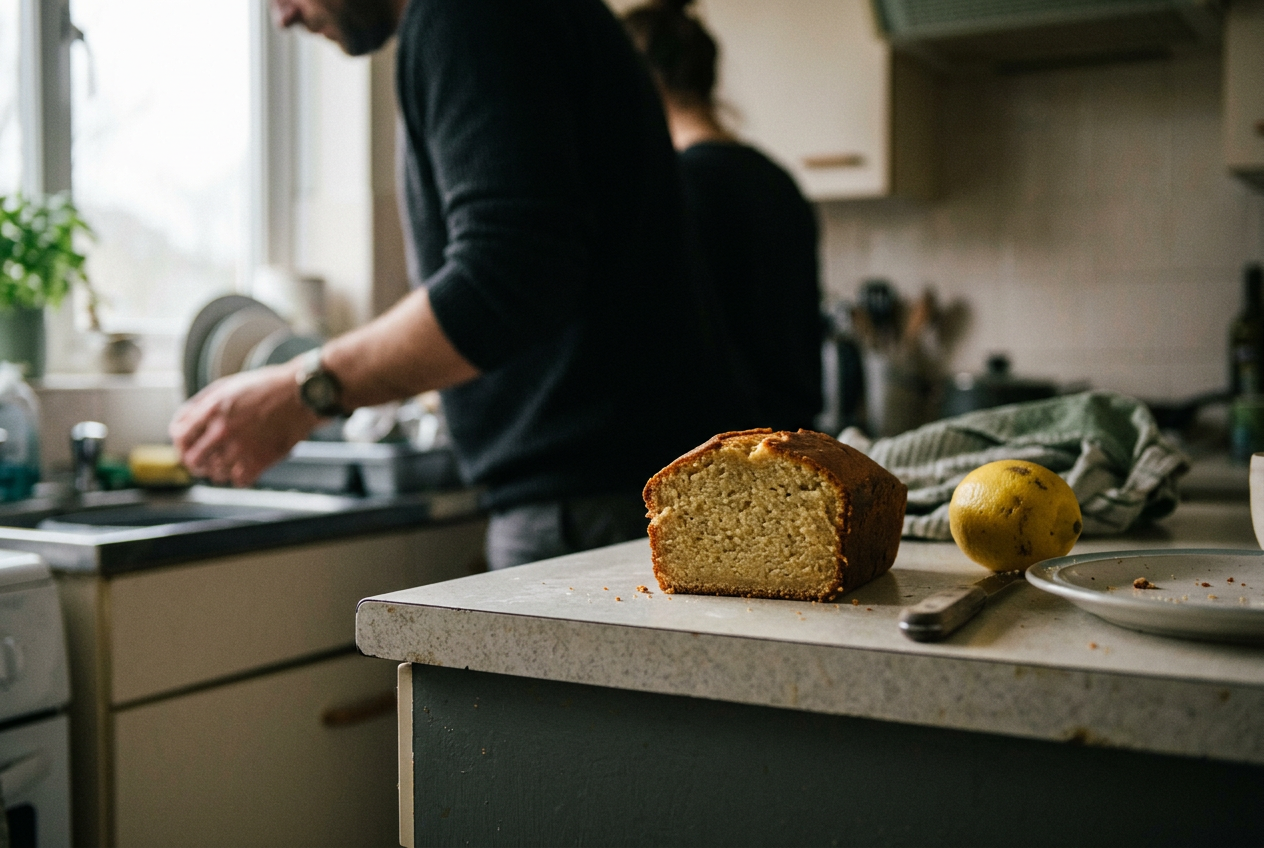
A synthetic lemon loaf clip delivers a perfect slice by skipping the chemistry between batter and cake. That failure is built into how recipe videos are generated, ranked and monetized.
Priya Nandakumar · 8 min read

Feeds
YouTube can identify realistic synthetic media on its own watch page. Move the same footage into an embed, excerpt, or repost, and that context becomes much easier to lose.
Priya Nandakumar · 7 min read

Feeds
Numbered slides, synthetic pictures and vague source labels turn bad information into a format that can shed corrections without losing momentum.
Priya Nandakumar · 7 min read

Feeds
Blocking is an account-level permission, not a disappearance spell. Here is what major platforms remove, what survives and how to close the routes they leave behind.
Priya Nandakumar · 8 min read

Feeds
A neighborhood group once asked you to recognize the street. Facebook’s recommendations now reward posts that can provoke anyone, anywhere, while the local label lends them trust.
Priya Nandakumar · 7 min read
Feeds
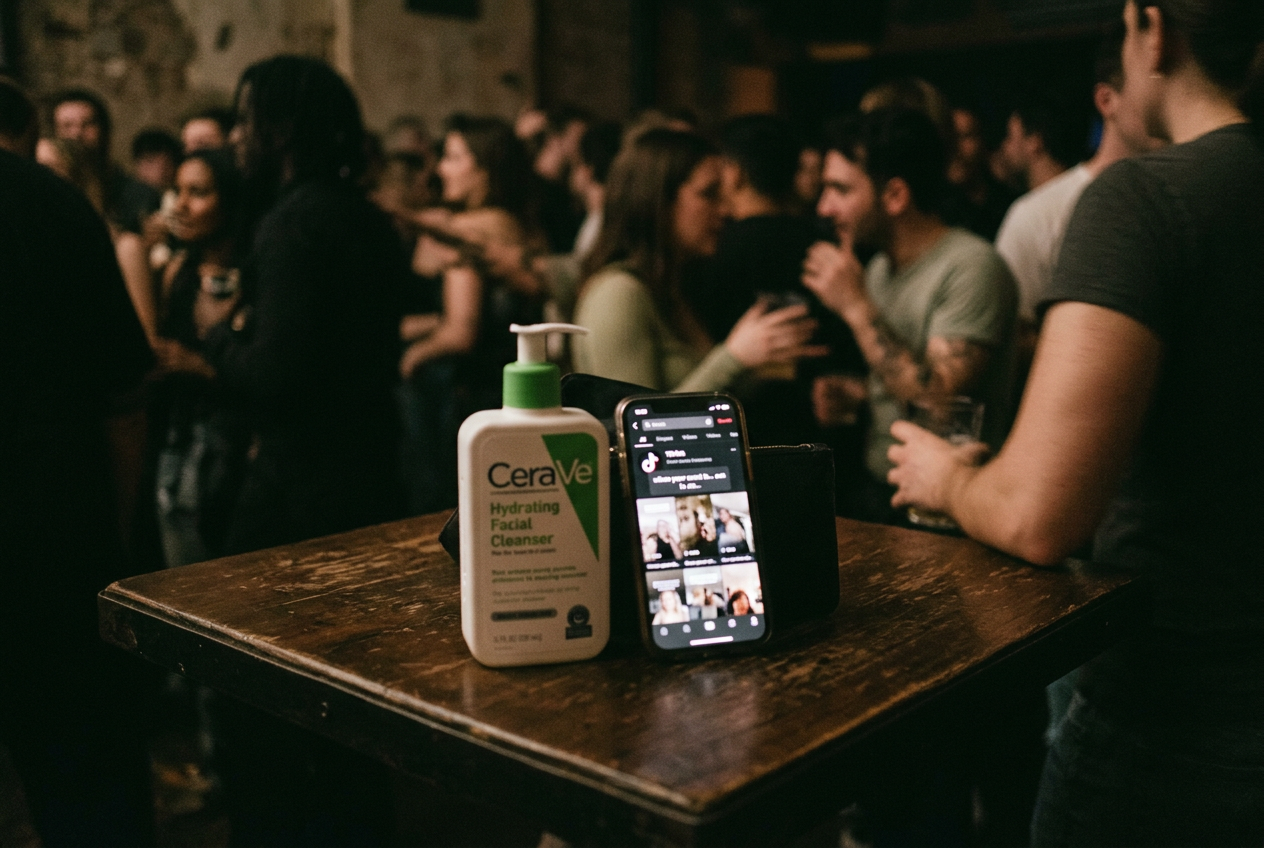
TikTok can treat speech as search material. A hands-on test with one cleanser shows why creators now repeat exact queries instead of talking like people already know the subject.
Priya Nandakumar · 8 min read

Feeds
X can append context to a false post. It cannot make that context follow screenshots, copied captions, or the recommendation burst that already delivered the claim.
Priya Nandakumar · 7 min read

Feeds
LinkedIn has copied TikTok’s distribution logic while keeping its office manners. The result turns professional identity into a ranking signal and unpaid creator labor into platform inventory.
Priya Nandakumar · 7 min read
Feeds
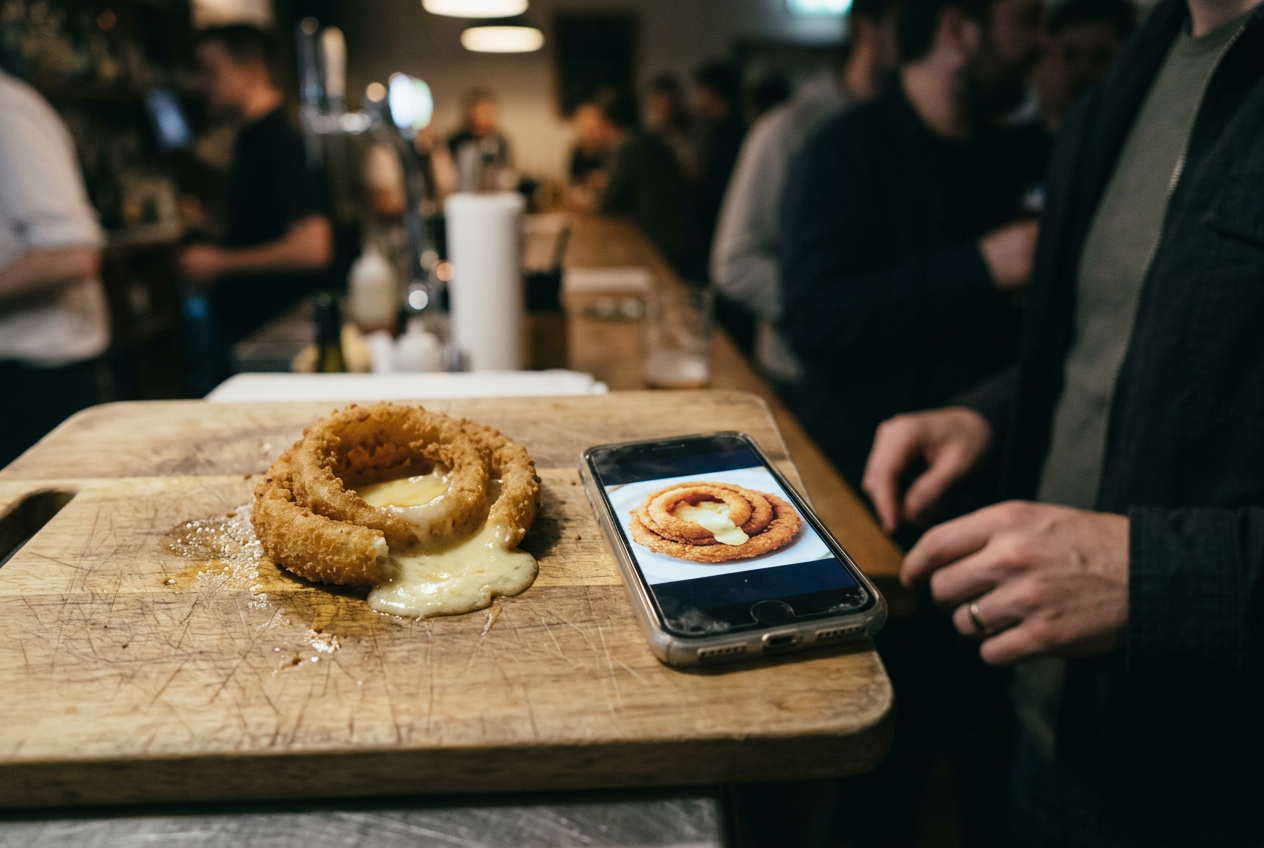
A giant cheese-stuffed onion ring kept its perfect shape as it crossed platforms, even while the recipe beneath it changed. That mismatch is the business model.
Priya Nandakumar · 8 min read

Feeds
YouTube can preserve an altered-content disclosure on its own watch page while stripping it from the feed, embeds and copied clips. The label survives as metadata, not as part of the media.
Priya Nandakumar · 8 min read

Feeds
Trial Reels reduce the follower backlash that can greet an experiment. In return, Instagram gets a stream of content tested against strangers before creators commit it to their feeds.
Priya Nandakumar · 7 min read

Feeds
Autocomplete gives viral suspicion a beginning, villain and verdict before the evidence loads. Its suggestions are ranked interpretations, despite looking like neutral directions.
Priya Nandakumar · 7 min read

Feeds
A puppy’s collar shifts, the rope changes length and the water forgets where to flow. None of that matters if the clip secures your sympathy before your scrutiny arrives.
Priya Nandakumar · 8 min read

Feeds
A note may need hours of cross-partisan agreement before it appears. A viral post needs only enough engagement to enter the recommendation system.
Priya Nandakumar · 8 min read

Feeds
A gray search label can make gossip look like a question the crowd already settled on. TikTok may detect the demand, but it still writes and places the allegation.
Priya Nandakumar · 8 min read
Feeds
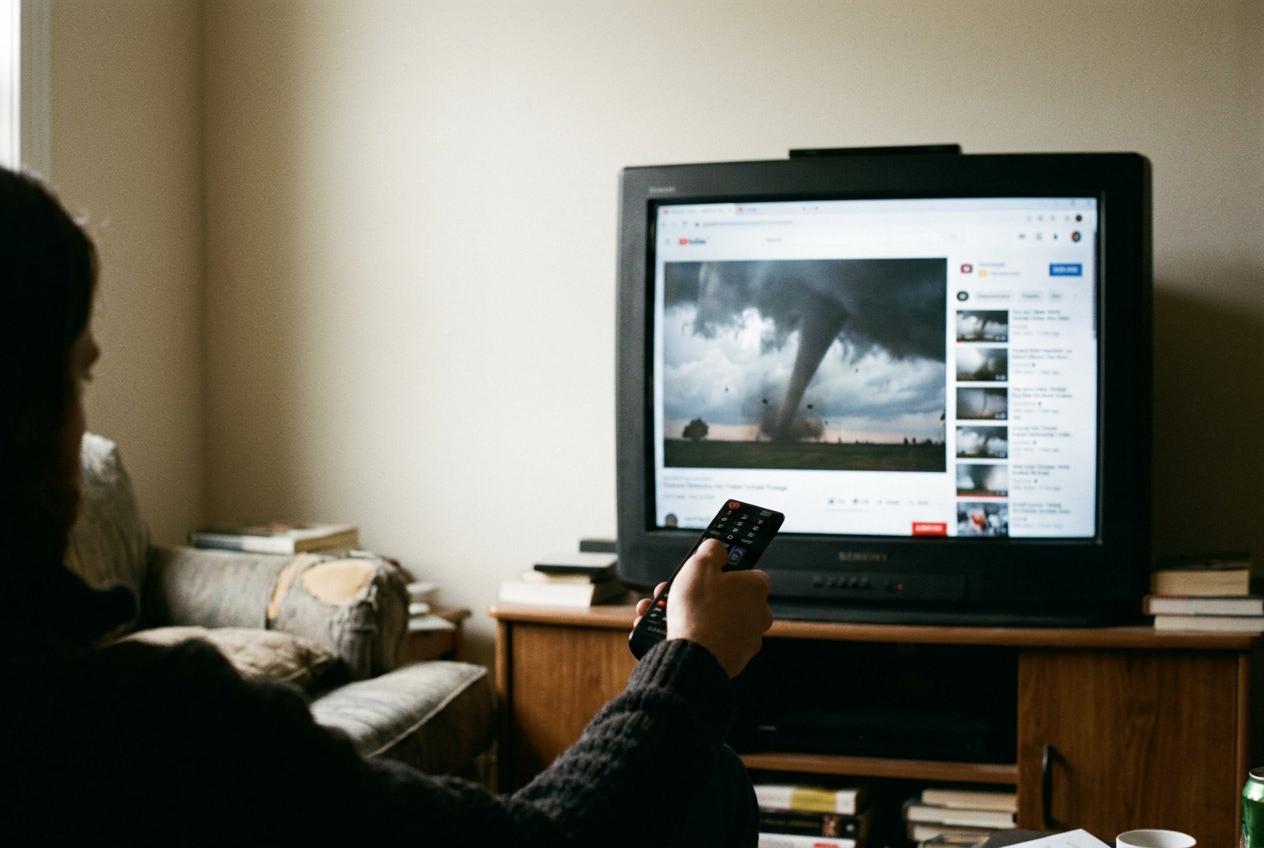
YouTube asks creators to disclose realistic synthetic footage, then often places the notice inside an expanded description. On a television, that can mean reaching for the remote after the fake has already landed.
Priya Nandakumar · 7 min read

Feeds
A gray “breakup” suggestion can do the work of an allegation without making one. TikTok’s search interface turns curiosity into a repeatable storyline, then sends users looking for proof.
Priya Nandakumar · 7 min read

Feeds
Autocomplete packages rumor as a reasonable next question. The insinuation earns distribution while TikTok, creators and viewers can all deny making the claim.
Priya Nandakumar · 7 min read

Feeds
A suggested search can state the accusation that every video merely circles. TikTok then turns the gap between rumor and proof into another reason to keep watching.
Priya Nandakumar · 7 min read

Feeds
TikTok Shop search folds paid placements, commission-backed videos and seller ratings into one stream. Here is a repeatable way to separate product evidence from sales machinery.
Priya Nandakumar · 8 min read

Feeds
A platform warning is easy to crop away. The useful evidence lives in the file’s history, earlier copies, visual structure and the account that put it into circulation.
Priya Nandakumar · 8 min read

Feeds
The viral Rotten Tomatoes crop looked definitive. Its repost trail shows how fandom screenshots lose dates, denominators and corrections while gaining authority.
Priya Nandakumar · 8 min read

Feeds
A rusted iron belt becomes proof of medieval cruelty after faceless videos copy the same weak claim. Search then mistakes repetition for corroboration.
Priya Nandakumar · 8 min read

Feeds
Creators are skipping the setup and handing viewers a mystery. The feed cannot measure comprehension, but it can measure how long confusion keeps your thumb still.
Priya Nandakumar · 8 min read

Feeds
TikTok can learn that you dislike one slime clip without learning that you dislike slime. A controlled feed test shows what to suppress, what to log and when to use stronger controls.
Priya Nandakumar · 8 min read